
Vaani by Meesho to reshape regional fashion acquisition
26 March 2026, Mumbai
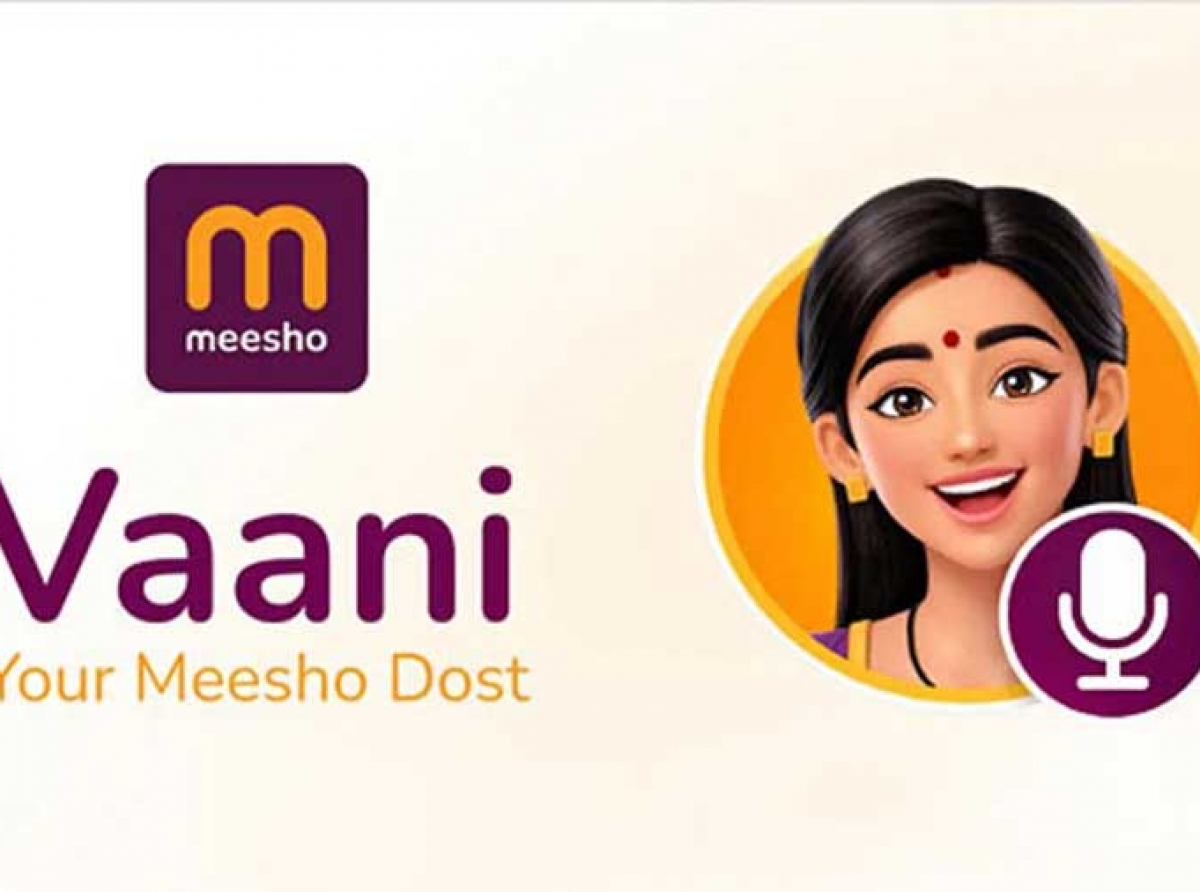
SoftBank-backed Meesho has launched ‘Vaani,’ a specialized Generative AI voice assistant, to institutionalize conversational commerce within India’s unbranded fashion segment. By facilitating natural dialogue in regional vernaculars, the platform aims to capture a significant share of the US $175 billion Indian e-commerce market projected for 2026.
This technological deployment addresses a primary friction point for the ‘next billion’ users: the transition from physical browsing to digital search. Industry data indicates, voice-based interactions can improve conversion rates by up to 30 per cent in rural demographics, where text-based navigation often serves as a barrier to entry. This initiative transforms the interface into a virtual personal shopper, capable of filtering complex fashion queries like breathable cotton sarees under 600’ without manual input.
Optimizing unit economics ahead of public listing
The integration of GenAI is a strategic move to lower Customer Acquisition Costs (CAC) while increasing the lifetime value of users in Tier-II and Tier-III markets. As Meesho prepares for its highly anticipated 2026 IPO, ‘Vaani’ provides a data-driven edge by capturing nuanced consumer intent that traditional click-stream data misses. This behavioral insight allows for more precise inventory forecasting and personalized marketing, essential for a platform supporting over 1.1 million small sellers.
By humanizing the digital experience, Meesho is positioning itself as a utility rather than just a marketplace, effectively competing with larger incumbents who have historically struggled with deep vernacular penetration in the lifestyle category.
Democratizing e-commerce for regional India
Founded in 2015, Meesho is India's leading marketplace for budget-friendly fashion and home essentials, operating on a 0 per cent commission model for sellers. With a recent GMV exceeding $5 billion, the company focuses on high-frequency, low-ticket transactions. Meesho’s growth strategy centers on technological accessibility and a logistics network optimized for deep rural penetration.











 Get in Touch!
