
Fashion retail realigns: The return to physical dominance
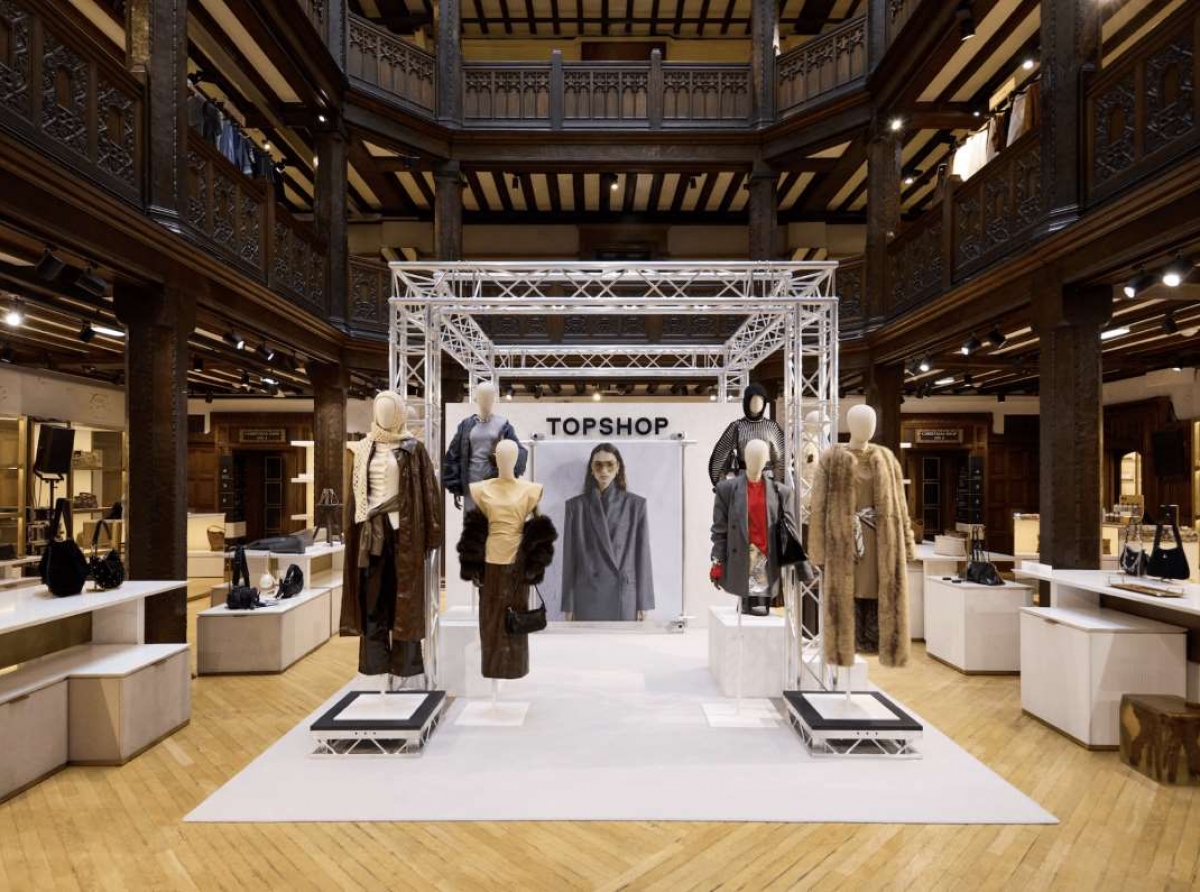
Major Indian fashion retailers are strategically recalibrating their digital ambitions, shifting focus from aggressive e-commerce expansion to the fortification of brick-and-mortar operations. Despite significant capital expenditure into omnichannel infrastructure, data from the past three fiscal years indicates that digital revenue contributions have plateaued. For instance, while firms like Arvind Fashions have seen modest gains, others, including Westside, have experienced stagnating online shares, hovering between 6 per cent and 7 per cent. Retail analysts suggest this trend reflects a deliberate move to protect margins. By maintaining price parity between digital and physical channels, companies are curbing the high customer acquisition costs typical of pure-play online marketplaces, opting instead for sustainable profitability over top-line growth.
Strategic geographic expansion
The current retail landscape favors the ‘phygital’ model, where physical outlets serve as fulfillment nodes rather than mere sales points. Consequently, national chains are accelerating store rollouts in Tier-II and Tier-III cities, regions where the experiential nature of apparel shopping remains a primary consumer driver. Industry veteran Devangshu Dutta of Third Eyesight observes, these retailers possess ane operational DNA fundamentally designed for physical environments, which often proves incompatible with the high-burn requirements of digital-first competitors. As retailers consolidate, the sector is seeing a renewed commitment to high-yield physical footprints as the most viable path to long-term market capture.
Corporate foundation and trajectory
Westside, a flagship retail chain under Trent Ltd, specializes in lifestyle apparel, home décor, and beauty products. Holding a strong footprint in major urban markets, the company is aggressively scaling its presence into smaller cities. With a robust balance sheet and a focus on operational efficiency, the brand continues to emphasize its proprietary private-label strategy to drive margins, reflecting a successful pivot from its origins as a department store concept to a high-growth fashion retailer.











 Get in Touch!
