
From celebrity endorsements to supply-chain control, the shift reshaping activewear retail
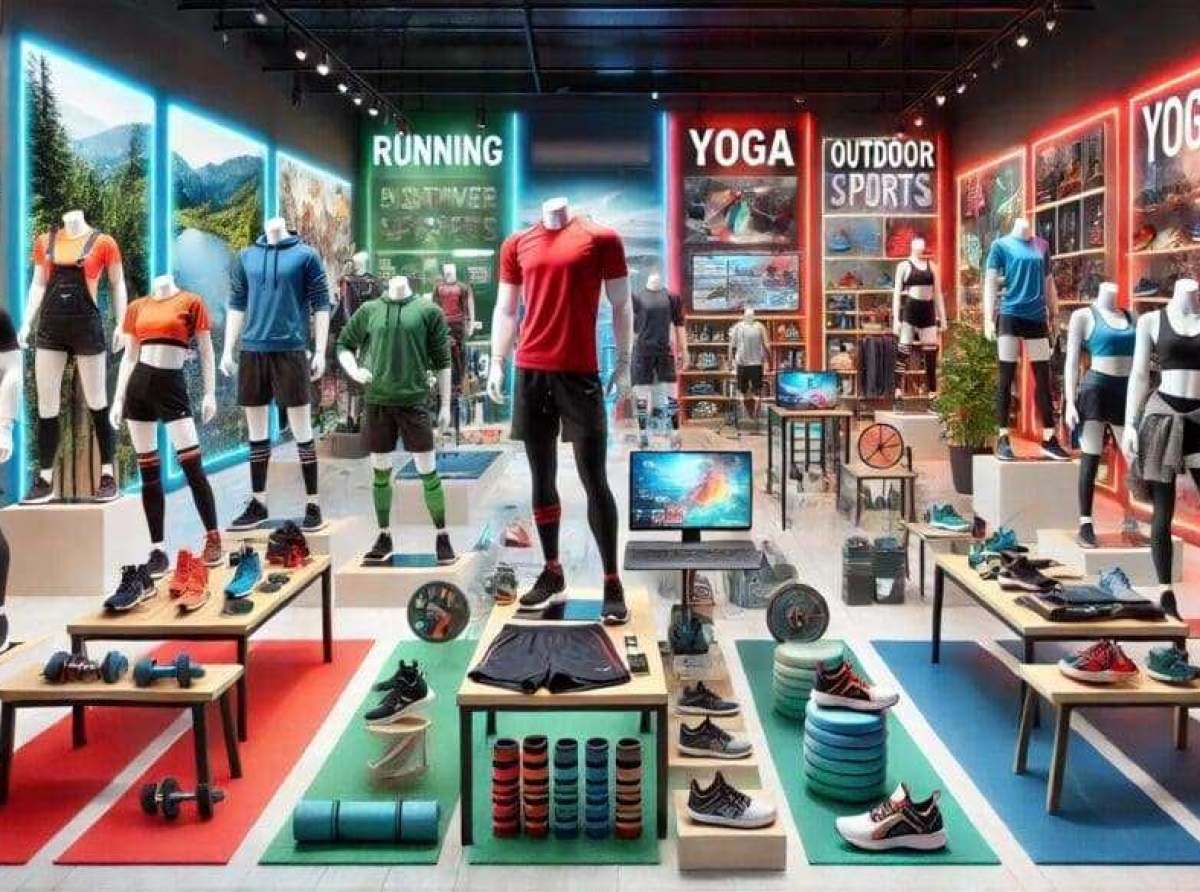
India’s sports apparel and activewear industry is entering a new growth phase, one defined less by celebrity-driven aspiration and accessibility, manufacturing efficiency, and retail scale. As the market matures, the competitive scenario is shifting from brand prestige alone toward a more pragmatic equation centered on value, local sourcing, and operational discipline.
As per IMARC Group’s estimates, India’s sports apparel market was worth $696.45 million in 2025, and projected to increase at CAGR of 19.07 per cent till 2034. While the category continues to benefit from rising fitness awareness, growing participation in recreational sports, and increasing athleisure adoption, the strategies driving market leadership are undergoing a notable change.
Scale becomes the new advantage
For much of the last decade, international sportswear brands dominated the Indian market with their premium positioning, extensive endorsement portfolios, and aspirational branding. Brands like Puma and Adidas built formidable distribution networks while investing heavily in athlete sponsorships and celebrity campaigns. That model remains influential, but the economics are becoming more challenging. Maintaining premium brand equity requires substantial marketing expenditure, often limiting flexibility on pricing in a market where affordability remains a decisive purchasing factor.
Adidas, for example, increased global marketing and point-of-sale spending by 9 per cent to €3.07 billion during its recent reporting period, highlighting the growing cost of defending brand visibility in competitive markets.
India’s consumer base, particularly beyond major metros, is showing a growing preference for performance-led products that offer value rather than prestige alone. This trend is opening opportunities for retailers capable of combining quality with accessible pricing and widespread availability.
Growth meets margin pressure
The challenges of balancing expansion with profit are visible even among established volume leaders. For example, Decathlon India had operational revenue of Rs 4,133 crore in FY25, making it one of the country’s largest sporting goods retailers. Yet the company’s growth has moderated significantly compared to the extraordinary post-pandemic years, when fitness-related spending surged. More importantly, profits came under pressure. Decathlon reported a net loss of Rs 65.03 crore during FY25, compared to a net profit of Rs 197.2 crore in the previous fiscal, as operating expenses rose faster than revenue.
The cost structure reveals the pressures facing large-format sporting retailers. Procurement expenses increased 8 per cent to Rs 2,644 crore, accounting for nearly two-thirds of total expenditure. Depreciation costs rose 74.3 per cent to Rs 305 crore following expansion-led capital investments, while administrative, logistics, and store operating costs climbed 13.7 per cent to Rs 952.5 crore. Despite maintaining a positive EBITDA of Rs 174 crore, the company spent more than it earned on an operating basis, underscoring how difficult it has become to sustain profitability while aggressively expanding physical retail infrastructure.
Localization imperative
As margins tighten, sourcing strategy is emerging as one of the industry's most important competitive levers. Global supply-chain volatility, fluctuating currencies, and import-related costs have encouraged sportswear retailers to increase local manufacturing and procurement. Decathlon’s long-term objective of sourcing over 70 per cent of its Indian merchandise locally reflects a broader industry movement toward supply-chain localization.
The rationale extends beyond cost control. Local sourcing shortens lead times, improves inventory responsiveness, and reduces exposure to external disruptions. It also aligns with India’s growing importance as a global manufacturing base for textile and apparel exports. For retailers pursuing rapid scale, sourcing efficiency is becoming as important as consumer demand generation.
Rise of vertically integrated challengers
While MNC brands deal with rising operating costs, a new generation of domestic activewear companies is leveraging vertical integration to gain market share. Among the most prominent examples is TechnoSport, the Tiruppur-founded performance apparel company that has emerged as a serious contender in India’s mass-premium activewear segment.
Supported by a $32.4 million investment from A91 Partners, the company controls every stage of production, including fabric knitting, dyeing, and garment manufacturing, through three integrated facilities. This structure allows tighter control over costs, quality, and product development compared with outsourced manufacturing models.
The financial results reflect the benefits of this approach. TechnoSport reported revenue of Rs 436 crore in FY25 and is targeting Rs 600 crore in the current fiscal, with ambitions to cross Rs 1,000 crore by 2027 through domestic expansion and export growth. Its distribution footprint spans over 7,000 multi-brand outlets, while its exclusive store network has grown to 55 locations nationwide. The company plans to add approximately 80 additional outlets over the next year, taking its total store count to 135. Unlike competitors, TechnoSport has opted for a company-owned, company-operated retail model, allowing greater control over customer experience and pricing while keeping customer acquisition costs relatively low.
Table: Activewear market overview
|
Brand |
Revenue (FY25) in cr |
Store count |
Positioning |
Sourcing model |
Financial indicator |
|
Decathlon India |
Rs 4,133 |
132 |
Mass-market accessibility |
70%+ local sourcing target |
EBITDA Margin: 4.2%; Net Margin: -1.6% |
|
Puma India |
Rs 3,274 |
400+ |
Premium sportstyle and performance |
Blended global sourcing |
High marketing intensity |
|
Adidas India |
Rs 3,114 |
400+ |
Premium lifestyle and athletics |
Blended global sourcing |
Global gross margin: 51.6% |
|
Nike India |
Rs 1,380 |
Select franchise |
Premium aspirational segment |
Import dependent |
High average unit realization |
|
TechnoSport India |
Rs 436 |
55 (target: 135) |
Mass-premium performance wear |
Fully integrated manufacturing |
N/A |
Looking beyond metros
The next phase of activewear growth is being shaped outside India’s largest cities. Tier-II, III markets are emerging as demand centers as fitness culture expands across regional India. Offline retail continues to dominate the category, accounting for nearly 69 per cent market share, reflecting consumers’ preference to evaluate fit, comfort, and fabric quality before purchase. At the same time, e-commerce is increasing category penetration, with online sportswear sales growing rapidly across both metropolitan and emerging urban markets.
Retailers are responding through omni-channel strategies that combine physical stores with faster digital fulfillment. Initiatives such as same-day and two-hour delivery services are becoming important tools for customer retention and repeat purchases.
The industry’s future appears tied to execution rather than image. Premium brands continue to command strong consumer loyalty, but the market’s fastest-growing opportunities are emerging where affordability, localized manufacturing, and geographic reach intersect. As India’s activewear sector moves toward its next milestone, the winners are likely to be companies that can scale efficiently while delivering performance products at prices aligned with the country’s evolving consumer realities.










 Get in Touch!
