All Stories

Value retailers navigate festive shift with strong topline expansion

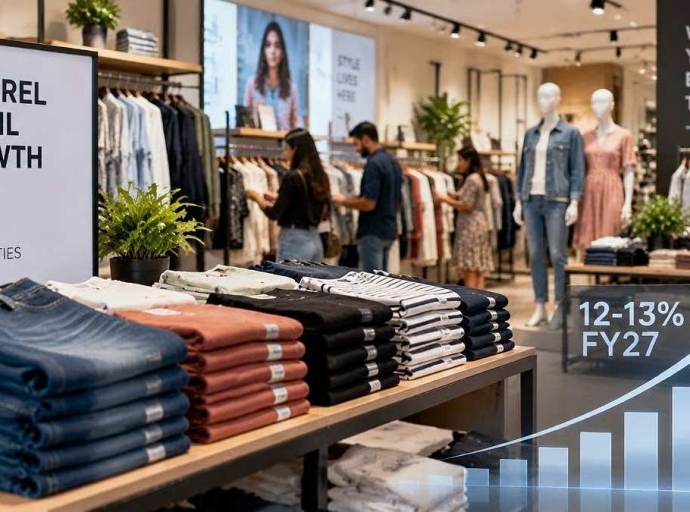
Indian value fashion and apparel segment witnessed resilient consumer demand as V-Mart Retail reported an 18 per cent Y-o-Y rise in operating revenue, reaching Rs 953 crore for Q2, FY27. The enterprise aggressively augmented its physical footprint by commissioning 23 new outlets while pruning underperforming assets, culminating in a total network of 613 operational stores.

Calendar adjustments mask underlying organic demand

While reported same-store sales growth remained muted at 3 per cent due to a significant 19-day festive calendar shift that pushed major celebrations into the subsequent quarter, normalized figures revealed an 11 per cent growth. Our underlying consumer pull remains exceptionally robust, evidenced by double-digit adjusted metrics across both core and regional formats, noted Manish Agarwal, Chief Financial Officer. Year-to-date revenues increased by 21 per cent to Rs 2,042 crore, reinforcing market confidence.

Focusing on robust balance sheet management

V-Mart Retail is a leading Indian omnichannel value-fashion powerhouse specializing in family apparel, lifestyle merchandise, and daily essentials. Operating predominantly across Tier-II and Tier-III cities alongside its southern subsidiary brand Unlimited, the enterprise focuses on aggressive geographical penetration, consistent inventory turns, and robust balance sheet management, tracing its commercial roots back to its incorporation in 2002.

Value retailers navigate festive shift with strong topline expansion

India resale market grows as pre-owned luxury redefine consumer demand

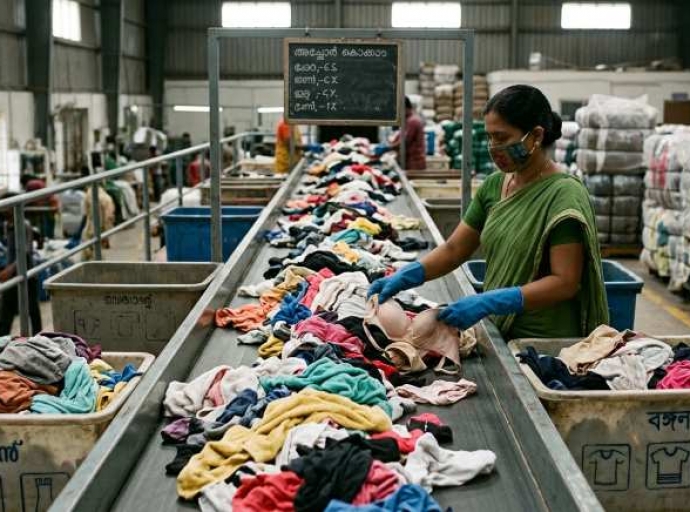
The Indian secondary apparel market has crossed a major commercial threshold, with organized resale platforms and curated digital channels capturing unprecedented consumer engagement. Driven by rising smartphone penetration, widespread digital payment adoption, and shifting urban attitudes toward circular fashion, search queries and transactions for pre-owned clothing have climbed steeply across metropolitan hubs. Industry data indicates that India's formal resale and secondhand garment sector is expanding rapidly toward a multi-billion-dollar valuation, fueled by Gen Z consumers and young professionals seeking unique, high-value apparel without the ecological and financial weight of fast-fashion overconsumption. The transition from informal flea markets to professionally curated digital storefronts has legitimized pre-owned fashion, turning conscious shopping into a mainstream retail movement, noted Amartya Sen, Retail Trade Analyst, Mumbai

Capturing high-value occasion and luxury segments

Unlike Western resale markets dominated by casual streetwear, India's secondary retail expansion is uniquely anchored by pre-owned designer wear, vintage textiles, and high-value ethnic occasion garments. Specialized platforms providing rigorous authentication protocols and standardized quality grading are successfully resolving historical consumer skepticism regarding product condition. This formalized trust infrastructure has driven lower cart abandonment rates and accelerated repeat purchases among affluent urban shoppers. Retail strategists observe that major fashion houses and multi-brand conglomerates are now exploring strategic integration with recommerce ecosystems to capture growing consumer demand for sustainable luxury. By bridging traditional heritage garment archiving with digital discovery, the Indian resale market is establishing a permanent structural footprint within the broader domestic retail economy.

Scaling sustainable retail models

The Indian secondary fashion and apparel market encompasses curated digital resale apps, Instagram-based thrifting collectives, and authenticated luxury pre-owned platforms. Serving metropolitan and Tier-II urban centers, the sector focuses on circular economy adoption, extending garment lifecycles, and scaling sustainable retail models built upon traditional Indian values of value-conscious asset preservation.

India resale market grows as pre-owned luxury redefine consumer demand

Fashion business growth drives robust results for FSN E-Commerce in Q2, FY27

Operator of beauty and lifestyle retail destination Nykaa, FSN E-Commerce Ventures has reported expectations of consolidated net revenue growth in the late twenties for the September quarter. The enterprise strengthened its physical presence by commissioning 14 new retail storefronts during the quarter, elevating its total national footprint to 338 locations. Like-for-like store sales demonstrated exceptional momentum, climbing in the early twenties to mark the highest performance across the past six operating quarters.

High-growth fashion sector outpaces core segments

While the core beauty division maintained steady performance with net sales value expanding in the high twenties, the fashion vertical emerged as a primary growth catalyst. Net sales value and net revenue within the fashion segment increased in the late and early forties, respectively. Strategic inventory additions, including over 250 new brands and exclusive product drops through a high-profile partnership with Nike, significantly boosted consumer engagement. The company’s continuous expansion across lifestyle categories and physical retail networks reflects strong underlying consumer demand, stated a senior representative.

Delivering sustainable long-term financial profitability

FSN E-Commerce Ventures is a leading Indian consumer technology enterprise operating specialized retail platforms across beauty, personal care, and fashion. Catering to urban metropolitan markets through digital storefronts and physical outlets, the company focuses on scaling omnichannel retail capabilities, expanding brand partnerships, and delivering sustainable long-term financial profitability since its inception.

Fashion business growth drives robust results for FSN E-Commerce in Q2, FY27

Flipkart strengthens Ekart to expand festive reach and delivery capabilities

Flipkart has significantly strengthened its supply chain network through its logistics subsidiary, Ekart, adding 14 million cu ft of warehousing space and establishing over 900 new delivery hubs nationwide. The strategic expansion supports the upcoming festive shopping surge, increasing peak processing capacities by more than 30 percent through advanced automation. Furthermore, the network now extends into more than 750 previously unserved PIN codes, encompassing remote regions such as Leh, Kargil, and interior sectors of Northeast India. Hemant Badri, Senior Vice President and Head of Supply Chain at Flipkart Group, noted that the infrastructure upgrade addresses rising consumer expectations for rapid fulfilment during peak trading windows. Every year, The Big Billion Days raises the bar for what customers expect: faster deliveries and wider reach, Badri stated.

Workforce expansion and economic impact

Beyond physical infrastructure, the supply chain augmentation drives substantial employment generation, creating over 2.5 lakh direct and indirect seasonal jobs, with approximately 60 percent concentrated in last-mile delivery operations. To secure operational efficiency and worker retention during high-demand periods, the enterprise has integrated tech-enabled onboarding protocols alongside comprehensive welfare benefits, including medical cover and insurance for delivery partners. Industry analysts observe that robust logistics investments are critical for e-commerce platforms seeking to capture sustained demand across Tier 2 and Tier 3 markets while maintaining delivery speed and reliability.

Corporate backgrounder: Flipkart and Ekart

Flipkart operates as a leading Indian e-commerce marketplace offering diverse retail categories, including apparel, electronics, and home goods. Its logistics arm, Ekart, manages extensive nationwide fulfillment and delivery services. The company targets aggressive omnichannel market penetration, sustained financial growth, and enhanced supply chain efficiencies across domestic retail sectors.

Flipkart strengthens Ekart to expand festive reach and delivery capabilities

Mashroo expands modest wear market with Aquamarine FW26 range by Gauahar Khan

Modest fashion label Mashroo has officially introduced its highly anticipated Aquamarine FW26 collection, with renowned actress and style icon Gauahar Khan headlining the launch. Priced competitively between INR 3,000 and INR 14,000, the line bridges traditional sartorial heritage with contemporary metropolitan aesthetics. Industry observers note that the modest apparel segment is experiencing accelerated growth across urban retail markets, driven by consumers demanding functional elegance without compromising personal identity. Brand representatives highlight that this launch strategically reinforces Mashroo's commitment to capturing high-value segments within India's expanding ethnic and contemporary fashion landscape.

Omnichannel expansion and retail strategy

The unveiling aligns with Mashroo's broader commercial strategy to scale its presence across exclusive retail outlets and digital platforms. By securing high-profile endorsements from prominent entertainment and sports personalities, the enterprise aims to deepen customer acquisition and elevate average order values. Market analysts indicate that independent labels specializing in niche categories must harness experiential merchandising and robust e-commerce frameworks to compete effectively against mass-market conglomerates. This collection rollout serves as a crucial operational benchmark for the brand as it expands its footprint across domestic and international markets.

Eyeing heightened market share with retail expansion

Established in Mumbai in 2012, Mashroo specializes in contemporary modest wear, including abayas, thobes, and ethnic apparel. Operating globally across more than 30 countries, the brand pursues robust omnichannel expansion through proprietary retail stores and digital storefronts, targeting sustained financial growth and heightened market share.

Mashroo expands modest wear market with Aquamarine FW26 range by Gauahar Khan

First state outlet mall debuts in Bhiwandi with over 100 brands

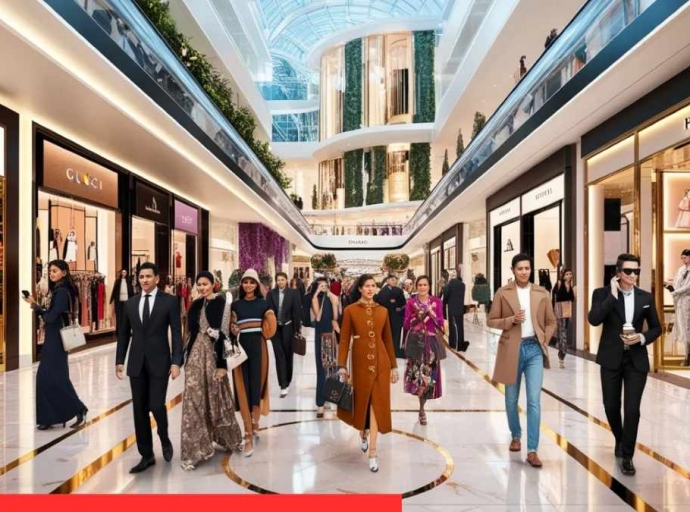
Maharashtra's retail landscape has achieved a significant milestone with the opening of the state's first dedicated outlet mall in Bhiwandi, bringing more than 100 global and domestic fashion, lifestyle, and apparel brands under a unified roof. Developed by Bhumi World, the sprawling commercial destination introduces an innovative 365-day discount model, allowing apparel brands to efficiently clear seasonal inventory while offering consumers year-round value on premium merchandise. Strategically positioned along major transit arteries including the Mumbai-Nashik Highway and the Samruddhi Expressway, the development capitalizes on the region's rapid transformation from a traditional logistics hub into a thriving consumption center.

Transforming logistics hub into a retail powerhouse

The structural evolution of the Bhiwandi belt marks a strategic departure from warehousing toward integrated commercial and recreational zones. Spanning an expansive commercial footprint, the outlet complex features high street-style open walkways, large-scale anchor fashion stores, and comprehensive dining zones designed to foster destination-led family outings. Industry analysts note, positioning large-format discount retail outside core metropolitan centers allows brands to optimize real estate overheads while capturing high-volume weekend foot traffic from neighboring urban clusters such as Thane, Kalyan, and Mumbai.

Outlet Mall of India represents the evolution of Bhiwandi from an industrial powerhouse into a vibrant mixed-use retail and leisure destination, states Prakash Patel, Managing Director, Bhumi World. The premium, organized outlet platform delivers value without compromise, setting a new benchmark for regional retail, he adds.

Capturing value fashion demand across urban corridors

The project aligns with the broader rise of organized value retail across Tier-II and suburban Indian markets. Retail consultants indicate, year-round promotional models help apparel brands maintain steady cash flow and manufacturing cadence without relying solely on traditional end-of-season clearance sales. By integrating digital entertainment spaces, expansive food courts, and immersive brand showcases alongside traditional retail storefronts, the complex ensures extended customer dwell times, reinforcing the commercial viability of suburban retail infrastructure across Western India.


Retail ecosystem and infrastructure

Bhumi World specializes in large-scale commercial real estate and industrial park development within the Mumbai Metropolitan Region. The firm focuses on building integrated business and retail ecosystems that bridge logistics hubs with consumer-facing infrastructure, targeting sustained financial growth through strategic asset diversification and high-yield commercial leasing.

First state outlet mall debuts in Bhiwandi with over 100 brands

Myntra experiences leadership transition as Sunder Balasubramanian quits as CMO

Myntra is experiencing a high-profile executive departure as Chief Marketing Officer Sunder Balasubramanian steps down after nearly four years leading the fashion and lifestyle platform's growth and branding strategy. His exit arrives during a critical operational window, just as India's online retail sector scales up marketing campaigns and strengthens logistics networks to capture peak consumer spending during the festive period. Industry observers note that managing top-level marketing transitions without disrupting seasonal customer acquisition campaigns remains a rigorous test for major e-commerce enterprises. Myntra has consistently adapted its brand positioning to engage value-conscious and premium shoppers alike, making continuous leadership stability vital, observes Priya Menon, Retail Strategy Consultant.

Navigating evolving consumer engagement paradigms

During his tenure starting in November 2022, Balasubramanian oversaw several large-scale digital initiatives, influencer-driven campaigns, and customer retention programs designed to solidify the platform's market share against aggressive domestic competitors. While corporate leadership has not yet announced a formal successor, the organization continues to scale up infrastructure, recently outlining plans for over 26,000 seasonal jobs across fulfilment centers and last-mile delivery to support surging transaction volumes. Market analysts project that the incoming marketing head will focus heavily on artificial intelligence personalization, social commerce, and expanding customer acquisition footprints across Tier-II and Tier-III urban markets.

Capturing digital savy consumers with tech-driven shopping features

Myntra is a premier Indian fashion and lifestyle e-commerce company specializing in apparel, footwear, and beauty products. Operating as part of the Flipkart Group, the enterprise focuses on scaling omnichannel retail, technology-driven shopping features, and private-label expansion to capture India's growing digital consumer base.

Myntra experiences leadership transition as Sunder Balasubramanian quits as CMO

RAI Retail CFO Summit 2026 addresses margin resilience and capital efficiency

The Retail Association of India recently hosted its annual CFO Summit in Mumbai, convening chief financial officers and senior retail strategists to tackle pressing economic headwinds, rising operational costs, and shifting consumer spending patterns. Discussions centered on maintaining structural profitability amid intensifying competition and fluctuating supply chain expenditures. Kumar Rajagopalan, CEO, Retail Association of India, emphasized, modern retail financial management requires rigorous cost discipline, advanced inventory velocity tracking, and strategic capital allocation to protect operating margins across both physical and digital channels.

Optimizing working capital and technology investments

Industry leaders examined innovative approaches to working capital optimization, leveraging integrated enterprise resource planning systems to reduce holding costs and enhance cash flow visibility. Executives noted that investments in automated supply chain technologies and predictive analytics yield measurable returns by curbing overproduction and reducing markdown risks. As organized retail expands into Tier-II and Tier-III urban markets, financial executives are balancing capital expenditure on physical footprint expansion with scalable digital infrastructure to ensure sustainable long-term performance and shareholder value.

Supporting the modernization of domestic retail commerce

The Retail Association of India is the apex body representing the Indian retail sector, uniting organized retailers, department stores, and e-commerce enterprises. Operating nationwide, the association advocates for favorable trade policies, professional development, and financial best practices, building upon its establishment to support the modernization of domestic retail commerce.

RAI Retail CFO Summit 2026 addresses margin resilience and capital efficiency

Latest Publications

Image

Join Our Group

Join Our Group