All Stories

TechnoSport hits 34-store milestone with high-engagement Hassan launch

02 February 2026, Mumbai

India’s rapidly ascending performance-wear powerhouse, TechnoSport has accelerated its physical retail offensive with the inauguration of its 34th EBO in Hassan, Karnataka. This move signals a significant ramp-up in the brand’s ‘India-first’ growth strategy, which aims to bridge the gap between technical athletic gear and accessible daily apparel. To mark the entry into the Hassan market, the brand bypassed traditional ribbon-cutting in favor of a community marathon, a tactical move to embed the brand within the local fitness ecosystem and drive immediate consumer trial.

 Know More

Strategic distribution and revenue trajectory

The Hassan launch is a key component of TechnoSport’s aggressive roadmap to reach 50 EBOs by the end of the current financial year, supported by a Rs 200 crore capital expenditure plan to hit 300 stores nationwide within two years. The brand is currently riding high on a 40 per cent CAGR, with FY26 revenue targets set at Rs 600 crore. Industry data highlights TechnoSport’s operational edge, boasting a 10 per cent market share in India's value activewear segment and a conversion rate of 83 per cent across its existing outlets - nearly double the industry average of 40-50 per cent. Our expansion is about clinical precision in location and community relevance," says Puspen Maity, CEO, TechnoSport.

READ OUR LATEST NEWS

Manufacturing integration and market resilience

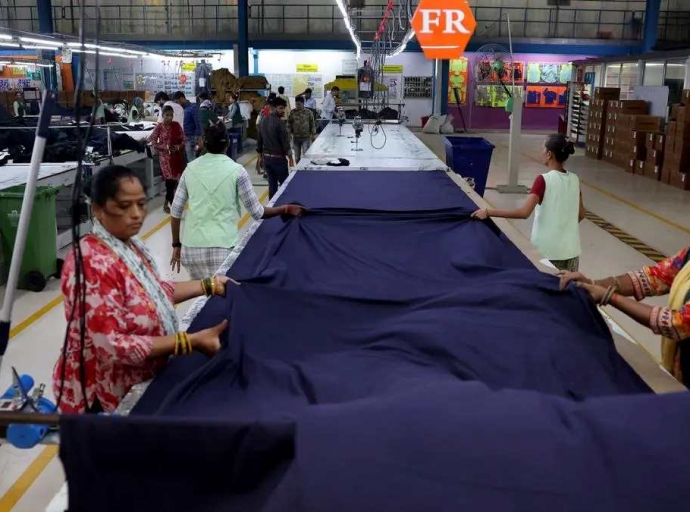
While competitors face inventory volatility, TechnoSport is reinforcing its supply chain with a Rs 100 crore investment in a new smart manufacturing facility in Odisha, complementing its integrated yarn-to-fabric plant in Tirupur.

This vertical integration allows the brand to maintain an average price point of Rs 450 without compromising on high-tech features like UPF 50+ sun protection and Technocool+ moisture management.

DFU Profile

As the Indian activewear market heads toward a projected $1.9 billion valuation by 2030, TechnoSport’s dual-channel approach—pairing rapid offline expansion with quick-commerce partnerships - positions it to capture the surging demand from Tier-II and Tier-III urban hubs.

Founded in 2007 in Tirupur, TechnoSport is a vertically integrated activewear leader specializing in high-performance, affordable apparel. Dominating Tier-II and III markets, the brand aims for a Rs 1,000 crore turnover by FY27. Recently securing $25 million from A91 Partners, it is scaling manufacturing and its 7,000-point retail network globally.

LATEST FASHION NEWS

TechnoSport

Style Union strengthens Gujarat foothold with new Vapi destination

02 February 2026, Mumbai

The high-velocity fashion arm of Nexon Omniverse, Style Union has announced the opening of its latest outlet in Chala, Vapi. This launch marks a strategic deepening of the brand’s penetration into Gujarat’s industrial hubs, where a rising demographic of aspirational, value-conscious consumers is driving a surge in organized retail. By securing a prime location at ‘The Gateway,’ Style Union is positioning itself to capture high weekend footfalls from the Vapi-Daman corridor, a region increasingly characterized by its evolving ‘work-to-leisure; wardrobe requirements.

READ OUR LATEST NEWS

Weekly drop velocity and inventory precision

The Vapi flagship operates on Style Union’s signature agile retail framework, which introduces over 150 new designs every week. This aggressive refresh cycle is powered by AI-driven merchandising platforms that reduce stockouts by an estimated 98 per cent, ensuring that inventory matches real-time local demand. While the broader apparel sector faces a 10-12 per cent rise in raw material costs, Style Union’s vertically integrated supply chain allows it to maintain ‘honest pricing’ across its men’s, women’s, and kids’ categories. Our growth is anchored in being a 'store next door' that offers the latest trends without the typical price lag, noted Ekta Biyani, Co-founder, in a recent industry discussion.

DFU Profile

Capitalizing on the Tier-II value growth

Following a successful Series D funding round in late 2025, Style Union has scaled its network to over 140 stores nationwide, with an eye on reaching 200 locations by the end of the 2026 fiscal year.

The brand is currently outpacing traditional competitors by leveraging a tech-first DNA that skips legacy retail friction.

As the Indian value fashion market heads toward a projected $50 billion valuation by 2031, Style Union’s focus on Tier-II and Tier-III urban centers provides a robust cushion against the saturation seen in major metros.

Founded in 2022 by Ekta Biyani and Rakesh Biyani, Style Union is a Bengaluru-headquartered fashion powerhouse under Nexon Omniverse. Specializing in affordable, trend-led apparel across 140+ stores, the brand reported revenues exceeding Rs 580 crore in FY25. Backed by Series D funding, it targets 300+ stores nationally within two years.

LATEST FASHION NEWS

StyleUnion

Adidas defies macroeconomic volatility with 13% revenue rise in FY25

31 January 2026, Mumbai

Adidas defied broader macroeconomic volatility with 13 per cent rise in currency-neutral revenues to €24.8 billion in FY25. This growth was remarkably balanced across all global markets, led by a 21 per cent rise in Latin America and resilient 10 per cent gains in Greater China.

The ‘terrace’ footwear trend - headlined by the Samba and Gazelle - remained a significant revenue engine, while the performance apparel segment recorded a 16 per cent increase, boosted by a strong year for global football and running. The brand’s operating profit more than doubled in Q4, FY25 culminating in a full-year operating profit of €2.06 billion, up from €1.34 billion in 2024.

 Know More

Quality growth mitigates supply chain and tariff pressures

The company’s ‘local mindset’ strategy has proven instrumental in maintaining a historically high gross margin of 51.6 per cent. By prioritizing full-price sell-throughs and disciplined inventory management, Adidas successfully navigated rising US tariffs and currency fluctuations that posed a €1 billion headwind.

We have managed to keep discounts under control while ensuring the right product reached the right markets, stated Bjørn Gulden, CEO. Buoyed by this momentum, the executive board approved a €1 billion share buyback program set to commence in February 2026.

Read our latest issue

Looking ahead, the brand is positioning itself to capture further market share through high-profile collaborations and the upcoming Winter Olympics in Italy.

Headquartered in Germany, Adidas is a leading designer and retailer of athletic footwear, apparel, and accessories. It operates globally across performance and lifestyle (Originals) categories.

Following a successful 2025 turnaround, the company aims for double-digit growth and a 10 per cent operating margin by late 2026, leveraging its 75-year heritage of innovation.

LATEST FASHION NEWS

Adidas

The Safe Bet: Why Uniqlo’s minimalism is winning big in India

29 January 2026, Mumbai

In the whirlwind of Indian fashion retail where global giants chase fleeting trends and hype-driven launches Japan’s Uniqlo has quietly rewritten the rules. Its strategy is not about runway glamour or viral collaborations. Instead, it embraces a philosophy rooted in Japanese minimalism: perfection in the mundane.

Since entering India in 2019, Uniqlo has steadily defied the fast-fashion norm, emerging as a profitable and disciplined player. By FY25, the brand reported a 44 per cent revenue increase, crossing Rs 1,100 crore and more than doubling its net profit, a remarkable feat in a market notorious for volatility.

Efficiency over expansion

Unlike many competitors who chase sheer store volume, Uniqlo India has opted for precision and operational efficiency. With a lean footprint of just 17-18 stores, the brand has managed revenue per store and profit margins that rival larger players.

Table: Comparative market snapshot (FY25)

Metric

Uniqlo India (FY25)

Zara India (Inditex Trent)

H&M India

Revenue

Rs 1,100+ cr

Flat Sales (FY25)

Single-digit growth

Growth Rate

44% YoY

8% (FY24)

11.4% (FY24)

Net Profit

Rs 178.4 cr

Rs 244 cr (FY24)

Rs 7 cr (FY24)

Profit Margin

15% PAT

8.80%

0.20%

Since 2019, Uniqlo has achieved nearly 60 per cent CAGR, reaching profits within three years an accomplishment that underscores the strength of its business model.

Selling reassurance

Where others chase trends, Uniqlo has made a bet on reliability. The insight is simple yet counter-intuitive: Indian consumers don’t always want novelty they want something that works.

The ‘safe’ wardrobe: Competitors sell expression; Uniqlo sells reassurance. Consistent sizing, classic cuts, and timeless pieces reduce the friction of daily choices.

Functional innovation: Technologies like AIRism, engineered for India’s humid climate, and HeatTech, catering to northern winters, have turned basic apparel into essentials.

Subtle branding: In a visually noisy market, the minimalistic, logo-light aesthetic becomes a powerful differentiator, signalling quality without ostentation.

Quietly local, the kurta experiment

Uniqlo’s approach to India isn’t just global standardization, its sensitive localization. Realizing that nearly 70 per cent of Indian women’s apparel expenditure is on ethnic wear in 2019, Uniqlo launched its kurta collection, designed in collaboration with Rina Singh. This wasn’t a simple copy-paste of tradition. The high-tech Toray rayon and premium linen brought comfort and durability to a classic silhouette. Interestingly, demand exceeded local expectations, and the collection is now exported to 24 countries, including the US and Japan. This experiment showcased that cultural sensitivity and functional design can coexist, enabling Uniqlo to stand out in a crowded market.

The challenge of standing still

Despite stellar growth, Uniqlo’s model is not without risks. “The current scale is still small for a market of this size. India will play a key role in Uniqlo’s global ambition of 10 trillion yen in sales,” notes Kenji Inoue, COO & CFO, Uniqlo India. India mandates 30 per cent local sourcing for single-brand retail. Uniqlo currently sources 15-18 per cent, with plans to reach the regulatory threshold to facilitate growth. What’s more older consumers value reliability, but younger shoppers are increasingly trend-driven, posing challenges for a slow-moving, pre-planned inventory model. Since the products are designed a year in advance. Sudden shifts in weather or consumer preference could create stock imbalances.

The road to Rs 3,000 crore

Uniqlo’s ambition is clear, to reach Rs 3,000 crore in revenue within 2-3 years. The roadmap combines physical expansion, digital acceleration, and local manufacturing. The plan is a metro-first expansion. Flagship stores in Bengaluru, Pune, and Mumbai will serve as brand beacons rather than a mass-market footprint. E-commerce will boost the brand’s reach and serve as a force multiplier for awareness. Increased local production will reduce global supply chain risks and cost volatility while meeting regulatory requirements.

If executed well, this strategy could cement Uniqlo not just as a global import, but as a homegrown favorite for urban India, blending trust, innovation, and subtle style.

LATEST FASHION NEWS

The Safe Bet: Why Uniqlo’s minimalism is winning big in India

CMAI organizes Trendhaus to showcase Autumn-Winter 2026 collections

The Indian apparel industry entered a new phase of institutionalized trade on January 26, 2026, with the launch of Trendhaus, a high-stakes ‘India Brands Collective’ organized by the Clothing Manufacturers Association of India (CMAI).


By centralizing 11 of the nation’s most prominent domestic labels - including the likes of Spykar, Indian Terrain, Killer, and Gini & Jony - into a single, closed-door ecosystem, the initiative represents a fundamental shift in how the domestic market handles high-volume seasonal procurement.

 Know More

A controlled ecosystem for Autumn-Winter 2026 forecasting

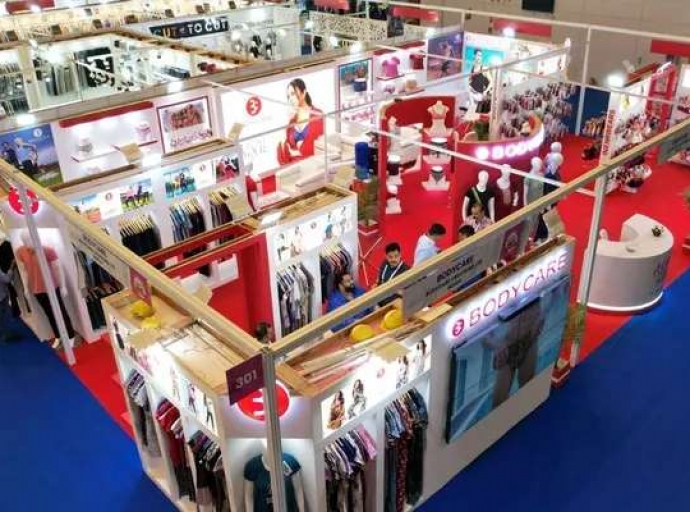
The primary objective of the Trendhaus format is the elimination of ‘booking fatigue’ by offering a curated, structured preview of Autumn-Winter 2026 collections. Within massive dedicated pavilions spanning up to 30,000 sq ft, brand teams are engaging directly with decision-makers from approximately 2,000 pre-identified retail outlets, including multi-brand outlets and e-commerce giants. This controlled environment is designed to maximize ‘outcome-driven’ interactions, allowing retailers to finalize advance orders with a level of predictability that has historically been difficult to achieve in India’s often volatile domestic retail sector. Santosh Katariya, President, CMAI, notes, such forums are critical for moving the industry toward greater transparency and long-term partnership rather than mere transactional buying.

 DFU Profile

Strategic incentives and professionalization of the supply chain

CMAI has significantly lowered the barrier for regional retail participation by funding an all-expenses-paid hospitality model for 2,000 top-tier buyers, covering travel and accommodation to ensure the presence of key stakeholders. This aggressive investment in relationship-building is aimed at stabilizing the domestic supply chain by securing advance commitments months before the season begins. By fostering these direct brand-to-retailer links, CMAI is effectively bypassing the middle-market noise, allowing brands like Classic Polo, Status Quo, and Nostrum to gauge market sentiment and refine production schedules. This data-backed approach to inventory planning is expected to reduce the risk of overproduction, aligning with the industry's broader movement toward operational sustainability.

 READ OUR LATEST ISSUE

Six decades of advocacy and the modern sustainable mandate

The launch of Trendhaus is the latest milestone for CMAI, an organization that has represented the backbone of Indian apparel manufacturing for over sixty-three years. With a membership exceeding 7,000 firms and a reach extending to 50,000 retailers, the association has evolved from a policy advocate - having led the creation of the Apparel Export Promotion Council in 1978 - into a champion of ESG initiatives. This legacy of development, which includes the 2019 ‘SU.RE’ sustainability project, provides the necessary institutional weight to Trendhaus. As the only Indian body represented on the International Apparel Federation, CMAI’s move to consolidate brand bookings into a professionalized collective is seen as a strategic step to elevate India’s domestic fashion infrastructure to global standards.

Publications Portfolio

CMAI

Empowering the Roots: Budget 2026 charts a growth map for India’s domestic fashion and artisan economy

01 February 2026, Mumbai

In a landmark move for India’s second-largest employer, the Union Budget 2026-27 has unveiled a comprehensive transformation roadmap aimed at revitalizing the domestic textile, apparel, and handicraft sectors. While the budget targets an ambitious $350 billion business size by 2030 , its strategic weight this year has shifted significantly toward bolstering the Indian domestic fashion landscape and the artisan economy.

Industry leaders characterize this as a "structural shift" to modernize traditional manufacturing while ensuring rural inclusion. Dr. A. Sakthivel, Chairman of the Apparel Export Promotion Council (AEPC), described the budget as balanced and forward-looking, reflecting a strong commitment to building a globally integrated yet domestically resilient sector.

 Know More

Strategic Pillars: Strengthening the domestic value chain

The budget introduces several new missions to streamline the fragmented domestic sector, addressing the textile economy from the weaver's loom to the high-street retail store. Chandrima Chatterjee, Executive Director of the Confederation of Indian Textile Industry (CITI), noted that the budget lays out a comprehensive roadmap through the Integrated Programme for Textile Sector. This is echoed by the Clothing Manufacturers Association of India (CMAI), which stated that the package signals a clear intent to modernize the sector and strengthen livelihoods across the value chain.

Table: Domestic-Centric Budget Initiatives 2026-27

Initiative

Primary Domestic Focus

Strategic Objective

Mahatma Gandhi Gram Swaraj

Khadi, Handlooms, & Handicrafts

Promoting inclusive growth and rural livelihoods through scaled production.

National Handloom Programme

Artisan Integration

Integrating and scaling existing schemes to improve domestic market access.

Mission for Cotton Productivity

Raw Material Security

Raising yields and promoting extra-long staple varieties for premium domestic apparel.

Textile Expansion & Employment

Cluster Modernization

Capital support for machinery and common testing centers in MSME-dominated clusters.

Samarth 2.0

Skill Development

Equipping domestic workers with contemporary design and Industry 4.0 skills.

Reviving traditional segments and artisan livelihoods

A central theme of the 2026 budget is the revival of legacy clusters to sustain millions of livelihoods. The Mahatma Gandhi Gram Swaraj Initiative is specifically designed to energize Khadi and Handlooms by promoting scale and modern market linkages. Chandrima Chatterjee pointed out that the revival of these traditional clusters, alongside the establishment of new Mega Textile Parks, will strengthen competitiveness and support large-scale employment.

CMAI further noted that the emphasis on skilling through Samarth 2.0 will enable productivity gains and faster adoption of modern technologies among local manufacturers. Mr. Durai Palanisamy, Chairman of The Southern India Mills’ Association (SIMA), emphasized that the Capital Support Scheme for Modernization is essential for attracting the $100 billion investment envisaged by 2030, particularly since previous schemes like TUFS were discontinued in 2022.

READ OUR LATEST NEWS

MSME Empowerment: The backbone of Indian fashion

Recognizing MSMEs as the backbone of the domestic apparel industry, the budget introduces robust financial reforms to enhance liquidity. Dr. Sakthivel stated that the focus on providing liquidity and credit guarantee support through CGTMSE will greatly enhance cash-flow stability for small producers. Key cross-cutting reforms highlighted by CMAI include:

TReDS Strengthening: Mandatory onboarding of Central Public Sector Enterprises (CPSEs) to ensure faster payments to MSMEs.

Entrepreneurial Support: Introduction of tailored credit cards for first-time entrepreneurs and enhanced credit availability for small businesses.

Trade Facilitation: Recognition of trusted importers and reduced cargo verification to lower transaction costs for domestic units.

Publications Portfolio

Sanjay K. Jain, Chairman of the ICC National Textiles Committee, emphasized that these capacity-building measures are critical because the industry currently has little spare capacity to capture the emerging opportunities in the global and high-end domestic markets.

Challenges: The cotton raw material crisis

Despite the overarching optimism, critical concerns persist regarding the cotton value chain, which remains the primary raw material for Indian domestic fashion.

SIMA Chairman Durai Palanisamy expressed that the budget should have removed the 11% import duty on cotton to meet quality shortages. He warned that domestic cotton prices are already 15% higher than Brazilian cotton, a gap that threatens the financial viability of the entire domestic value chain providing jobs to 35 million people.

Chandrima Chatterjee reinforced this, noting that the industry continues to face a consistent cost disadvantage due to raw material issues. R.K. Vij, President of the Textile Association (India) , noted that while the budget focused on Man-Made Fibres (MMF) for the first time, the trade was still expecting duty relief on cotton where local capacities are short.

LATEST FASHION NEWS

Budget2026

Cava Athleisure finalizes Rs 40 crore Series A funding round

Bengaluru-based Cava Athleisure has finalized a Rs 40 crore Series A funding round led by Sharrp Ventures, valuing the youth-focused brand at Rs 215 crore. Attracting participation from V3 Ventures and Spring Marketing Capital, this capital infusion marks a transition from a digital-first experiment to a full-scale omnichannel operation. Historically women’s-wear dominant - with 95 per cent of revenue currently derived from this segment - the firm is utilizing the fresh equity to scale its newly launched men's category and aggressive offline footprint.

Know More

Orion Mall debut and hyperlocal manufacturing strategy

The brand is set to inaugurate its first physical flagship next month at Orion Mall, Bengaluru, a 1,200 sq. ft. space designed to act as a high-touch point for its Gen Z and millennial demographic. With a capital expenditure of Rs 40 lakh per store, the founders, Ria and Shreya Mittal, intend to open up to five locations in Bengaluru within the 2026 calendar year. To support this growth, Cava is establishing a proprietary manufacturing facility in its home city, capable of producing 35,000 units per month. This backward integration aims to reduce lead times and improve quality control over its specialized ADPT fabric and sustainable materials, such as BCI-certified cotton and recycled polyester.

READ OUR LATEST ISSUE

Projecting five-fold revenue growth by FY27

Financially, Cava is maintaining a disciplined trajectory, currently operating at an EBITDA profitability of 2–5 per cent. Following a reported revenue of Rs 8 crore in FY24, the brand expects to reach Rs 40 crore by March 2026-end, with a target of Rs 130 crore for FY27. This growth is underpinned by strong unit economics, with an average order value of Rs 2,300 successfully offsetting a first-time customer acquisition cost (CAC) of Rs 1,100. By diversifying its sales channels - where direct-to-consumer (D2C) currently leads at 65 per cent - into quick commerce and physical retail, Cava is positioning itself as a leaner, more agile competitor to established players like BlissClub and HRX.

Founded in 2022, Cava Athleisure is an Indian D2C brand specializing in functional, design-led apparel for Gen Z and millennials. Operating from Bengaluru with a focus on sustainable manufacturing, the firm aims for a Rs 130 crore revenue target by 2027 through a strategic mix of physical retail, marketplaces, and quick commerce.

DFU Profile

CavaAthleisure

ABFRL consolidates Ethnic Business with Sooraj Bhat as new CEO

31 January 2026, Mumbai

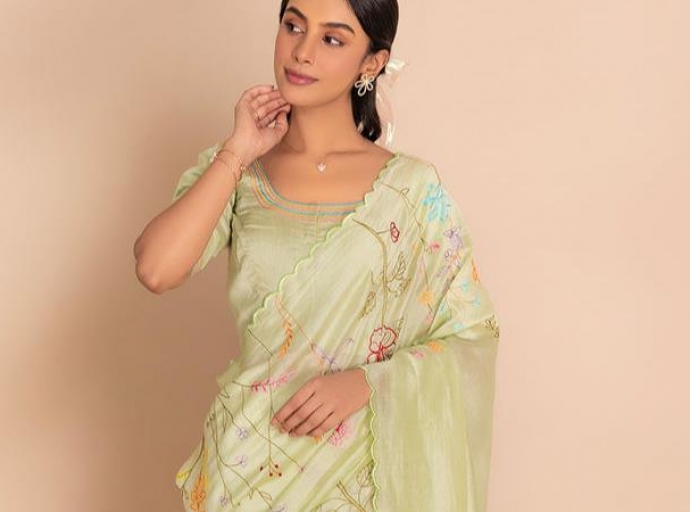
Aditya Birla Fashion and Retail (ABFRL) has initiated a significant leadership consolidation to streamline its burgeoning ethnic wear portfolio. Following the resignation of Anant Kumar Daga as CEO of the TCNS Division, effective April 30, 2026, the company has re-designated Sooraj Bhat to oversee both the Ethnic Business and TCNS operations starting May 1. This move marks a definitive shift toward integrating the acquired TCNS brands - including W, Aurelia, and Wishful - more closely with ABFRL’s in-house designer and premium labels like Sabyasachi, Tarun Tahiliani, and Tasva. By centralizing authority under Bhat, an ABFRL veteran of over 24 years, the group aims to extract greater operational efficiencies and capitalize on the 11 per cent Y-o-Y revenue growth recently reported in its ethnic portfolio.

Publications Portfolio

Scaling toward Rs 5,000 crore revenue target

The restructuring comes at a critical juncture as ABFRL pursues an ambitious ethnic wear revenue target of Rs 5,000 crore by FY27. Despite a 13 per cent rise in overall Q2 FY26 revenues to Rs 1,982 crore, the company has faced challenges with consolidated net losses and fluctuating stock performance. Bhat’s appointment is strategically timed to stabilize margins in the TCNS segment, which were projected to reach low double digits by FY25. Leveraging his previous experience as Deputy CEO, Pantaloons and CEO, Fast Fashion, Bhat is tasked with navigating a highly competitive mid-market segment while maintaining the 20 per cent like-to-like growth momentum seen in the designer portfolio.

READ OUR LATEST NEWS

The transition signifies ABFRL’s commitment to a leaner, more agile structure as it scales its 7.5 million square foot retail footprint.

ABFRL is a premier Indian retailer managing a multi-format portfolio across Western brands (Van Heusen, Allen Solly), lifestyle retail (Pantaloons), and luxury labels. With a recent focus on high-growth ethnic wear and digital-first ventures through TMRW, the company aims to surpass Rs 21,000 crore in revenue by 2026, building on its decade-long history of aggressive brand acquisitions.

LATEST FASHION NEWS

ABFRL

Latest Publications

Image

Join Our Group

Join Our Group