
Homegrown sportswear brands race ahead as India’s activewear market tops $10 bn
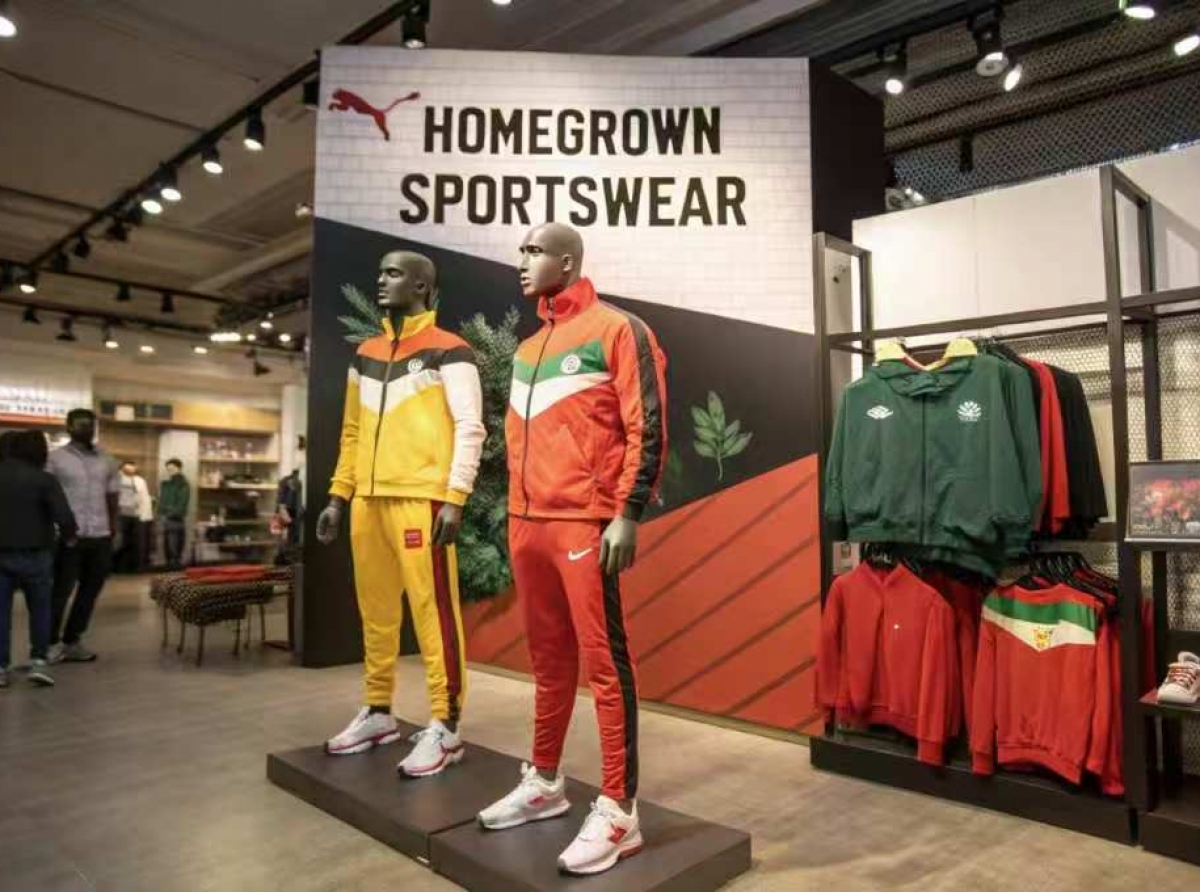
India's organized sportswear and athleisure market has crossed the $10.69 billion mark in 2025, signalling a major shift in the country's apparel sector. Growing health awareness, participation in fitness activities and increasing demand for affordable performance wear are enabling domestic brands to challenge global sportswear brands that once dominated the market.
Unlike premium global brand that built their presence in metros, homegrown and digitally native brands are growing rapidly by offering products tailored to Indian consumers, combining functional fabrics with accessible pricing. Data from TechSci Research and Deep Market Insights suggests India's activewear market is growing faster than many global markets as millions of consumers enter the organised fitness economy.
Growth outlook
The market is expected to maintain steady momentum over the next decade, with women's activewear emerging as the fastest-growing category.
Table: Market and forecast (2025-34)
|
Market indicator |
Baseline (2025) |
Projected (2034) |
Compounding Annual Growth Rate (CAGR) |
|
Total Sportswear Valuation |
$10.69 nn |
$16.65 bn |
5.04% |
|
Athleisure Core Segment |
$13.87 nn |
$22.36 bn |
5.28% |
|
India Women's Activewear Volume |
$11.25 bn |
$19.96 bn |
6.57% |
|
Men's Apparel Market Share |
59.84% |
Sustained Volume |
Stable Volume Intake |
|
Footwear Component Share |
55.74% |
Category Lead |
High Replacement Velocity |
Women drive the next wave
While men's apparel continues to account for nearly 60 per cent of the market, women's activewear has become the industry's fastest-growing segment. Consumers prefer apparel that seamlessly transitions from gym sessions to work and casual settings, boosting demand for leggings, sports bras, joggers and performance tops made from moisture-wicking and stretch fabrics.
Growth is also being supported by government initiatives promoting sports participation. Increased investment under the Khelo India Mission is increasing grassroots sports infrastructure, encouraging greater participation among women and creating fresh demand for performance apparel beyond metropolitan markets. E-commerce platforms are responding by increasing assortments of functional activewear and launch of products designed specifically for Indian consumers.
Looking beyond the metro
Growth is being driven by smaller cities. Tier-II and Tier-III markets recorded around 21 per cent year-on-year growth in online sportswear purchases during peak shopping seasons, reflecting rising disposable incomes and expanding internet access. However, this opportunity comes with operational challenges. Brands must build efficient distribution networks while competing against counterfeit products and highly price-sensitive consumers.
Domestic companies enjoy significant advantage because they operate at lower price points than international competitors. Younger shoppers are increasingly prioritising design, comfort and value over legacy brand names, allowing Indian labels to gain market share by delivering premium-looking products at affordable prices.
With India's internet subscriber base exceeding 954 million, digital commerce has become the primary discovery channel for emerging sportswear brands. Direct-to-consumer (D2C) strategies are enabling local companies to reach consumers nationwide without relying heavily on traditional retail networks.
D2C brands advantage
Emerging sportswear brand Arcley showcases how vertically integrated distribution can improve competitiveness. By selling directly to consumers instead of depending on multiple wholesale layers, the company reduces distribution costs and reinvests savings into product innovation, material testing and sizing designed specifically for Indian body types.
The D2C model also offers immediate access to consumer data, allowing brands to respond quickly to changing fashion preferences and optimise inventory. This agility has become increasingly important as younger consumers experiment with newer brands rather than remaining loyal to established international labels. "The new generation of active consumers demands an immediate association with fresh, agile market entrants," explains Sunil Anchal, Chief Executive Officer of Arcley. "Establishing customised distribution lines structured around domestic financial realities provides local brands with an enduring defensive perimeter against global competition. If a new entrant matches core functional expectations, there is massive runway to build permanent equity in the domestic landscape."
India's sportswear industry is entering a new phase where affordability, digital reach and local product innovation are becoming stronger competitive advantages than global brand heritage. As the market moves toward an estimated $16.65 billion by 2034, domestic brands are well positioned to capture a larger share of growth by aligning product design, pricing and distribution with India's evolving consumer base.
For legacy global players, competing in India will require localisation rather than relying solely on premium positioning. For homegrown brands, the country's expanding fitness economy offers an opportunity to build enduring national brands in one of the world's fastest-growing activewear markets.










 Get in Touch!
