
CMAI festive campaign to bridge retail demand with production ecosystems
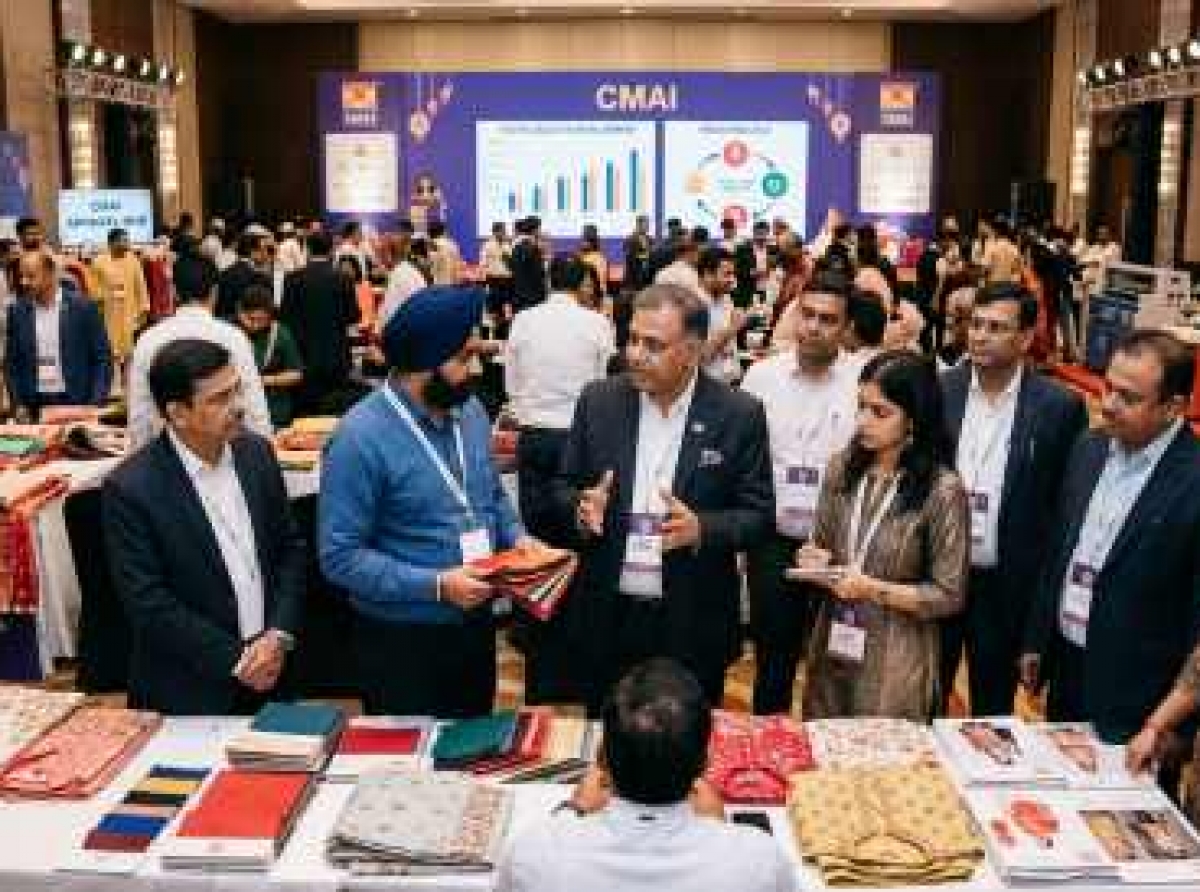
India’s domestic apparel sector is leveraging peak festive demand to restructure its value chain, shifting focus from seasonal retail metrics to long-term manufacturing capacity. With the broader domestic textile market projected to reach $277 billion, industry bodies are aligning consumer spending with structural growth across manufacturing and distribution networks.
The newly released festive campaign by Clothing Manufacturers Association of India (CMAI), ‘Is Tyohaar, Khushiyan Baantiye,’ aims to bridge retail demand with upstream production ecosystems. Domestic apparel sales - which account for roughly 72 per cent of India's total footwear and apparel market - rely heavily on Q3 order volumes to sustain Tier-II and Tier-III manufacturing hubs. Early festive figures indicate a 22 per cent–25 per cent Y-o-Y rise in fashion category gross merchandise value (GMV), driven by expanding production capabilities and increased non-metro consumption.
Festive demand acts as a essential engine for production cycles, directly impacting employment and capacity utilization, says Santosh Katariya, President, CMAI.
High raw material volatility and inventory management remain operational hurdles. However, expanding organized retail footprint and policy interventions like the PLI scheme present significant tailwinds for domestic apparel manufacturers seeking scale.
Established over six decades ago, CMAI represents India’s apparel sector through 7,000 members and a network of 50,000 retailers. Operating across domestic and export markets, the association targets sustainable manufacturing through its SU.RE initiative while driving capacity expansion across garment hubs.











 Get in Touch!

