
Tier-II youth and lifestyle demands drive e-commerce fashion growth
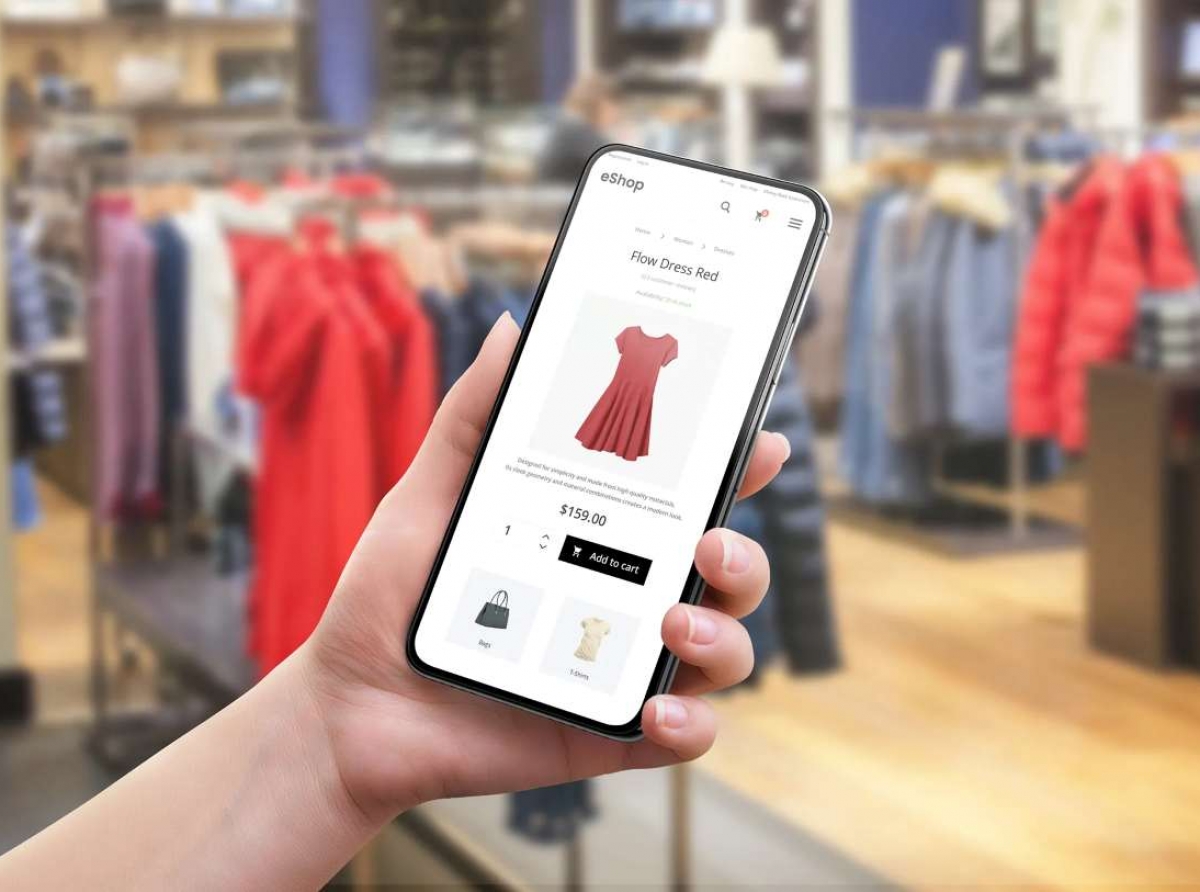
Festive season retail across India experienced a structural shift toward fashion and personal lifestyle products during the recent shopping window. Category-level data indicates that lifestyle product buyers surged 12.5 per cent Y-o-Y, while beauty and personal grooming recorded a 40 per cent expansion in buyer participation. Industry estimations indicate overall festive order volumes across platforms increased by 20 per cent to 22 per cent, supported by high customer retention where nearly nine out of ten initial visitors returned to complete purchases.
Gen Z and regional hubs expand market share
Demographic dynamics reveal an evolving consumer profile across apparel e-commerce. Gen Z buyers constituted nearly 50 per cent of the active shopper base, while Tier-II and non-metro cities represented approximately 60 per cent of total transactions. Urban centers such as Nagpur, Jabalpur, Meerut, and Chhatrapati Sambhajinagar demonstrated significant increases in basket size, moving beyond core essentials into fashion-forward wardrobe refreshes and lifestyle merchandise.
Younger demographics across non-metro markets are no longer viewing online retail as a discount channel, but as their primary venue for trend discovery and premium apparel access, noted Aakash Verma, Senior Retail Analyst at Retail Intelligence Group.
Case study: Trend-first apparel distribution
A regional fashion vendor based out of Surat logged a 3.5x jump in ethnic wear and fast-fashion orders during the peak event window, driven by demand from Tier-III clusters. By leveraging localized fulfillment nodes and inventory positioning ahead of the festive rush, the brand achieved next-day delivery rates in smaller towns, illustrating how hyper-local supply chain management enables apparel scale during peak commerce cycles.
Flipkart operates as a major Indian e-commerce marketplace specializing in electronics, apparel, lifestyle products, and home essentials. Dominating non-metro retail channels, the enterprise actively targets Tier-II and Tier-III markets to drive platform scaling and long-term user acquisition. Supported by robust operational performance, the company narrowed consolidated losses while posting an 18 per cent revenue expansion in FY26. Originally established in 2007 as an online bookstore, the platform has scaled into an integrated digital retail ecosystem.











 Get in Touch!

