
Designer labels move beyond couture to build global ready-to-wear businesses
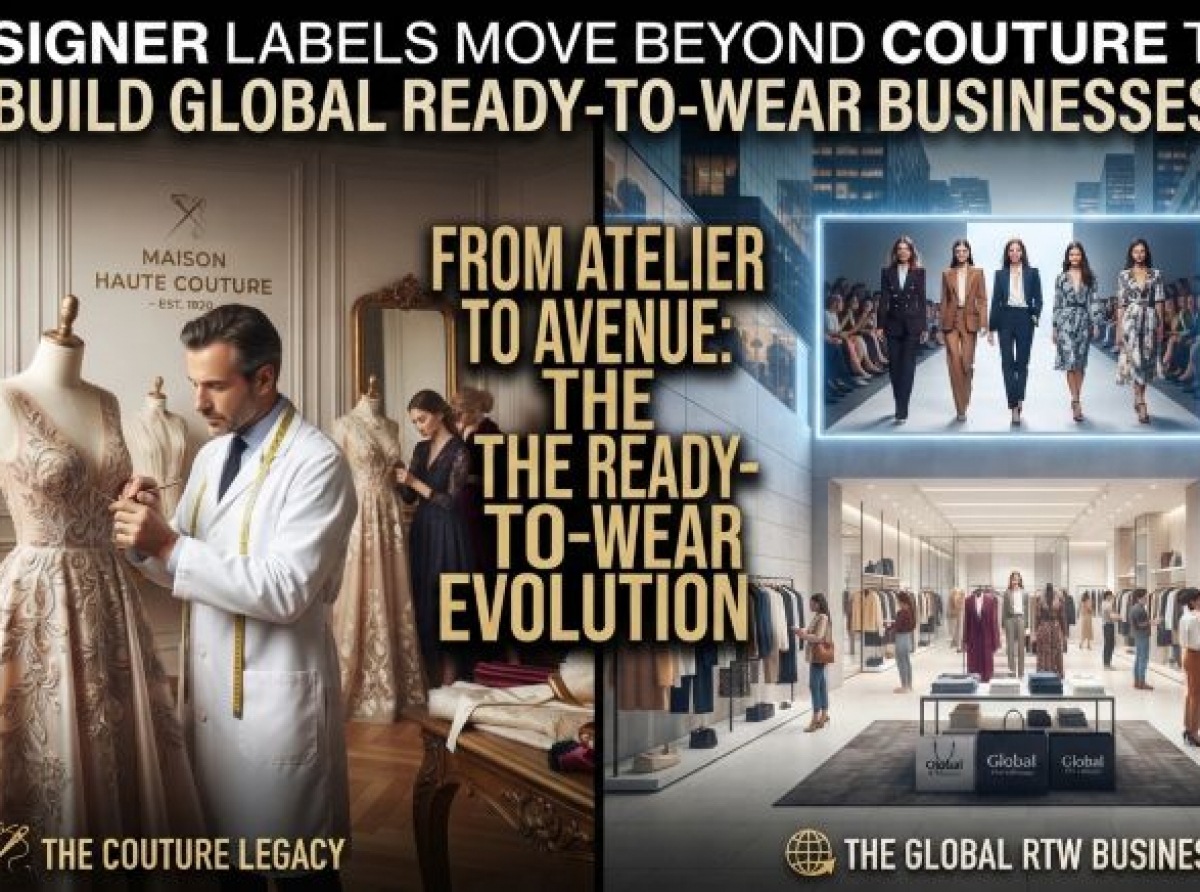
Indian fashion designers are reworking their business models to reduce dependence on ceremonial wear and build more scalable ready-to-wear businesses. The shift is bringing everyday clothing, international licensing partnerships and overseas wholesale distribution into sharper focus, as labels seek more consistent sales beyond the wedding calendar.
Péro’s Spring 2027 collection, Dream Dress-up, by designer Aneeth Arora, showcased at Lakmé Fashion Week in partnership with the Fashion Design Council of India (FDCI), showcases this shift. Developed in collaboration with Mattel’s Barbie franchise, the collection moved away from conventional bridal couture, elaborate zardozi and ornate lehengas. Instead, it featured handwoven textiles fashioned into casual separates, retro-inspired workwear and easy layers.
The strategy reflects a commercial imperative. India’s wedding and occasion-wear market remains substantial, valued at approximately Rs 2 lakh crore in FY26, but its seasonality and bespoke production requirements can constrain inventory turnover and cash flow. Ready-to-wear offers designers an opportunity to build repeat purchases, widen their customer base and generate sales throughout the year.
India’s luxury goods market, estimated at $11.25 billion in 2026 and projected to reach $16.12 billion by 2032, offers an expanding opportunity. Apparel and clothing account for a significant share of this market, encouraging designers to develop products that combine distinctive Indian craftsmanship with contemporary international styling.
Wholesale beats store-heavy growth
The move towards ready-to-wear is also changing how designers approach retail expansion. Establishing monobrand stores in premium locations can strengthen brand identity and customer engagement, but high rentals, fit-out costs and limited luxury retail infrastructure make rapid expansion expensive for independent labels.
Péro’s debut monobrand boutique, Pérodise, in New Delhi’s Lodhi Colony reflects a more selective approach to physical retail. Rather than relying exclusively on large shopping centres, the label has chosen an independent high-street location suited to its craft-led positioning.
The business combines this direct retail presence with an international wholesale network spanning approximately 350 multi-brand stockists and specialty boutiques across 35 countries. The model gives Péro access to overseas customers without requiring the capital investment associated with operating company-owned stores in every market.
For independent designers, wholesale distribution can give geographical diversification and wider market access. However, it also brings payment-cycle risks, inventory commitments and the need to meet buyers’ delivery schedules. Managing these obligations is critical when products depend on handloom weaving, specialist dyeing and decentralised artisan production.
Corporate capital changes the game
The push towards commercially scalable collections has widened the divide between independent design houses and labels backed by large retail groups. Reliance Brands and Aditya Birla Fashion and Retail Limited (ABFRL) have invested in established Indian designers, including Sabyasachi, Manish Malhotra, Tarun Tahiliani, and Shantnu & Nikhil. Such partnerships give access to capital, distribution infrastructure and professional retail management, helping designers expand beyond bespoke couture.
The financial scale of leading designer businesses underscores the opportunity. Sabyasachi Calcutta LLP reported revenue of Rs 645.37 crore in FY26, while ABFRL’s designer-led portfolio generated approximately Rs 800 crore in FY25, according to the figures cited.
Corporate-backed initiatives such as TASVA, developed by ABFRL and Tarun Tahiliani, also shows how established design identities can be extended into more accessible premium categories. Independent labels face a different equation. Without comparable financial resources, they must prioritise distinctive design, controlled expansion and efficient inventory management rather than compete directly on store count. Textile expertise, craft-led differentiation and international distribution can provide an alternative route to growth.
Indian design goes global
The changing business model is also reshaping India’s position in the global fashion value chain. Indian manufacturers have long supplied labour-intensive embroidery, embellishment and contract production for overseas brands. Increasingly, homegrown designers are seeking international recognition under their own labels, shifting the commercial proposition from production capability to creative ownership.
Menswear label Kartik Research’s guest designer presentation at Pitti Uomo in Florence and Amit Aggarwal’s international retail presence illustrate the growing visibility of Indian design beyond the domestic market.
Collaborations with global intellectual-property owners offer another route to international reach. Péro’s Barbie partnership brings together a recognisable global franchise and the label’s handwoven textile expertise, potentially introducing its craft-led aesthetic to a wider audience.
The challenge is converting visibility into repeatable revenue. International department stores typically operate on defined delivery windows, pricing expectations and inventory-clearance schedules. These requirements can conflict with the longer lead times associated with artisan-led production.
Design houses therefore need tighter SKU planning, reliable production calendars, disciplined inventory clearances and adequate working-capital facilities to fulfil wholesale orders without putting margins under pressure.
Building beyond occasion wear
India’s growing affluent consumer base and demand for differentiated premium products give a foundation for expansion. But the next stage of growth will depend on whether designers can translate creative distinction into commercially repeatable collections.
For Péro, founded in 2009, handwoven Indian textiles remain central to its ready-to-wear proposition. Its combination of a domestic flagship, overseas wholesale distribution and international licensing partnerships offers a model for expanding without depending entirely on capital-intensive retail networks.
The larger shift is from treating Indian design primarily as an exclusive ceremonial purchase to building brands with year-round relevance. Labels that balance craftsmanship with pricing discipline, distribution reach and dependable delivery will be better positioned to turn global interest in Indian fashion into sustainable business growth.










 Get in Touch!

