All Stories

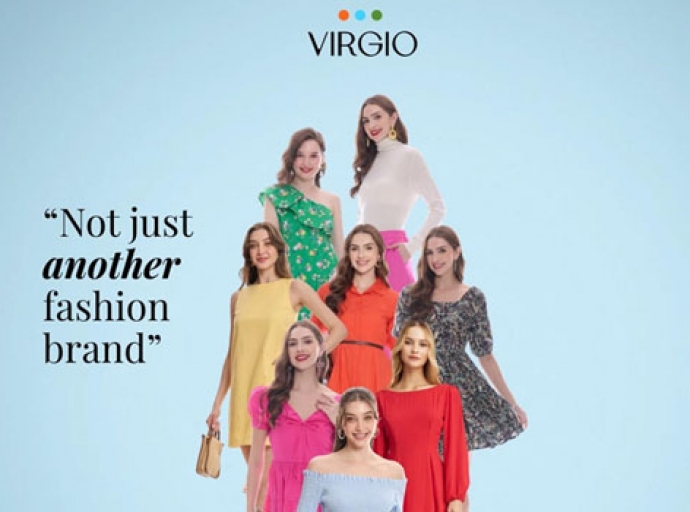
Virgio targets fast fashion churn with tech-led clean fashion movement

Bengaluru-based fashion-tech venture Virgio has formally launched its ‘Clean Fashion’ movement, a strategic initiative designed to decouple trend-driven retail from environmental degradation.In a radical departure from the high-volume, low-durability models that define global fast fashion, the brand is leveraging its proprietary fashion-tech infrastructure to implement a demand-driven production system.This structural shift addresses a critical industry pain point: the 8–10 month lag in traditional manufacturing that often results in significant inventory waste.By integrating predictive analytics and real-time social media trend mapping, Virgio has compressed the design-to-delivery cycle into a matter of weeks, enabling small-batch drops that align precisely with consumer demand.

Metric-driven circularity and utility

Central to the brand’s 2026 expansion is a pivot toward ‘cost-per-wear’ as a primary value proposition. Amar Nagaram, Founder, Virgio and former CEO, Myntra, argues, the most effective environmental intervention is the drastic reduction of wardrobe churn. The new collections utilize high-quality conscious fabrics - including TruLinen and TruCotton - which are engineered for longevity and seasonless versatility.To boost transparency, each garment now features a Digital Fashion Passport, allowing shoppers to scan a tag to track the entire production journey.Transparency and accountability must become the norm, Nagaram noted, emphasizing that the brand aims to make conscious consumption effortless through technical quality rather than surface-level marketing.

Capital efficiency and market outlook

Having secured over Rs 300 crore in Series A funding from investors including Accel and Prosus Ventures, Virgio is currently valued at approximately Rs 1,300 crore. The company is targeting an annual revenue of Rs 120–150 crore as it scales its operations across major Indian urban centers. This growth comes at a time when the Indian sustainable fashion market is projected to reach $1.6 billion by 2033, growing at a CAGR of nearly 22 per cent. By focusing on high-def fabric detailing and a digital-first shopping experience, Virgio is positioning itself to capture the rapidly growing segment of Gen Z and millennial consumers who prioritize authenticity and intentionality in their sartorial choices.
Virgio targets fast fashion churn with tech-led clean fashion movement

ICW 2025: Highlights dominance of bridal couture in Indian fashion

Held from July 23-30 in New Delhi, India Couture Week (ICW) 2025 highlighted the dominance of bridal couture in Indian fashion, solidifying its status as the premier event for elaborate and meticulously crafted wedding wear.

Read our latest issue

Organized by the Fashion Design Council of India (FDCI) in partnership with Hyundai India and Reliance Brands, this week-long extravangaza featured 14 celebrated designers, all keenly focused on reimagining traditional Indian bridal aesthetics for the modern bride.

KNOW MORE

Designers masterfully blended heritage techniques with contemporary silhouettes.

This included traditional embroideries like zardozi, aari, naqshi, dabka, and fareesha, applied to fresh cuts and drapes. The goal was to honor India's rich textile legacy while appealing to today's expressive and comfort-conscious brides.

Fashion Guru

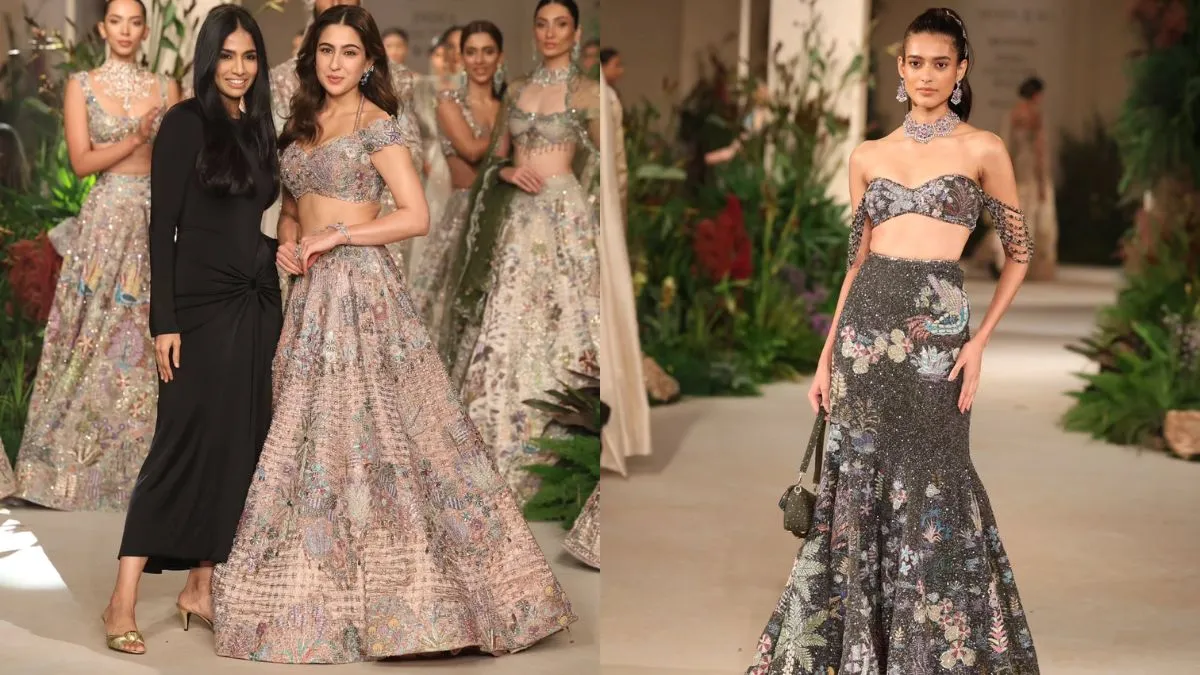
Textural richness and embellishment were paramount as Designer Rahul Mishra presented intricate pointillist embroidery, while Suneet Varma went for maximal bling with Swarovski crystals and mirror work.

Falguni Shane Peacock continued their signature maximalism with shimmering foil appliqué and intricate silk-thread embroidery, often paired with dramatic veils.

While lehengas remained central, designers explored variations. Jayanti Reddy showcased fish-cut lehengas with saree-style pleats, offering a fresh take.

Join our group 

Tarun Tahiliani's ‘Quintessence" collection featured lightweight, flowing lehengas and concept sarees, even incorporating traditional techniques into jumpsuits and dresses for broader wearability.

Corsetry also made a prominent appearance, reimagined with layering by designers like Rose Room by Isha Jajodia and Tarun Tahiliani.

Visit for more

Color palettes ranged from ethereal pastels and soft golds to rich jewel tones. Ivory, blush pink, and subtle metallics were seen alongside deep reds, sapphire, emerald, and coral, catering to diverse bridal preferences.

Liz Paul continued her "multicolor bridal revolution" with vibrant palettes.

Join our community

Beyond the aesthetics, an underlying industry shift towards thoughtful details and artisanal craftsmanship was evident.

This focus on timeless pieces inherently promotes longevity and value, nodding to a form of sustainability.

DFU Profile

Celebrity showstoppers brought the bridal narratives to life. Tamannaah Bhatia walked for Rahul Mishra, Janhvi Kapoor for Jayanti Reddy, and Sara Ali Khan and Khushi Kapoor for Aisha Rao and Rimzim Dadu, respectively, amplifying the bridal focus.

Designers like Tarun Tahiliani, celebrating 30 years in fashion, continued to refine his "India Modern" aesthetic, balancing opulence with fluidity. Shantnu & Nikhil also contributed with their reimagined menswear, hinting at evolving styles for grooms.

LATEST FASHION NEWS

BridalCouture

مجموعات فرعية

Latest Publications

Image

Join Our Group

Join Our Group