
Apparel retailers focus on festive sourcing at 83rd CMAI National Garment Fair
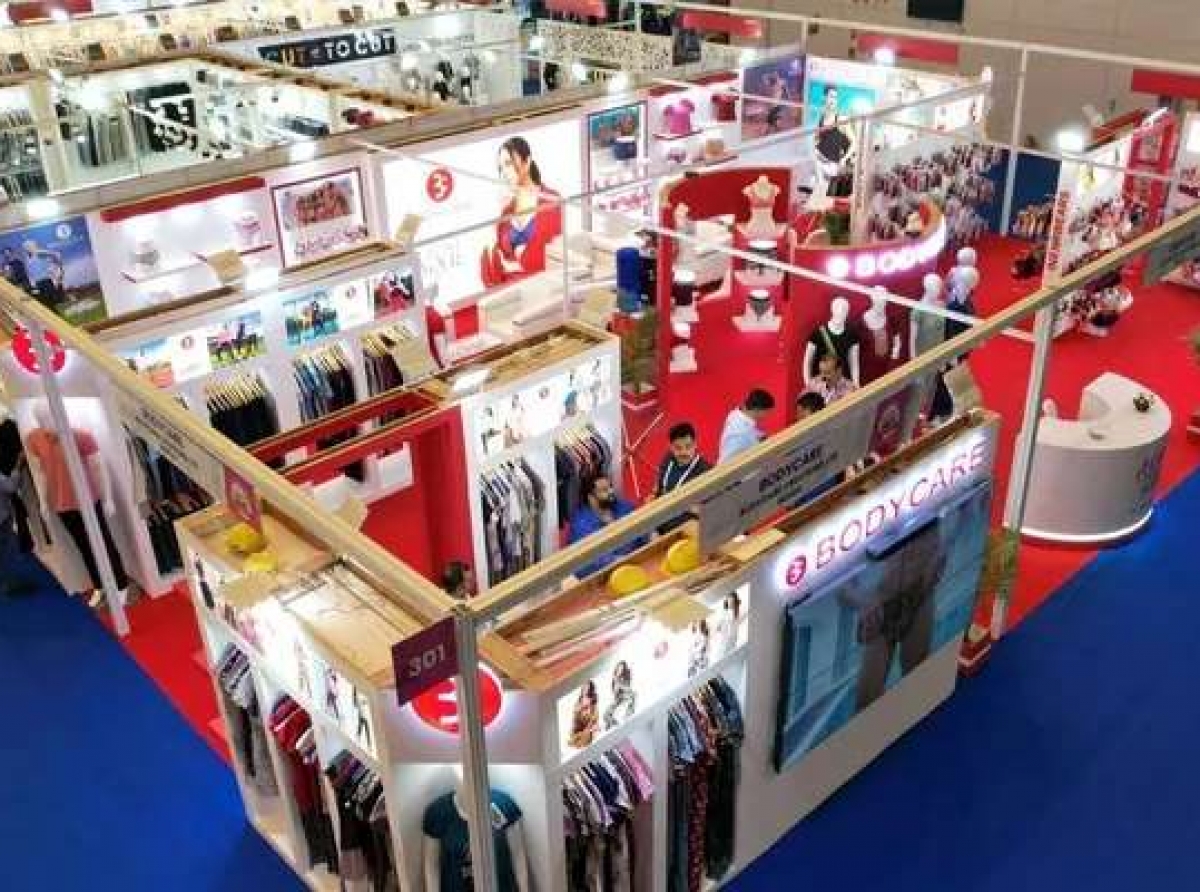
The Indian apparel industry is bracing for a high-velocity festive and wedding season as the Clothing Manufacturers Association of India (CMAI) prepares to host the second phase of its 83rd National Garment Fair (NGF). Commencing on July 13, 2026, the three-day trade exhibition will utilize a twin-venue strategy in Mumbai, with the women’s wear segment at the Bombay Exhibition Center in Goregaon and the menswear segment at the MMRDA Grounds in Bandra-Kurla Complex. With over 960 brands participating, the fair serves as a critical B2B anchor for an industry currently riding a 12 per cent year-on-year growth trajectory in the apparel category, according to the Retailers Association of India.
Strategic alignment with evolving consumer demand
The 83rd NGF arrives at a period of structural recalibration, where traditional festive demand is increasingly intertwined with digital-first retail and regional brand proliferation. Market analysts suggest, while luxury consumption remains concentrated in Tier-I markets, the next phase of growth is being spearheaded by non-metro cities, where consumers are increasingly prioritizing ‘value-based’ fashion that balances aesthetic appeal with functionality. Santosh Katariya, President, CMAI, emphasizes, this edition is specifically curated to equip retailers with product ranges that address the modern Indian consumer's demand for sustainable manufacturing and rapid-response fashion, ensuring that brands can effectively navigate the shifting complexities of the post-festive retail landscape.
Operational resilience in a competitive market
Amid rising input costs and shifting geopolitical logistics, the NGF continues to provide a necessary platform for manufacturers to stabilize supply chains ahead of peak seasonal consumption. By facilitating direct interactions between 25,000+ pan-India buyers and a diverse roster of brands - ranging from established names like Liva and Turtle to rising regional labels—CMAI is fostering an ecosystem of collaboration. To streamline this massive sourcing operation, the association has introduced comprehensive logistical support, including dedicated shuttle networks and inter-venue connectivity, acknowledging that ease of trade is now as vital to retailers as the collections themselves. As the industry looks toward the 2030 export targets, this trade fair represents a definitive step toward professionalizing the domestic supply chain for long-term scalability.
Established over 63 years ago, CMAI is the premier representative body for India’s apparel sector, encompassing manufacturers, exporters, and brands. Beyond hosting national trade fairs, the association actively advocates for industry policy, promotes ESG-compliant manufacturing, and represents India’s apparel trade interests at international forums like the International Apparel Federation.










 Get in Touch!
