
Independence Day sales signal strong festive rebound for Indian retail
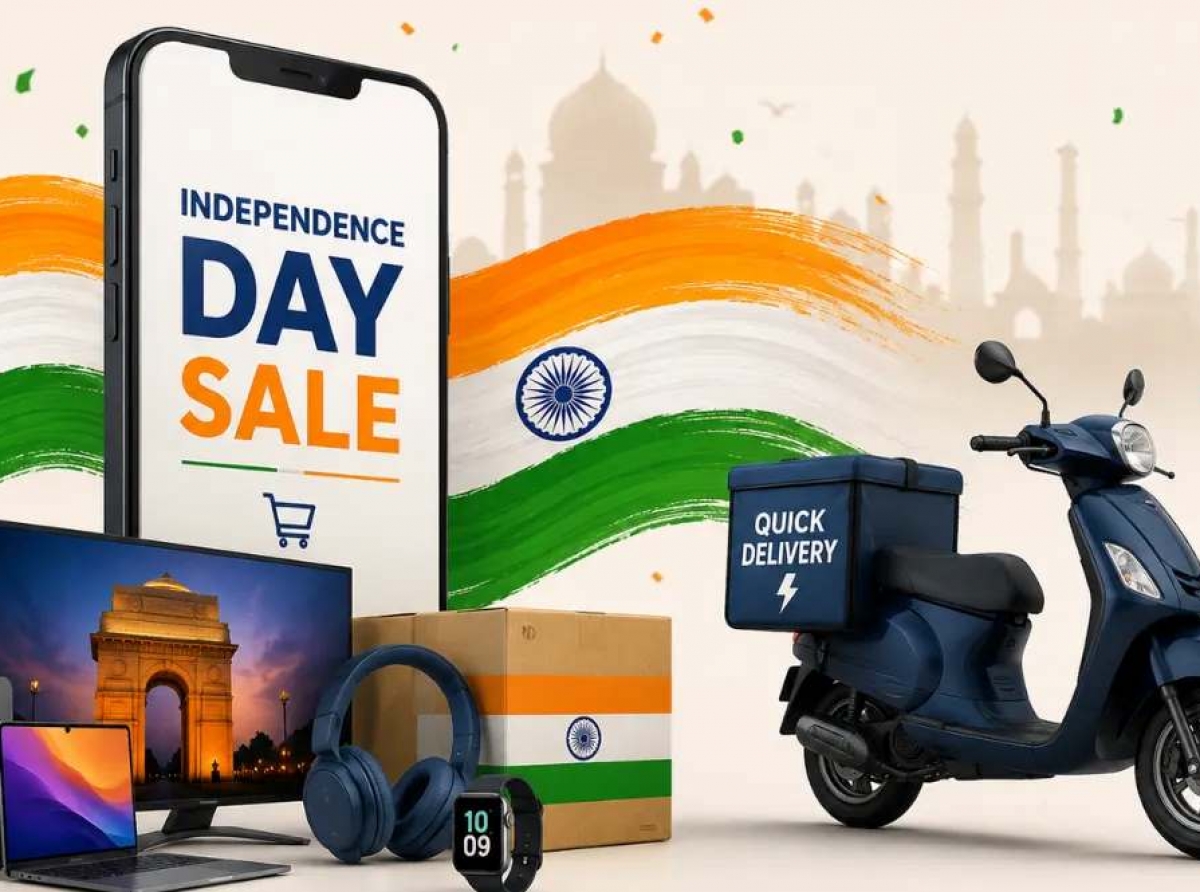
Indian fashion and lifestyle retailers recorded strong sales over the Independence Day shopping weekend, outperforming internal projections and putting a sluggish first half of the calendar year firmly behind them. Retailers across apparel, department stores, electronics and digital marketplaces reported sales growth of up to 25 per cent year-on-year, while overall unit volumes increased by around 5-7 per cent. The improvement is significant because it points to a recovery in actual consumption rather than growth driven mainly by inflation or higher ticket prices.
The rebound follows a relatively weak first half of the calendar year, when higher household expenses, cautious discretionary spending and supply-chain disruptions linked to geopolitical tensions weighed on retail demand. For organised retailers, the Independence Day period therefore served as an early indicator of whether consumers were prepared to loosen their wallets ahead of Onam, Dussehra and Diwali.
Footfalls replace discounting
The most important shift is taking place in fashion retail. Brands have become more cautious about using deep promotions to generate sales. Instead of replicating earlier end-of-season sale strategies, apparel retailers reportedly capped discounts at around 50 per cent on selected merchandise. This allowed them to clear transitional inventory without aggressively sacrificing gross margins. The distinction matters. A retail recovery driven by heavy markdowns can lift billing but weaken profit. A recovery led by higher store traffic and unit sales is more sustainable.
Department stores have been among the key beneficiaries. For examokem Lifestyle International reported double-digit growth during the Independence Day period, supported by stronger footfalls across malls and high streets. Devarajan Iyer, CEO, Lifestyle International says consumer sentiment have improved and sales increase is being driven by volumes rather than merely higher billing values. The trend suggests that shoppers who had postponed discretionary purchases are beginning to return, particularly as retailers enter the peak consumption quarter.
Premium products gain ground
The recovery is not limited to mass-market categories. Electronics retail is seeing an even stronger premiumisation trend. Vijay Sales recorded over 20 per cent growth in value sales, while volumes rose about 5 per cent. Haier India reported a 45-50 per cent increase in value demand and a 30-35 per cent rise in volumes, driven by products such as large-screen televisions and side-by-side refrigerators. This gap between value and volume growth indicates that consumers are willing to spend more on selected categories, even while remaining cautious elsewhere.
The development could be important for retailers heading into the festive quarter. Premium products generally offer stronger absolute revenue per transaction and can improve overall retail productivity, provided inventory is aligned with demand.
Online mirrors offline
The recovery is also visible across e-commerce, suggesting that the improvement is not confined to physical retail. Amazon India reported demand doubling from baseline run rates across fashion, beauty and consumer electronics during the holiday period. Flipkart also recorded high double-digit growth across fashion and home categories, while selected smartphones and appliances sold out rapidly.
The intermingling of online and offline demand is particularly relevant for fashion retailers. Physical stores remain critical for discovery, trial and festive purchases, while marketplaces provide scale and promotional reach. Rather than competing for the same consumer, both channels are functioning as complementary components of the same festive sales funnel.
Mobile retail provides another indication of improving consumer confidence. Multi-brand mobile retail chains recorded value growth of 35-45 per cent, with consumers moving towards higher-priced devices.
The trend suggests that discretionary spending is returning selectively. Consumers may still be cautious about routine purchases, but major replacement categories are benefiting when promotions, financing and product upgrades coincide. For retailers, this creates an opportunity to increase average transaction values without depending entirely on steep price reductions.
Lean stocks improve festive outlook
Perhaps the biggest advantage for retailers entering the festive season is inventory discipline. The strong Independence Day performance has come at a time when retailers are carrying relatively leaner inventories. This reduces the likelihood of aggressive clearance activity later in the season and improves working-capital efficiency. The TV category reveals the dynamic. Super Plastronics reportedly sold out its TVs across Amazon and Flipkart and registered 14 per cent year-on-year growth. The company indicated that growth could have reached 20% if additional inventory had been available. That constraint is significant. When demand exceeds available inventory the limiting factor shifts from consumer willingness to spend to retailers' ability to replenish.
For fashion retailers, however, the challenge will be more complex. Festive apparel requires much tighter assortment planning because missed demand cannot always be recovered after a particular celebration or fashion cycle has passed.
Festive quarter looks positive
The Independence Day weekend does not guarantee a uniformly strong festive season. But the combination of higher footfalls, rising unit volumes, premiumisation and controlled markdowns gives a healthier starting point than retailers had at the beginning of the year. The key question is: if this momentum can sustain through Onam, Dussehra and Diwali.
If it does, India's organised retail sector could finish the year with a meaningful shift in growth quality, from discount-led billing expansion to volume-led consumption growth. For fashion and lifestyle retailers, that would be particularly valuable. After a period where inventory management and promotions dominated operating decisions, the festive season could restore the most important retail metric of all: consumers walking into stores and buying more.










 Get in Touch!
