
Flipkart to strengthen market position with focus on seller retention

Flipkart aims to strengthen its market position by prioritizing seller retention. The e-commerce company has extended its zero-commission policy to the entire fashion category to enable approximately 90,000 transacting sellers to retain their full margins across every fashion segment. This strategic decision serves as a significant capital injection for the merchant ecosystem, allowing homegrown brands, micro, small, and medium enterprises (MSMEs), and direct-to-consumer (D2C) labels to reinvest revenue into product innovation, inventory expansion, and brand development. By prioritizing seller retention, the platform aims to strengthen its competitive positioning against regional retail rivals while catering to a rapidly evolving consumer base.
Data-driven retail empowerment
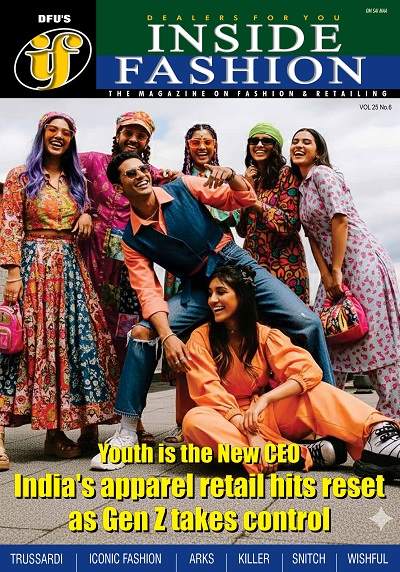
The initiative is deeply integrated with the platform’s advanced seller dashboard, which now provides merchants with AI-powered demand insights and trend analytics. This technological support is particularly vital as Gen Z consumers, who currently constitute nearly half of the platform’s fashion audience, drive a shift toward fast-changing lifestyle trends. By extending this seller-first initiative across the entire fashion category, we are making a long-term investment in our sellers so they can invest more confidently in innovation, assortment expansion, and brand building, notes Kapil Thirani, Vice President, Flipkart Fashion. This ecosystem approach ensures that merchants can respond to localized demand fluctuations with greater agility, ultimately providing consumers with a more diversified and premium product selection.
Supporting a vast network of sellers
Founded in 2007, Flipkart is a leading Indian e-commerce marketplace serving over 500 million registered users. The platform supports a vast network of 1.4 million sellers across categories including fashion, electronics, and home essentials. Current initiatives prioritize digital empowerment for MSMEs, quick commerce expansion, and sustainable supply chain growth.










 Get in Touch!
