All Stories

Domestic apparel brands drive 20 per cent growth in Indian retail real estate demand

Organized retail space absorption across India reached approximately 3.9 million sq ft in H1, FY26, marking a 20 per cent Y-o-Y expansion. According to real estate advisory findings from CBRE, the fashion and apparel sector retained its dominance as the single largest growth driver, capturing nearly 40 per cent of overall retail leasing activity. Growth was particularly pronounced in Tier-II commercial hubs, where apparel brands accounted for 69 per cent of total retail space take-up in cities like Chandigarh and Jaipur, and 65 per cent in Kochi. High-street store optimization and department store expansions led the charge, supported by strong consumer demand for athleisure, mid-range clothing, and hybrid casualwear lines.

D2C platforms and domestic giants offset high commercial rents

While escalating prime mall rents and tight Grade-A retail supply present operational headwinds, domestic retailers accounted for over 70 per cent of total H1 2026 leasing activity. Notably, direct-to-consumer (D2C) apparel brands represented 28 per cent of physical store absorption as online platforms establish brick-and-mortar storefronts to reduce customer acquisition costs. Retailers today are making sharper, more considered choices about where and how they expand, building a more resilient, long-term retail sector, states Anshuman Magazine, Chairman & CEO – India, South-East Asia, Middle East & North Africa, CBRE.

Commercial real estate enterprise tracks retail real estate expansion

A Fortune 500 real estate services and investment firm, CBRE Group, Inc provides market intelligence, property management, and retail leasing advisory across global commercial centers. Operating across major Asian, European, and American retail markets, the consultancy advises institutional developers and international fashion conglomerates on retail footprint expansion and store site selection.

Domestic apparel brands drive 20 per cent growth in Indian retail real estate demand

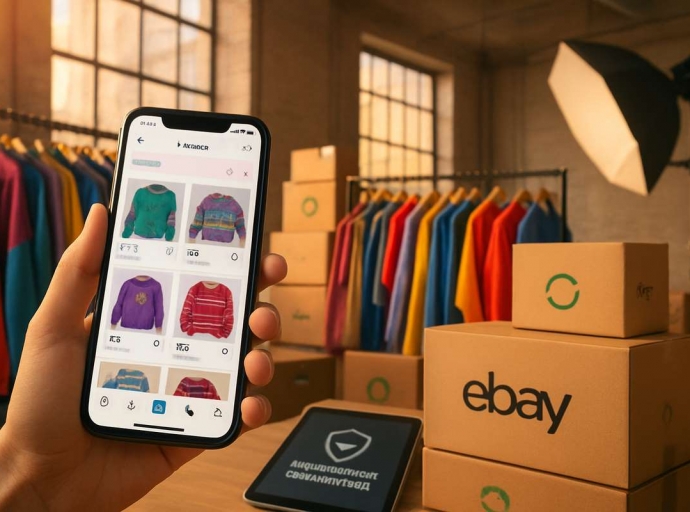
eBay finalizes Depop acquisition to secure Gen Z recommerce dominance

Marketplace giant eBay has finalized its $1.2 billion cash acquisition of social fashion platform Depop. The strategic integration boosts eBay’s positioning within the global recommerce sector, directly targeting younger demographics as circular fashion spending accelerates across Western markets. Having generated $1.07 billion in gross merchandise sales across 7 million active buyers, Depop with nearly 90 per cent under age 34, will continue operating as an independent subsidiary. The deal enables eBay to merge its logistics, verification, and payment infrastructure with Depop’s social discovery interface, creating an end-to-end peer-to-peer ecosystem for vintage, streetwear, and circular apparel.

Digital discovery ecosystems counter rising customer acquisition costs

Acquiring specialized resale channels offers established e-commerce operators a lower-cost path to acquire digitally native consumers compared to traditional digital marketing. While compliance overhead and cross-border shipping logistics present near-term operational complexities, social commerce mechanics enhance repeat transaction frequency. Combining Depop’s community-driven platform with eBay’s global infrastructure strengthens our overall

value proposition and expands our reach with the next generation of fashion buyers and sellers, states Jamie Iannone, CEO, eBay.

Global e-commerce marketplace operator drives circular fashion growth

Founded in 1995 in San Jose, California, eBay Inc. operates a global C2C and B2C marketplace connecting over 130 million active buyers across 190 markets. Generating $11.1 billion in 2025 net revenues and over $10 billion in annual fashion GMV, the enterprise plans to accelerate long-term volume expansion by scaling circular resale integrations and AI-driven product discovery platforms.

eBay finalizes Depop acquisition to secure Gen Z recommerce dominance

Vedant Fashions converts modest top-line expansion into strong profit growth

Leading ethnic apparel retailer Vedant Fashions reported a 14.7 per cent Y-o-Y increase in consolidated net profit after tax to Rs 80.6 crore for Q1, FY27 ending June 30. Significantly outpacing revenue growth, profitability expanded by 7.2 per cent to Rs 301.4 crore. Operational efficiency and disciplined pricing strategies expanded operating EBITDA margins by 140 basis points to 44.6 per cent, with absolute EBITDA rising 10.8 per cent to Rs 134.5 crore.

Asset-light retail network resiliency

Despite a seasonally quiet quarter for Indian wedding wear, the company recorded a positive domestic same-store sales growth (SSSG) of 3.8 per cent. Total retail sales across all sales channels grew 3.4 per cent Y-o-Y. Vedant Fashions strengthened its physical footprint by adding 15,100 sq ft of net retail area, expanding its domestic EBO presence to 501 stores across 205 cities. Managing operating leverage in off-peak periods allows us to maintain capital efficiency ahead of the high-volume festive and wedding season, observes Ravi Modi, Chairman and Managing Director.

Brand positioning & reach

Kolkata-headquartered Vedant Fashions is India’s premier celebration wear manufacturer, operating dominant brands including Manyavar, Mohey, Twamev, Mebaz, and Manthan. Serving Tier-I through Tier-V urban markets, the company targets aggressive franchise-led retail expansion. It recorded annual revenues of Rs 1,435.48 crore in FY26. Founded in 2002, it pioneered organized menswear ethnic retailing in India.

Vedant Fashions converts modest top-line expansion into strong profit growth

Shoppers Stop trims losses as demand for premium apparel rises

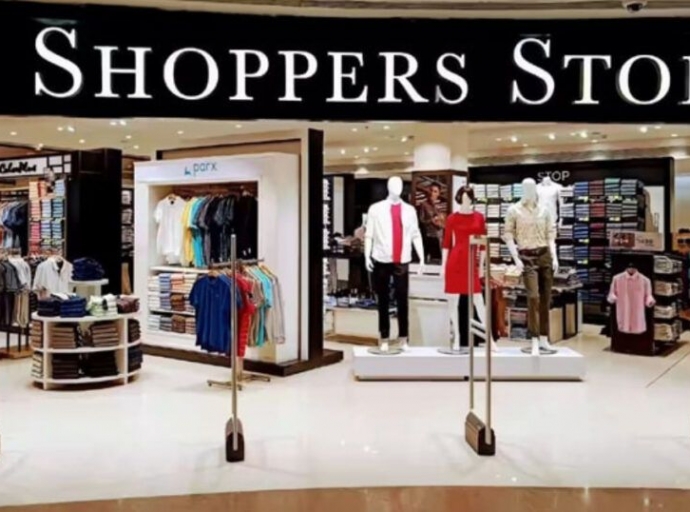
Major retail enterprise Shoppers Stop reported a narrower quarterly net loss, anchored by accelerating consumer demand for high-value fashion and private-label apparel. The retail conglomerate recorded a 10 per cent Y-o-Y revenue expansion to approximately Rs 1,200 crore, supported by an improved product mix where premium apparel and beauty merchandise accounted for 72 per cent of total retail volume. The average transaction value (ATV) grew by 10 per cent, highlighting resilient urban discretionary spending across high-ticket textile categories.

Optimizing working capital and store density

To preserve gross margins amid inflationary store operating costs, the retailer disciplined its inventory management, reducing overall inventory liabilities by Rs 80 crore Y-o-Y. While elevated real estate lease expenses and store refurbishments weighed on profitability, operational cash flows remained stable. Meanwhile, the group’s value apparel arm, Intune, delivered a turn-around with revenues reaching Rs 82 crore, expanding 21 per cent Y-o-Y as fresh inventory cycles stabilized performance.

Executive perspective on retail dynamics

Consistent footfall growth and higher ticket sizes reflect strong underlying demand for curated apparel assortments, states a senior retail equity specialist. By scaling up private-label fashion portfolios alongside premium brand allocations, major department store networks are building defensive margins against rising store operating overheads.

Retail expansion and portfolio structure

Founded in 1991, Shoppers Stop operates over 110 department stores alongside specialized beauty and value fashion formats across India. The company specializes in apparel, cosmetics, and home furnishings through proprietary brands and global distribution partnerships. Targeting net debt reduction, it targets self-funded store additions across Tier-I to Tier-III retail corridors.

Shoppers Stop trims losses as demand for premium apparel rises

Size inclusivity and rotating experiential formats reshape Mumbai’s boutique retail landscape

Independent designer labels in India are adopting co-retailing models to optimize high street real estate costs while enhancing consumer engagement. Art-inspired fashion label AMRTA and handcrafted accessories brand Favori recently opened a joint 700-sq-ft flagship, the Concept Store,' in Mumbai’s Bandra district. Moving away from traditional transactional layouts, the gallery-inspired boutique incorporates a rotating calendar of community activations, styling sessions, and pop-up collaborations every six weeks to maintain footfall momentum. By pairing AMRTA’s Pichwai art-inspired occasion wear and resort lines with Favori’s premium leather and suede bags, the multi-category destination captures cross-merchandise sales opportunities across a unified customer base.

Customization and inclusive sizing anchor premium positioning

The retail concept addresses growing domestic demand for extended sizing and bespoke garment alteration without additional costs. AMRTA provides standard off-the-rack sizing up to 6XL, along with made-to-order adjustments for silhouettes and embroidery - a operational shift designed to broaden accessible luxury market share. In partnership with Favori, we have created a destination where fashion, art, and design meet, ensuring every woman across all size spectrums finds a tailored fit, states Guneet Kondal, Founder and Creative Director, AMRTA. As brick-and-mortar retail becomes increasingly experiential, boutique partnerships offer independent brands a scalable path to physical presence.

AMRTA offers art-inspired, size-inclusive womenswear up to 6XL, while Favori specializes in handcrafted leather and textile accessories. Operating in the accessible luxury segment, both brands target urban Indian fashion consumers. Founded by industry veterans Guneet Kondal, Kavita Bhatia, and Rajiv Bhatia, the partnership plans to scale experiential offline locations across top-tier metro markets.

Size inclusivity and rotating experiential formats reshape Mumbai’s boutique retail landscape

Myntra expands seller base to leverage rise in festive demand

Fashion e-commerce platform Myntra is expanding its seller base by onboarding over 400 West Bengal-based manufacturers, artisans, and regional retailers ahead of the Durga Puja shopping cycle. To capture an anticipated 50 percent festive sales surge, the platform hosted its second Seller Growth Connect initiative in Kolkata, integrating traditional craft clusters—including Fulia, Shantipur, Dhaniakhali, and Bishnupur—into its nationwide logistics network. By providing exposure to more than 75 million monthly active users across 98 percent of India's serviceable pincodes, the marketplace is accelerating digital transformation for regional micro, small, and medium enterprises (MSMEs).

Optimised merchant onboarding drives commercial scale

With over 1,700 registered West Bengal brands currently listing on the platform, regional apparel businesses are converting ethnic handlooms like Taant sarees and Dhakai Jamdani into scalable national product lines. Eastern India has a deeply rooted ecosystem across handloom, ethnic wear, and lifestyle categories, says Bedanta Dutta, Senior Director-Marketplace, Myntra. The company is equipping regional entrepreneurs with marketplace insights, technology, and growth frameworks to build brands with national relevance. To lower operational entry barriers, Myntra leveraged its AI-driven Seller Growth Hub to compress merchant registration lead times from 15 days down to 48 hours, allowing local fashion labels such as Kisah, Suta, and Vastrmay to rapidly optimize cataloging ahead of peak demand.

E-commerce platform performance profile

As Flipkart’s flagship fashion and lifestyle vertical, Myntra offers over 25,000 national and international brands to consumer markets nationwide. The platform is accelerating growth in high-margin apparel, beauty, and ethnic wear segments through dynamic technology investments. Originally launched in 2007 as a B2B personalized gifting marketplace, Myntra transitioned into India’s dominant omni-channel fashion portal.

Myntra expands seller base to leverage rise in festive demand

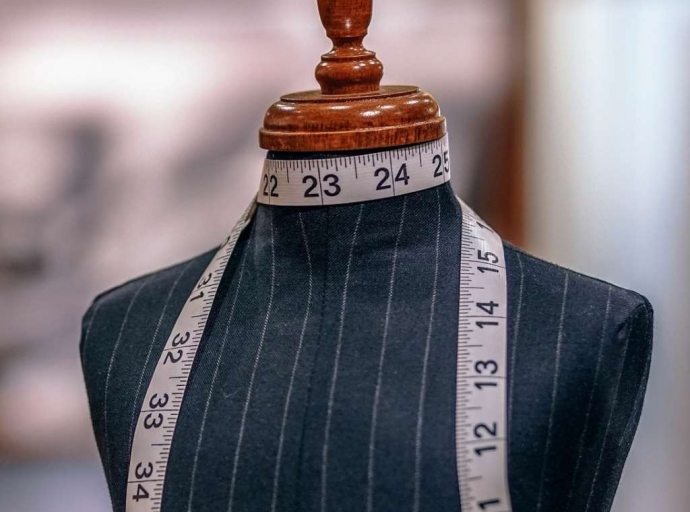
Tailoring for the Indian Body: India moves toward a uniform sizing revolution

For millions of Indian shoppers, buying clothes often feels like a guessing game. A "Medium" shirt at an international retail outlet might fit like a tent, while the exact same label at a domestic brand barely buttons across the chest. However, this frustrating trial-and-error routine may soon become a thing of the past.

In a landmark move for the nation's retail and textile industries, the Indian government is rolling out a standardized apparel sizing framework designed to bring uniform clothing measurements across brands nationwide. The initiative aims to align India’s garment industry with established global practices seen across the United States and Europe.

MUCH MORE

Grounded in science, built for the Indian body

Unlike past attempts at sizing, this new universal standard is backed by extensive anthropometric research specifically focused on the Indian physique. Historically, most apparel manufacturers operating in India relied on modified US or European size charts, or developed their own arbitrary internal standards. This led to vast inconsistencies across brands, causing confusion in fitting rooms and inflated return rates for online retailers.

By measuring thousands of individuals across diverse regions and age groups, researchers collected data reflecting unique proportional traits, ensuring the new standard S, M, L, and XL labels accurately reflect real Indian body shapes.

India offers political stability and tariff advantages, currently capturing only about $10 billion of the $120 billion U.S. apparel market—leaving massive growth potential.

India offers political stability and tariff advantages, currently capturing only about $10 billion of the $120 billion U.S. apparel market—leaving massive growth potential.

SUSTAINABILITY

Standardized Indian apparel sizing marks a significant step forward

Rahul Mehta, Chief Mentor of the Clothing Manufacturers Association of India (CMAI), noted that the development of standardized Indian apparel sizing represents a significant step forward for both the industry and consumers alike. Having been closely associated with the initiative from its inception alongside NIFT and brand experts, Mehta emphasized that while standard measurements will usher in consistency, brands will still retain the flexibility needed to cater to distinct fit preferences and product positioning.

The commercial impact is expected to be particularly profound in online retail. One of the single greatest advantages of the new framework is its ability to curb size-related product returns in e-commerce, which have long posed a major operational bottleneck. Standardized benchmarks give shoppers greater confidence at checkout, simplify buying decisions, and ultimately eliminate hefty exchange costs for retailers. Crucially, as one of the world's largest apparel markets, India now gains its own tailored measurement system instead of relying on foreign standards that frequently confuse local shoppers.

DFU Profile

Managing Inventory & Industry Readiness: A phased transition

While the rollout marks a major milestone for the retail ecosystem, industry experts emphasize that adoption will follow a steady, evolutionary timeline rather than an overnight shift.

Because existing inventories, manufacturing cycles, and established customer habits must all be factored in, brands are expected to transition gradually. Many major retailers have already begun mapping upcoming collections to the recommended measurements, signaling broad support across the value chain as India moves toward a more predictable, uniform fitting standard.

Tailoring for the Indian Body: India moves toward a uniform sizing revolution

Gargi scales asset-light retail footprint to drive high-margin regional expansion

Contemporary fashion jewelry brand Gargi by PN Gadgil & Sons has expanded its physical retail presence with the simultaneous opening of new outlets in Bengaluru, Karnataka, and Raipur, Chhattisgarh. By entering Rajajinagar in Bengaluru and ZORA The Mall in Raipur, the company is executing a dual-market penetration strategy targeting mature, fashion-forward urban centers alongside rapidly aspirational Tier-II consumer hubs. This retail scaling builds on strong financial momentum, with the brand delivering a 49 per cent Y-o-Y revenue growt to Rs 149.47 crore. Operating on a zero-debt balance sheet backed by Rs 78 crore in cash reserves, Gargi is leveraging an asset-light Franchise-Owned Company-Operated (FOCO) store model to maintain high inventory turnover while mitigating upfront capital expenditure.

MUCH MORE

Product diversification mitigates raw material volatility

Bengaluru represents a design-conscious urban market, while Raipur reflects the rising demand for certified fashion jewellery across Central India, says Aditya Modak, Founder & CEO,  Gargi. To offset margin risks associated with fluctuating gold prices, the brand is expanding its high-margin 92.5 per cent certified sterling silver and brass collections alongside newly introduced 14KT lightweight diamond lines. By balancing standalone exclusive brand outlets with over 88 shop-in-shop formats, Gargi aims to sustain a 35 per cent annual growth trajectory while lowering customer acquisition overhead.

VIEW

Targeting Gen Z and millennial customers

Gargi operates as the contemporary fashion and silver jewelry division of PN Gadgil & Sons, targeting urban Gen Z and millennial demographics. Generating Rs 149.47 crore annually, the brand expands across metropolitan and Tier-II markets through a debt-free, omnichannel structure. Tracing its parent institution's roots to 1832, Gargi aims to open over 20 new retail points of sale annually.

SUSTAINABILITY

Gargi scales asset-light retail footprint to drive high-margin regional expansion

From fast delivery to smart curation, the new rules of fashion Q-commerce

India's quick-commerce (Q-commerce) has entered a new phase where competitive advantage is shifting from delivery speed to inventory intelligence. What began as a grocery-led convenience model has rapidly evolved into a multi-category retail battlefield, with fashion emerging as one of its fastest-growing segments. As platforms promise apparel deliveries in as little as 10 to 60 minutes, experts believe that fulfillment speed alone is becoming commoditized.

The country's e-retail market, currently valued at approximately $65-66 billion in gross merchandise value (GMV), continues to post double-digit growth and is predicted to increase over the next five years. However, while several emerging platforms are betting on ultra-fast deliveries, established marketplaces are using years of supplier relationships, wider assortments and localized inventory planning to strengthen their lead. Rather than competing on minutes saved, the next phase of growth is expected to be determined by how accurately retailers match inventory with neighbourhood-level demand.

A growing digital retail opportunity

The scale of the opportunity remains enormous. Industry projections indicate India's digital commerce will nearly triple over the coming years, supported by rising internet penetration, expanding consumer cohorts and increasing adoption beyond metros.

Table:  India e-retail & quick commerce projections

Category

Current (FY25)

Projected (FY30/FY31)

India Overall E-Retail GMV

$65-66 bn

$170-180 bn

Total Digital Shopper Base

290-300 mn

420-440 mn

Quick Commerce Market Size

$7-8 bn

$60-70 bn

Gen Z Share of E-Retail Orders

40-45%

55%+

Source: Bain & Company E-Retail Report and industry forecasts

The projected increase in Q-commerce into a $60-70 billion market underscores why fashion retailers are racing to establish hyperlocal capabilities before consumer expectations become firmly entrenched.

Scale gives established platforms an edge

For new entrants, building a large catalogue remains one of the biggest challenges. Many startups have adopted conventional marketplace strategies by onboarding widely available brands to rapidly increase SKU counts. However, established e-commerce players already possess extensive supplier ecosystems, making it difficult for newer platforms to differentiate purely through assortment or speed.

A prominent example is Myntra's M-Now, which has expanded its rapid-delivery service across 10 cities, including Tier II markets such as Patna, Jaipur, Lucknow and Ahmedabad. Operating through over 87 dedicated dark stores, the platform offers over one lakh SKUs spanning more than 1,000 domestic and international brands. The model shows how rapid delivery becomes significantly more effective when supported by deep product availability rather than limited inventory.

Within a year of commercialization, M-Now attracted over 35 million unique visitors, achieved almost 20 per cent customer penetration across operational markets and now contributes nearly 10 percent of order volumes in places where the service is active. The product mix extends from women's western wear and beauty products to premium lifestyle categories, with one of its highest-value deliveries being a Dyson hair dryer priced at Rs 55,000, showcasing that consumers are comfortable purchasing even premium products through hyperlocal channels.

Two consumer missions, two business models

Consumer behaviour is also revealing that fashion Q-commerce is not a single homogeneous market. Moodboard Analytics studies show that urban shoppers broadly fall into two distinct segments with very different purchasing motivations. Consumers aged 18-25, largely representing Gen Z, exhibit high-frequency but relatively low average order values. Their purchases are driven by rapidly changing fashion aesthetics, social media trends and impulse buying. Korean-inspired fashion, vintage styles and influencer-led looks dominate purchasing decisions, making agile platforms such as Slikk alongside fast-fashion brands like Newme and Snitch particularly attractive.

The 26-35-plus professional segment behaves differently. Time scarcity rather than price sensitivity shapes purchasing decisions. These shoppers prioritise utility, workwear and occasion-led purchases, gravitating toward established brands including Uniqlo, Mango, Zara and Nicobar through curated platforms such as ZILO. Experts point out that without differentiated merchandise or customer experience, simply promising faster delivery offers little sustainable competitive advantage in fashion retail.

Hyperlocal planning replaces blanket expansion

As competition intensifies, inventory allocation is becoming more neighbourhood-specific. A dark store serving a university district requires a vastly different merchandise mix than one located within a corporate business hub, even if the two are only a few kilometres apart. Retailers are therefore relying more heavily on predictive demand planning and micro-market analytics to determine assortment, pricing and inventory depth at individual fulfilment centres. This localized approach enables retailers to reduce unsold inventory while improving delivery efficiency, particularly during high-demand festive and seasonal shopping periods.

D2C brands bring fresh momentum

Alongside established marketplaces, digitally native brands are reshaping fashion quick commerce. Platforms such as Slikk and KNOT have secured funding to build technology-led localized fulfilment networks. Slikk has invested in micro-warehouses positioned close to urban fashion clusters, enabling 60-minute deliveries for apparel and accessories while also introducing doorstep ‘try-and-buy’ services that replicate aspects of the in-store shopping experience.

Meanwhile, fast-fashion brands including Snitch and Newme are integrating directly with hyperlocal fulfilment systems. Their ability to monitor social media trends in real time and rapidly convert emerging styles into inventory allows them to cater to younger consumers seeking immediate access to the latest fashion. This combination of localized logistics, strong brand partnerships and data-driven merchandising is proving more effective at driving customer retention than speed alone.

Data becomes the competitive advantage

As India's fashion Q-commerce sector matures, retailers are recognising that long-term profits  depends less on shaving delivery minutes and more on deploying smarter inventory. Retail intelligence firms such as Moodboard Analytics are helping brands forecast trends, identify neighbourhood-level demand and optimise sourcing decisions. By combining cultural trend analysis with logistics data, retailers can improve inventory productivity while reducing capital tied up in slow-moving stock.

With India's digital retail market expected to nearly triple by the end of the decade, the next winners are unlikely to be those offering the fastest delivery alone. Instead, success will belong to retailers capable of placing the right product, in the right neighbourhood, at precisely the right moment.

From fast delivery to smart curation, the new rules of fashion Q-commerce

Reliance Retail scales lifestyle portfolio with Ajio Beauty integration

Reliance Retail has officially introduced Ajio Beauty, a specialized digital platform designed to merge its established fashion audience with the specialized personal care expertise of Tira. The strategic integration addresses the fast-evolving demands of urban consumers who increasingly view apparel and cosmetics as a unified lifestyle choice. By incorporating over 1,500 domestic and international brands across mass-market, premium, and luxury tiers, the company aims to capture a larger share of the burgeoning beauty segment. Industry observers note that combining Ajio’s vast digital footprint with targeted beauty curation optimizes cross-selling potential against established digital-first competitors. An Ajio spokesperson emphasizes,  the initiative extends the platform's core fashion philosophy into personal care, transforming routine transactions into trend-led discovery experiences.

Optimizing logistics and quick-commerce integration

To overcome fulfillment challenges in competitive metro markets, the newly launched platform leverages nationwide distribution networks spanning over 19,000 pin codes alongside rapid delivery integration. Eligible metropolitan consumers can access selected cosmetics and skincare lines through Ajio Rush, aligning inventory fulfillment with the accelerating consumer demand for speed and reliability. Financial analysts tracking the conglomerate point out, these infrastructure investments align with executive strategies to improve unit economics and expand dark-store capabilities. As Reliance Retail continues to scale its digital commerce infrastructure following a fiscal year gross revenue of Rs 3.70 lakh crore, the rollout of AJIO Beauty reinforces corporate objectives to secure sustainable margin growth through high-frequency lifestyle categories.

Operating India’s largest omnichannel retail network

Reliance Retail operates India's largest omnichannel retail network across consumer electronics, grocery, and fashion, serving hundreds of millions of registered customers. The enterprise manages an extensive network exceeding 20,000 stores pan-India, spanning value apparel, luxury fashion, beauty, daily groceries, and consumer technology products.

Established as the retail subsidiary of Reliance Industries, the company pioneered organized multi-format retail expansion across Tier-I to Tier-IV cities throughout India. The company’s management is actively scaling online commerce platforms, expanding dark-store infrastructure, and integrating specialized digital verticals to enhance delivery velocity and operational efficiencies.

Reliance Retail scales lifestyle portfolio with Ajio Beauty integration

Latest Publications

Image

Join Our Group

Join Our Group