
Affordable aspiration and phygital stores, the new rules of Indian retail
13 February 2026, Mumbai
India’s retail economy has crossed the $1 trillion mark, but the milestone is not the real story. The real shift is generational. Nearly half of all discretionary spending in the country now comes from consumers under 30. Gen Z, 377 million strong and armed with an estimated $250 billion in direct spending power in 2026 is no longer an emerging segment. It is the market.
Retailers that still rely on legacy playbooks slow seasons, fixed collections, and broad family shopper messaging is losing ground. This generation shops differently, decides faster, and abandons brands without hesitation. They expect speed, relevance, and experience. If a retailer cannot deliver all three, they scroll past it. The result is a retail system that has moved from inventory-first to culture-first, where product drops mimic social media cycles and stores function as entertainment spaces rather than transaction counters.
Where the money is actually flowing
The scale of Gen Z’s influence becomes clear when mapped across categories. Spending is not limited to fashion or gadgets; it cuts across lifestyle, travel, and everyday consumption. The table makes one point unmistakable: Gen Z is not just driving trend categories. Nearly half of spending in both discretionary sectors like travel and everyday sectors like packaged food now comes from this cohort.
|
Category |
Total market spend (est. 2026) |
Gen Z driven share (%) |
|
Travel & Vacation |
$160 - 180 bn |
47% |
|
Fashion & Lifestyle |
$100 - 110 bn |
47% |
|
Packaged F&B |
$70 - 75 bn |
45% |
|
Consumer Tech |
$45 - 50 bn |
45% |
|
Beauty & Personal Care |
$15 - 20 bn |
44% |
Price matters, but relevance wins
Brand loyalty has weakened sharply. Price sensitivity remains high, but the real driver is affordable aspiration, products that look premium, feel current, and still sit within a tight budget. This is where Tata Group’s Zudio has cracked the code. Instead of seasonal collections, Zudio runs on rapid inventory refreshes every few weeks. Its shelves mirror Instagram and influencer trends almost in real time. The cycle has effectively become scroll-to-store: a trend appears online and reaches racks within days.
Read our latest issue
Most products remain under Rs 999. Gross margins are maintained at 35-40 per cent through scale and speed. High volumes compensate for lower pricing. The formula sounds simple but execution demands ruthless inventory discipline. The payoff has been good. Zudio has crossed $1 billion in revenue and continues to open stores at an aggressive pace, roughly one every three days, reaching more than 800 outlets nationwide. In a price-conscious market like India, speed has become a competitive advantage as powerful as discounting.
Stores are becoming stages, not counters
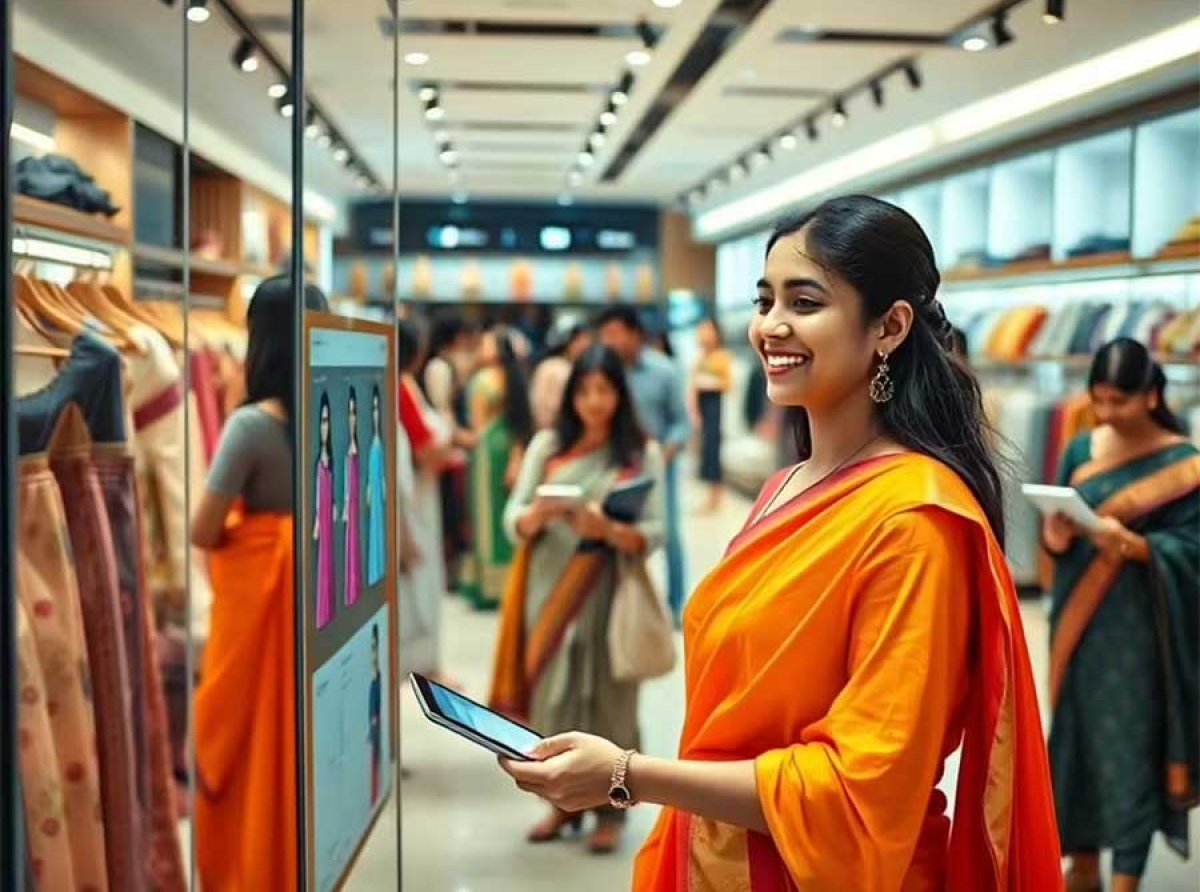
The role of the physical store has fundamentally changed. Footfall today is driven less by necessity and more by engagement. Consumers want to try, film, share, and participate. Retailers that fail to entertain simply don’t get visited. This is pushing the rise of phygital retail, physical spaces enhanced with digital layers. AR try-on mirrors, QR-led styling suggestions, influencer-hosted events, and in-store content zones are now standard features in new-age outlets. The objective is clear: turn stores into social spaces.
Aditya Birla Fashion and Retail’s OWND! brand exemplifies the shift. Built specifically for Gen Z, it trades traditional merchandising for bold visuals, internet slang, and rapid capsule drops. The approach worked. OWND! reported 43 per cent revenue growth this year alone. The message to incumbents is blunt: retail is no longer about shelves. It is about theatre. Sustainability moves from marketing to metrics.
For this generation, consumption is increasingly tied to conscience. More than 65 per cent of Gen Z shoppers say they prefer brands with transparent sustainability practices. This preference is reshaping operations, not just advertising. Resale, thrift, and recommerce platforms are increasing at nearly 10 per cent CAGR. Brands are introducing take-back programs, eco-packaging, and limited production runs to minimize waste. ‘Print on Demand’ models are reducing dead stock and markdown losses.
The shift is structural. Sustainability is no longer a campaign, it is now a KPI discussed in boardrooms alongside margins and sell-through rates. Companies that treat it as greenwashing risk immediate backlash on social media, where brand scrutiny travels faster than marketing messages.
Growth has shifted beyond metros
Another quiet but decisive change is geographic. Tier II and III cities now account for more than 60 per cent of e-commerce transactions. Bharat, not just metro India, is driving retail growth. This is why value-led formats outperform premium malls. Zudio’s small-box stores thrive in these markets because they offer trend-driven fashion without big-city pricing.
Competitors have taken note. Reliance’s Yousta and ABFRL’s OWND! are aggressively tightening inventory cycles to under 60 days to stay competitive. Faster turns mean fresher looks, fewer markdowns, and more repeat visits. Speed has become the new moat.
Winners shifted early
Two companies show how legacy retailers are reinventing themselves. Trent transitioned from Westside’s mid-premium positioning to a multi-format strategy anchored by Zudio’s value engine. High inventory velocity and relentless expansion helped Zudio cross the $1 billion mark, something few Indian fashion labels have achieved at this pace.
ABFRL, meanwhile, is reworking its portfolio around youth-centric formats. The company plans to scale OWND! to 400 outlets by 2030, building an ecosystem that blends offline presence with digital-first discovery. Both players are chasing the same prize: roughly 100 million Gen Z shoppers already active online. The race is not about brand heritage anymore. It is about who can adapt fastest.
Agility, not legacy gets rewarded
The $1 trillion milestone may look like a culmination. In reality, it marks the start of a tougher phase. India’s retail future will be defined by shorter product cycles, sharper pricing, faster fulfillment, and heavier digital integration. Brands that cannot respond weekly, not seasonally will struggle. Gen Z has effectively forced the industry to compress time. Retailers must now think like creators, launch like startups, and operate like tech companies. Because for India’s newest consumers, relevance expires quickly and so do brands that fail to keep up.










 Get in Touch!
