
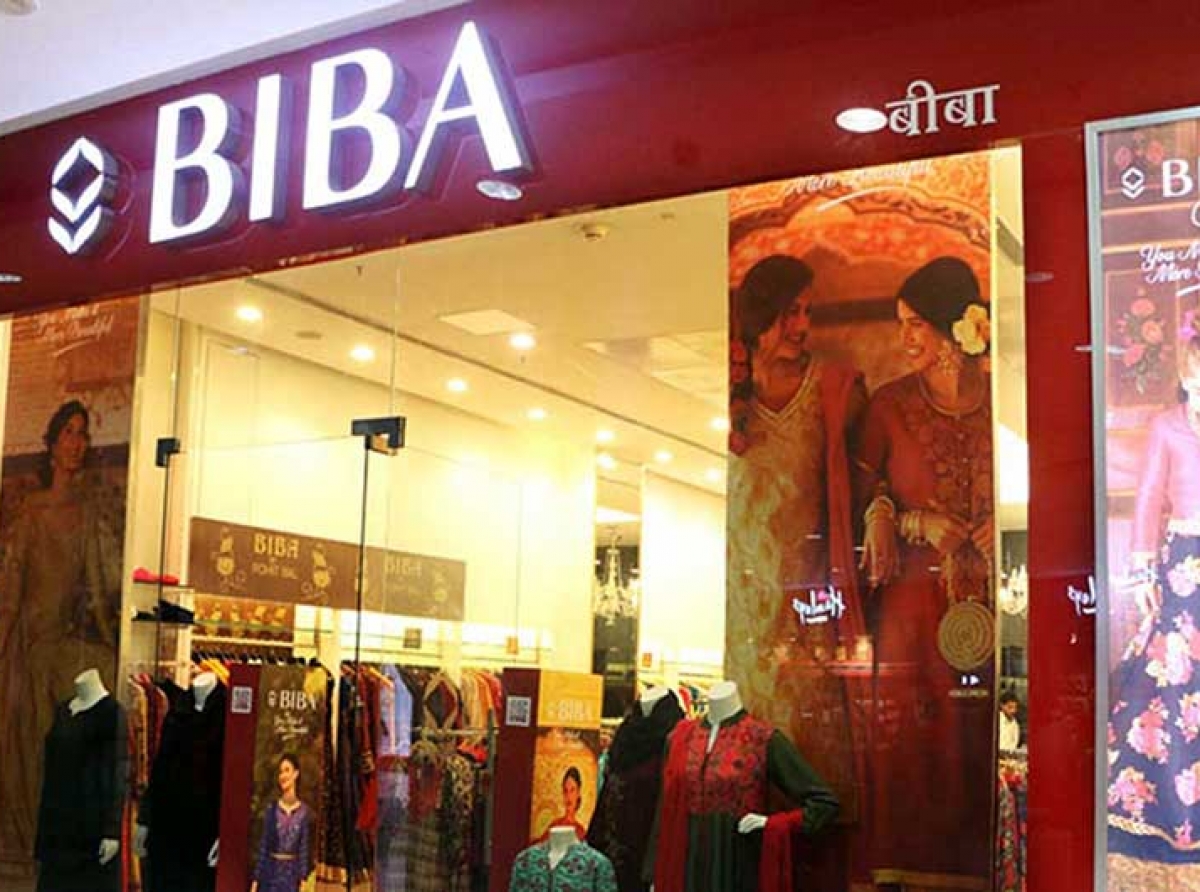
Biba embarks on a regional expansion strategy; eyes 100 stores by 2026-end
13 February 2026, Mumbai
As the Indian ethnic wear sector approaches a projected valuation of US$123 billion in 2026, Biba Fashion is executing a sophisticated regional expansion strategy. The launch of its Summer 2026 (SS26) collection at Bengaluru’s Phoenix Mall of Asia marks the brand’s first localized collaboration with Kannada cinema star Ashika Ranganath. This move capitalizes on the rising ‘affordable premium’ trend, where practical value and regional cultural resonance outweigh global logo-centricity.
Navigating cost pressures with technical efficiency
Retail dynamics in 2026 are defined by a shift toward high-utility garments. BIBA’s SS26 range emphasizes breathable cotton and ‘easy-breezy’ silhouettes, specifically engineered to absorb the rising production costs through improved manufacturing efficiency. While the industry faces inventory complexities and a 19 per cent baseline tariff on specific textile imports, BIBA has stabilized its entry points. By pricing suit sets starting at Rs 2,599, the brand is successfully defending its market share against mid-tier rivals and a surging Direct-to-Consumer (D2C) ecosystem.
Read our latest issue
Retail expansion and omnichannel maturity
Siddharath Bindra, Managing Director, confirms, Bengaluru remains a primary growth engine, supported by a retail network designed to meet specialized local tastes.
With the ethnic wear market seeing a 50 per cent increase in demand for sustainable fabrics, Biba’s focus on high-quality cottons aligns with current consumer sentiments. The brand’s transition to advanced SAP systems and automated warehouses has significantly mitigated historical losses, positioning the company for a 15–20 per cent annual growth trajectory.
In both models, longevity isn’t a compromise it’s a competitive advantage.
As competitors like Tasva and Ethnix accelerate store rollouts, Biba’s dual focus on accessible daywear and a refined wedding range provides a diversified revenue stream ahead of its highly anticipated 2026 IPO.
A premier Indian ethnic wear powerhouse, Biba operates over 430 stores across 70+ cities. The brand specializes in women’s and girls' apparel and dominates the mid-to-premium segment. The company is currently executing a 100-store expansion plan for FY26 while integrating O2O (Online-to-Offline) solutions. After returning to profitability in late 2025, BIBA is targeting a mid-double-digit revenue increase driven by a sophisticated mix of traditional craftsmanship and modern retail technology.











 Get in Touch!
