All Stories

India-UK FTA sets the stage for a new premium fashion battle

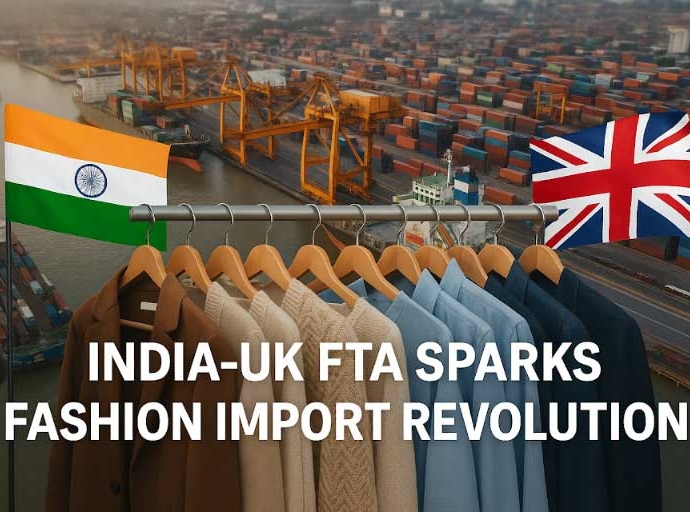
India's fashion and lifestyle retail industry is entering a new competitive phase as the India-UK Comprehensive Economic and Trade Agreement (CETA) comes into force from today, July 15, 2026. While the agreement spans automobiles, alcoholic beverages, manufacturing and services, its immediate implications are expected to be most visible across premium apparel, cosmetics, footwear and lifestyle retail.

For retailers, the pact is more than a tariff reduction exercise. It reshapes sourcing economics, expands market access for British brands and raises the competitive bar for Indian fashion companies that have spent years building premium positioning under a relatively protected import regime.

Tariffs rewrite the premium play

Until now, imported British fashion and beauty products typically attracted customs duties of around 10-15 per cent, limiting the scale at which many UK brands could operate in India. Under CETA, tariffs on several categories will decline to around 3 per cent through phased implementation, making imported products considerably more price competitive. The reduction lowers landed costs for British companies while creating room either to reduce consumer prices or improve operating margins. Both outcomes strengthen the business case for expanding physical retail networks beyond India's established metro markets.

The shift is particularly significant because India's premium consumer base is no longer confined to Delhi, Mumbai and Bengaluru. Rising disposable incomes in cities such as Pune, Ahmedabad and Chandigarh have encouraged international brands to look beyond flagship stores toward broader national expansion. Digital commerce is expected to boost this shift. Premium beauty and wellness marketplaces are already broadening their assortments as lower import duties improve commercial viability for British skincare, cosmetics and wellness labels that previously struggled with pricing competitiveness.

Table: Impact of CETA tariff reductions

Product category

Pre-FTA average tariff

Post-FTA tariffs (CETA enactment)

Projected domestic market impact

Premium Apparel & Clothing

15%

3% (Phased reduction)

Influx of British high-street labels; downward pressure on premium pricing

Footwear & Leather Goods

10-15%

3%

Increased inventory variety; expansion of international boutique footprints

Cosmetics & Premium Skincare

15%

Reduced to low single digits

Surge in digital marketplace listings; retail price corrections on imported goods

Scotch Whisky & Beverages

150%

75% initial (Glide path to 40% in 10 yrs)

Increased luxury hospitality collaborations and premium retail sourcing

Competition goes beyond pricing

The agreement creates opportunities for both international and domestic players. For British brands, India becomes a more attractive destination for retail investment. Lower duties improve inventory economics and make expansion into high-growth consumption centres commercially viable.

For Indian retailers, however, the challenge extends beyond competing with imported merchandise. Trade liberalisation often changes supply chains, sourcing decisions and consumer expectations simultaneously. As premium international labels become more accessible, domestic brands will compete on design, customer experience, speed to market and omnichannel capabilities rather than price alone. At the same time, Indian manufacturers also gain access to lower-cost imports of specialised machinery, premium fabrics and high-quality raw materials from the UK, potentially improving manufacturing efficiency and product quality.

Raymond's defensive growth strategy

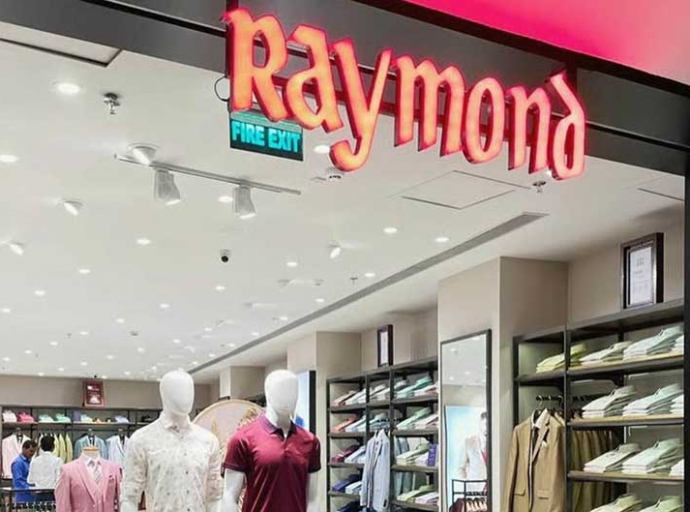
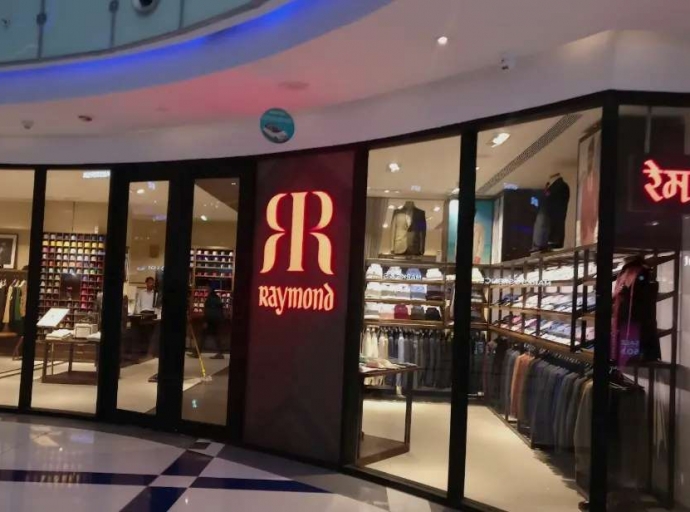
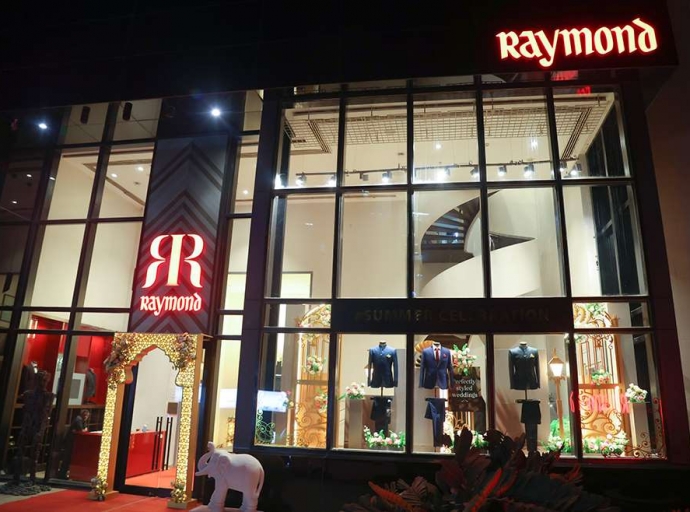
Among Indian retailers, Raymond Lifestyle shows how established companies are repositioning ahead of increased global competition. Traditionally recognised for premium suiting and formalwear, the company has steadily diversified into ready-to-wear apparel, casual fashion and premium ethnic wear to capture changing consumer preferences. Rather than relying solely on its legacy business, Raymond has invested in expanding its retail footprint, strengthening franchise operations and accelerating digital commerce.

Table: Raymond lifestyle's domestic apparel mix

Business segment

Share

Premium structured suiting & textiles

60%

Ready-to-wear casuals & premium ethnic wear

40%

This balanced portfolio allows the company to participate in faster-growing lifestyle categories while leveraging its established brand equity. Its strategy also reflects a wider trend among Indian apparel companies that are broadening product portfolios before international competition intensifies.

Experts point out localisation remains a significant competitive advantage. Indian retailers possess stronger understanding of regional demand, faster replenishment cycles and extensive distribution networks across Tier-II and Tier-III cities, advantages that overseas brands will need time to replicate.

Retail's next test may come from Europe

The success of the India-UK agreement is also being closely watched because of its implications for the proposed India-EU Free Trade Agreement. If negotiations with the EU produce similar tariff reductions, the competitive scenario could change even more. European fast-fashion players such as H&M and Zara would be able to streamline sourcing into India with lower fiscal barriers, while luxury houses from France and Italy could become substantially more competitive in pricing. This would increase competition for premium consumers, push up demand for prime retail real estate and accelerate investments in omnichannel retail infrastructure.

For Indian brands, that possibility reinforces the need to strengthen supply chains, improve product innovation and deepen customer engagement well before further market liberalisation takes shape.

A shift, not a short-term opportunity

The India-UK trade agreement is a reset rather than a temporary market stimulus. Lower tariffs are expected to increase product choice, improve affordability in premium segments and encourage greater participation by international brands. At the same time, Indian retailers are unlikely to surrender market share easily. Many have already begun investing in portfolio diversification, digital commerce, supply-chain modernisation and expansion into emerging consumption markets.

Ultimately, the biggest beneficiary could be the Indian consumer, who will gain access to a wider assortment of premium fashion, beauty and lifestyle products at more competitive prices. For retailers, however, the era of competing primarily within domestic boundaries is ending. From July 15 onward, India's premium fashion market enters a new phase where efficiency, brand differentiation and execution will matter more than tariff protection.

India-UK FTA sets the stage for a new premium fashion battle

HRX expands lifestyle ecosystem with fragrance range and pickleball integration

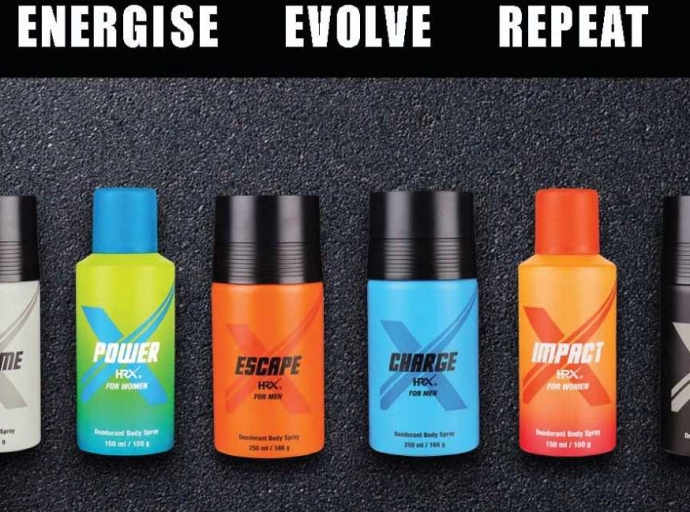
In a move to strengthen its position as a holistic lifestyle brand, the fitness-focused venture co-founded by actor Hrithik Roshan – HRX - has formally entered the personal fragrance market. Partnering with the PCA Group, the brand has introduced a three-variant collection: Hero, Rise, and Xtreme. This strategic expansion represents a departure from HRX’s traditional focus on apparel and performance footwear, signaling a shift toward ‘locker room’ essentials. The collection, comprising deodorants and Eau De Toilette, aims to capture the “everyday athlete” segment by blending functional durability with premium scent profiles, ensuring brand presence in the consumer’s routine beyond the gym floor.

Cultural alignment through high-energy sport

To drive market adoption, HRX has utilized the burgeoning popularity of pickleball, leveraging the ‘Pinkvilla Pickle Padel Party’ as a primary experiential touchpoint. By positioning its new fragrances within this high-energy, social sporting environment, the brand is successfully fostering engagement with urban millennials and Gen Z. The brand focuses on enabling the everyday athlete in all aspects of their life, starting with what they require for pre- and post-workout preparation, notes Afsar Zaidi, Co-founder, HRX. Industry analysts observe, this integration of product launches with trend-driven social experiences allows the brand to maintain high visibility and relevance in an increasingly saturated active-lifestyle sector.

Targeting fitness enthusiasts across India

HRX is a premier Indian active-lifestyle brand founded in 2013, offering apparel, footwear, accessories, and wellness products. It targets fitness enthusiasts across all Indian demographics. Following its acquisition by Myntra, the company focuses on scaling its multi-category ecosystem through digital platforms, performance-based innovation, and expansion into personal care.

HRX expands lifestyle ecosystem with fragrance range and pickleball integration

KKCL advances lifestyle portfolio with new family-format retail strategy

Parent entity of the iconic Killer Jeans brand, Kewal Kiran Clothing (KKCL) is aggressively transitioning its retail architecture to capture the burgeoning household demand in Tier-II urban markets. The recent inauguration of its first comprehensive family store in Chhatrapati Sambhajinagar signals a departure from traditional, single-category boutique models. By integrating men’s, women’s, and children’s labels - including Killer, Kraus, and Junior Killer—under a single expansive roof, the company aims to streamline the consumer journey. Today's shoppers prioritize convenience and curated variety, notes Hemant Jain, Joint Managing Director, KKCL. This large-format approach is designed to elevate the average transaction value by facilitating cross-category shopping, effectively positioning the firm as a multi-generational lifestyle destination rather than a singular denim specialist.

Refer

Scaling for the 2028 milestone

This retail evolution is a core pillar of KKCL’s broader objective to reach a Rs 1,500 crore revenue milestone by 2028. Following a robust fiscal year that saw annual revenues cross the Rs 1,200 crore mark, the company is doubling down on operational scaling, with plans to add 60 to 80 new stores in the upcoming fiscal year. While competitors grapple with fluctuating input costs and shifting consumer allegiances, KKCL has leveraged its asset-light manufacturing model to maintain healthy EBITDA margins, recently hovering around 20 per cent. This expansion strategy into regional centers addresses the rising purchasing power in non-metropolitan India, ensuring that the brand’s presence remains ubiquitous across high-footfall commercial corridors.

Founded in 1980, Mumbai-based Kewal Kiran Clothing is a powerhouse in India’s casual apparel sector. The company manages a diverse ‘house of brands,’ including Killer, LawmanPg3, Integriti, and Easies. Currently, KKCL focuses on rapid retail expansion through EBOs and large-format stores, backed by a strong financial outlook and consistent annual growth.

KKCL advances lifestyle portfolio with new family-format retail strategy

Artisanal heritage meets global luxury as brand Maneesha Ruia expands

The luxury accessories market is currently experiencing a recalibration as consumers increasingly prioritize heritage-based craftsmanship over mass-manufactured goods. At the forefront of this shift is the Maneesha Ruia brand, which has successfully transitioned the traditional scarf from a functional accessory into a sophisticated medium for wearable art. By integrating intricate lace, Swarovski embellishments, and hand-finished embroidery with premium textiles such as pure Pashmina, cashmere, and silk, the brand provides a tangible alternative to fast-fashion cycles. This focus on ‘slow luxury’ resonates particularly well within the United States, which has emerged as the label's primary market for its high-end wraps and travel-ready apparel.

REFER

Scaling traditional craft in a modern marketplace

For Maneesha Ruia, the challenge of maintaining artisan-led production at a global scale is addressed through a commitment to meticulous, manual finishing. Every accessory is made from the finest materials and has an individuality that is unique to the wearer, says Maneesha Ruia, Founder and Creative Director. Each piece is handcrafted by artisans, and no two scarves are ever the same, she adds. By blending the aesthetic dynamism of Mumbai with the cosmopolitan sensibilities of New York and Paris, the brand has built a resilient business model that transcends fleeting seasonal trends. As the company expands its portfolio to include loungewear and leather goods, it continues to capture market share among eco-conscious consumers who value the narrative of traditional Indian craftsmanship within a contemporary, global wardrobe.

Emphasizing on sustainable luxury

Maneesha Ruia is a luxury lifestyle brand specializing in handcrafted scarves, wraps, ponchos, and apparel. The brand prioritizes high-end natural fibers and traditional artisan techniques to serve a global clientele. Founded in 2013, the business has evolved from niche scarf manufacturing into an integrated lifestyle label with an emphasis on sustainable, evergreen luxury.

Artisanal heritage meets global luxury as brand Maneesha Ruia expands

Raymond Lifestyle champions circularity with garment exchange initiative

Raymond Lifestyle has officially launched the 10th edition of its annual Garment Exchange Program (GEP), a landmark initiative that blends high-end custom tailoring with a long-standing commitment to social responsibility. Running from July 2 to July 23, 2026, the nationwide campaign invites consumers across more than 1,000 Raymond Shops and select multi-brand outlets to trade in pre-loved apparel for exclusive stitching vouchers. By facilitating this exchange, the company is reinforcing its ‘Look Good, Do Good’ ethos while providing a structured pathway for urban consumers to engage in circular fashion practices.

Tailoring excellence for the modern consumer

To commemorate a decade of the program, Raymond has introduced a new digital campaign, ‘Fit For You. Feels Like You’ which critiques the limitations of standardized ready-to-wear sizing. The narrative champions the precision of personalized tailoring, offering customers an opportunity to redeem their vouchers on premium Raymond fabrics to achieve a bespoke fit. Satyaki Ghosh, Director and CEO, Raymond Lifestyle Limited, notes, the milestone reflects a relationship built on trust and elegance, positioning the initiative as a bridge between the luxury of custom apparel and the necessity of giving back.

Driving social impact through infrastructure

The garments collected through this program are processed at Goonj’s Circularity Centres and transformed into essential material kits. These kits are distributed to rural communities, serving not merely as donations but as dignified rewards for grassroots development projects, including water body restoration and infrastructure construction. This partnership addresses material poverty by converting unused urban resources into tools for sustainable development. As the Indian retail landscape shifts toward heightened transparency and ethical consumption, Raymond’s decade-long commitment highlights a viable model for integrating corporate social responsibility into the core of a premium retail business.

Raymond Lifestyle is a premier Indian manufacturer and retailer specializing in fine fabrics and bespoke menswear. Its diverse portfolio includes branded textiles, shirting, and premium apparel. The company focuses on expanding its omni-channel footprint and premiumisation strategy, targeting sustained growth through innovation, craftsmanship, and a commitment to circularity and social equity.

Raymond Lifestyle champions circularity with garment exchange initiative

Nykaa integrates ChatGPT into shopping ecosystem to redefine retail discovery

India’s leading beauty and lifestyle retailer, Nykaa has initiated a multi-year strategic collaboration with OpenAI to transition its digital storefronts from traditional search-and-scroll interfaces to an ‘agentic commerce’ model. As of June 2026, Nykaa Beauty and Nykaa Fashion are now accessible as connected apps within ChatGPT. This integration allows users to engage in natural language conversations to receive personalized product recommendations, skincare advice, and fashion curation, effectively bypassing conventional browsing. By embedding its product catalog directly into the ChatGPT interface, Nykaa is positioning itself at the forefront of the AI-native shopping shift, where consumer intent is met with synthesized guidance rather than manual filtration.

REFER

Operational scaling and internal productivity

Beyond customer-facing discovery, the retailer is deploying OpenAI’s enterprise-grade tools  - including ChatGPT Enterprise and the AI coding agent Codex - across its internal operations.

This deployment spans critical business functions such as supply chain management, marketing, legal, and financial operations. Engineering teams are leveraging Codex to accelerate software development, aiming to unify its technology stack as the company scales its footprint. This digital-first strategy complements Nykaa’s recent fiscal strength, where it reported a consolidated annual revenue of Rs 10,022 crore for FY26 and a 313 per cent Y-o-Y rise in quarterly net profit, fueled by margin expansion and reduced operational losses in its fashion division. The collaboration underscores a transition from aggressive growth spending to a focus on technology-led profitability.

A multi-brand fashion retailer

Nykaa is a premier multi-brand retailer specializing in beauty, personal care, and fashion. Operating both online and through 331 physical stores across India, the company serves over 55 million customers. Nykaa focuses on premiumization and high-growth segments, maintaining strong financial performance with an EBITDA margin of 8.4 per cent as of Q4 FY26.

Nykaa integrates ChatGPT into shopping ecosystem to redefine retail discovery

Lavie strengthens lifestyle footprint with launch of ‘Infinity Range’

Accessories major Lavie has introduced its ‘Infinity Range,’ a new collection fronted by actor Krystle D’Souza, marking a tactical push to capture seasonal demand. Featuring woven textures and soft pastel aesthetics, the collection centers on a signature metallic gold Infinity emblem. By bridging casual day-wear with occasion-ready structural designs, Lavie aims to address a diverse demographic spanning both teenagers and adults. This launch follows a broader strategic mandate for the brand to consolidate its market share in the premium accessories segment, leveraging both its direct-to-consumer digital channels and high-visibility placements within Amazon Prime’s exclusive assortments.

Diversification and premiumization trends

The Infinity Range launch reflects a larger corporate transition for Bagzone Lifestyles, the parent company behind Lavie. Having achieved revenues of approximately Rs 260 crore in FY25, the organization is actively scaling its lifestyle ecosystem beyond its traditional dominance in handbags. This diversification is underscored by the recent debut of ‘Lavie Paris,’ a bridge-to-luxury line unveiled at Paris Fashion Week.

The company’s move toward high-margin, designer-led categories - including jewelry, watches, and potential future forays into cosmetics - signals a shift from mass-market volume play to brand-led value creation. As the Indian handbag market anticipates an 8.8 per cent CAGR through 2030, Lavie’s multi-category strategy is positioned to leverage rising consumer demand for fashion accessories that serve as clear extensions of personal identity.

Targeting full profitability by 2027

Founded in 2009, Lavie is a prominent Indian lifestyle brand specializing in high-quality handbags, footwear, and fashion accessories. Operating under Bagzone Lifestyles, the company maintains a robust omnichannel presence through 150 exclusive stores and major e-commerce platforms, aiming to achieve full profitability by 2027 through strategic global design collaborations.

Lavie strengthens lifestyle footprint with launch of ‘Infinity Range’

Raymond Lifestyle leverages FTA benefits to expand into UK market

Raymond Lifestyle is utilizing the projected benefits of the UK-India Free Trade Agreement (FTA) to establish a foothold in the UK market. Gautam Hari Singhania, Chairman opines, this bilateral framework provides the necessary architecture to blend British heritage craftsmanship with India’s sophisticated manufacturing capabilities. By positioning the brand as a global industry leader, the company intends to capture significant market share among discerning UK consumers who prioritize premium fabric quality and precise construction. This expansion represents a strategic commitment to diversifying revenue streams beyond domestic borders.

Capitalizing on the 'China-Plus-One' industrial shift

Raymond Lifestyle’s move into the UK is supported by the broader macro-economic trend of supply chain diversification, where global brands increasingly seek alternatives to traditional manufacturing hubs. Singhania highlights, India’s manufacturing infrastructure, coupled with recent Production Linked Incentive (PLI) initiatives, positions the country as a viable, scalable alternative in the global textile supply chain. While FY26 introduced volatility through shifting tariff landscapes and geopolitical adjustments, Raymond’s domestic performance provided a stable fiscal foundation. The company is now applying this operational resilience to its international agenda, aiming to synthesize its historical expertise in fine textiles with the modern demands of Western luxury retail.

A diversified manufacturer offering lifestyle solutions

Raymond Lifestyle is a diversified apparel and textile manufacturer providing high-end fabrics, tailored garments, and lifestyle solutions. The brand operates across luxury and occasion-wear segments, including its Ethnix and Chairman’s Collection labels. With a growth strategy focused on expanding its domestic wardrobe ownership and global export presence, the company maintains a strong financial outlook driven by premium consumption trends and large-scale manufacturing capacity, building upon its legacy as a cornerstone of Indian textile excellence since 1925.

Raymond Lifestyle leverages FTA benefits to expand into UK market

Luxury couture faces headwinds as consumer caution rises

How is Nitika Gujral adapting to global fashion shifts after Cannes? Discover how luxury labels are turning to international fusion collections.

Following a prominent debut at the 2026 Cannes Film Festival, luxury couturier Nitika Gujral is highlighting a softening in the high-end occasionwear segment, driven by a confluence of rising operational overheads and shifts in consumer expenditure. Despite the global visibility gained through her recent showcase, the brand reports a significant cooling in demand from the overseas Indian (NRI) demographic, a segment traditionally responsible for a substantial share of India’s luxury bridal and couture revenue. Gujral notes that during the current wedding season, the label has observed a decline of nearly 60 per cent in NRI customer footfall, signaling a broader trend toward fiscal conservatism among premium buyers amid global economic volatility.

REFER

Operational pressures on artisanal production

Beyond demand-side challenges, the couture sector is grappling with persistent inflationary pressures on the supply side. Gujral indicates, essential production stages, particularly dyeing and specialized embroidery, have seen costs escalate significantly. Disruptions in the availability of commercial fuel and volatile raw material pricing have forced luxury labels to absorb higher manufacturing expenditures, threatening the profit margins of small-to-mid-scale artisanal businesses. The cost of processing and high-quality textiles has risen sharply, forcing us to balance the preservation of intricate craftsmanship with the reality of a price-conscious market, Gujral states.

Strategic reorientation toward global consumers

Despite domestic headwinds, the brand is accelerating its move toward a ‘global-ready’ collection strategy. The Cannes experience, where international audiences demonstrated a profound appreciation for traditional Indian karigari and zardozi, has provided a roadmap for future expansion. By intentionally curating fusion-wear that bridges Indian heritage with modern silhouettes, the label intends to diversify its reach beyond the traditional bridal circuit. This development aligns with a larger sector movement where Indian luxury brands are shifting from exclusively domestic bridal markets to creating high-value, occasionwear pieces tailored for an international audience, ensuring long-term resilience in an evolving luxury landscape.

Nitika Gujral is a Delhi-based luxury fashion label specializing in handcrafted bridal couture and occasionwear. The brand integrates traditional zardozi and heritage embroidery with contemporary silhouettes. Currently focused on intentional international growth, the label maintains a boutique business model with plans to scale its global reach through curated fusion collections.

Luxury couture faces headwinds as consumer caution rises

Stanley Lifestyles initiates international expansion with maiden store launch in Colombo

Bengaluru-based premium furniture manufacturer Stanley Lifestyles has officially commenced its international expansion with an entry into the Sri Lankan market. The company has inaugurated a flagship ‘Stanley Boutique Homes’ showroom at Ward Place in Colombo in partnership with Singer Sri Lanka PLC. Serving as the brand’s first retail footprint outside India, this move is designed to capture the growing appetite for sophisticated, design-led home interiors among Sri Lankan consumers. By leveraging Singer’s established retail network, Stanley Lifestyles aims to integrate its luxury manufacturing expertise with local market infrastructure, focusing on the high-end segment where demand for craftsmanship continues to outpace mass-market offerings.

Calibrated growth amid market headwinds

The international launch arrives at a critical juncture as the company prioritizes organic growth and store maturity over rapid, unmeasured expansion. While recent financial performance for FY26 reflected pressure on profitability - partially attributed to elevated investments in infrastructure, leadership, and store footprint - management remains committed to a long-term trajectory. Sunil Suresh, Founder and Chairman, has outlined a disciplined approach, targeting 20–25 per cent annual growth with sustainable profitability expected from the second half of FY27. By concentrating on direct-to-consumer relationships and custom-order models, the firm seeks to shield itself from broader economic volatility. This expansion into Colombo represents a deliberate step in reinforcing the brand’s positioning in the South Asian luxury segment, with the company opting for measured capital allocation to ensure long-term ROI across its growing retail network.

Pursuing organic growth

Stanley Lifestyles is an Indian luxury furniture manufacturer and retailer offering premium collections under brands like Stanley Level Next and Sofas & More. Focused on the B2C premium segment, the company operates over 70 retail outlets. It is currently pursuing organic growth, targeting annual expansion of 20-25 per cent.

Stanley Lifestyles initiates international expansion with maiden store launch in Colombo

Lifestyle boosts North India presence; launches new store launch in Gurugram

Renowned department store retailer, Lifestyle has officially expanded its North India operations with the launch of a new flagship outlet at Felix Plaza in Gurugram. This strategic opening serves as a centerpiece for the newly developed mixed-use destination, which is rapidly becoming a focal point for the region’s growing residential corridors. By positioning itself within this high-potential catchment area, Lifestyle aims to capture the surging demand for organized, experience-led retail as Gurugram continues to evolve into a premium urban center.

REFER

Curating the experiential retail ecosystem

The addition of Lifestyle at Felix Plaza aligns with a broader shift in the National Capital Region (NCR), where modern consumers are increasingly favoring destination-based shopping environments over purely transactional spaces. Spanning approximately 8 lakh sq ft, Felix Plaza integrates fashion, dining, entertainment, and community-focused zones, allowing Lifestyle to anchor its expansive portfolio - including apparel, beauty, footwear, and home categories - within a high-footfall, premium ecosystem. This integration addresses the modern shopper’s preference for ‘all-in-one’ retail destinations that combine convenience with immersive brand discovery, reinforcing the retailer’s commitment to omnichannel accessibility and deepening its penetration in high-growth urban hubs.

Market context and strategic outlook

For organized retailers in 2026, the NCR remains a vital theatre for expansion, characterized by rising disposable incomes and a robust appetite for global and Indian brands. The move reflects Lifestyle's broader commitment to strategic site selection in markets that offer strong residential density and high long-term growth prospects. As Gurugram’s commercial infrastructure expands, the retailer is prioritizing locations that not only drive volume but also foster brand loyalty through superior service and diversified product assortments. This launch signifies a calculated step in maintaining Lifestyle’s competitive edge in India's dynamic retail landscape, where balancing physical store presence with digital convenience has become a standard for industry leaders.

Focusing on premium experiential retail environments

Lifestyle is a leading department store retailer offering a diverse portfolio of apparel, footwear, beauty products, accessories, and home décor. Operating over 100 stores across India, the Middle East, and Southeast Asia, the brand is owned by the Landmark Group and focuses on premium experiential retail environments.

Lifestyle boosts North India presence; launches new store launch in Gurugram

Nicobar accelerates Tier-II retail footprint with Indore debut

Lifestyle label Nicobar has formally entered the Madhya Pradesh market, unveiling its inaugural storefront in Indore. Housed within ‘The Edit’ - a premier design and cultural hub - this launch underscores the brand’s strategic commitment to capturing demand in India’s high-growth urban clusters. By positioning its latest touchpoint in a destination that integrates art, design, and lifestyle experiences, Nicobar is bypassing traditional mall environments in favor of curated retail spaces that align with its premium, mindful-consumption ethos.

Capitalizing on new consumption horizons

The Indore expansion is a tactical step in Nicobar’s broader scale-up initiative as it enters its second decade. With the brand recently surpassing the Rs 200 crore revenue milestone, leadership is prioritizing a retail-led growth model. Currently operating over 30 stores nationwide, the company aims to maintain a consistent 30 per cent annual growth trajectory. Raul Rai, Co-founder, notes, the brand maintains a profitable, company-owned retail structure, where physical stores serve as the cornerstone of the brand’s omnichannel ecosystem, contributing approximately 65 per cent of total revenue.

Diversification and future readiness

Nicobar’s growth strategy hinges on a diversified portfolio - spanning women’s wear, menswear, and home-gifting segments - to mitigate market volatility. As the brand strengthens its presence in smaller but affluent urban centers, it is simultaneously scaling its gifting concierge and corporate gifting divisions. This approach aims to deepen consumer loyalty in regions where demand for contemporary, design-led Indian lifestyle products is rapidly maturing. By anchoring its expansion in experiential hubs like The Edit, Nicobar is effectively fostering an immersive retail environment that resonates with its target demographic’s preference for quality over convenience.

Serving the design-conscious demographic

Nicobar is a modern Indian lifestyle brand founded in 2016 by Simran Lal and Raul Rai. It specializes in clothing, homeware, and travel accessories rooted in natural materials and relaxed aesthetics. Operating through an omnichannel model, the brand serves a design-conscious demographic across India, maintaining profitability with steady double-digit EBITDA margin

Nicobar accelerates Tier-II retail footprint with Indore debut

Latest Publications

Image

Join Our Group

Join Our Group