
India’s apparel retail divide grows as value, premium segments pull ahead in Q1 FY27
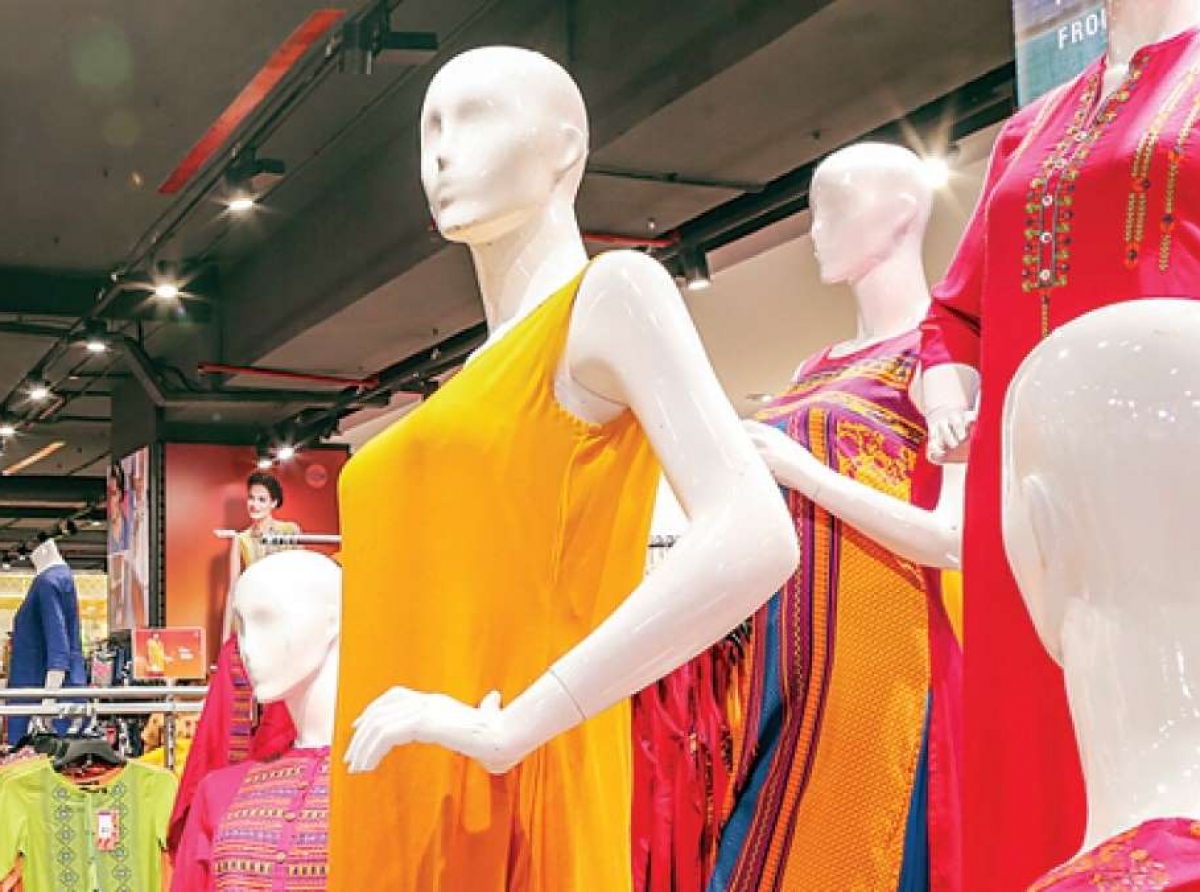
India’s organised fashion retail sector entered FY27 with a paradoxical growth story. While leading retailers reported healthy revenue growth, ranging between 8 per cent and 19 per cent year-on-year, profit trends revealed a deeper shift is underway. The first quarter of FY27 was not simply a story of consumer recovery. Instead, it highlighted a growing divide between two winning strategies: aggressive value-fashion expansion built on scale and efficiency, and premium retail models focused on higher margins, stronger loyalty and category diversification.
Large-format retailers are discovering that revenue growth alone is no longer the primary measure of success. Store productivity, inventory discipline, digital integration and margin protection have emerged as the defining factors shaping the next phase of India’s fashion retail landscape.
Revenue growth masks a margin battle
India’s leading fashion retailers delivered resilient top-line performance in Q1 FY27, but the underlying financial picture varied significantly.
Table: Indian retailers Q1 FY27 performance
|
Retailer |
Q1 FY27 revenue |
YoY revenue growth (vs Q1 FY26) |
Q1 FY27 net profit (PAT) |
Q1 FY26 PAT (LFL baseline) |
EBITDA margin (Q1 FY27) |
Store count/ operational footprint |
|
Trent Ltd |
Rs 5,666 cr |
+19.0% |
High Operating Core |
Baseline Peak |
15.2% |
1,312 stores (982 Zudio, 230+ Westside) |
|
Shoppers Stop |
Rs 1,291 cr (GAAP) |
+11.0% |
Rs -14.3 cr (Non-GAAP +Rs 5 cr) |
Rs -15.7 cr (GAAP) / -Rs 4 cr (Non-GAAP) |
11.30% |
110 Department Stores, 31 INTUNE doors |
|
Arvind Fashions |
Rs 1,279 cr |
+15.5% |
Rs 9.6 cr |
Rs 12.6 cr |
12.5% (+60 bps) |
1,200+ EBOs, 3,800+ MBO counters |
|
ABFRL (Consolidated) |
Rs 3,720 cr |
+8.5% |
Net Loss domain |
Rs -215 cr |
12.10% |
4,200+ Brand Stores, 417 Pantaloons |
The numbers underline a critical trend: while most retailers revenues increased, bottom-line performance depended heavily on operating models. Companies investing aggressively in store expansion faced higher depreciation and lease-related costs, while those improving product mix benefited from stronger margins.
Market splits into two consumer economies
The Indian apparel consumer is displaying a K-shaped recovery pattern. At one end, value-driven shoppers continue to prioritise affordability, fresh designs and frequent purchases. This has strengthened formats such as Trent’s Zudio, where products remain largely below the Rs 999 price threshold. The model depends on high inventory rotation, rapid supply chains and minimal marketing expenses.
At the other end, premium consumers are becoming more selective, purchasing fewer but higher-value products. Shoppers Stop’s performance demonstrates this shift. Around 72 per cent of its department store sales came from premium categories, while average transaction value increased 10 per cent year-on-year.
This divergence suggests that the traditional middle market is under pressure. Consumers are either trading down for affordable fashion or trading up for premium experiences, forcing retailers to sharpen their positioning.
Trent’s scale faces the challenge of maturity
Trent continued to show the power of its high-velocity retail model during Q1 FY27. The company expanded its network to 1,312 stores, including 982 Zudio outlets and more than 230 Westside stores, while standalone revenue increased 19 per cent to Rs 5,666 crore. Ther competitive advantage remains rooted in operational speed. Its supply chain can reportedly move products from design to store shelves within 12–15 days, allowing rapid response to changing consumer preferences.
However, the challenge for Trent is sustaining exceptional growth as its footprint expands. Zudio’s rapid penetration has created a larger revenue base, but like-for-like growth naturally moderates as markets become more mature. For investors and competitors, the question is no longer whether the model works, but whether the same level of efficiency can be maintained at national scale.
Shoppers Stop bets on premium categories
While value fashion dominates volume growth, Shoppers Stop is pursuing a different route: improving profitability through premiumisation. The retailer has reduced dependence on traditional apparel while increasing its focus on beauty, fragrances, accessories and private labels. Beauty sales rose 15 per cent year-on-year to Rs 327 crore, supported by a 34 per cent increase in luxury fragrance sales.
Its First Citizen loyalty ecosystem, with 13.8 million members, now contributes around 85% of retail sales, giving the company valuable consumer data and repeat purchasing capability. The revenue mix itself reflects the transformation. Apparel’s share declined from 68 per cent in Q1 FY26 to 61 per cent in Q1 FY27, while beauty and fragrance increased from 20 per cent to 25 per cent.
This strategy highlights a broader retail lesson: categories with higher margins and stronger customer engagement are becoming essential tools for apparel companies seeking profitability.
Digital channels become a growth shield
For Arvind Fashions and ABFRL, digital transformation has become central to restructuring strategies. Arvind Fashions recorded a 38 per cent year-on-year increase in online direct-to-consumer revenue, helping offset slower wholesale momentum. The company improved EBITDA margins to 12.5 per cent, although profit after tax declined to Rs 9.6 crore due to expansion costs, freight pressures and accounting impacts from store investments.
ABFRL continued its business realignment by separating its Madura Fashion & Lifestyle business from Pantaloons and its digital-first TMRW portfolio. The restructuring aims to create sharper capital allocation and allow individual businesses to pursue more focused growth strategies. The shift reflects a larger industry movement where digital is no longer viewed as an additional sales channel but as a core operating capability.
Retailers move from expansion to productivity
A comparison with Q1 FY26 reveals three major improvements across the sector. First, inventory management has improved significantly. Last year, retailers struggled with excess stock caused by election-related disruptions and extreme weather conditions. In Q1 FY27, companies adopted tighter inventory controls, with Shoppers Stop reducing inventory levels by Rs 65 crore year-on-year. Second, consumer traffic has shown gradual improvement. Large-format retailers recorded their fifth consecutive quarter of positive like-for-like footfall growth, with footfalls increasing approximately 3 per cent year-on-year.
Third, omnichannel integration has moved from experimentation to necessity. Retailers are now using digital platforms to improve customer reach, inventory utilisation and profitability.
The next growth phase
India’s fashion retail market is entering a more mature phase where store count alone will not determine winners. The strongest performers will likely be companies that combine three capabilities: efficient value delivery, premium category expansion and digital customer ownership.
The Q1 FY27 results show that India’s apparel retail opportunity remains large, but the economics of winning are changing. Retailers must balance aggressive growth with disciplined capital allocation, ensuring that every store, category and digital investment contributes meaningfully to profitability. The next retail battle will not be fought only on the shop floor. It will be decided by supply chain speed, consumer intelligence and the ability to convert scale into sustainable earnings.











 Get in Touch!
