
100% export FDI opens new digital route for Indian apparel makers
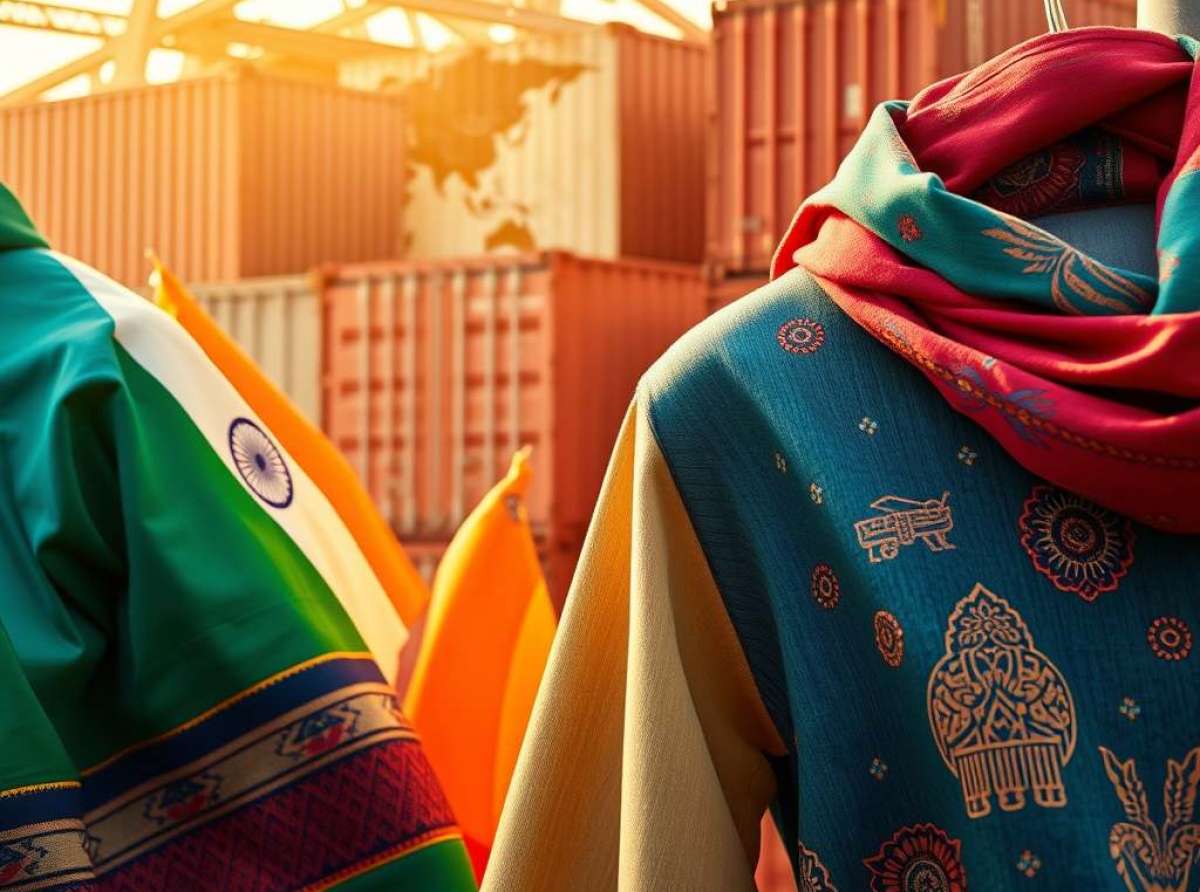
India has opened a new channel for foreign capital to participate directly in the country’s export sector, potentially changing how apparel and textile manufacturers reach overseas consumers. The government’s Press Note 3 (2026 Series), read with Directorate General of Foreign Trade (DGFT) Notification No. 27/2026-27, permits 100 per cent foreign direct investment (FDI) in inventory-based e-commerce exclusively for exports of domestically produced goods.
The move creates a regulatory distinction between domestic retail and export commerce. While foreign-backed platforms have faced restrictions for long on owning inventory for retail sales within India, the new framework allows foreign capital to acquire, warehouse and manage Indian goods destined exclusively for international markets. For apparel manufacturers, particularly MSMEs, the significance could extend beyond access to capital. It could bring logistics, working capital, inventory management and international fulfilment under a single institutional platform.
Export and domestic retail kept apart
The new framework introduces Paragraph 5.2.15.2.5 into the consolidated FDI policy, creating a dedicated route for export-oriented inventory e-commerce. The government has simultaneously built safeguards to ensure that export inventory does not enter the domestic marketplace.
Foreign e-commerce operators cannot simply use their existing domestic marketplace companies for export fulfilment. They must establish a separate legal entity functioning as an Exporter-on-Record (EOR). Inventory ownership is also linked to confirmed overseas orders, limiting the possibility of speculative stock accumulation. Each shipment must be digitally traceable to the original domestic Seller-on-Record (SOR), creating an audit trail from manufacturer to overseas customer.
The model also places a seven-day payment obligation on the EOR after acceptance of goods, potentially addressing one of the biggest constraints faced by smaller apparel manufacturers: elongated receivables cycles.
Global balance sheets enter the logistics chain
For apparel clusters such as Tiruppur, Surat, Jaipur and Ludhiana, the biggest opportunity may lie in logistics rather than simply foreign investment. Small manufacturers have traditionally had to manage fragmented freight, international payment systems, compliance, customs and reverse logistics. These costs can significantly erode the economics of small overseas consignments.
Under the emerging E-Commerce Export Hub (ECEH) model, foreign-funded operators can invest in sorting infrastructure, pre-shipment quality checks, bonded warehousing and consolidated international logistics. Bulk movement from domestic production centres to overseas fulfilment hubs can potentially reduce per-unit shipping costs, while platforms assume a greater share of inventory, foreign-exchange and return-related risks.
The framework also offers direct pass-through of export-linked benefits such as RoDTEP and Duty Drawback to eligible manufacturing sellers, helping protect vendor economics. As Arvind Singhal, Chairman, Technopak Advisors points out, direct inventory ownership by global platforms transfers transit, foreign exchange, and working-capital drag away from small garment units. The manufacturer, he adds, can focus on production while the platform’s balance sheet manages overseas warehousing and associated risks.
Smaller batches can change factory economics
The most important commercial shift could be the movement away from large seasonal export orders towards smaller, more frequent production cycles.
|
Operations |
Traditional B2B export channel |
Inventory e-commerce export model |
|
Average Order Batch Size |
5,000 to 20,000 pieces per run |
150 to 500 pieces per micro-run |
|
Payment & Realization Cycle |
90 to 120 days via Letter of Credit |
Maximum 7 days upon hub intake |
|
Logistics & Compliance Cost |
12% to 15% (Container Ocean Freight) |
18% to 22% (Platform-managed Door-to-Door) |
|
Product Lead Time |
60 to 90 days lead planning |
10 to 15 days agile turnarounds |
|
Inventory & Return Risk |
Buyer default / order cancellation risk |
Platform absorbs return logistics |
The e-commerce model carries higher logistics costs as a percentage of sales, but potentially compensates through faster cash conversion, smaller production runs and lower counterparty risk.
A 45-loom casualwear manufacturer in Tiruppur, Cotton Craft International, is an example of this change. After allocating 30 per cent of its capacity to registered e-commerce export aggregators, the company reportedly reduced its working-capital cycle to below 20 days from a model characterised by payment periods exceeding 100 days.
Although margins under e-commerce fulfilment contracts are around 8-10 per cent tighter than peak direct export contracts, more predictable cash flows and lower international non-payment exposure have improved capital efficiency.
Speed is the new export advantage
The policy arrives as India seeks to substantially increase the scale and sophistication of its textile and apparel exports. The country has set an ambition of taking textile and apparel exports towards $100 billion by 2030, with cross-border e-commerce potentially contributing as much as $10 billion.
That target requires Indian suppliers to compete not only on manufacturing costs but also on responsiveness. Global fashion platforms demand shorter lead times, smaller batches and frequent product refreshes. For manufacturers, that means moving away from production calendars built around 60-90 day seasonal commitments towards agile 10-15 day cycles where feasible.
This could particularly benefit categories such as knitwear, ethnic apparel, home textiles and digitally driven fashion, where product assortment can be tested in overseas markets without committing to conventional container-scale orders.
Creating a digital export corridor
The ECEH framework effectively creates an institutional bridge between India's fragmented manufacturing base and global digital retail. Its significance will ultimately depend on how quickly export hubs, customs systems, logistics providers and foreign platforms integrate the model at scale. The compliance architecture is deliberately restrictive, but that separation could also provide confidence that export-oriented foreign investment will not distort India's domestic retail market.
For Indian apparel MSMEs, the bigger change is strategic: foreign capital is no longer entering only to build marketplaces. Under the export-only framework, it can potentially bring inventory ownership, fulfilment infrastructure and overseas consumer access closer to the factory gate.
If executed efficiently, the policy could turn cross-border e-commerce from an additional sales channel into a new export infrastructure layer for Indian apparel.











 Get in Touch!
