
Arvind Fashions reclaims Flying Machine ownership to boost D2C growth
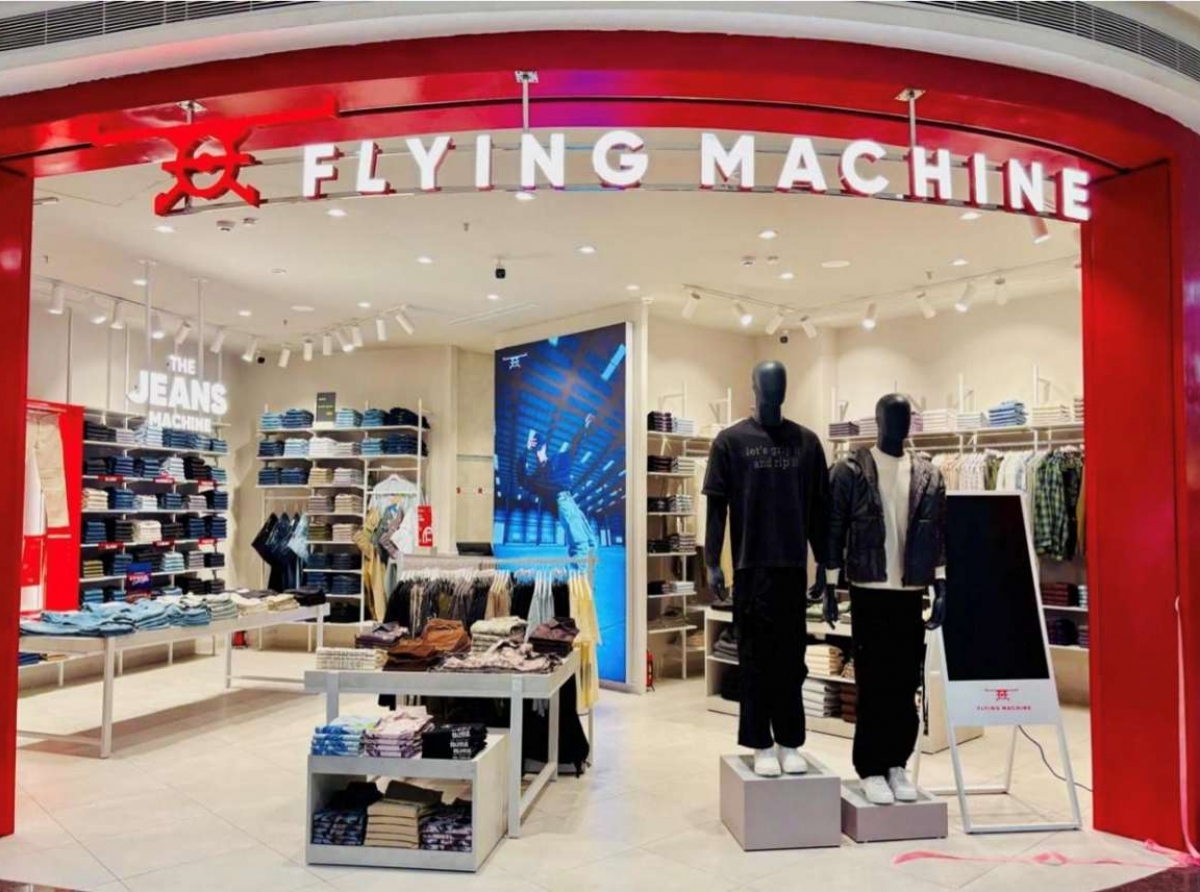
Arvind Fashions has completed a Rs 135-crore acquisition of Flipkart Group’s 31.25 per cent stake in Arvind Youth Brands, making Flying Machine a wholly owned subsidiary and giving the apparel major complete control over the four-decade-old denim label. The transaction comes as Arvind seeks to reposition Flying Machine from a traditional branded denim business into a more tightly controlled, direct-to-consumer (D2C) youthwear platform. The brand’s revenue declined 8.5 per cent, from Rs 472.38 crore in FY23 to Rs 432.16 crore in FY25, increasing the urgency around its ongoing turnaround.
Rather than build another youth brand from scratch, Arvind is using Flying Machine’s established brand recognition, distribution network and consumer familiarity as the foundation for renewed growth.
Table:
|
Parameter |
Flying Machine performance & targets |
|
FY23 Turnover |
Rs 472.38 cr |
|
FY25 Turnover |
Rs 432.16 cr (-8.5% decline over two years) |
|
Buyout Consideration |
Rs 135 cr for 31.25% equity stake |
|
Recent Digital Growth |
70% B2C digital expansion post-repositioning |
|
Retail Growth Trajectory |
Double-digit store expansion |
|
Proprietary Web Launch |
flyingmachine.com planned for H2 FY27 |
From marketplace to ownership
The Flying Machine buyout is significant because it gives Arvind greater control over product, pricing, promotions and consumer engagement. The company had entered a partnership with Flipkart in 2020, gaining access to the marketplace’s large digital customer base. However, marketplace-led growth can also expose brands to discounting pressures and limit access to first-party consumer data.
Arvind’s new structure allows Flying Machine to retain broad-based marketplace distribution while developing its own digital infrastructure. The company plans to launch flyingmachine.com in the second half of FY27, creating a dedicated online channel alongside its existing retail and marketplace presence. The strategy is aimed at improving price realization while building direct relationships with consumers.
Reworking the youthwear proposition
Flying Machine is also moving beyond its traditional denim positioning. Its current merchandise strategy includes relaxed fits, oversized silhouettes, streetwear-inspired products and premium utility apparel designed to appeal to Gen Z and millennial consumers. The early indicators have been encouraging. Online B2C sales have risen 70 per cent following repositioning, while the retail network has recorded double-digit growth. The challenge now is to convert that momentum into sustained profitable growth without reverting to deep discounting.
Two brands, two roles
Arvind Fashions is simultaneously pursuing a greenfield strategy through AD, its contemporary ready-to-wear label, and a revival strategy through Flying Machine. AD is positioned as a faster-moving youthwear platform, allowing Arvind to experiment with trends, urban aesthetics and shorter merchandise cycles. Actor and performer Raghav Juyal was signed as its brand ambassador in September 2025, while the brand launched its ‘Urban Pause 2.0’ Spring/Summer 2026 collection and dedicated e-commerce platform, adbyarvind.com. Flying Machine, by contrast, offers the scale and heritage. Its established customer base and distribution footprint give Arvind a larger platform on which to deploy its D2C strategy. This effectively creates a two-speed youthwear portfolio: AD can test emerging trends, while Flying Machine can scale proven propositions across markets.
D2C becomes the growth lever
Arvind’s broader financial performance underlines the increasing importance of owned consumer channels. The company reported consolidated FY26 revenue of Rs 5,266 crore, a 14 per cent year-on-year growth. D2C and branded retail counters contributed 56 per cent of fourth-quarter sales, while group-wide online B2C volumes increased 45 per cent during the fiscal year. For Flying Machine, the next phase will therefore involve balancing its extensive third-party distribution with proprietary digital growth. Complete ownership also removes potential friction in decisions around pricing, product launches and channel allocation. This could help the brand present a more consistent full-price proposition across stores, marketplaces and its own website.
Legacy brand, new retail model
Flying Machine was established in 1980 by Arvind Limited as India’s first domestic denim brand. Its revival reflects a broader shift in Indian fashion retail, where established labels are increasingly combining physical distribution with D2C infrastructure rather than relying predominantly on wholesale or marketplace channels. The Rs 135-crore transaction is therefore more than an ownership change. It is Arvind Fashions’ attempt to extract renewed value from an established youth brand while bringing its customer relationship, pricing architecture and digital growth strategy increasingly under its own control. The success of the strategy will ultimately depend on whether Flying Machine can translate its recent digital and retail momentum into sustained revenue growth and stronger margins while remaining relevant to younger consumers.






 Get in Touch!
