
Uniqlo India strengthens market position as FY26 net profit rises to Rs 253 crore
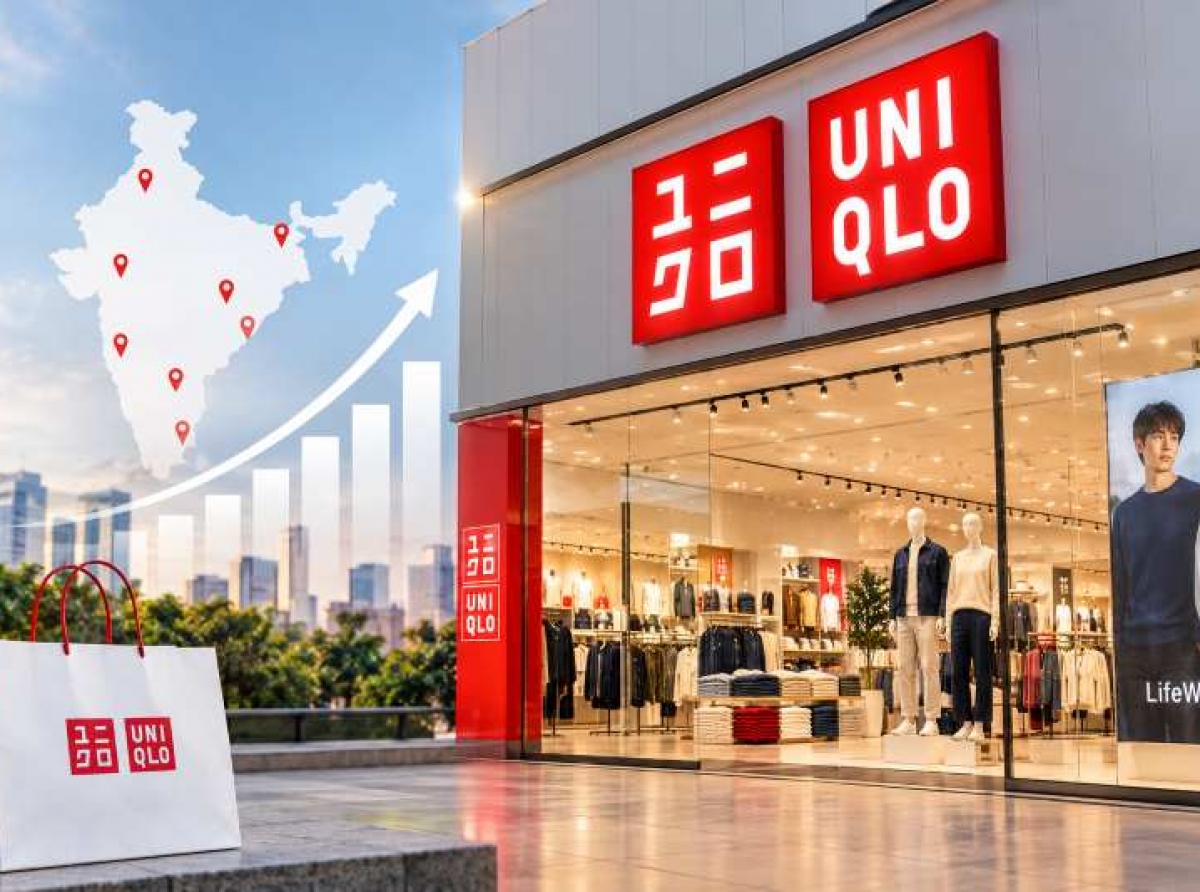
Uniqlo continues to strengthen its position in India's competitive apparel market as Japanese global fashion retailer registered a 41 per cent rise in net profit to Rs 253 crore in FY26 ended March 2026 as against Rs 180 crore registered in FY25. Driven by strong store-level productivity and accelerated inventory turnover, the brand’s revenue increased by 44 per cent to Rs 1,724 crore. High consumer demand for functional daily wear - such as Heattech and Airism ranges - helped the brand outperform legacy fast-fashion competitors amidst tighter retail spending across urban centers.
Capital spending shift to local supply chains
Uniqlo’s margin expansion reflects a broader structural operational model centered on local sourcing efficiency. The brand manufactures over 30 per cent of its inventory locally through partnerships with more than 20 Indian textile mills and garment facilities. This local supply chain strategy mitigates import duty volatility while supporting modern spinning, weaving, and finishing standards required for high-volume apparel manufacturing. India remains a central anchor for our Asia-Pacific footprint, combining robust consumer demand with increasingly efficient local manufacturing capabilities, states a senior Fast Retailing executive.
Strategic store rollouts and market footprint
To capture momentum in non-metro hubs, Uniqlo is ramping up retail real estate investments across Tier-I &II locations. The company plans to scale its physical footprint toward its long-term revenue target of Rs 3,000 crore. Facing rising commercial real estate rental costs and competitive pressure from international fast-fashion rivals, Uniqlo is leveraging automated omnichannel fulfillment to protect retail operating margins while deepening market penetration.
Owned by Fast Retailing Co, Uniqlo India provides functional, high-quality LifeWear apparel. Operating major retail outlets and e-commerce across metro and Tier-1 Indian cities, it focuses on core categories like functional innerwear, outerwear, and everyday basics. The company aims to achieve Rs 3,000 crore in annual sales by opening strategic new stores, expanding local manufacturing sourcing, and maintaining double-digit annual profit growth built on its seven-year market presence.











 Get in Touch!

