
From Zudio to Off-White, India’s fashion market splits between volume and premium
20 February 2026, Mumbai
The Indian fashion and lifestyle sector is passing through a sharply bifurcated growth path in FY26. Nine-month (9M) performance data reveal a market advancing at two distinct speeds: digital-first platforms and premium-focused brands are moving ahead, while value-conscious mass-market retailers are fighting for share in Tier II, III cities. Nykaa (FSN E-Commerce), for instance, reported a 25 per cent growth rate in revenue, showcasing the resilience of premium beauty and lifestyle offerings, while traditional brick-and-mortar players are recalibrating their strategies to balance volume with margin protection. Industry projections suggest that the organized apparel market is on track to reach Rs 16 lakh crore by FY30, but in the immediate term, the winners are those who combine precise portfolio segmentation with aggressive regional expansion.
Digital-first lead the trend
Nykaa’s 9M FY26 revenue of Rs 7,374 crore reflects the platform’s growing dominance in India’s beauty and fashion ecosystem. The ‘One Nykaa’ approach integrating owned brands, curated global alliances, and seamless e-commerce logistics, has positioned it as the sectoral gold standard. Brands like Dot & Key and Kay Beauty are central to its growth, complemented by high-profile partnerships such as Nike x Nykaa, which serve as a blueprint for global athletic brands entering India’s digital-first retail environment.
Despite macroeconomic headwinds, the platform’s 25 per cent growth highlights the relative insulation of the premium beauty segment from discretionary spending volatility, underscoring the enduring appeal of high-quality, aspirational products.
Zudio and the mass-market shift
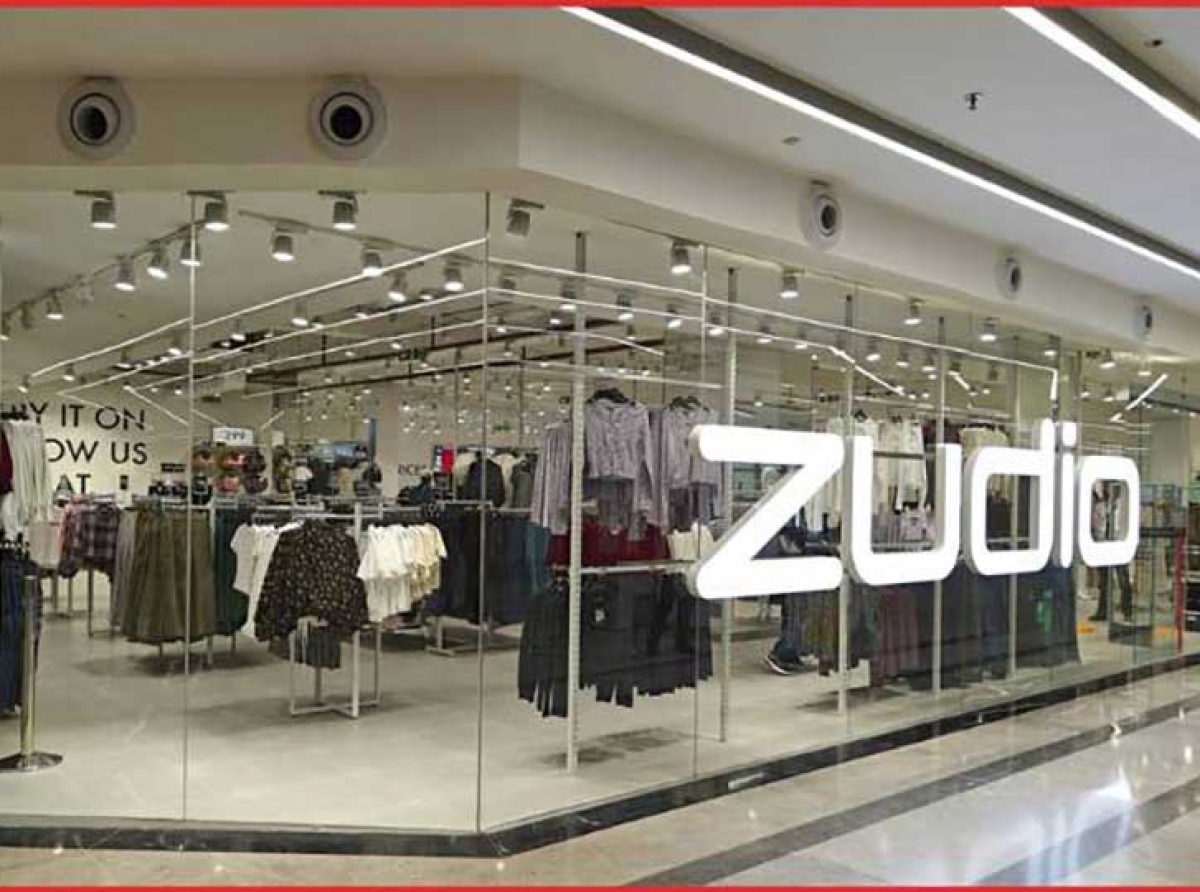
In the physical retail space, Trent Ltd has emerged as an outlier with a 16 per cent growth rate, largely pushed by its Zudio value-fashion format. By maintaining sub-Rs 999 price points and refreshing inventory weekly, Zudio has effectively disrupted India’s mass-market segment, prompting peers like V-Mart Retail, also reporting 16 per cent growth in 9M FY26 to adjust forecasts and strategies.
V-Mart, after a softer festive season, has revised its full-year revenue guidance to 15-18 per cent, while simultaneously doubling down on its premium ‘Unlimited’ format in South India to safeguard margins. The Zudio-fication of retail underscores a survival imperative: efficient sourcing, rapid inventory turnover, and acute price sensitivity remain critical to sustaining growth in India’s price-conscious markets.
Premiumization as a margin lever
While mass-market retailers chase volume, established players like Reliance Retail Ventures and Shoppers Stop are using premiumization to protect margins. Reliance, with a Rs 2,39,799 crore revenue base, is driving curated, trend-led assortments across 1,300 cities. Shoppers Stop reports that premium brands now account for 69 per cent of sales, with its First Citizen loyalty program responsible for 84 per cent of revenue.
Read our latest issue
Even ethnic wear stalwarts such as Biba have adopted premium strategies. Having returned to profits in July, Biba is targeting 15-20 per cent growth by launching standalone bridal stores in heritage markets like Chandni Chowk, with price points reaching Rs 1,00,000, reflecting the sector’s willingness to experiment with high-value offerings.
Table: FY26 9M retail performance snapshot
|
Company |
9M revenue (Rs cr) |
Growth % |
Drivers |
|
Reliance Retail Ventures |
2,39,799 |
13% |
Omni-channel dominance |
|
Avenue Supermarts (DMart) |
49,764 |
15% |
EDLP (Everyday Low Price) |
|
Trent Ltd |
15,046 |
16% |
Zudio & Westside expansion |
|
FSN E-Commerce (Nykaa) |
7,374 |
25% |
Beauty GMV & Owned Brands |
|
Aditya Birla Lifestyle Brands |
6,222 |
6% |
SSSG across large network |
|
V-Mart Retail |
3,115* |
16% |
Tier-2/3 market penetration |
* V-Mart full-year guidance revised to 15-18 per cent growth post soft festive season.
The data reflects the widening growth gap between digital-first and value-driven models. Nykaa’s 25 per cent growth outpaces even high-volume physical retailers, highlighting digital scalability and premium brand leverage. In contrast, the growth of Reliance and DMart is volume-driven, emphasizing omni-channel reach and everyday low price strategies rather than premiumization.
Kewal Kiran Clothing’s multi-category expansion
Kewal Kiran Clothing Limited (KKCL) stands out in the menswear and branded apparel space. H1 FY26 marked the company’s best-ever quarterly performance, with Q2 revenue up 14.9 per cent. Originally a denim-focused player with the Killer brand, KKCL has successfully integrated Kraus to capture women’s western wear, expanding its Exclusive Brand Outlet (EBO) network to 623 stores. By emphasizing innovation-led brand building and higher realizations per piece, KKCL has maintained gross margins above 42 per cent, proving that heritage brands can shift into multi-category growth while retaining profits.
Global entrants boosting luxury and athleisure demand
Year 2026 is also witnessing an increase in international entries. Off-White is launching its first flagship stores in India, while Lululemon is entering through Tata CLiQ. Nearly 40 per cent of Indian consumers are experimenting with higher-priced labels, spurred by social influence and accessible affordable premium segments. The influx of global luxury and athleisure players illustrates a maturing market willing to embrace aspirational, higher-value products.
India’s retail market, the fifth-largest globally, is transitioning from fragmented, unorganized formats to structured, organized networks that now constitute 41 per cent of total sales.
Growth categories include apparel and beauty, with women’s wear and activewear showing the fastest expansion. Traditional high-street formats are now complemented by clicks-and-mortar approaches, targeting a $1.6 trillion valuation by 2030, driven by rapid urbanization and a 600-million-strong middle class. Rahul Mehta, Chief Mentor of the Clothing Manufacturers Association of India, sums up the market reality: "The Indian consumer is simultaneously price-sensitive and quality-obsessed. In 2026, the winners are those who justify their pricing through utility and brand experience, rather than just volume."










 Get in Touch!
