
Premium, phygital, profitable, the new playbook for Indian retail
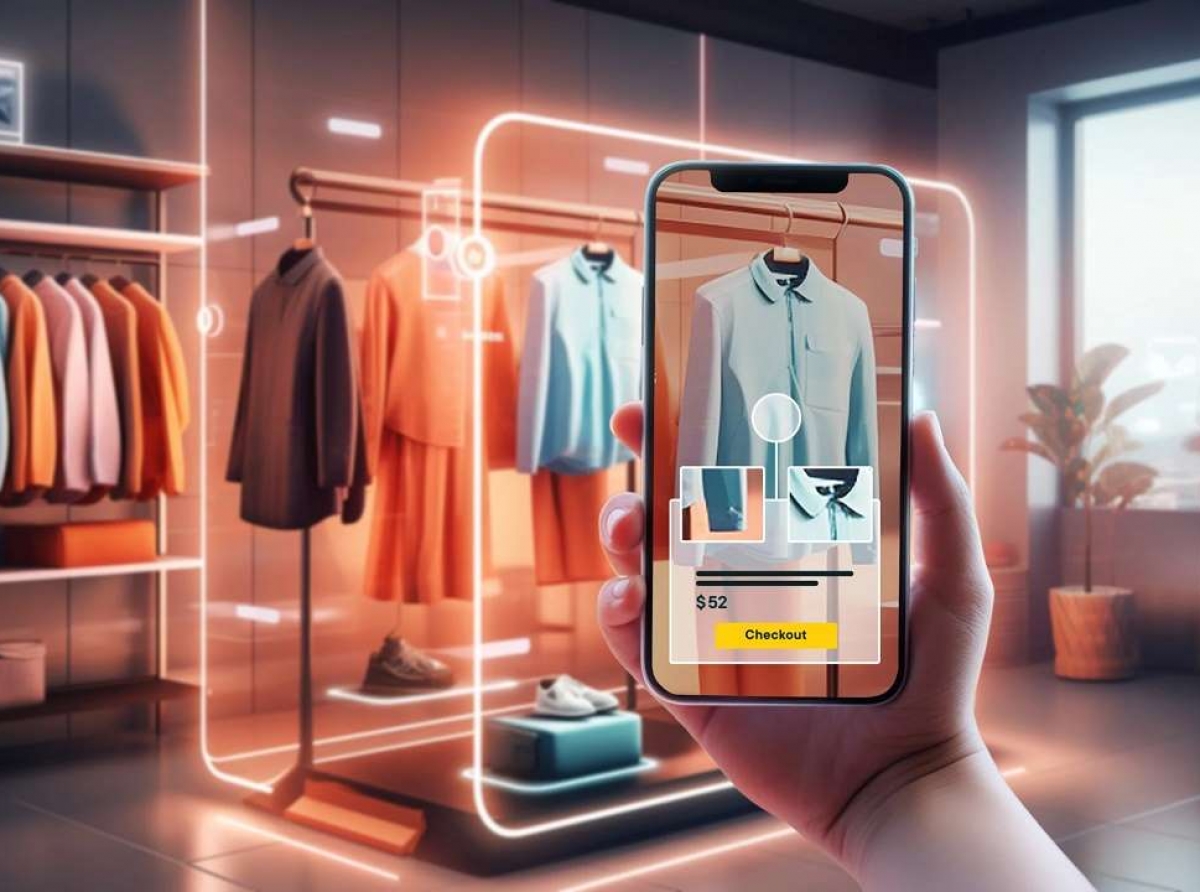
India’s retail has moved past the era of just availability. For decades, the biggest challenge for global and domestic fashion brands was building a supply chain that could reach a fragmented population. Today, that hurdle has been cleared. With digital penetration ensuring that Tier-II city consumer can order the same limited-edition sneaker just like a Mumbaikar, the physical store is being forced to justify its existence through something far more elusive than inventory: the high-octane experience.
Store ‘dwell time’ boosts conversions
In 2026, the differentiator for apparel giants is not just the breadth of their SKU count but the depth of their consumer engagement. Recent fiscal quarter data reflects organized retail space in India grown over 25 per cent compared to pre-pandemic benchmarks. This is not just a quantitative increase; it reflects a qualitative shift towards theatre-led retail. Flagship stores are increasingly dedicating up to 30 per cent of their shop floors to non-commercial activities, such as customization zones, digital styling pods, and curated lounges.
This is due to a growing consumer demand for shopping as a leisure activity rather than a chore. Analysts note that brands focusing on ‘dwell time’ are seeing a 15 to 20 per cent higher conversion rate compared to traditional high-volume layouts.
The urban sprawl into aspirational belts
The geographic weight of Indian retail is tilting. While metros remain the primary revenue drivers, the growth velocity in Tier-II, III cities like Lucknow, Indore, and Coimbatore is outstripping the national average. This ‘rurban’ middle class is flush with disposable income and an appetite for premiumization that matches metro standards. Retailers are responding by launching hybrid concept stores blending local cultural motifs with global aesthetics. This strategy reduces the risk of a generic brand experience and fosters local loyalty. Economic indicators suggest that per-capita spending on lifestyle apparel in these emerging clusters is projected to grow at a CAGR of 12 per cent over the next three years, led by a demographic dividend where nearly 65 per cent of the population is under the age of 35.
Digital integration and the tech-Infused fit
The modern fashion storefront is becoming a physical manifestation of a brand’s digital ecosystem. The integration of Augmented Reality (AR) in trial rooms and Artificial Intelligence (AI) in inventory management is solving the perennial retail headache: the returns crisis. By allowing customers to visualize garments in different lighting or virtually wear accessories, brands like Zara and H&M are reducing return rates, which often plague e-commerce margins. The example of a leading domestic ethnic wear brand revealed that implementing 3D body-scanning technology in their flagship outlets led to a 40 per cent reduction in alteration requests and a marked increase in customer satisfaction scores. This technological layer ensures that the physical store remains the most efficient point of sale.
The economic imperative of sustainable scale
Despite the optimism, the sector faces a tightening of operational margins due to rising real estate costs and supply chain volatility. The challenge for 2026 lies in scaling these high-cost experiential models without eroding profits. Leading retailers are adopting green lease agreements and energy-efficient store designs to manage long-term overheads. The broader sector impact is clear: the market is consolidating around players who can master the phygital balance. As the retail sector's contribution to India’s GDP continues to hover around the 10 per cent mark, the move from access-driven to experience-driven commerce is not just a trend, it is a survival mechanism in a market where the consumer is more informed, more impatient, and more demanding than ever before.
Moreover,. India’s retail evolution is anchored by a massive, young consumer base with rising purchasing power. Most domestic fashion retailers are focusing on lifestyle segments, specifically athleisure and premium ethnic wear, while aggressively expanding into smaller cities. With a shift from unorganized mom-and-pop shops to structured mall ecosystems, the sector is eyeing a double-digit growth trajectory, aiming for a trillion-dollar valuation by the end of the decade.










 Get in Touch!
