
PUMA, RCB take team merchandise from stadiums to luxury fashion
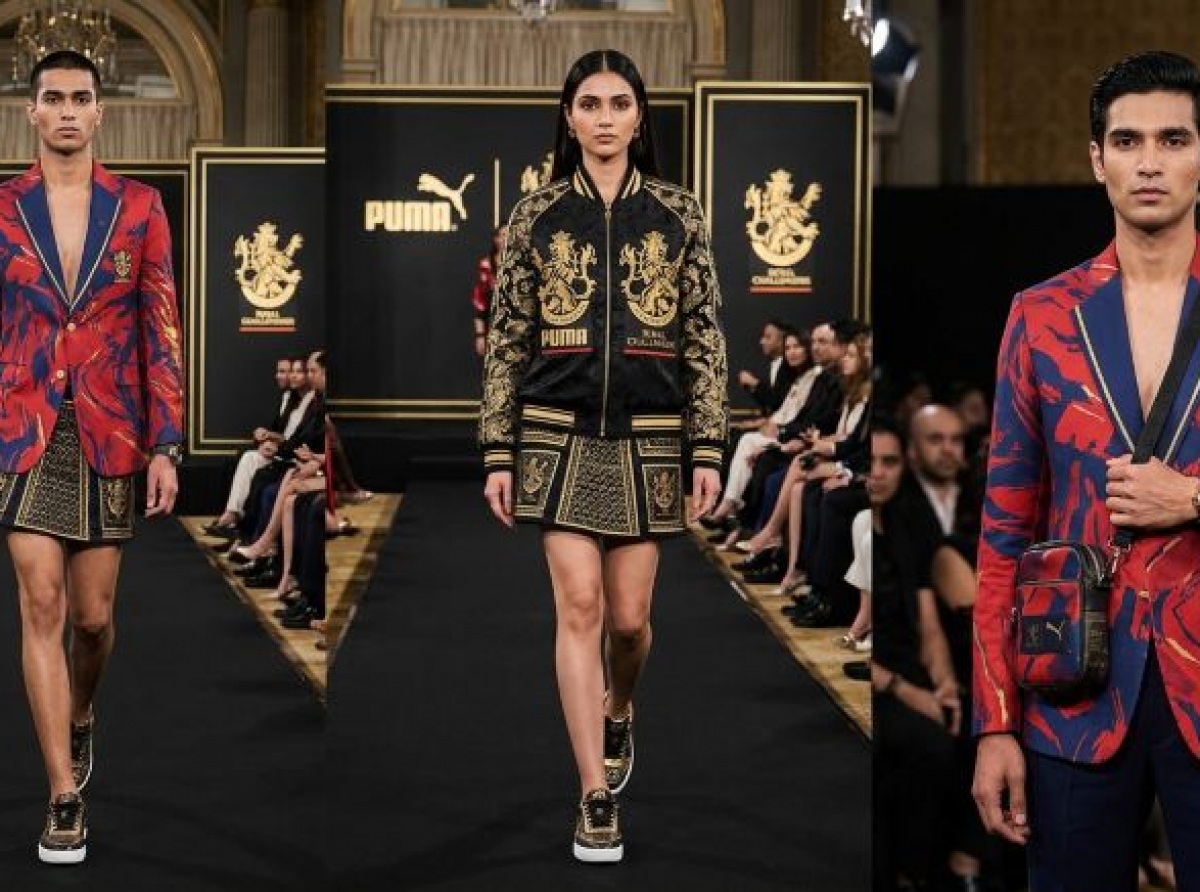
The Royal Challengers Bengaluru (RCB)-PUMA collaboration with designer Dhruv Kapoor at Milan Fashion Week signals a premium shift in Indian sports merchandising. By taking three handcrafted garments to Kapoor’s Spring/Summer 2027 runway show, ‘Presence’, the partnership positioned cricket merchandise as luxury fashion rather than match-day fanwear.
The capsule’s two bomber jackets, priced at Rs 49,999 and Rs 61,999, command a substantial premium over conventional replica jerseys. The pricing strategy reflects a broader ambition: monetise cricket franchise identities through high-value lifestyle products and international fashion exposure.
The move comes as India’s activewear and sportswear market expands, with the domestic segment projected to approach $15 billion by 2028 at an annual growth rate exceeding 14%. As consumers trade up from functional sportswear to design-led apparel, brands are testing how far sporting loyalty can translate into premium fashion spending.
Breaking the IPL cycle
For cricket franchises, the commercial challenge has long been seasonality. Merchandise sales typically peak during the Indian Premier League’s tournament window before losing momentum during the rest of the year.
The Milan showcase offers a way to extend engagement beyond the cricket calendar. It builds visibility ahead of a broader retail launch planned for March 2027, timed before the next IPL season.
The collection also changes the product proposition. Instead of relying on team logos and mass-produced polyester jerseys, the garments feature upcycled technical fabrics, layered double-front zippers, raw-edge armholes, hand embroidery and leather-lined contrast panels.
The limited-run strategy, with planned availability through select flagship stores in New Delhi and Bengaluru and Kapoor’s digital channels, follows the scarcity-led model used by luxury and streetwear labels. For designer Dhruv Kapoor, the objective is to move team merchandise beyond match-day consumption and towards products valued for craftsmanship, design and longevity.
Global playbook, Indian IP
International football has shown how sports franchises can build lifestyle businesses beyond their core audiences. Paris Saint-Germain’s collaboration with Nike’s Jordan Brand helped establish the club as a global streetwear name, while Juventus’ partnership with Adidas and Palace brought football branding into skate culture and limited-edition fashion.
Indian cricket offers comparable cultural reach, but its merchandising market has traditionally leaned towards affordable jerseys and mass-market fanwear. Counterfeit products and limited differentiation have also constrained the scope for premium licensing.
The RCB-PUMA initiative tests whether a leading Indian franchise can use controlled distribution, design partnerships and premium pricing to build a distinct merchandise category. The opportunity extends beyond dedicated cricket followers. Fashion-conscious consumers who may not regularly watch matches could still buy into a franchise’s identity through streetwear and collectible apparel.
The brand halo
The economics of the capsule extend beyond jacket sales. At prices approaching Rs 62,000, the collection targets a narrow customer base, making broad-based volume an unlikely immediate objective. Its larger role is brand visibility. A Milan Fashion Week showcase can strengthen PUMA’s premium positioning and create an aspirational halo around its wider lifestyle range, including sneakers, sweatshirts and athleisure.
Consumers unwilling to spend Rs 50,000 or more on a limited-edition jacket may still trade up to more accessible products carrying the same brand associations. For retailers, such collaborations can also help differentiate stores and improve the value generated by premium merchandise. However, claims of higher margins or store productivity will depend on production costs, sell-through rates and the ability to sustain demand beyond the launch period.
Premiumisation has limits
Scaling luxury sports merchandise across India will require careful positioning. Five-figure prices remain accessible to a limited segment of consumers, particularly in metropolitan markets. Excessive premiumisation could also distance franchises from the mass fan base that gives their brands value.
Production presents another challenge. Handcrafted finishes, specialised materials and limited-edition runs require different sourcing and quality-control systems from the high-volume manufacturing models used in mainstream sportswear.
PUMA, which entered India in 2006, has built a substantial domestic retail presence across footwear, running, cricket and lifestyle categories. The RCB collaboration adds another route to premiumisation, but its long-term value will depend on whether runway visibility converts into sustained retail demand.
For Indian sports franchises, the strategic shift is clear: merchandise is increasingly a lifestyle proposition rather than a seasonal licensing product. The next test is whether luxury collaborations can generate repeat purchases and profitable year-round business without losing the mass appeal that makes cricket commercially powerful.









 Get in Touch!

