
High-tech couture and sustainability dominate Lakmé Fashion Week 2026
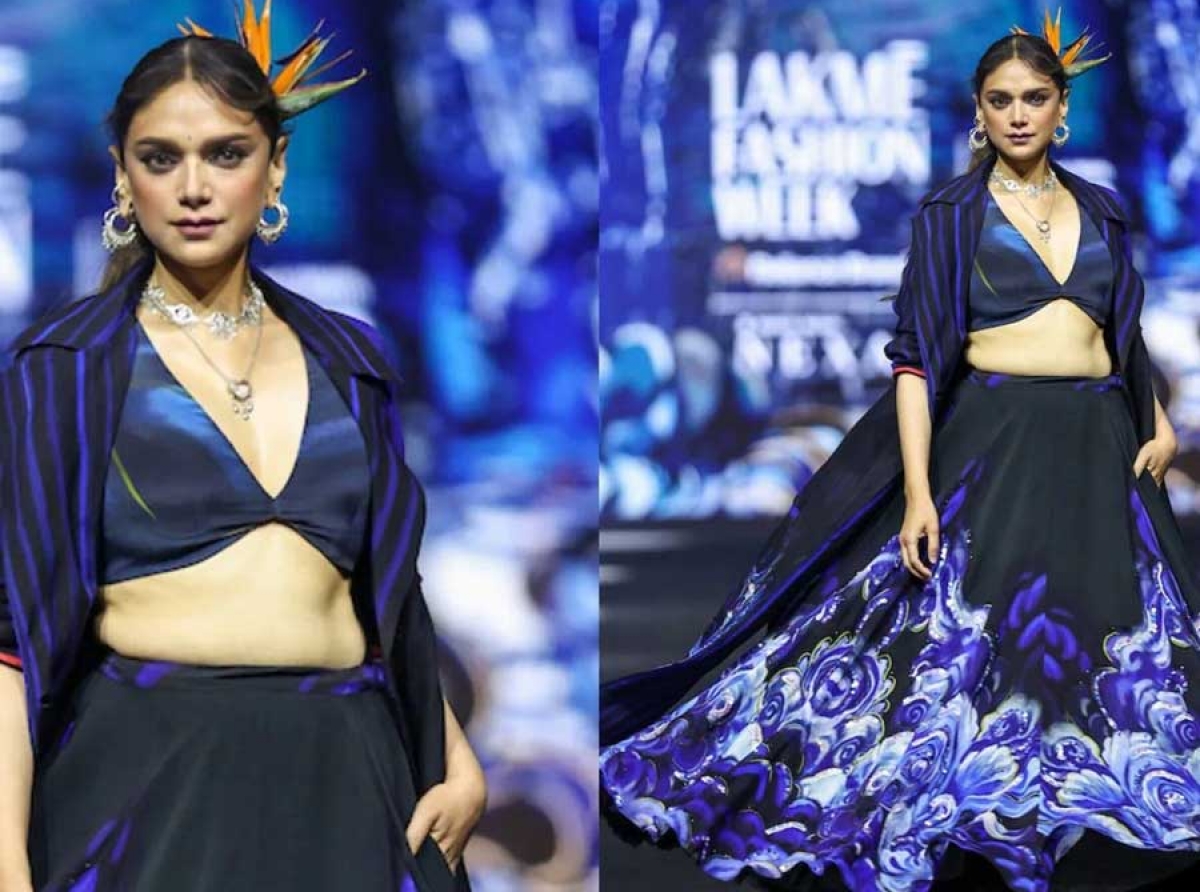
23 March 2026, Mumbai
As India’s luxury apparel market scales toward a projected $10.9 billion valuation by 2034, Day 3 of Lakmé Fashion Week x FDCI 2026 showcased a critical shift from traditional bridal-heavy narratives to ‘Future-Modern’ engineering. The spotlight transitioned from mere celebrity presence to advanced textile science, most notably through Amit Aggarwal’s ‘Orizon’ collection. Utilizing upcycled polymers and structured metallic polymers, the showcase demonstrated how sculptural couture is becoming a viable commercial segment in India’s expanding premium retail landscape. This technical evolution reflects a broader industry CAGR of 3.42 per cent, where affluent consumers are increasingly prioritizing "investment pieces" over transient festive wear.
Material science as the new runway muse
Innovation took center stage with designer Anurag Gupta’s ‘The New Primitive,’ which unveiled a newly developed textile engineered using plasma technology. This process enhances the tensile stability and structural memory of natural fibers, allowing for architectural silhouettes that retain organic softness. Such developments are critical as the Indian textile industry aims for a $190 billion valuation by late 2026. The integration of high-performance materials like R|Elan and Supima cotton across collections by Payal Pratap and Rahul Mishra further underscores the sector's shift toward high-utility, sustainable luxury. We are seeing a convergence where craft must meet discipline and engineering to remain globally relevant, noted Amit Aggarwal following his show.
Operational shifts and retail resilience
The 2026 edition also highlights a strategic shift in retail distribution, with brands like Manish Malhotra launching dedicated luxury prêt lines to capture the burgeoning ‘convenience-luxury’ segment. Amidst global logistical volatility, these domestic designers are leveraging localized supply chains and ‘On-Demand’ manufacturing to mitigate 20 per cent–40 per cent freight surges impacting Asian exports. By focusing on multi-wear separates and ‘Travel-Ready’ couture, the industry is successfully tapping into a consumer base that has grown by 15.4 per cent in the technical and sports-luxe categories. This movement toward ‘Quiet Luxury’—characterized by artisanal density rather than conspicuous branding - is setting a new benchmark for Indian fashion on the global stage.
India’s premier fashion incubator
Lakmé Fashion Week x FDCI is India’s foremost trade platform blending high-street retail with artisanal couture. Operating primarily in Mumbai and New Delhi, it serves as a launchpad for ‘GenNext’ talent and established luxury houses. The platform maintains a robust growth trajectory by integrating 100 per cent FDI-backed retail partnerships and sustainable textile initiatives like the Circular Design Challenge.






 Get in Touch!
