
Fabindia accelerates western wear and quick commerce to drive retail growth
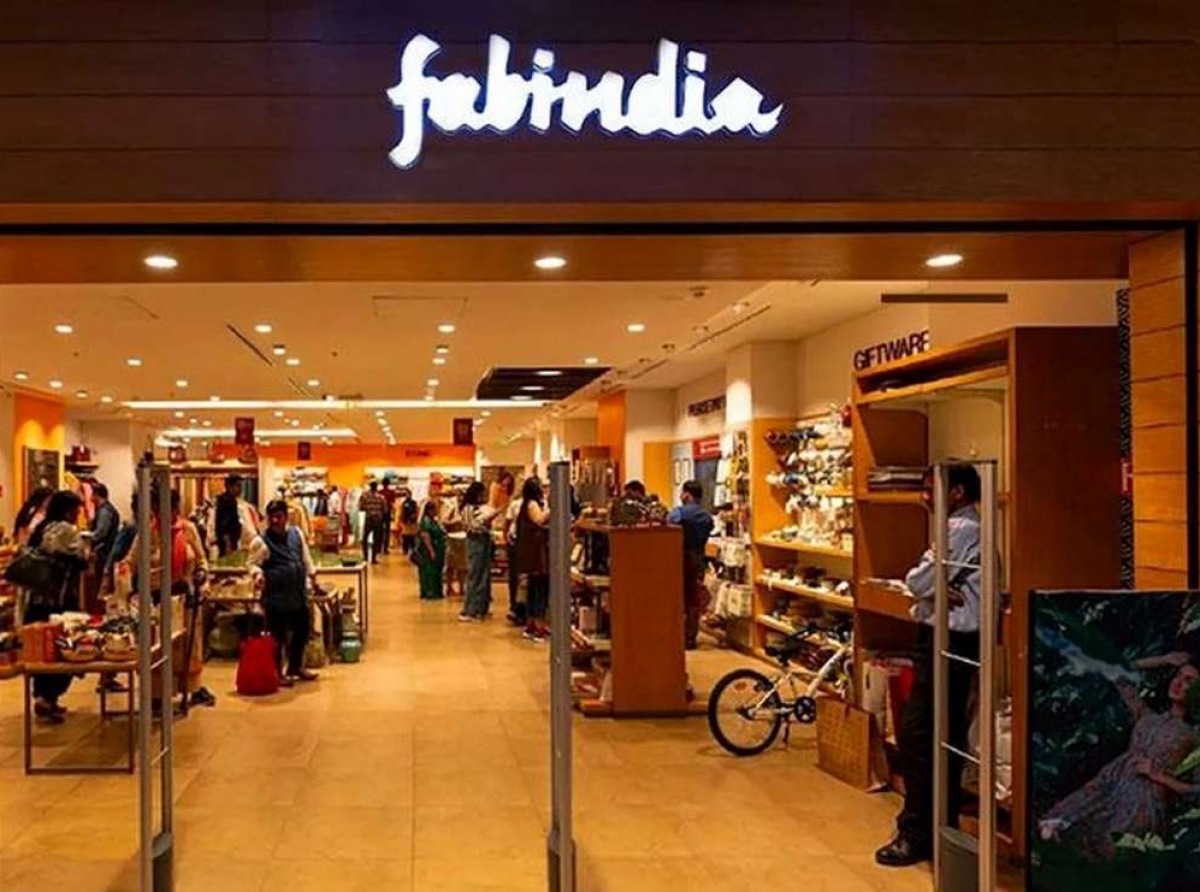
Fabindia is restructuring its core retail strategy to capture younger consumers and protect operating margins amid intensifying competition from fast-fashion giants. The heritage lifestyle brand is leaning into its Western wear brand, Fabels, while expanding into non-traditional sales channels like quick commerce.
Strategic shift toward modern silhouettes
While ethnic apparel continues to command nearly 70 per cent of total apparel sales, growth in modern, Western-inspired lines is outpacing traditional categories. Driven by changing consumer demographics in Tier-1 metros, the retailer is scaling its modern apparel label to provide contemporary cuts without sacrificing sustainable fabric sourcing. To complement store traffic across its network of over 360 operational locations, Fabindia became an early pioneer in hyper-fast fulfillment, listing staple product categories on platforms like Blinkit and Zepto.
Our growth agenda centers on multi-channel accessibility. Adapting traditional textiles into contemporary styles allows us to reach younger demographics without losing brand identity, noted an executive familiar with internal operations.
Despite persistent inflationary pressure on retail overheads, revenue for FY26 reached Rs 1,112.08 crore, compared to Rs 1,059.64 crore in FY21, with EBITDA holding at Rs 130.26 crore. Industry analysts observe, integrating modern apparel cuts and instant digital distribution provides the company with a reliable pathway to optimize store economics, retain market share, and stabilize long-term cash flow.
Focusing on premiumized product portfolio diversification
Founded in 1960 as an export venture, Fabindia has grown into an iconic lifestyle retailer offering ethnic and Western apparel, home furnishings, and personal care products. The brand operates over 360 stores domestically while selectively expanding into international hubs including Italy, Dubai, and Singapore. Fabindia maintains an annual revenue profile above Rs 1,100 crore, focusing future growth on omnichannel scale and premiumized product portfolio diversification.









 Get in Touch!

