
Snitch’s Rs 900 cr growth puts India’s fast-fashion margins to test
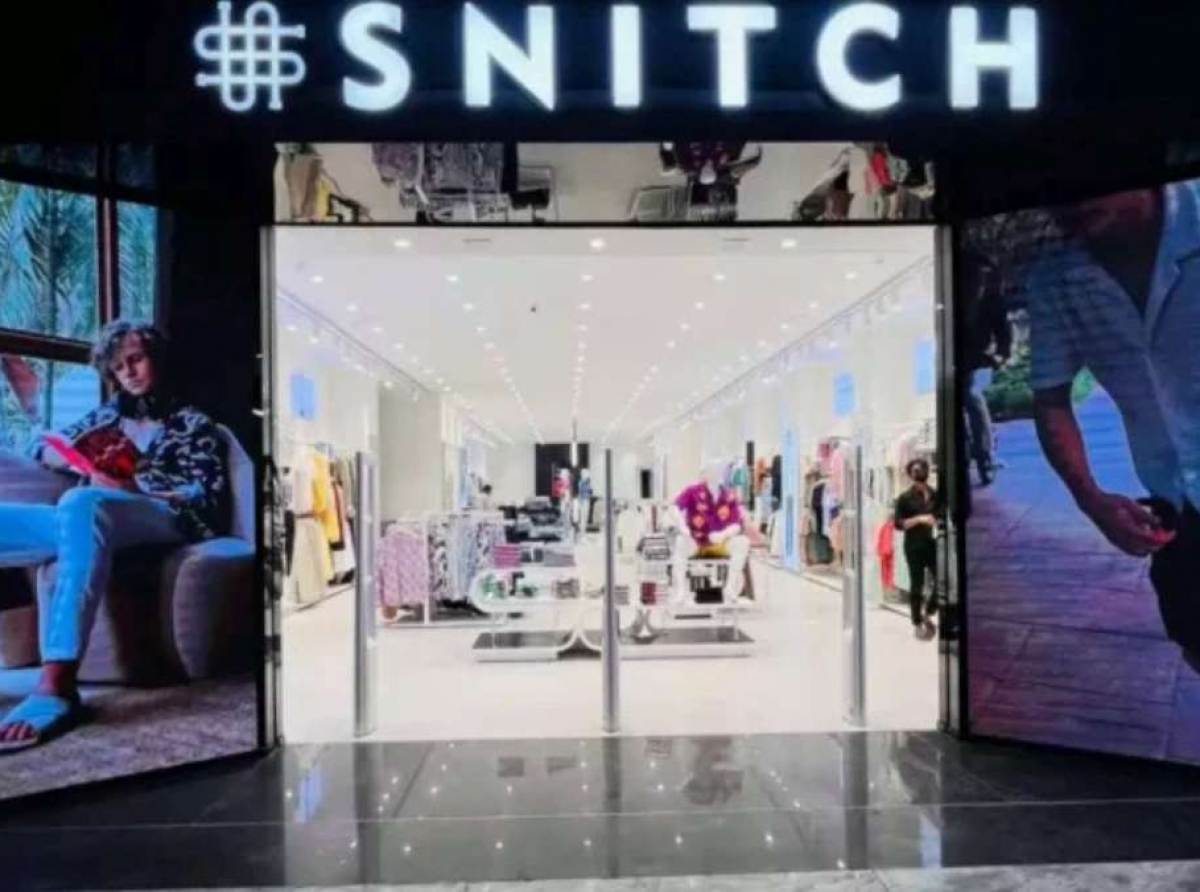
India’s new age apparel brands have shown that they can build revenue rapidly. The harder question now is whether they can convert that scale into sustainable cash flows. Bengaluru-headquartered Snitch offers a clear example of this transition. The men’s fashion brand closed FY26 with operating revenue of around Rs 900 crore, up about 81 per cent from Rs 498-505 crore in FY25 and nearly four times its Rs 243 crore revenue in FY24.
The company has simultaneously increased its storr footprint to over 115 exclusive brand outlets across Tier-I, II markets. But beneath the growth is a much thinner profit profile: an estimated FY26 EBITDA margin of just 2-3 per cent. That translates into roughly Rs 18-27 crore of operating profit on Rs 900 crore of revenue.
Scale becomes expensive
Snitch’s numbers capture a wider shift in Indian fashion retail. The first generation of D2C brands could scale through digital advertising, centralized warehousing and online distribution without carrying a large physical infrastructure. That model is becoming harder to sustain. Digital marketing can absorb 18-22 per cent of revenue, while apparel e-commerce continues to face return-to-origin and customer-return rates of around 25-35 per cent. Reverse logistics, discounting and customer acquisition can quickly consume gross-margin gains. The response has been a decisive move into stores. At Snitch, offline now accounts for about 40 per cent of gross billings, compared with just 10 per cent in FY24.
Table: Snitch annual revenue outlook 2024-26
|
Commercial & operational data |
FY24 |
FY25 |
FY26 |
|
Operating Revenue |
Rs 243 cr |
Rs 498-505 cr |
Rs 900 cr |
|
Year-on-Year Growth |
102% |
105% |
81% |
|
EBITDA Margin (Estimated) |
6.0%–8.5% |
2.5-4.0% |
2.0-3.0% |
|
Store Count (Pan-India EBOs) |
25 Stores |
60 Stores |
115+ Stores |
|
Channel Contribution (Offline / Online) |
10-90% |
25-75% |
40-60% |
Physical retail lowers dependence on digital customer acquisition and gives brands local visibility. But it also introduces rent, fit-out, staffing and inventory commitments. For a business operating at 2-3 per cent EBITDA, even a modest shortfall in store productivity or an inventory miscalculation can absorb a substantial portion of operating cash flow.
Stores change the business
The shift from pure D2C to an omnichannel model is therefore not simply a distribution decision. It fundamentally changes the economics of the business. Online operations carry significant marketing and reverse-logistics costs. Stores eliminate much of that burden but replace it with occupancy and staffing expenses. The result is potentially stronger contribution economics, but only when store productivity and inventory turns remain high.
|
Channel breakdown |
Pure online D2C (e-commerce) |
High street offline EBO |
|
Customer Acquisition / Marketing Drag |
18-24% |
3-6.0% (Local Signage/Promos) |
|
Store Occupancy & Lease Overhead |
0% |
14-18% (Rent + CAM) |
|
Freight, Delivery & Reverse Logistics (RTO) |
18-22.0% |
2-3.5% (Bulk Freight to Store) |
|
Retail Staffing & In-Store Operations |
1.5% (Central Warehouse Only) |
7-9% (Sales Staff + Regional Ops) |
|
Target Channel Contribution Margin |
10-14% |
18-23% |
The numbers explain why physical expansion remains attractive. They also explain why execution becomes more complex. A store network multiplies the number of locations at which inventory has to be positioned, replenished and eventually cleared. In fast fashion, where designs can turn obsolete within weeks, poor allocation can rapidly translate into markdowns.
Berrylush tests the playbook
Snitch’s acquisition of women’s fast-fashion label Berrylush adds another layer to that challenge. Rather than spending years building women’s wear design, sourcing and sizing capabilities organically, Snitch has acquired an existing platform founded by Anusha Chandrashekar and Alok Paul.
Berrylush reported standalone operating revenue of Rs 44.23 crore in FY25, down from Rs 49.54 crore in FY24, while recording a net loss of Rs 1.57 crore. For Snitch, the strategic logic lies less in the acquired revenue and more in the infrastructure: design capabilities, vendor relationships, women’s wear patterns and an existing customer base. The opportunity is to use Snitch’s growing store network and procurement scale to boost Berrylush. But women’s wear also brings greater SKU complexity, faster fashion cycles and potentially higher returns.
A collection that fails to convert quickly can require deeper markdowns, putting pressure on gross margins. Managing that complexity across 115-plus stores will require increasingly sophisticated replenishment and inventory systems.
The IPO will test cash conversion
The biggest challenge now shifts from customer acquisition to capital efficiency. Retail advisor Arvind Singhal of Technopak has highlighted cash conversion as a key issue for rapidly expanding fashion retailers, noting that fast fashion operating on low margins requires inventory turns of roughly six to eight times annually.
That puts inventory velocity at the centre of Snitch’s next phase. The company has set a FY27 revenue target of Rs 1,400 crore as it prepares for an initial public offering. Reaching that number would require another substantial increase in scale while simultaneously integrating Berrylush and continuing store expansion.
For India's apparel challengers, the distinction between growth and durable growth is becoming very important. Large organised retailers such as Trent’s Zudio and Reliance Retail can spread sourcing, procurement and infrastructure costs across much larger volumes. Younger brands have to create those efficiencies while they are still building scale.
Snitch’s Rs 900 crore milestone therefore marks more than a revenue achievement. The next test is whether the business can move from rapid top-line expansion to operating leverage, faster inventory turns and stronger free-cash-flow conversion. The outcome will help determine whether India’s new-age apparel brands can graduate from high-growth challengers into durable retail businesses.











 Get in Touch!
