All Stories

Brandman Retail bets on India’s premium shift with aggressive scale-up

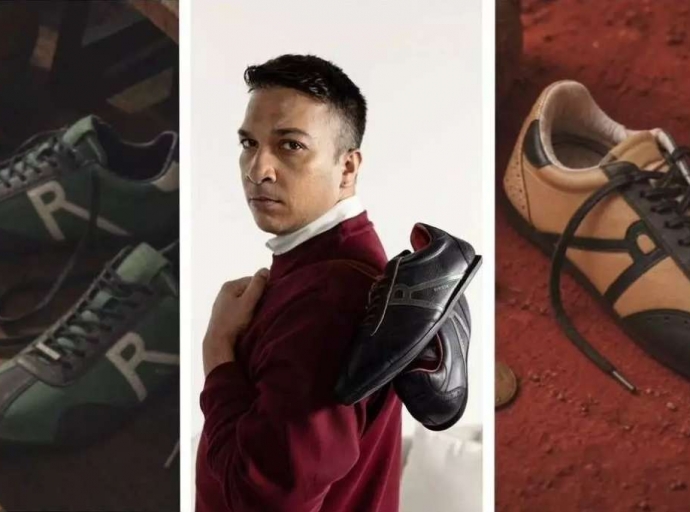
Brandman Retail is orchestrating a significant transformation in India’s premium footwear landscape. Departing from the traditional perception of India as a purely price-sensitive market, the company is doubling down on a value-driven retail strategy. Kashika Malhotra, Director noted, post-COVID consumer behavior has evolved, with shoppers increasingly prioritizing quality and global brand resonance over pure cost-considerations. This shift is fueling Brandman’s objective to grow its physical retail footprint from 14 stores to 116 by 2028, with an interim target of 45 outlets by April 2027.

Diversifying the global portfolio

Beyond its established success with New Balance, the retailer is actively expanding its brand equity. The strategic roadmap includes the introduction of technical and lifestyle heavyweights such as France’s Salomon, alongside Saucony, Anta, and Wilson. This portfolio diversification is designed to cater to a sophisticated, well-researched consumer base that transcends major metropolitan hubs. Evidence of this reach is visible in the company’s performance, where some of its most profitable outlets are now situated in Tier-II cities like Lucknow. Financially, the firm is well-positioned to fund this expansion, having reported a 20 per cent year-on-year revenue growth to Rs 1.62 billion for FY26, accompanied by a net profit of Rs 252.9 million.

A premier distribution and retail platform

Brandman Retail acts as a premier distribution and retail platform in India for high-end global footwear and lifestyle labels. The company operates through physical stores, including the ‘Sneakrz’ multi-brand chain, and its proprietary digital channels. Aiming for rapid national penetration, the firm is scaling its operations to capitalize on the projected growth of India’s $58 billion sports and apparel market by 2030. Incorporated in 2021, the company has transitioned into a publicly listed entity, focusing on sustainable fiscal growth and the consolidation of diverse global brands under one inventory ecosystem.

Brandman Retail bets on India’s premium shift with aggressive scale-up

Bharat’s consumption shift: Why quick commerce is redefining small-town retail

The rapid decentralization of India’s retail sector has reached a tipping point, as Tier-II and Tier-III markets increasingly eclipse metropolitan centers in growth velocity. Leading this transformation, Bengaluru-based BazaarNow has secured Rs 72 crore in a seed funding round led by Peak XV Partners, signaling a robust investor appetite for platforms that prioritize regional consumption habits over standard urban-centric models. This capital injection brings the startup’s total funding to Rs 80 crore, providing the necessary runway to accelerate its expansion into peripheral density clusters.

Bridging the gap in regional demand

Unlike the discount-heavy battlegrounds of major cities, smaller markets are driven by habitual, value-conscious consumption. BazaarNow has effectively captured this segment by deploying a vernacular-first interface and AI-driven logistics, achieving a performance metric of 1,800 orders per day per store. By bypassing the complex, coupon-led architectures prevalent in metro markets, the company aligns its supply chain with the specific preferences of households that prioritize freshness and local assortment. We are building around existing local shopping habits rather than attempting to force-fit metropolitan strategies, notes Priyanshu Jain, Co-founder and CEO, BazaarNow. This localized strategy is essential as apparel and lifestyle brands increasingly look to these same markets, which now contribute roughly 37 per cent of total retail spending in India.

The aspirational evolution of Bharat

The entry of specialized logistics players like BazaarNow creates a secondary opportunity for broader retail sectors, particularly fashion and lifestyle apparel. As consumer digital literacy rises in these micro-markets, the infrastructure for instant delivery becomes a catalyst for premiumization. Retailers are observing that shoppers in towns from Bhatinda to Bardhaman are evolving into early adopters of branded goods, a trend previously restricted to urban hubs. For the apparel industry, this implies that the next phase of scalability will depend on integrating with these high-efficiency, regional quick-commerce networks to meet the growing demand for faster, reliable access to branded merchandise.

BazaarNow is a quick-commerce startup that delivers groceries, fresh produce, and essential goods to middle-class households in India’s tier-II and III cities. Founded in 2023, the company utilizes a proprietary logistics stack and vernacular-focused technology. With Rs 80 crore in total funding, it plans to aggressively scale its geographic footprint and product assortment over the next year.

Bharat’s consumption shift: Why quick commerce is redefining small-town retail

Next amplifies Indian market presence with New Bengaluru flagship

British fashion powerhouse Next is accelerating its India growth trajectory, inaugurating new dedicated stores for menswear, womenswear, and kidswear at the Phoenix Mall of Asia in Bengaluru. This expansion, executed through a strategic partnership with Myntra Jabong India (MJIPL), marks a significant evolution in the brand's localized retail model. By leveraging MJIPL's distribution expertise, Next is successfully transitioning from a digital-only participant to a physical-first retailer in key urban corridors. The 4,500-sq-ft Bengaluru flagship showcases the brand’s global design language, housing approximately 500 distinct styles that cater to the rising demand for premium, contemporary British apparel among Indian metropolitan consumers.

Omnichannel integration as a competitive lever

The choice of Bengaluru’s Hebbal corridor - a burgeoning enterprise hub  - underscores the retailer’s focus on high-traffic, premium environments to capture the professional demographic. Unlike traditional international entrants that favor standalone high-street outlets, Next is systematically layering its physical presence with its existing e-commerce backbone. This hybrid approach allows the brand to maintain operational agility while optimizing consumer touchpoints. As Next works toward a target of 50 points of sale by 2030, the emphasis remains on balancing quality-driven craftsmanship with accessible pricing. Industry analysts view this methodical rollout as a template for international labels, proving that success in India’s fragmented retail landscape requires the seamless integration of digital insights with the tangible, curated experience of a physical storefront.

Preeminent multinational retailer

Next plc is a preeminent British multinational retailer specializing in clothing, footwear, and home furnishings. Operating globally across 80 countries, the company manages extensive retail, online, and franchise networks. Its India growth strategy, managed via MJIPL, focuses on scaling an omnichannel footprint to serve the country's expanding premium fashion market.

Next amplifies Indian market presence with New Bengaluru flagship

Resilience in retail: Shoppers Stop hits decade-high growth milestone

Shoppers Stop Limited has demonstrated significant operational resilience, reporting an 8 per cent increase in consolidated gross revenue for FY26, reaching Rs 6,057 crore. The department store segment notably surpassed the Rs 5,000 crore mark, propelled by a 4.7 per cent like-for-like (LFL) sales growth - the highest recorded by the retailer in over a decade. This performance underscores a successful navigation of a fluctuating retail environment, where the company prioritized operational discipline and high-velocity inventory management to counter global supply chain disruptions.

Strategic shift toward premiumization

A core driver of this fiscal success is the aggressive shift toward the ‘bridge-to-luxury’ segment. Premium brands now contribute 71 per cent of total sales, growing 13 per cent Y-o-Y. The beauty division remains a standout performer, with sales increasing by 17 per cent to Rs 309 crore, largely boost by a 37 per cent rise in the fragrance category. The Indian fashion market is gaining momentum, led by fast fashion and premium segments, stated Kavindra Mishra, Managing Director and CEO, Shoppers Stop. To sustain this trajectory, the board recently approved a Rs 40 crore capital infusion into its beauty subsidiary, Global SS Beauty Brands.

Financial fortification and expansion

Despite a consolidated net loss of Rs 36 crore due to elevated operating costs and store investments, the company’s underlying cash engine remains robust. Shoppers Stop generated Rs 301 crore in operating cash flows - an eight-year peak- and successfully retired Rs 109 crore in debt. With 27 new store additions in FY26, including 14 ‘InTune’ value-fashion outlets, the retailer is diversifying its footprint to capture both the aspirational and value-conscious consumer. The management remains committed to a debt-free status by FY27, focusing on prudent capital deployment and scaling non-apparel categories to bolster long-term profitability.

Diversified retail leadership

Shoppers Stop is a premier Indian retailer operating 110 department stores alongside specialized beauty and home concept formats. It focuses on premium fashion, international beauty distribution, and value-retail through the Intune brand. Targeted growth involves scaling its 800+ brand portfolio and achieving debt-free operations by 2027.

Resilience in retail: Shoppers Stop hits decade-high growth milestone

Mokobara targets Delhi’s affluent high-street to decure premium market share

Mokobara has intensified its retail penetration with the unveiling of a flagship destination in South Extension II, New Delhi, marking a fundamental move from mall-centric kiosks to premium standalone real estate. This expansion aligns with a broader industry trend where design-led travel brands capitalize on India's burgeoning luxury luggage segment, which currently maintains a CAGR of 9.1 per cent. By establishing a physical footprint in Delhi’s most prestigious shopping corridor, Mokobara is positioning its ‘aesthetic-first’ product range to directly engage with a demographic that increasingly prioritizes tactile luxury over discount-driven e-commerce transactions.

Capital deployment and the path to fiscal maturation

The aggressive scaling strategy is supported by a significant rise in operating revenue, which reached Rs 230 crore in FY25, representing a near 100 per cent Y-o-Y increase. While the firm reported a net loss of Rs 10 crore due to expansionary overheads, the move to high-street retail is designed to optimize margins by increasing average order values. Industry data indicates, premium travel gear brands typically achieve a 15 per cent higher conversion rate in physical environments compared to digital storefronts. This hybrid approach is essential for Mokobara to compete with entrenched legacy players as it pursues a revenue target of Rs 500 crore by FY27. The South Extension flagship serves as a case study in experiential commerce, leveraging a minimalist, high-design environment to showcase technical features such as Hinomoto silent-run wheels and aerospace-grade polycarbonate shells.

Modernizing the global travel lifestyle

Bengaluru-based Mokobara, established in 2019, specializes in premium luggage and travel accessories for modern commuters. With operations in Indian metros and Dubai, the firm has secured $24 million in funding from Peak XV and Saama Capital. Its growth plan includes reaching 100 stores to leverage the ongoing travel-lifestyle surge.

Mokobara targets Delhi’s affluent high-street to decure premium market share

Outzider transitions into physical retail with first EBO in Surat

Digitally native women’s apparel brand, Outzidr has officially transitioned into brick-and-mortar retail with the opening of its EBO in Surat, Gujarat. Located at Polaris World on VIP Road, the storefront marks a significant strategic milestone for the Bengaluru-headquartered company. After establishing a robust presence across leading national e-commerce marketplaces, this physical expansion aims to create a tangible brand touchpoint, allowing the company to engage directly with its core demographic of fashion-forward young women. The move into Surat -  a historic textile stronghold - underscores a tactical decision to anchor the brand within a high-traffic commercial hub.

Advancing an omni-channel retail strategy

The move signals a broader effort by Outzidr to integrate its rapid-inventory digital model with the benefits of a traditional high-street experience. By placing its latest collections in an immersive, physical setting, the brand intends to bridge the gap between social media-driven discovery and the sensory demand of offline shopping. Industry analysts suggest, this retail entry serves as a testing ground for a wider, pan-India expansion plan, which aims to leverage the brand’s agile supply chain to keep regional store inventories updated with current trends. This transition from online-exclusive to a hybrid model reflects the competitive maturation of India’s fast-fashion landscape, where brands are increasingly seeking to diversify revenue channels to maintain growth.

Scaling operations through venture support

Supported by significant capital injections from investors including RTP Global and Stellaris Venture Partners, Outzidr is utilizing its funding to accelerate both its digital market share and its new retail pilot programs. With a strong focus on western wear such as dresses and coordinated sets, the company is positioning itself as a challenger to established fast-fashion incumbents. As the brand monitors the performance of its inaugural Surat location, the success of this flagship will likely dictate the pacing and deployment of additional physical outlets across major metropolitan cities. The brand’s ability to maintain its "test and react" efficiency within a physical store environment remains a key metric for its ongoing fiscal and operational development.

Founded in 2024 by Mani Kant Mani and Nirmal Jain under Inati Lifestyle, Outzidr is a Gen-Z-focused fashion brand offering trendy western apparel. Headquartered in Bengaluru, the company operates as a digital-first retailer with a focus on affordable, trend-led clothing. It is currently scaling its physical and online retail presence.

Outzider transitions into physical retail with first EBO in Surat

Meenakshi India reports annual revenue contraction amid challenging market conditions

A notable manufacturer specializing in premium bottom wear and outerwear for global apparel brands, Meenakshi India Limited (MIL) has disclosed its audited financial results for FY26 ended March 31, 2026. The company’s annual performance indicates a period of consolidation, with revenue from operations totaling Rs 150.76 crore, a moderate decline from the Rs 166.33 crore recorded in FY25. The impact of broader market headwinds was also reflected in the company's profitability metrics, as Profit After Tax (PAT) settled at Rs 10.46 crore for the year, compared to Rs 39.10 crore in the preceding period. Operational EBITDA for FY26 stood at Rs 10.20 crore, underscoring the necessity for continued cost optimization strategies in a volatile economic landscape.

Quarterly outlook and operational resilience

Focusing on Q4, FY26 Meenakshi India reported revenue of Rs 45.72 crore, with an operational EBITDA of Rs 7.55 crore. The Profit After Tax for Q4 FY26 was recorded at Rs 4.52 crore, resulting in an Earnings Per Share (EPS) of Rs 4.02 for the quarter. While the current figures reflect the challenges of managing production costs and fluctuating demand within the international apparel supply chain, the company continues to leverage its specialized manufacturing capabilities to maintain its position as a key supplier for global labels. As the textile industry faces shifting consumer preferences and increased pressure for sustainable, high-quality production, MIL remains focused on stabilizing its margins and optimizing its operational framework to better navigate the complexities of the upcoming fiscal year.

A specialized apparel manufacturer

Meenakshi India is a public limited company incorporated in 1987. It operates as a specialized apparel manufacturer, primarily focusing on premium bottom wear and outerwear for international markets. The company maintains a portfolio serving diverse global brands, with strategic objectives centered on scaling production efficiency and maintaining quality standards.

Meenakshi India reports annual revenue contraction amid challenging market conditions

Republic Day Sale 2026: Gross sales value reaches Rs 298.2 million across 157.4000 orders

As detailed in the newly released report by the Reliance Retail backed AI-native retail technology powerhouse, Fynd, the Indian retail landscape underwent a fundamental structural shift during the Republic Day 2026 sale period with the gross sales value reaching Rs 298.2 million across 157.4K orders. The data highlights a transition from volume-heavy impulse buying to a more calculated, value-centric consumer mindset. A historic milestone was achieved as digital payments crossed 53 per cent of total transactions, signaling a definitive rise in prepaid trust that traditionally lagged during high-volume discount events.

Know More

Non-metro dominance and the post-work shopping peak

Growth is increasingly geographically dispersed, with Tier II and Tier III cities accounting for over 60 per cent of total order volume. This demographic expansion is accompanied by a change in temporal shopping habits; contrary to historical weekend-led surges, Monday recorded the highest order volumes in 2026. Data indicates, leisure-driven browsing has moved later into the day, with activity peaking around 10:00 PM. Marketplaces continue to serve as the primary discovery layer, where Myntra commanded a 45 per cent share of marketplace orders, particularly dominating the ethnic wear segment.

READ OUR LATEST ISSUE

Omnichannel fulfillment and segmented discounting strategies

The 2026 season proved, Indian retail has reached a new level of operational intelligence. For the first time, store-based fulfillment (50.8 per cent) surpassed warehouse dispatches, reflecting a massive investment in ‘phygital’ infrastructure that utilizes physical storefronts as hyperlocal distribution hubs. Brands are no longer just participating in sales; they are optimizing them,’ noted Ragini Varma, Chief Business Officer, Fynd. Discounting strategies also became more sophisticated; while fashion platforms maintained aggressive 50–60 per cent markdowns, premium and luxury segments successfully defended margins by capping discounts at 40 per cent, prioritizing brand equity over liquidating inventory.

Know More

A premier retail-tech company backed by Reliance Retail Ventures, Fynd specializes in unifying offline and online operations through an AI-driven stack. The platform supports over 20,000 stores and processes peak volumes of 350,000 orders per hour, focusing on scaling omnichannel growth for fashion and lifestyle brands across India and global markets.

RepublicDaySales

Banana Club expands retail presence with 20th store opening in India

Men’s fashion label Banana Club has reached a significant operational milestone, inaugurating its 20th EBO in Tirupati, Andhra Pradesh. This expansion marks a decisive phase in the company’s objective to broaden its physical footprint across India’s high-growth urban centers. By securing a strategic location in the Municipal Complex on Karakambadi Road, the brand is targeting the increasing demand for contemporary, design-led menswear in regional markets, moving beyond its initial focus on metropolitan hubs.

Strengthening competitive positioning

The opening reflects a broader trend among domestic fashion labels that are currently prioritizing physical presence to bolster brand equity and customer engagement. As the company transitions into its next growth cycle, the focus is on maintaining a balance between exclusive, limited-run design collections and scalable retail distribution. By managing an integrated supply chain that encompasses in-house manufacturing, Banana Club is positioning itself to deliver high-quality, trend-responsive apparel at competitive price points. Industry observers note, the company’s ability to standardize its experiential retail environment across diverse geographiesv- ranging from Bengaluru and Mumbai to Tier-II cities like Mysore and Tirupati - will be instrumental in securing deeper market penetration.

Operational strategy for national expansion

Following the successful establishment of its recent storefronts, the company is actively refining its retail strategy to optimize unit economics in both high-street and mall-based locations. The management's current approach emphasizes a localized inventory model that caters to regional style preferences while maintaining the brand's core identity of ‘fearless fashion.’ With a focus on sustainable production and consistent product quality, Banana Club intends to continue its rapid scaling efforts, targeting major urban clusters to support its long-term financial performance. This methodical expansion highlights the resilience and ambition of home-grown Indian apparel brands as they modernize their operations to compete with larger, national-scale retail competitors.

Specialist in design-forward shirts

Banana Club is an Indian menswear brand specializing in contemporary, design-forward shirts, trousers, and accessories. Focusing on high-quality fabrics and original patterns, it caters to style-conscious men across India. The brand operates an integrated model spanning design to retail, with a current network of 20 physical stores nationwide.

Banana Club expands retail presence with 20th store opening in India

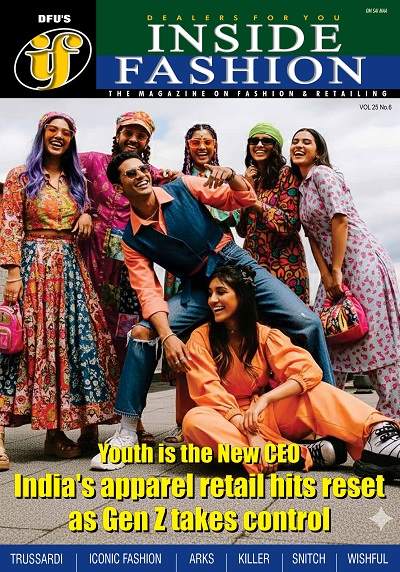
E-retail sector evolves as Gen Z captures 50% share in online fashion

India’s e-retail sector is undergoing a profound structural evolution as Gen Z captures nearly 50 per cent of the market share in online fashion and beauty. With the industry’s gross merchandise value reaching $66 billion, retailers are discarding legacy marketing funnels in favor of high-frequency, trend-led commerce. Data from Bain & Co highlights, this demographic now commands 1.5 times the e-retail spend compared to older cohorts, signaling a shift from experimental spending to long-term consumption habits. Major platforms are responding by aligning their supply chains to support rapid, weekly product launches that cater to this generation's demand for immediate gratification and novelty.

Geographic expansion and premiumization

A critical driver of this growth is the rapid digital penetration in Tier II and Tier III cities, where adoption rates are currently double that of metropolitan centers. Amazon Fashion reported, Gen Z’s participation in its ecosystem has increased to 52 per cent, up from 30 per cent just two years ago, with engagement metrics such as browsing and transaction volume growing 2.5 times year-on-year. Nikhil Sinha, Director, Amazon Fashion, notes, shoppers in markets like Jaipur, Indore, and Lucknow are now accessing the same global trend cycles as those in Mumbai. This democratization of fashion, fueled by social media influence and improved logistics, is incentivizing brands to shift toward a 'phygital' approach that blends digital-first discovery with local accessibility to capture the next wave of high-growth consumers.

The Indian e-retail ecosystem

India’s e-retail market comprises major digital marketplaces and D2C brands focusing on apparel, beauty, and lifestyle categories. Industry players are aggressively expanding into non-metro regions to tap into a growing young workforce. With the sector projected to hit $250 billion by 2030, companies are leveraging AI and influencer-led strategies to drive premiumization and sustained engagement in a historically price-sensitive market.

E-retail sector evolves as Gen Z captures 50% share in online fashion

Latest Publications

Image

Join Our Group

Join Our Group