
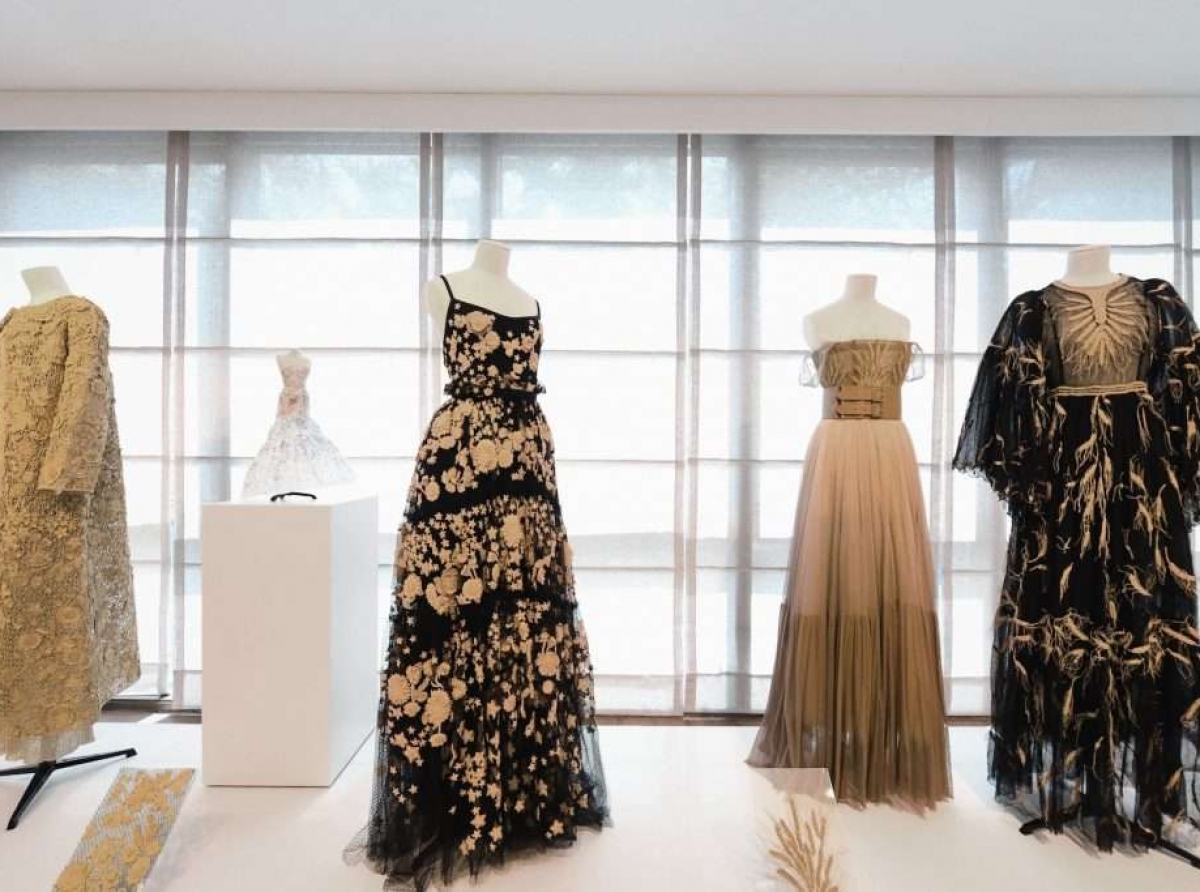
International luxury retail is witnessing a decisive structural shift toward slow, craft-led apparel models as consumers demand authentic heritage provenance over high-volume production. Newly launched luxury label Sheth London is addressing this demand by funding grassroots artisan infrastructure in Western India. The brand invested directly in establishing a dedicated weaving studio and funding five additional handlooms over a 14-month period, securing dedicated production capacity from a 12-member, multigenerational artisan family skilled in double-Ikat Patola, ceramic beadwork, and Tangaliya handweaving.
Micro-batch sourcing economics
By imposing strict production caps - ranging from 10 to 30 units per design without restocks—the luxury label enforces scarcity while preserving traditional handloom yields. With ready-to-wear garments priced between £350 and £650 ($450–$840), the operational model proves that integrating slow-craft techniques directly into Western apparel silhouettes creates high-value export margins. Scalability across micro-batch supply chains remains a primary hurdle due to extended manufacturing timelines, where intricate pieces require up to 25 days per garment. We founded the label to build a commercial bridge between Indian heritage skills and contemporary global wardrobes, states Dimple Sheth, Founder and Brand Director.
Focusing on niche luxury wholesale channels
Sheth London is an ultra-premium womenswear label bridging Gujarati artisan craft with modern Western styling. Targeting luxury markets across Europe and North America, its growth strategy focuses on limited-run online direct-to-consumer drops and niche luxury wholesale channels. Established in 2026 by London College of Fashion alumna Dimple Sheth, the brand reinvests revenues into handloom infrastructure and multi-generational artisan communities.











 Get in Touch!
