
Festive relief: Apparel retailers navigate digital payment policy shifts
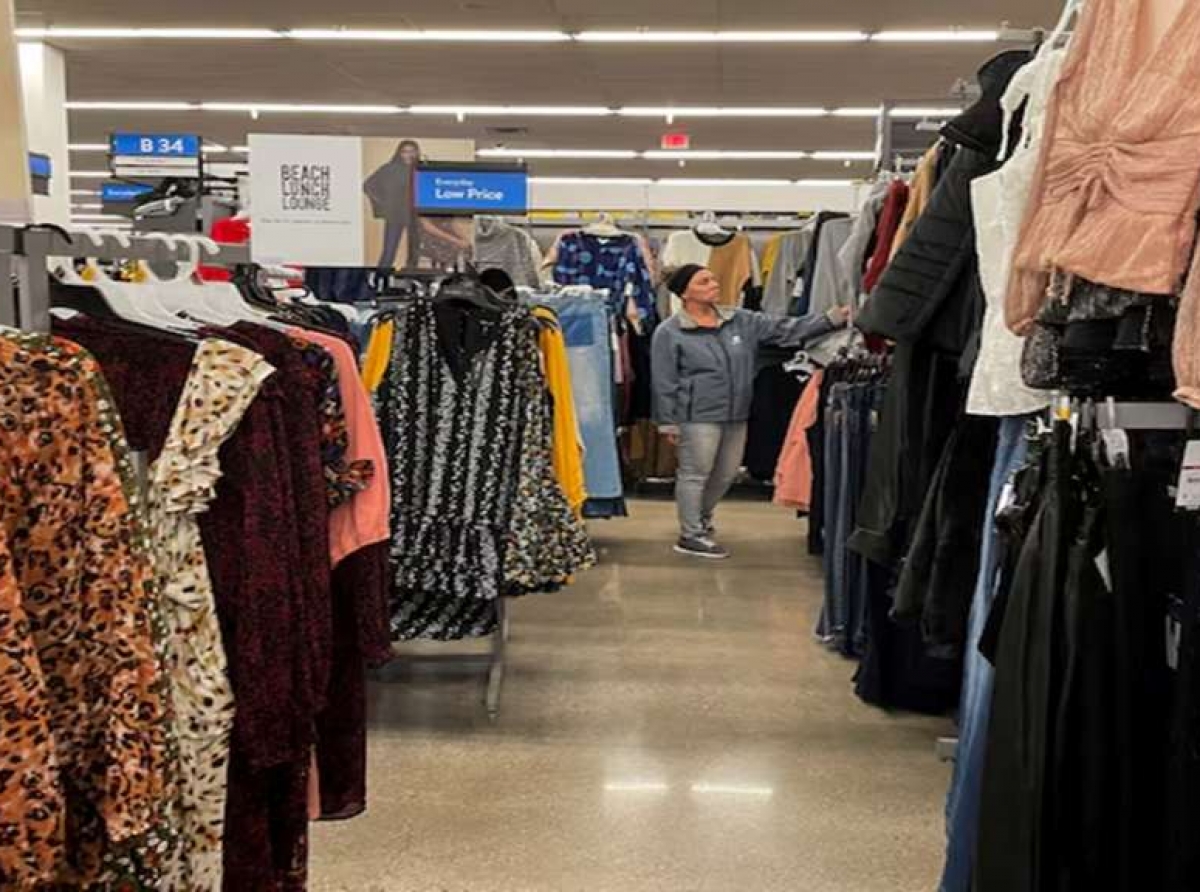
Projecting over $18 billion in festive and wedding season sales, India’s apparel retail sector received a crucial operational cushion following the National Payments Corporation of India (NPCI) decision to defer the proposed Merchant Discount Rate (MDR) implementation until post-Diwali. The proposed 0.4 per cent levy on Person-to-Merchant (P2M) Unified Payments Interface (UPI) transactions exceeding Rs 2,000 threatened to erode already squeezed operating margins.
The Clothing Manufacturers Association of India (CMAI) emphasized, festive basket values routinely exceed the Rs 2,000 threshold. On a typical Rs 10,000 bill, the Rs 40 charge creates disproportionate cost pressures for small and mid-scale clothing outlets operating on 3 per cent to 5 per cent net margins. Deferring this fee protects retail liquidity during our highest volume trade cycle, though long-term compliance friction remains an issue, notes CMAI leadership.
Structural challenges in small-format retail adoption
While large multi-brand retail chains easily negotiate fee tiers, boutique merchants face complex reconciliation hurdles when separating exempt micro-transactions from higher-value digital payments. CMAI continues advocating for graded charge slabs based on annual merchant turnover to safeguard digital payment penetration across Tier-II and Tier-III apparel hubs.
Key advocacy voice in Indian apparel market
Clothing Manufacturers Association of India leads policy advocacy and trade development for over 7,000 members servicing 50,000 retailers nationwide. Representing apparel manufacturers and exporters, CMAI drives domestic growth initiatives, sustainability frameworks, and trade exhibitions. Founded in 1963, the Mumbai-headquartered association remains the premier industry body strengthening India's garment ecosystem.











 Get in Touch!
