
Premium narrative D2C labels drive growth through localized cultural storytelling
18 May 2026, Mumbai
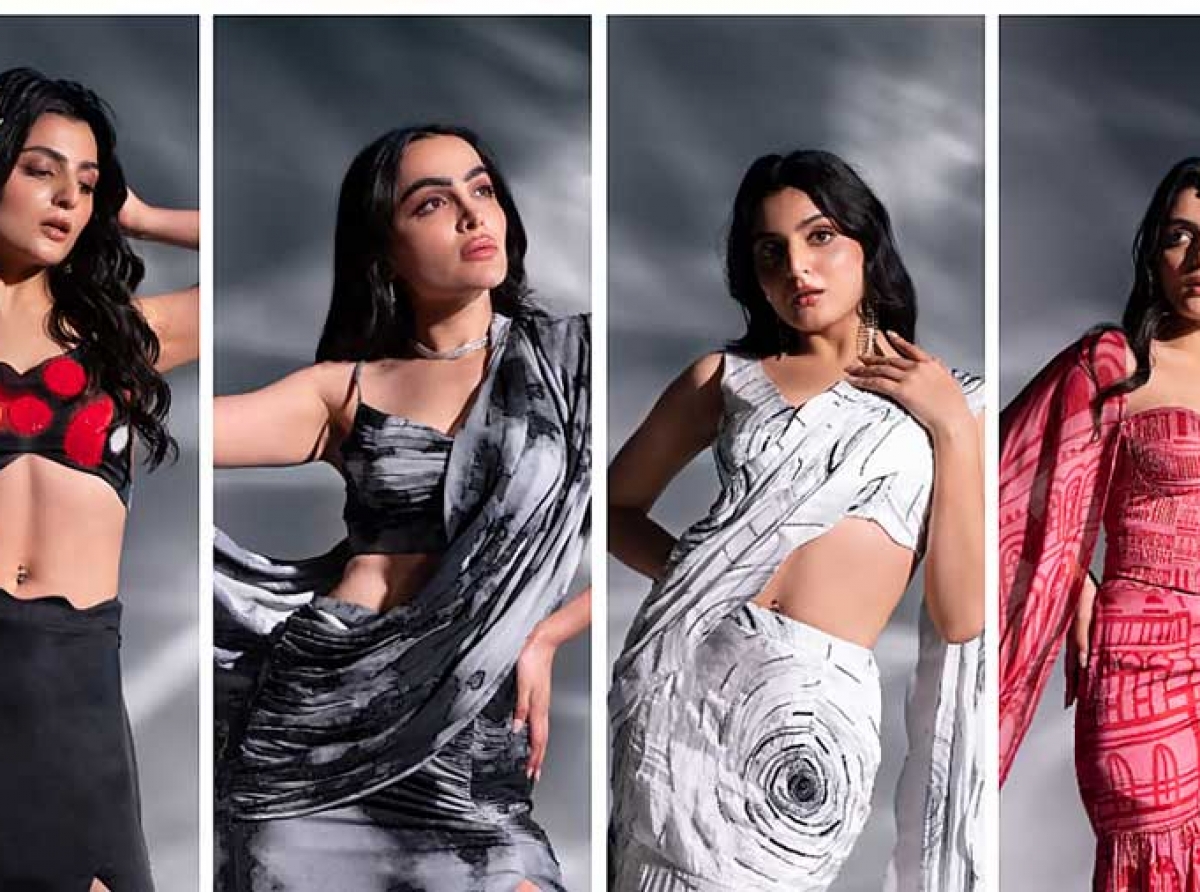
The contemporary Indian direct-to-consumer (D2C) premium apparel landscape is experiencing an operational realignment as homegrown designer labels substitute generic, fast-fashion Western aesthetics with deeply localized cultural narratives. This structural evolution is underscored by Mumbai-based designer Shivani Nirupam’s recent unveiling of her mid-summer line, which utilizes artisanal textile prints inspired specifically by the visual infrastructure of Mumbai's historic flower markets. By integrating regional nuances like ‘Kamal Kitsch’ and ‘Phool Basket’ motifs directly into modern Indo-Western silhouettes, the eponymous label typifies a broader commercial trend where cultural authenticity serves as a primary tool for consumer acquisition and high-margin product differentiation.
Demand-driven small batch operations insulate designers against inventory risk
By pairing cultural storytelling with zero-waste, made-to-order manufacturing protocols, premium indie labels are establishing reliable buffers against the systemic overproduction challenges that traditionally compress designer margins. Financial frameworks across the premium boutique sector indicate, moving toward occasion-fluid, versatile styles -which consumers can restyle across multiple seasonal cycles- dramatically lowers inventory write-down overheads. Value-driven luxury is built on material care, production time, and structural longevity rather than fleeting seasonal speed, noted designer Shivani Nirupam following her showcase at Bombay Times Fashion Week. This deliberate transition toward slow fashion enables agile design houses to capture sustained consumer engagement among affluent demographics while completely bypassing multi-tiered wholesale distribution networks.
Targeting independent women across the globe
Founded in Mumbai, Label Shivani Nirupam is a print-led, contemporary luxury clothing brand specializing in conscious Indo-Western fusion wear, luxury organza lehengas, and digital-print satin silhouettes. Targeting independent women globally, the label’s strategic roadmap centers on artisan collaborations and expanding its sustainable, made-to-order D2C pipeline to eliminate textile waste.










 Get in Touch!
