
The Style Multiplier: How personal shoppers are powering India’s fashion boom
17 November 2025, Mumbai
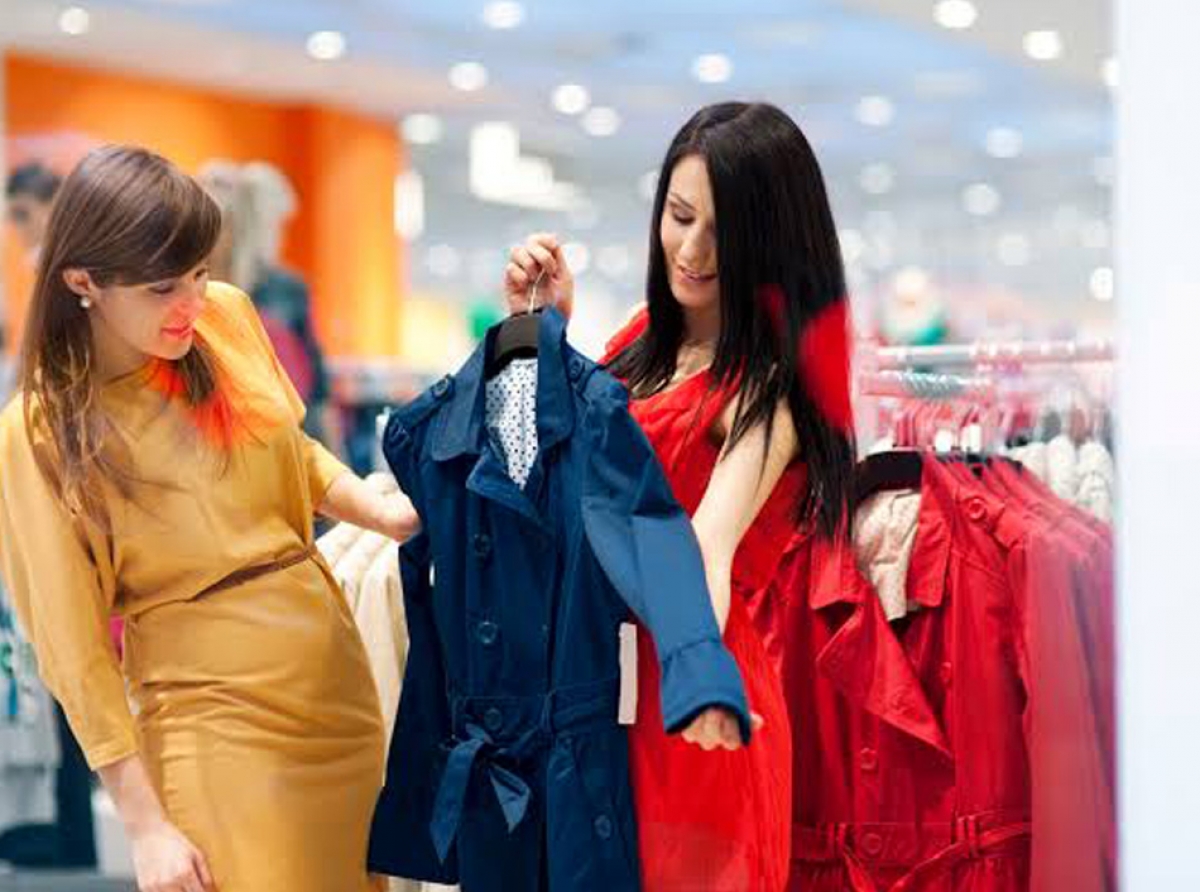
Indian consumers are reshaping the country’s fashion retail experience turning shopping from a transaction into a relationship. At the centre of this change is the personal shopper, a professional stylist who doesn’t just sell apparel but curates looks, builds wardrobes, and elevates brand loyalty. Once seen as a luxury reserved for hi-end boutiques, personal styling is now emerging as a mainstream retail growth engine especially in India’s booming wedding, festive, and luxury markets.
The business of personal shopping
The business for personal shoppers is compelling. Retailers are discovering that when customers shop with a stylist, they spend more, stay longer, and return often. Shoppers Stop for example, the leading multi-brand retail chain, which offers personalized shopping experiences across stores. Internal data for the June 2025 quarter reveals an interesting picture.
Table: Shoppers Stop June quarter sales
|
Metric |
June 2025 quarter |
Insight |
|
Average Transaction Value (ATV) with a personal shopper |
Rs 15,500 (approx.) |
Significantly higher than regular sales. |
|
Revenue from Personal Shopper Service |
Rs 273.5 crore |
A major contributor to total sales. |
|
Contribution to Total Sales |
25% of the total Rs 1,094 crore revenue |
Increased by 7 percentage points from the previous year. |
This table underscores the service’s direct impact on business performance. The Rs 273.5 crore generated through personalized shopping alone accounts for one-fourth of the retailer’s total sales. Importantly, this contribution grew sharply year-on-year, showing that consumers increasingly prefer guided, stylist-led purchases over self-service browsing. Encouraged by these numbers, Shoppers Stop plans to expand its personal shopper team from 300 to 500 stylists. The retailer understands these professionals not only lift average transaction values (ATVs) but also drive customer loyalty, especially in categories like premium ethnic wear, luxury accessories, and occasion-driven apparel.
Luxury learns the lesson as malls go personal
High-end shopping destinations are taking the concept further. DLF Luxury Malls, the operator behind DLF Emporio and The Chanakya in Delhi, pioneered personal styling services back in 2017. Their appointment-only model blends luxury with personalization: clients receive pre-styled options before arrival, private trial rooms, and on-demand access to brand specialists. The results have been equally rewarding, mall data shows the service now drives 5-7 per cent of total sales, while also improving repeat footfall and ticket size.
In a market increasingly dominated by digital discovery, these curated, physical touchpoints offer something the internet cannot: humanized, sensory-driven retail.
The twin tailwinds of weddings, premiumisation
The personal shopping boom doesn’t exist in isolation it’s being powered by two major macroeconomic shifts: India’s massive wedding economy and a consumer drift toward premiumisation.
The wedding wallet effect: Weddings remain India’s most recession-proof spending category. Valued at Rs 10 lakh crore ($130 billion) in FY25, the Indian wedding industry is the second-largest consumption sector after food and grocery. With 8-10 million weddings annually and a projected CAGR of 14 per cent till 2030, this segment fuels surging demand for styling, trousseau planning, and curated fashion experiences. Personal shoppers find their peak season here helping clients select attire for multi-day ceremonies, honeymoon wardrobes, and family ensembles. This ecosystem now extends beyond clothing to jewellery, watches, beauty, and accessories, further amplifying the value per transaction.
The rise of the premium consumer: Equally transformative is the premiumisation wave reshaping India’s consumption landscape. Consumers are upgrading from value for money to value for experience. A recent FMCG industry study highlights that premium products account for 42 per cent of total value growth, even though they represent just 27 per cent of total sales volume a clear sign of the willingness to pay more for perceived quality and exclusivity.
Similarly, a Deloitte India survey found that 64 per cent of consumers now make apparel and footwear choices based on occasions and trends, a behavioral shift that aligns perfectly with stylist-led retail. This shift is further reinforced by supportive macroeconomics: easing inflation, lower interest rates, and rising discretionary income. Together, these factors have created a fertile environment for experience-led consumption, especially among millennials and Gen Z, who crave personalization and storytelling in every purchase.
The new style economy
The organized retail success story has also inspired a thriving ecosystem of independent stylists and online platforms catering to aspirational, urban consumers. Two notable examples illustrate the range of emerging business models.
Table: The independent stylist ecosystem
|
Platform |
Model |
Details |
|
Style Buddy |
Full-service consulting |
Offers personal shopping, wardrobe management, and consulting. Charges clients Rs 5,000 to 20,000 per session. Partners with brands like Manyavar, training staff and deploying stylists. |
|
Shop-In |
Freelance model |
Hyderabad-based platform where shoppers are booked online. Customers pay Rs 195 reservation fee and 15 per cent of the total purchase value. |
These platforms are democratizing access to professional styling while creating new income streams for trained fashion professionals. In cities like Hyderabad, Pune, and Ahmedabad, freelancers report monthly earnings comparable to mid-level retail executives, depending on client volume.
The future of experiential retail
India’s retail evolution now hinges on one principle: experience over expansion. As consumers become more discerning, fashion and lifestyle brands are shifting focus from adding square footage to maximizing per-customer value through curated interactions. Personal shoppers are central to this reimagining. They embody a hybrid model of equal parts sales strategist, stylist, and brand ambassador driving profits in a segment where differentiation often depends on human connection. From DLF’s luxury salons to Shoppers Stop’s in-store stylists and independent digital consultants, this model points to the next phase of India’s fashion retail: a market where personalization isn’t a perk it’s the product.


 Get in Touch!
