
Fabels marks Fabindia’s premium push beyond ethnic wear
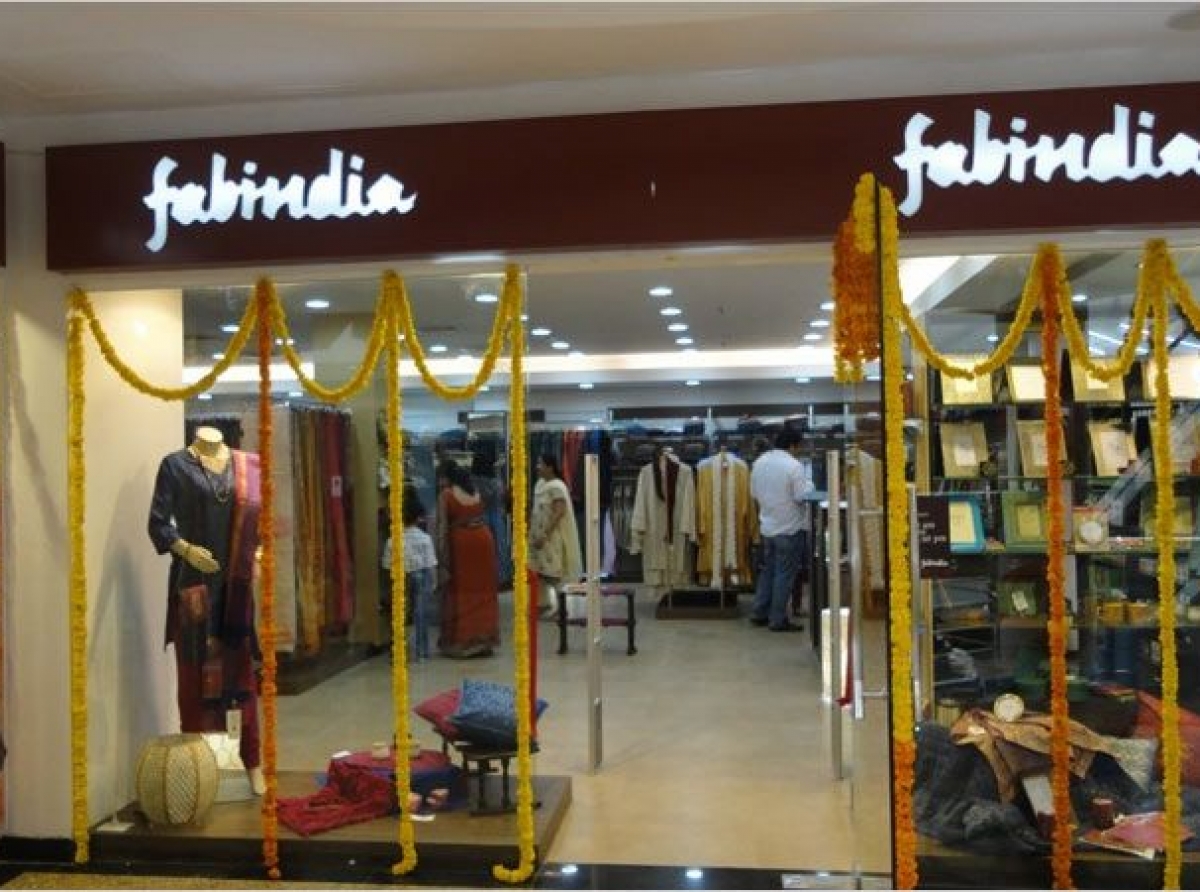
India's premium fashion market is becoming the next battleground for established apparel retailers, prompting legacy brands to rethink portfolios beyond their traditional strengths. Fabindia, long associated with handcrafted ethnic wear, has entered this fast-growing segment with Fabels, a dedicated premium Western wear label that blends artisanal Indian textiles with contemporary silhouettes. The move reflects a broader shift across India's fashion industry, where increasing disposable incomes, changing workplace wardrobes and growing demand for premium products are encouraging brands to diversify beyond their core categories without diluting existing brand equity.
Premium fashion becomes the growth engine
Fabindia's expansion comes at a time when premium apparel is outpacing the broader retail industry. As per Deloitte India's Weaving a New India Identity report (January 2026), India's premium apparel market is expected to grow at over 45 per cent CAGR, making it one of the country's fastest-growing retail categories. The mid-premium segment is forecast to grow at around 25 per cent annually, well ahead of the overall retail market.
|
Market segment |
Price range/category |
Expected growth (CAGR) |
|
Premium Apparel |
Above Rs 7,000 |
Over 45% |
|
Mid-Premium Apparel |
Rs 3,500-7,000 |
Around 25% |
|
Overall Retail Market |
Total Market |
Around 10% |
|
Traditional Ethnic Wear |
Traditional Category |
6.17% |
For Fabindia, these numbers are an opportunity to extend its craftsmanship-led positioning into a category being dominated by global brands and fast-fashion retailers. Rather than chasing younger consumers through rapid product cycles, Fabels targets working professionals above 30 who seek premium wardrobes suitable for both corporate environments and social occasions. Industry estimates suggest India's affluent population could reach nearly 100 million by 2027, expanding the addressable market for premium apparel.
Craft remains at the centre
Unlike many fashion retailers that separate premium positioning from traditional manufacturing, Fabindia has chosen to make artisanal craftsmanship the defining feature of the new brand. The collection incorporates heritage textile techniques such as Ajrakh, Indigo and Dabu block printing alongside hand-crafted Dori embroidery across shirts, linen trousers, jackets and coordinated ensembles. As Sumit Handa, Chief Marketing Officer, Fabindia points out western wear isn't new for them; it has always existed within Fabindia. But they wanted to create a dedicated space where customers could experience craft through Western design language. The distinction lies strictly in the product expression, not in our core manufacturing principles. This approach allows them to preserve the identity of its flagship brand while creating a distinct consumer proposition in premium Western fashion.
The strategy also mirrors a wider trend across India's organised apparel market, where retailers increasingly prefer launching dedicated sub-brands instead of stretching existing labels across multiple categories. Brands including BIBA and Libas have adopted similar portfolio diversification strategies to address different consumer segments.
Controlled retail rollout over rapid expansion
Fabindia is adopting a measured retail strategy rather than pursuing aggressive domestic expansion. The first phase of Fabels has been concentrated in Delhi-NCR, where the company has opened four exclusive stores while simultaneously introducing the brand through over 20 shop-in-shop formats inside existing Fabindia Experience Centres.
Table: Fabel’s retail footprint
|
Channel/Format |
Presence & reach |
|
Standalone Stores |
4 Locations (Delhi-NCR) |
|
Shop-in-Shop Formats |
20+ Select Experience Centers |
The locations include premium retail destinations such as Khan Market, Connaught Place and South Extension, enabling the retailer to evaluate customer response before expanding into other metros. The rollout also coincides with strong momentum in India's organised retail real estate market. Retail leasing across the country's seven largest cities has reached record levels, with Delhi-NCR emerging as one of the biggest destinations for premium mall development and brand expansion.
Experience takes priority over convenience
While several fashion brands are partnering quick-commerce platforms to improve accessibility, Fabindia has deliberately kept Fabels away from instant delivery channels. The company believes premium fashion purchases require a tactile, immersive shopping experience rather than speed of fulfilment.
According to Deloitte's consumer survey, nearly 30 per cent of Indian shoppers consider the in-store sensory experience a decisive factor when purchasing premium apparel. For Fabels, management believes customers are investing in complete wardrobes rather than individual garments, making fabric feel, tailoring quality and styling consultations integral to the buying journey. As Handa explains, when one buys Fabels, they’re not just buying a shirt or a pair of trousers; they’re buying an entire ensemble. The strategy positions physical retail as an experience-led destination rather than simply a distribution channel.
Marketing stays focused and local
Fabindia is also departing from conventional premium fashion marketing. Instead of investing heavily in celebrity endorsements or national advertising campaigns, the retailer is relying on hyperlocal customer acquisition, performance marketing and carefully selected influencers. The approach aligns with limited production runs designed to preserve exclusivity while ensuring quality control. Marketing investments are currently focused on engaging existing loyal customers and premium shoppers before scaling broader brand communication. The strategy also enables them to build customer advocacy organically while maintaining tighter control over inventory and merchandising during the brand's early growth phase.
A portfolio built for premium growth
Founded in 1960, Fabindia has built one of India's largest craft-based retail ecosystems by connecting thousands of rural artisans with urban consumers. Today, the company operates more than 340 stores across 127 Indian cities, along with 13 international outlets.
For the financial year ended March 31, 2025, the retailer reported operating revenues exceeding Rs 1,000 crore. With Fabels, Fabindia is not attempting to reinvent its identity. Instead, it is extending the same artisan-led philosophy into a premium Western wardrobe aimed at India's expanding affluent consumer base.
As premium apparel continues to outpace the broader retail market, the success of Fabels could demonstrate whether India's heritage retailers can compete in contemporary fashion by leveraging craftsmanship rather than fast-fashion scale.











 Get in Touch!
