
Fabindia unveils new festive collection to capture discretionary retail demand
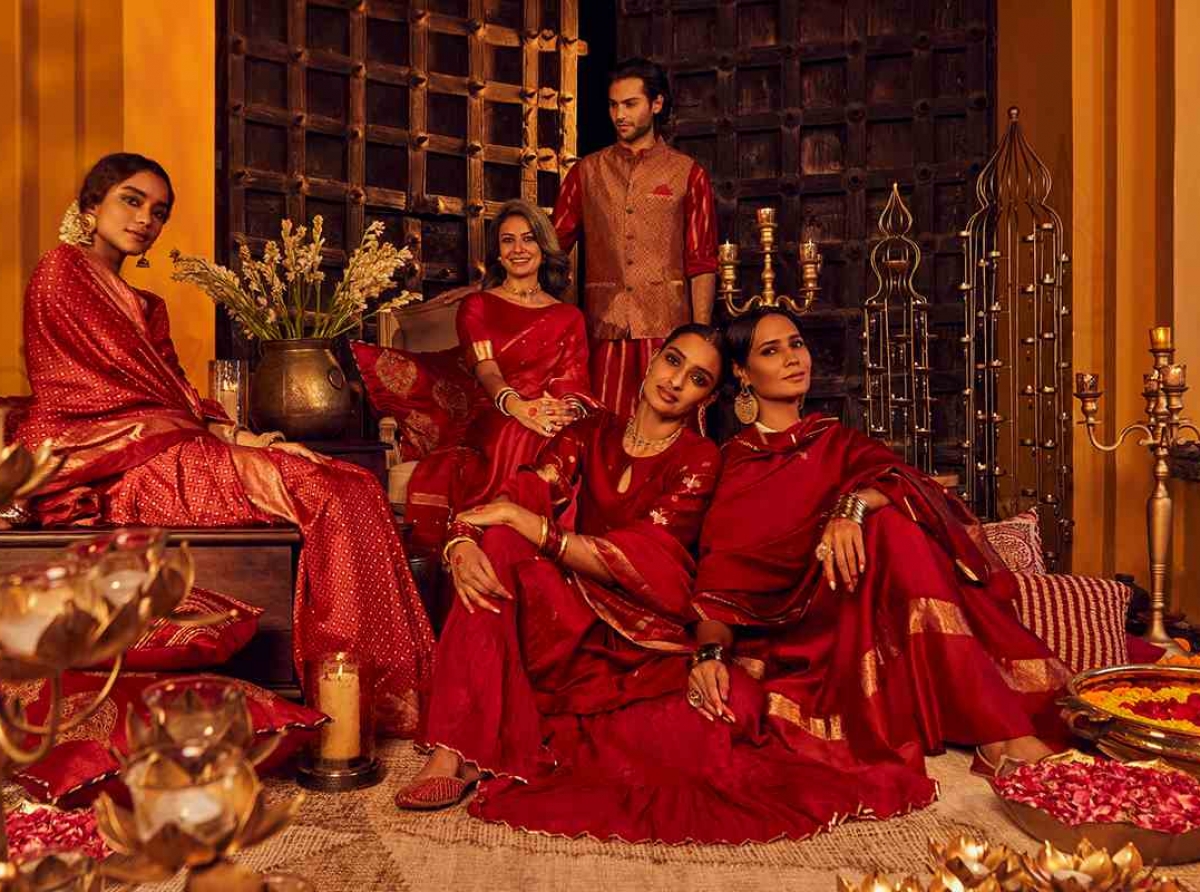
As consumer demand shifts toward traditional and artisanal wear ahead of the festive calendar, Fabindia has launched its dedicated Raksha Bandhan apparel and lifestyle curation. The retail major is showcasing handcrafted cotton-silk ensembles, woven dupattas, and coordinated family gifting lines across its nationwide network of experience centres. By emphasizing sustainable handloom techniques and indigenous textile crafts, the company aims to capture discretionary spending in urban markets where shoppers increasingly favor authentic, ethically produced garments over mass-produced fast fashion.
Market dynamics and competitive positioning
The premium ethnic wear segment is experiencing heightened competition, forcing legacy retailers to optimize inventory levels and refine their omnichannel distribution models. Industry analysts note, wh0ile inflationary pressures on raw fibers have impacted input costs across the apparel sector, well-positioned brands maintain resilient pricing power through exclusive seasonal capsules. Consumers are seeking deeper emotional resonance and cultural connection in their apparel choices, which allows heritage-focused brands to sustain healthy average order values, observes Ananya Mukherjee, Retail Strategist. Fabindia's targeted digital campaigns and curated store displays are designed to convert browser traffic into high-value basket sizes during key gifting windows.
Founded in 1976, Fabindia operates an extensive retail network across India, offering apparel, home furnishings, and personal care products sourced from rural artisans. Targeting urban middle-and-upper-income demographics, the brand plans to expand its experiential retail footprint. Backed by steady historical revenues exceeding INR 1,000 crore, the company balances community-driven craft economics with modern omnichannel growth.










 Get in Touch!
