All Stories

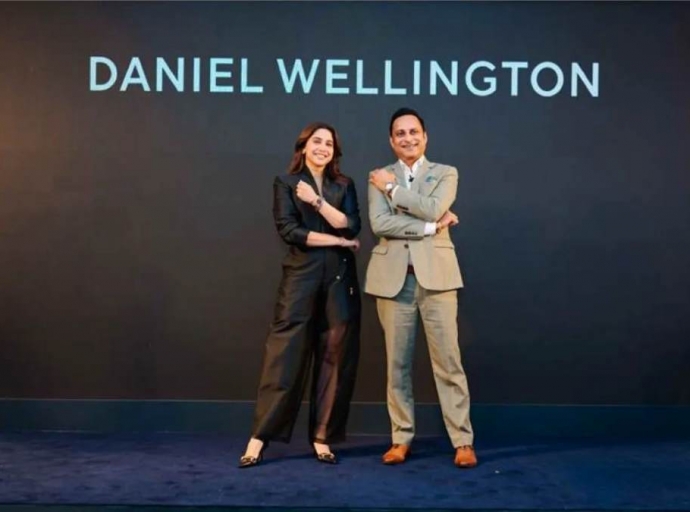
Timex Group accelerates Daniel Wellington India expansion with Sharvari Wagh

Following Timex Group’s acquisition of full ownership in Daniel Wellington, the Swedish accessory brand has appointed actor Sharvari Wagh as its watches brand ambassador in India.

The partnership signals an aggressive retail expansion across key commercial centers, where consumer demand for minimalist fashion timepieces and lifestyle jewelry continues to escalate. By leveraging Timex Group’s established distribution platform and supply chain infrastructure, Daniel Wellington aims to deepen market penetration across direct-to-consumer e-commerce portals and premium multi-brand retail stores.

MUCH MORE

Capturing youth fashion demand

The strategic collaboration specifically targets Gen ZScandinavian Lifestyle Portfolio

 and millennial demographics who prioritize versatile, understated design aesthetics for daily wear. Industry data indicates, India’s fashion watch segment is expanding at a steady 8 per cent-10 per cent CAGR, driven by rising discretionary spending and the ongoing casualization of professional wardrobes. India represents a critical growth engine for the brand’s expanded portfolio, where today's consumers view timepieces as essential personal style statements, states Deepak Chhabra, Director, Timex Group India. Integrating localized celebrity marketing with Scandinavian design heritage remains central to driving volume sales across offline and digital touchpoints.

VIEW

Designing minimalist timepieces

Founded in 2011 in Sweden, Daniel Wellington designs and markets minimalist timepieces, interchangeable straps, and contemporary jewelry. Operating globally with annual revenues between $100 million and $500 million, the brand is expanding its retail presence under Timex Group ownership to capitalize on growing global fashion accessory demand.

SUSTAINABILITY

Timex Group accelerates Daniel Wellington India expansion with Sharvari Wagh

Provogue revives early-2000s brand equity with launch of new digital campaign

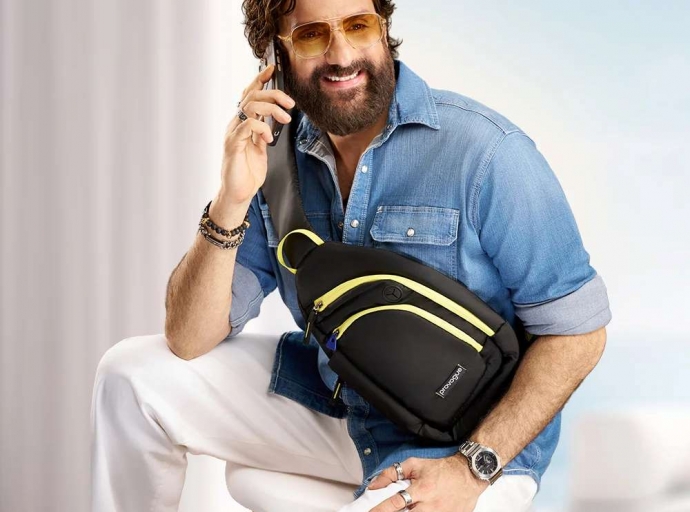
Legacy fashion label Provogue has launched its digital campaign 'OGs Ka Comeback', reuniting with actor Fardeen Khan to drive its operational push into fashion-led luggage and travel accessories.Following its 2025 re-launch under new promoter ownership, the brand recorded an Annual Recurring Revenue (ARR) of Rs 25 crore within its first 10 months of operations, delivering over 25,000 gross orders across direct-to-consumer (D2C), e-commerce, and quick-commerce platforms.By reframing travel gear as an extension of personal style rather than a pure utility purchase, Provogue targets young millennial and Gen Z demographics who shop predominantly through online channels.

MUCH MORE

Scaling multi-category ambitions

To capture growing domestic travel demand, Provogue introduced a 145-SKU portfolio spanning trolley bags, backpacks, and customizable travel items through its direct platform.The company targets a Rs 300-crore top line over a three-year horizon, supported by an upcoming rollout into brick-and-mortar modern trade.Connecting our established brand legacy with a fashion-first travel line addresses a segment that historically prioritized utility over aesthetics, states Pravin Prabhakar, CEO, Provogue.Managing omni-channel distribution logistics while preserving product margins remains a key strategic mandate as the brand broadens into adjacent lifestyle categories.

VIEW

Digital-first fashion expansion

Relaunched in 2025 under new ownership, Provogue is an Indian fashion and lifestyle brand specializing in travel gear, apparel, and personal accessories. Originating in 1999 as a youth fashion label, the company leverages D2C and quick-commerce platforms to target Rs 300 crore

in revenues through expanded multi-channel retail operations.

SUSTAINABILITY

Provogue revives early-2000s brand equity with launch of new digital campaign

Monetizing intimate fashion: Clovia leverages festival retail

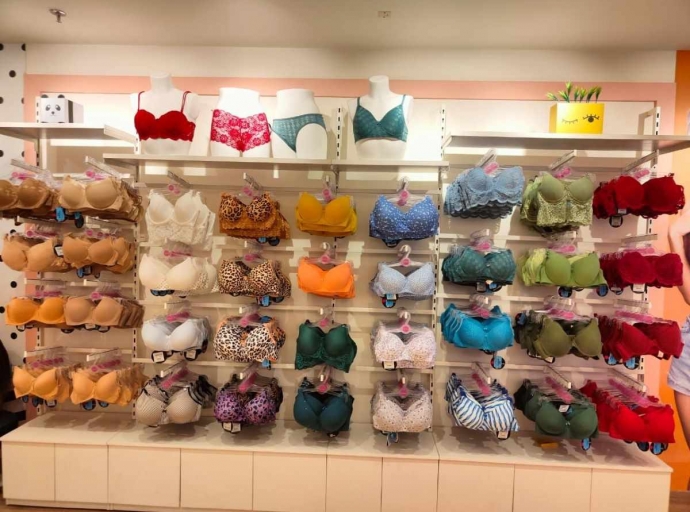
Occasion-based merchandising is transforming India’s $8.5 billion women's innerwear market as intimate fashion brands shift from utility basics to lifestyle categories. Reliance Retail-backed Clovia’s launch of its limited-edition ‘Chuddy Buddies’ Friendship Day collection illustrates this operational strategy, capturing impulse gifting through quick-commerce and direct-to-consumer channels. Offered in curated multi-pack sets starting at Rs 599, the line targets high-frequency purchasing habits among younger demographic cohorts. Neha Kant, Founder and Director, Clovia, notes, aligning intimate apparel with emotional milestones drives customer lifetime value and brand retention, moving beyond traditional transactional retail models.

Omnichannel penetration and tech integration

This thematic campaign supports Clovia's broader scale-up following a reported FY24 revenue of Rs 450 crore. The company utilizes a proprietary fit-test algorithm delivering a 70 per cent conversion rate to navigate inventory complexity across more than 5,000 SKUs. With non-metro Tier-II and Tier-III markets driving 65 per cent of total revenue, maintaining efficient supply chain logistics across 2,000 MBOs and 75 EBOs remains an operational priority. Integrating quick-commerce partnerships enables faster stock turnover, positioning Clovia to capture a greater share of India's evolving intimate fashion sector.

Founded in 2012 and acquired by Reliance Retail in 2022, Clovia designs lingerie, sleepwear, and personal care products tailored for Indian consumers. Generating Rs 450 crore revenue in FY24, the business focuses on Tier-II and Tier-III expansion across 2,000 MBOs, 75 stores, and e-commerce platforms to target 50 million customers.

Monetizing intimate fashion: Clovia leverages festival retail

Arvind Fashions navigates cost pressures as D2C growth drives Q1 top-line expansion

The licensing partner for international lifestyle labels Tommy Hilfiger, Calvin Klein, and Arrow, Arvind Fashions recorded a 15.5 per cent expansion in Q1 FY27 consolidated revenue from operations, reaching Rs 1,279 crore. Operating EBITDA rose 19.6 per cent to Rs 160 crore, while gross margins widened by 90 basis points to 56.7 per cent, boosted by disciplined discounting and higher full-price sales. However, total operating expenses increased by 15 per cent to Rs 1,245 crore due to elevated raw material costs, higher freight rates, and increased state minimum wages, leading profit after tax from continuing operations to slip to Rs 10 crore from Rs 13 crore in the year-ago period.

Direct retail strategy buffers macro headwinds

Direct-to-consumer (DTC) operations proved pivotal, generating 62 per cent of total quarterly sales through an 11.6 per cent like-to-like retail store growth and a 38 per cent increase in online B2C volume. This performance reflects the resilience of the company’s brand portfolio amidst an inflationary environment shaped by West Asia geopolitical tension and elevated petroleum prices, stated Amisha Jain, Managing Director and CEO, Arvind Fashions.

Portfolio footprint and growth trajectory

Spun off from Arvind Limited in 2018, Arvind Fashions dominates India's premium casualwear and denim sectors with nationwide coverage. Managing marquee brands including US Polo Assn., Arrow, Tommy Hilfiger, and Calvin Klein across 1,000+ stores, the retailer targets 12-15 per cent annual top-line growth via network expansion and AI-driven supply chain optimizations.

Arvind Fashions navigates cost pressures as D2C growth drives Q1 top-line expansion

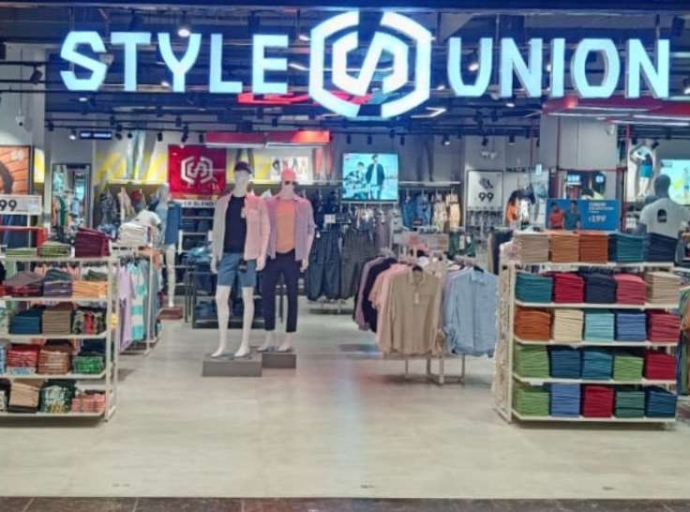
Style Union to raise Rs 400 crore for regional expansion

Value-fashion retailer Style Union is in advanced discussions to raise Rs 400–500 crore in a new equity round, targeting a post-money valuation exceeding Rs 7,000 crore. Promoted by retail veterans, the fast-fashion brand intends to utilize the proceeds to accelerate store rollouts across Tier-II and Tier-III markets, capitalizing on rising disposable incomes and demand for budget apparel. Operating over 140 stores, Style Union is expanding its footprint to compete against established value formats like Trent’s Zudio and Reliance Retail’s Yousta.

Operational scalability and margin efficiency

Scaling value fashion across regional urban hubs requires rigid inventory control and disciplined supply chain management. Delivering trend-led collections capped under Rs 999 demands high inventory turnover and localized distribution to mitigate freight inflation. Securing growth capital enables regional fashion chains to build dense store clusters and leverage volume sourcing to maintain gross margins, notes Anish Sharma, Senior Retail Analyst,Capital Metrics. In a representative case study, Style Union’s recent store launches in Tier-II southern hubs achieved unit-level EBITDA positivity within six months through 30-day inventory rotation cycles.

Maintaining strong revenue growth in value fashion

Founded in 2022 in Mumbai, Style Union operates over 140 stores offering affordable men’s, women’s, and children’s apparel across India. Targeting 250 locations, the retailer maintains strong revenue momentum in the value fashion segment, supported by private equity backing and an aggressive offline expansion strategy.

Style Union to raise Rs 400 crore for regional expansion

Popees Baby Care expands presence with new store opening

Popees Baby Care has commissioned its 112th global store in Zirakpur, Punjab, scaling its brick-and-mortar presence to capture the booming demand for premium, dermatologically-safe children's apparel in Tier-II North Indian cities.

North India penetration strategy

Following its recent debut in Chandigarh, the Zirakpur outlet functions as an operational anchor for the brand’s footprint across Punjab and Haryana. Driven by rapid urbanization and rising disposable incomes, India’s organized kids wear sector is witnessing structured growth outside Tier-I metros. By integrating offline touchpoints with direct distribution channels, Popees aims to optimize unit economics and strengthen brand affinity across emerging suburban nodes.

Much More

Operational scaling and market adaptation

Expanding into the northern retail belt allows the brand to fulfill a distinct market demand for certified, chemical-free children's textiles, notes Shaju Thomas, Founder and Managing Director. The brand’s retail design ensures seamless access to specialized lines while consolidating store-level profit margins.

High real estate overheads in Tier-I markets remain a challenge, prompting brands to shift strategic capital toward fast-growing urban clusters like Zirakpur. This store expansion builds upon strong financial tailwinds.

Refer

South-to-North growth footprint

Founded in 2003 in Malappuram, Kerala, Popees manufactures certified, non-toxic baby apparel, organic bamboo clothing, and maternity accessories. The company operates over 110 global retail locations, expanding actively across India and the Middle East. The company recorded a revenue of Rs 135.3 crore in FY25, supported by multi-round equity funding to scale omni-channel retail nationwide.

SUSTAINABILITY

Popees Baby Care expands presence with new store opening

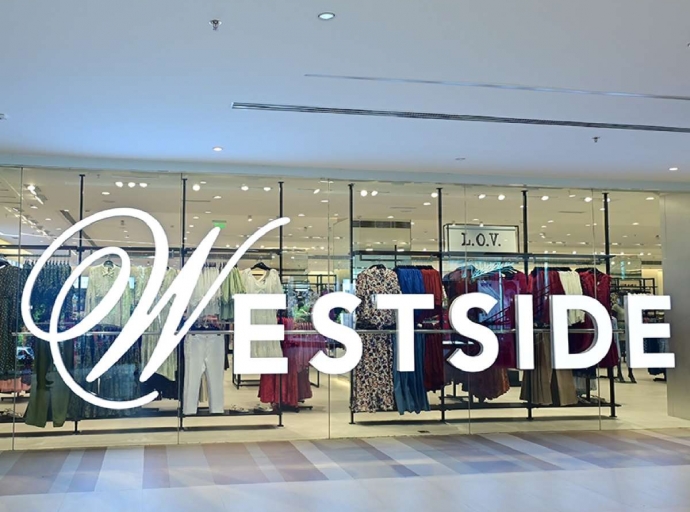
Trent to open 100 Westside stores annually

Tata Group’s retail flagship, Trent Ltd is shifting its focus toward its flagship brand, Westside, with plans to open as many as 100 new stores annually.Having operated roughly 300 stores across 97 cities, the retail network will expand into Tier-II and Tier-III centers, alongside deeper penetration into metro hubs like Delhi, Bengaluru, and Hyderabad.

This aggressive push comes as revenue growth moderates for sister format Zudio, amid persistent inflationary pressures and heightened competitive intensity from market rivals including Reliance Retail and Aditya Birla Fashion.To fund this physical footprint and digital expansion, Trent’s board previously approved a Rs 2,500 crore ($260 million) capital raise.

MUCH MORE

Tech-led operations and omnichannel realignment

Beyond store expansion, Westside is undergoing a digital overhaul to strengthen gross margins.E-commerce operations are targeted to contribute 10 per cent of total brand revenues, up from 6 per cent.Concurrently, the integration of artificial intelligence across design workflows has boosted creative output to 400–500 new styles weekly, while compressing production lead times to just 30 days.

DFU Profile

The brand has been opening 10 to 15 stores each year. It is now gearing up to open a hundred stores, says Shailina Parti, CEO, Westside. It aims to give everything a fashion spin.

Launched in 1998 by Trent, Westside offers private-label apparel, footwear, beauty, and home accessories. The brand has 300 stores in 97 Indian cities, targeting 700 locations long-term. It has expanded to major Tier II&III cities. E-commerce constitutes 10 per cent of its total business with AI having accelerated 30-day supply chains.

SUSTAINABILITY

Trent to open 100 Westside stores annually

Banana Club capitalizes on North India retail growth with new store launch

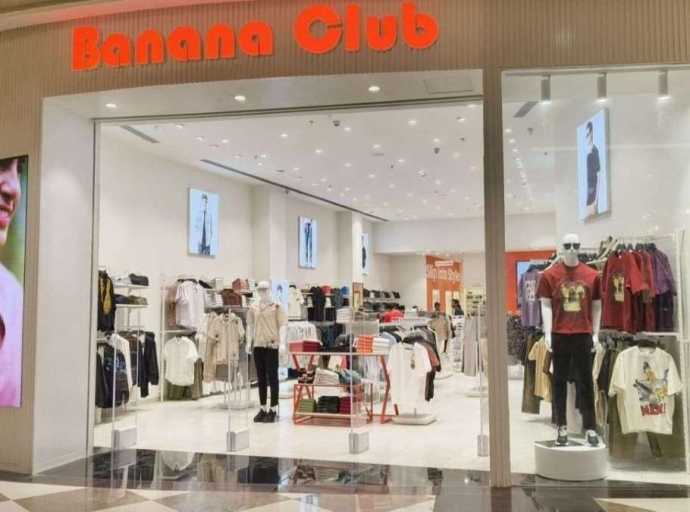
Fast-growing men's apparel brand Banana Club has commissioned its 21st EBO in Delhi, marking a strategic retail expansion into North India's high-density urban clusters. Located within a high-street shopping corridor, the new store aims to capture growing demand for premium yet accessible men’s casualwear, resort collections, and engineered linen separates among young urban professionals.

Much More

Vertical integration and market reach

By leveraging in-house manufacturing capabilities - from fabric sourcing to final assembly—Banana Club maintains strict control over inventory cycles and gross margins while offering contemporary styles priced between Rs 1,000 and Rs 2,600. The Delhi opening serves as an offline growth anchor, supporting the brand's rapid transition from a direct-to-consumer digital label into an omnichannel retail enterprise across Tier-I and Tier-II commercial hubs. Expanding physical touchpoints in high-footfall metropolitan markets reinforces offline customer acquisition while buffering fulfillment costs associated with digital returns, noted retail analysts monitoring domestic apparel trends.

Refer

Scalable omnichannel growth

To capture market share from traditional menswear brands, Banana Club is integrating localized store inventory with its digital shopping platform and third-party e-commerce channels. Establishing dedicated storefronts in primary fashion centers provides essential regional market data, allowing us to align production schedules with localized seasonal demand, stated the company's executive leadership team. Real estate acquisition costs and intense retail competition in prime commercial zones remain operational headwinds, requiring disciplined store-level economics and targeted product assortments.

EASITEX

Driving double-digit sales growth

Banana Club In Vogue is a fast-fashion menswear manufacturer and retailer offering trend-led shirts, trousers, and leisurewear across India. Utilizing integrated in-house manufacturing, the brand targets rapid retail scaling across major Indian metros and digital marketplaces, driving double-digit sales growth since its founding in 2020.

SUSTAINABILITY

Banana Club capitalizes on North India retail growth with new store launch

Banana Club enters capital market with new store in Rohini

Contemporary menswear brand Banana Club has broadened its physical retail footprint by inaugurating its 21st EBO in Rohini, marking its strategic entry into the competitive New Delhi retail market. Moving away from conventional apparel marketing, the launch featured high-engagement guerrilla tactics, including an interactive gorilla mascot and a dedicated nostalgia zone offering promotional incentives anchored to traditional one-rupee coin motifs. "Delhi has always been an essential market for our growth trajectory, and establishing our twenty-first store here represents a major operational milestone, explains Prashant Lalwani, Co-founder of Banana Club. The experiential retail strategy successfully captured high foot traffic, driving over 300 store-level conversions within the initial hours of opening.

Scaling omni-channel infrastructure nationwide

Building on strong urban demand across southern and western territories, the enterprise continues to execute a disciplined cluster-based store rollout intended to capture heightened fashion consciousness in tier-one and tier-two cities. Neel Bafna, Co-founder, notes, maintaining a vertically integrated operating model grants the company necessary structural agility to scale physical infrastructure rapidly while safeguarding stringent margin controls. With current performance metrics reflecting an annualized revenue run-rate of Rs 150 crore, the company maintains its long-term objective of achieving Rs 300 crore in annual recurring revenue by 2027 alongside expanding its network to 50 outlets. By harmonizing immersive high-street retail activations with a resilient direct-to-consumer digital framework, the label is systematically solidifying its competitive positioning within India's organized menswear segment.

Specialized menswear offerings

Established in Bengaluru in 2023, Banana Club operates as a specialized menswear fashion label focusing on contemporary apparel. The company targets urban consumers across key metropolitan markets through an integrated omni-channel architecture. Backed by venture funding, the enterprise targets aggressive nationwide outlet expansion and sustained financial growth.

Banana Club enters capital market with new store in Rohini

Landmark Group capitalizes on non-metro demand to scale Easybuy value format

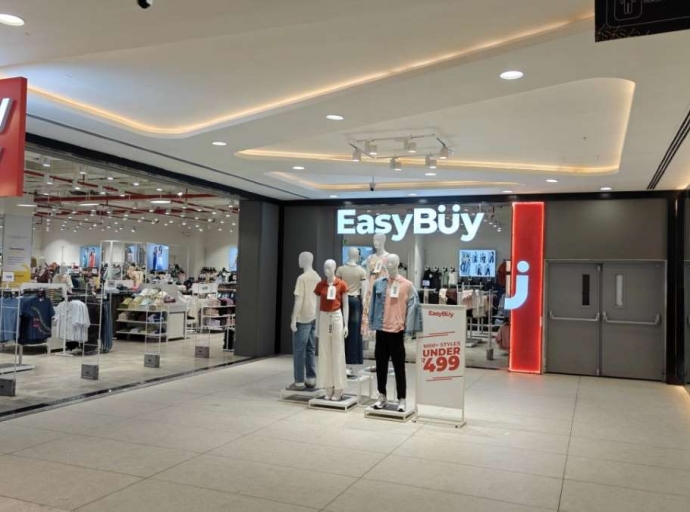
Organized value fashion retailers are accelerating physical store rollouts across non-metro urban clusters as rising disposable income and retail infrastructure expansion fuel consumer demand. Capitalizing on this structural shift, Landmark Group’s Easybuy has launched its newest store at LuLu Mall in Kozhikode (Calicut), Kerala. The opening expands the brand’s nationwide network beyond 150 doors. By positioning high-density footprints within regional mall hubs, value apparel brands are capturing higher basket sizes from aspirational family shoppers seeking structured menswear, contemporary womenswear, and kidswear lines.

Localized assortment balances trend agility and margin efficiency

Expanding in non-metro corridors requires balancing fast-fashion visual merchandising with strict price points. Value formats navigate margin pressures through bulk fabric sourcing, streamlined vendor logistics, and rapid inventory turns. Consumers in smaller cities want trend-led products. They are aspirational, but price-conscious. The challenge is to balance design, pricing, and supply chain efficiency, states Karan Mehta, CEO. Easybuy. By embedding localized product edits inside high-footfall regional destinations, apparel retailers enhance inventory productivity while insulating retail operations against digital customer acquisition inflation.

Scalable value retail engine serves emerging consumer hubs

Launched in 2014 under Dubai-headquartered Landmark Group - the parent firm behind Lifestyle and Max - Bengaluru-based Easybuy provides affordable family apparel. Operating over 150 stores, the brand targets aggressive store footprint growth across Tier-II and Tier-III hubs, supported by robust supply chain integration and profitable store-level economics.

Landmark Group capitalizes on non-metro demand to scale Easybuy value format

Retail expansion drives highest ever revenue growth for Raymond Lifestyle

Following its corporate demerger into a pure-play lifestyle and fashion entity, Raymond Lifestyle Limited (RLL) achieved record annual revenue crossing Rs 7,033 crore, reflecting a 10.6 per cent Y-o-Y increase. Rather than aggressive retail footprint expansion, RLL executed a deliberate portfolio rationalisation. The company added 89 high-margin premium stores while closing 124 underperforming outlets, consolidating its global retail network to 1,653 locations. This operational tightening optimized its working capital cycle from 87 days down to 77 days, unlocking liquidity and strengthening balance sheet stability with a net cash surplus of ₹179 crore.

MUCH MORE

Leadership transition anchors premiumisation drive

To spearhead its next phase of market expansion across Tier-II and Tier-iii cities, RLL onboarded industry veteran Satyaki Ghosh as its new CEO. The executive leadership is directing focus toward high-margin branded textiles, premium suiting, and expanding casual wear lines to counter global B2B trade headwinds. The company continues to focus on extracting higher value per square foot through product mix elevation and operational productivity, notes senior management during annual corporate disclosures. By scaling automated, integrated textile manufacturing and agile retail supply chains, RLL aims to outpace broader market growth in domestic fashion retail.

DFU Profile

A premier fashion and textile corporate

Raymond Lifestyle operates as a premier fashion and textile corporate, managing flagship brands across menswear, suiting, and casual apparel. With primary revenue streams in domestic and international retail markets, RLL targets double-digit revenue growth through premiumisation. Generating over Rs7,000 crore annually, the group traces its lineage back to a 1925 woollen mill.

SUSTAINABILITY

Retail expansion drives highest ever revenue growth for Raymond Lifestyle

Kora expands retail footprint with new South Extension store

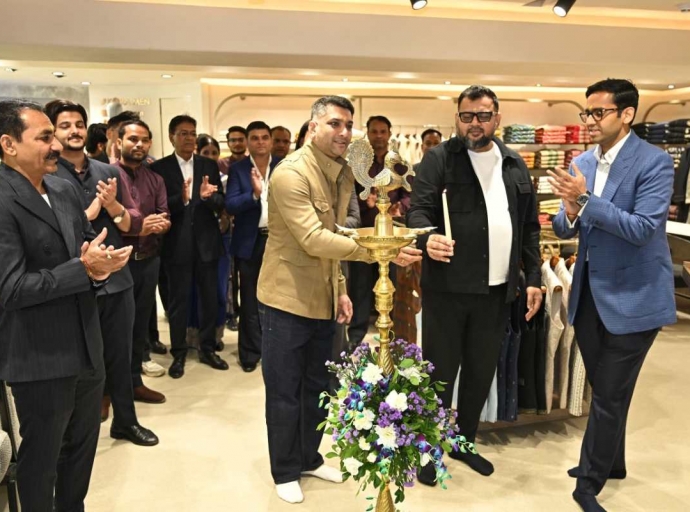
Premium menswear label Kora has scaled its physical retail network in North India by launching a flagship store within New Delhi's high-street retail destination, South Extension. Designed around an experiential visual merchandising framework, the multi-story destination provides high-touch clienteling services tailored specifically for wedding and festive apparel seekers. The launch increases the brand's total global portfolio to twenty-eight exclusive boutiques, reinforcing its presence across key domestic metropolitan centers as well as international markets including Dubai and the United Kingdom. Establishing the brand’s presence in South Extension represents a major strategic milestone as it deepens its engagement with consumers seeking exceptional craftsmanship and personalized styling, notes Nilesh Mitesh, Co-founder, Kora.

Strategic market capture and revenue growth

The prominent retail debut leverages targeted pre-opening digital marketing campaigns and bespoke styling zones to drive sustained foot traffic and early conversion rates in a competitive luxury corridor. By integrating immersive in-store interactions with an established direct-to-consumer omni-channel infrastructure, the enterprise continues to capture expanding demand within India's premium occasion-wear segment. Industry estimates indicate that organized luxury ethnic wear continues to register strong double-digit growth, supported by rising consumer expenditure on weddings and festive celebrations. Management intends to leverage this flagship location as a regional operational hub to support ongoing national expansion plans and sustained long-term financial performance.

Capturing rising demands

Founded by designers Nilesh and Mitesh Mitesh, Kora specializes in luxury men's ethnic wear, custom sherwanis, bandhgalas, and premium Indo-Western attire. Operating twenty-eight flagship locations across India, Dubai, and the UK, the luxury enterprise targets double-digit retail growth by capturing rising domestic and international occasion-wear demands.

Kora expands retail footprint with new South Extension store

Latest Publications

Image

Join Our Group

Join Our Group