
Pune’s Tailor Expo 2026 concludes as grassroots artisans embrace modern technology to revitalize custom clothing
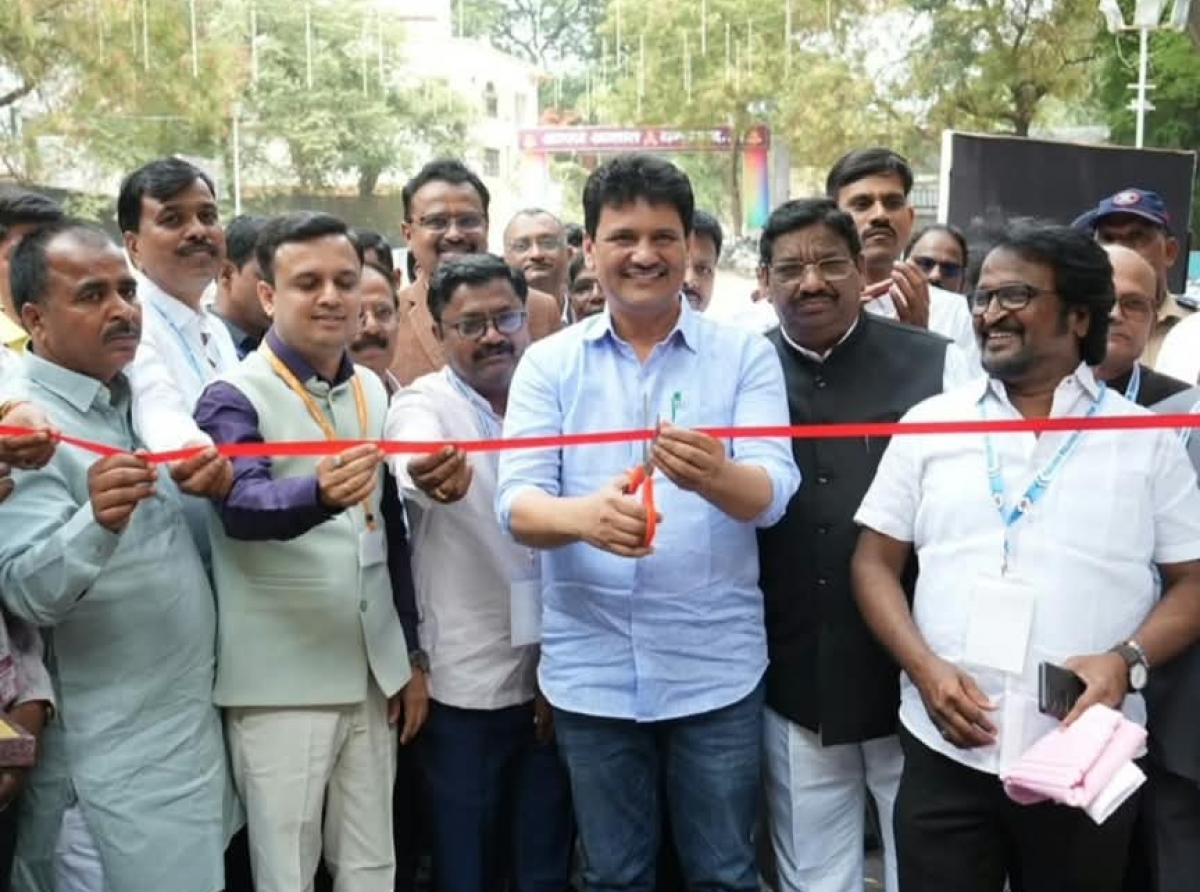
Marking a major turning point for unorganized garment artisans, the second edition of India’s dedicated tailoring exhibition, Tailor Expo 2026, successfully concluded at Mahalaxmi Lawns in Karve Nagar, Pune. Following its debut in Sangli in 2024, the three-day trade convention brought together thousands of neighborhood tailors, boutique proprietors, textile manufacturers, and equipment suppliers from Maharashtra, Karnataka, and neighboring states.
The expo was formally inaugurated by senior industry figures and public sector dignitaries, including Sandeep Pokar, Secretary from the Central Government's Small Scale Industry and MSME department. Highlighting the government's focus on unorganized and micro-level craftsmen, Pokar stressed the importance of eliminating bureaucratic hurdles as, "The government is dedicated to supporting ground-level beneficiaries through targeted schemes and comprehensive assistance. Tailors and small artisan enterprises represent the true foundation of the clothing economy, and our objective is to ensure that modern machinery subsidies and technological resources reach them directly on the ground without middlemen."
"If the identity of fabric brand is to be saved, the tailor must be saved"
The event spotlighted the urgent systemic challenges facing custom tailoring across India: relentless pressure from mass-manufactured readymade apparel, limited access to capital, and a declining apprentice pipeline.
Reflecting on the mission of the gathering, Shashikant Koparde, State Secretary of the Tailors Welfare Association Maharashtra, underscored the indispensable link between retail textile survival and skilled tailors, emphasizing this Shashikant says "If the fabric retail contract is to continue and the fabric identity and brand is to be used, the tailor must save the cloth. But today, the art of tailoring is decreasing and no one is paying attention to it. For the last 10 to 15 years, nobody has been investing their next generation in this field. We made this association and expo so that small-town tailors can see advanced technology in one place, upgrade their craftsmanship at affordable rates, and earn the respect they deserve in the market."
Koparde traced the roots of the movement to 2015, when an industry visit to Ahmedabad prompted craftsmen from Sangli, Miraj, and Jaisinghpur to formalize an association in 2018. Over the subsequent eight years, the network expanded to over 250,000 affiliated tailors across districts such as Satara, Solapur, Pune, and Nagpur, offering subsidized masterclasses and cutting seminars to keep local workshops competitive.
Democratizing factory technology for the small workshop
A defining achievement of the Pune fair was bringing high-end industrial machinery within the reach of micro-tailoring units. Factory-grade sewing systems demonstrated how advanced technology, typically reserved for large export manufacturing plants, can be adapted for single-operator boutiques. Exhibitors such as Shivam Enterprises presented Jack's computerized, IoT-enabled single-needle and five-thread machines featuring concealed oil tanks, digital stitch controls, and automated trimming mechanisms that enhance throughput without compromising craftsmanship.
Precision finishing, Heritage reliability, and Modern couture
Alongside core stitching equipment, the expo showcased precision finishing solutions that reduce manual fatigue, including Zoje automatic button-sewing devices, bottom-hemming (turpai) units, and multi-functional domestic machines capable of delicate embroidery as well as heavy denim seams. Long-standing manufacturers such as Nowell Sewing Machine Technology emphasized the critical role of reliable after-sales service and nationwide technical support, reassuring artisans that investing in modernization will not jeopardize daily operations. Rounding out the technical exhibits, the concurrent Aura 2026 showcase placed bespoke ethnic tailoring on the runway, proving that custom craftsmanship can thrive alongside contemporary fashion trends.
With strong backing from prominent textile houses like Donear, D&J, Siyaram’s, and Raymond’s Center of Excellence, the association is now preparing to scale its outreach to national and international forums.










 Get in Touch!
