
CBI case against Future Retail exposes structural disconnect in retail expansion models
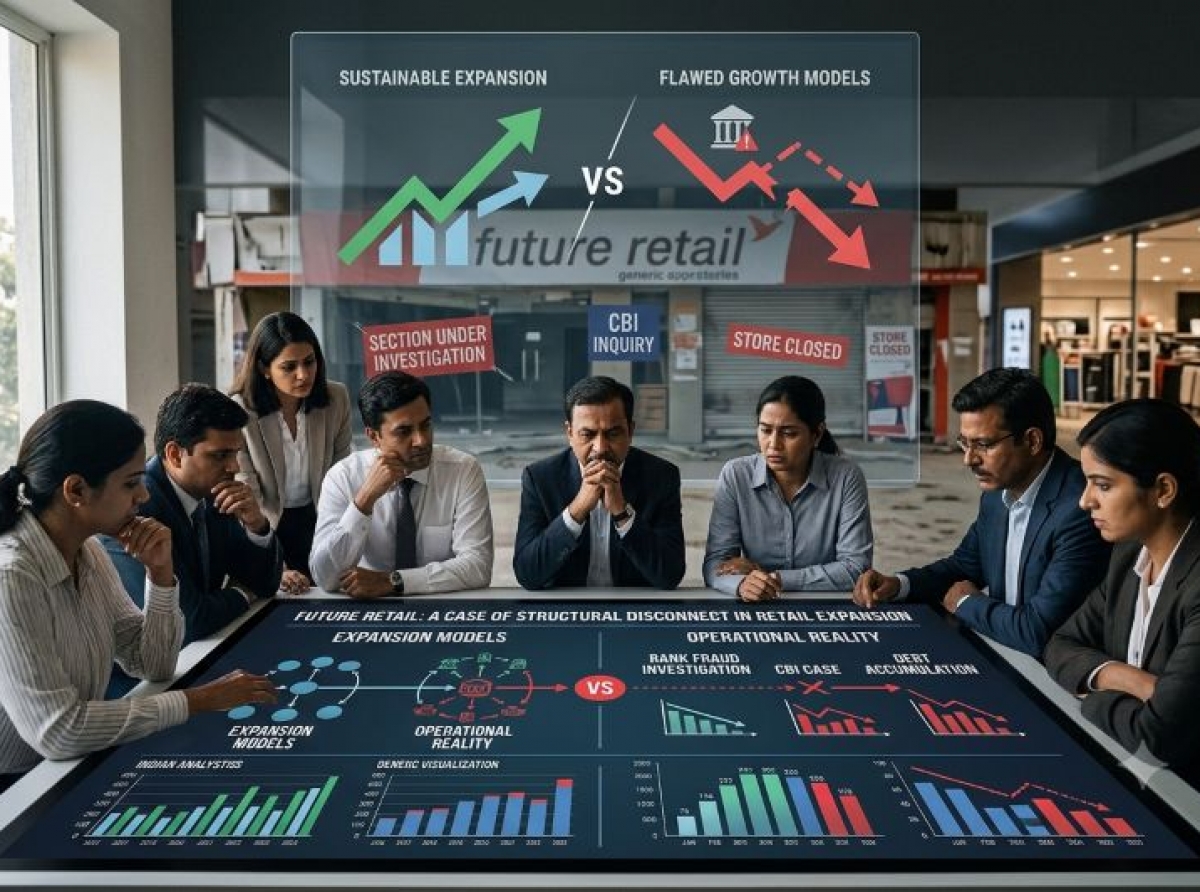
The Central Bureau of Investigation’s criminal case against Future Retail Limited and its promoters over an alleged Rs 904.32 crore non-performing credit facility highlights a critical reckoning across India’s organized fashion and apparel enterprise landscape. Forensic scrutiny covering financial transactions between 2017 and 2022 revealed net related-party capital transfers exceeding Rs 5,800 crore, signaling severe governance vulnerabilities during aggressive storefront expansions. Lending institutions are now recalibrating underwriting standards, demanding stringent end-use monitoring of working capital facilities granted to large-format commercial retailers.
Shift toward asset-light formats amid credit contracting
Financial institutions have tightened risk management frameworks for multi-brand fashion networks, forcing regional and national apparel conglomeratture es to embrace debt-averse growth. With traditional debt channels contracting, retailers are restructuring operational footprints away from capital-intensive megastores toward lean, high-margin store networks. The era of funding aggressive physical expansion through unsecured working capital lines has ended; long-term solvency relies on disciplined balance sheet management, inventory velocity, and strict corporate governance, observes Rahul Mehta, Chief Industry Analyst, Institutional Retail Advisors.
Retail portfolio management and enterprise overview
Future Retail operated multi-format commercial retail networks across India, specializing in value apparel, fashion accessories, household products, and daily consumer merchandise. Established under pioneer retail operations in the late 1980s, the company built nationwide footprint dominance through flagship chains such as Big Bazaar and Fashion @ Big Bazaar. Facing insolvency, legal proceedings, and regulatory audits, the organization currently remains under operational liquidation and forensic scrutiny.











 Get in Touch!

