
Premium malls push apparel brands to focus on sales per sq ft
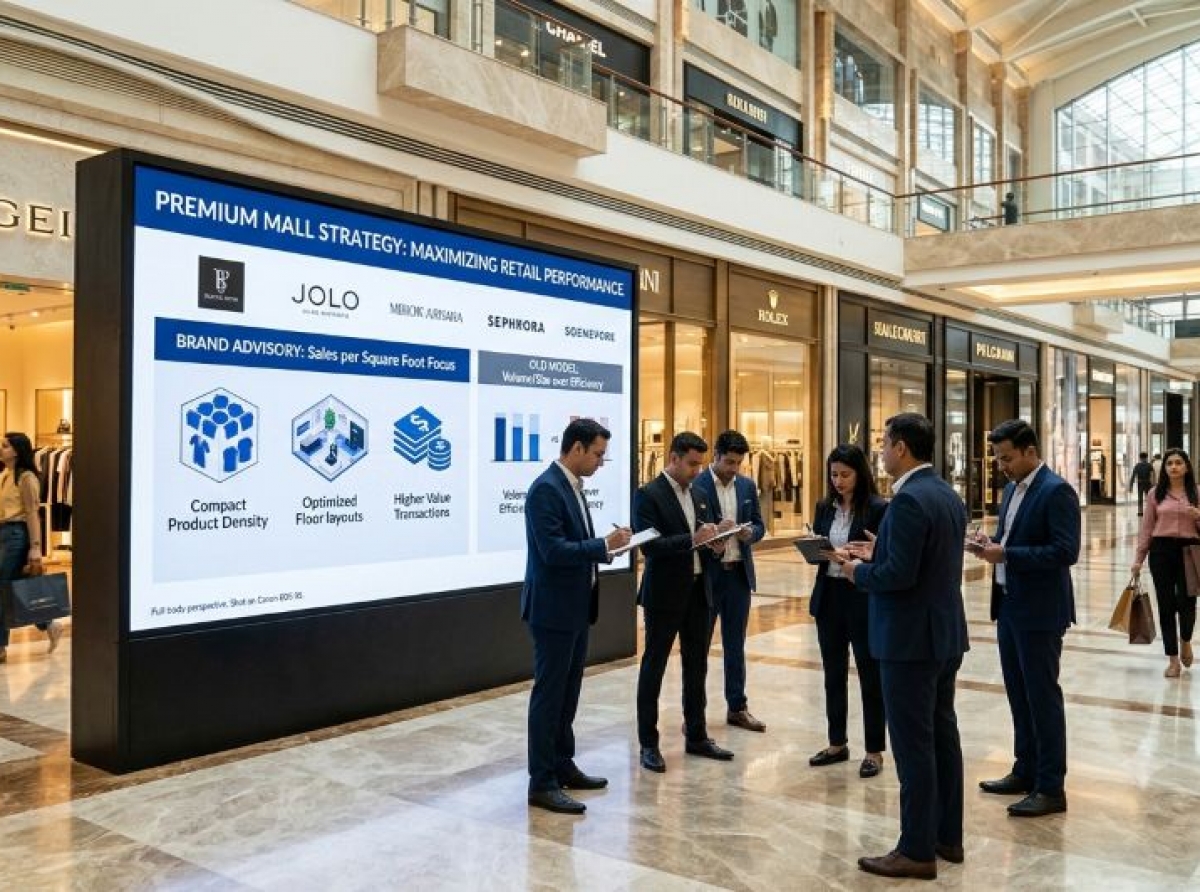
India’s premium shopping malls are changing the economics of apparel retail, shifting the focus from store expansion and floor space to trading density, consumer engagement and sales productivity. As developers rework tenant mixes to accommodate dining, entertainment, beauty and experiential formats, fashion brands face growing pressure to justify occupancy costs through stronger sales per square foot.
The shift is also changing leasing strategies. Fixed rentals are being supplemented by revenue-share arrangements, while underperforming tenants risk losing space to brands that deliver higher consumption and attract premium-spending shoppers.
The transition was outlined by Rashmi Sen, CEO of Phoenix Malls, during an interaction with ET Retail Cafe at The Economic Times retail forum. Her assessment points to a broader change in the role of shopping centres: from transactional retail spaces to lifestyle destinations where dwell time, brand adjacencies and consumer experience influence spending.
Space gets reallocated
Fashion and accessories continue to occupy around 50-55 per cent of gross leasable area (GLA) across leading Grade-A mall portfolios and contribute more than half of tenant sales. However, developers are expanding food, beverage and entertainment formats, with their share of mall space rising towards 20-25 per cent, compared with less than 12 per cent previously in the cited operating benchmarks.
For apparel retailers, this means competing for space within a more diversified retail spaces. Stores must generate stronger returns from expensive locations, while landlords seek a tenant mix that encourages shoppers to stay longer and spend across categories.
Flagship stores are consequently evolving beyond conventional merchandise displays. Personalised styling, experiential layouts, loyalty-led services and omnichannel facilities such as click-and-collect are becoming important tools for improving conversion and customer retention.
Trading density takes priority
The commercial implications are visible in Phoenix Mills’ reported consumption and trading-density trends across selected properties.
Table: Phoenix Mills’ consumption and trading-density
|
Mall Asset |
Reported Year-on-Year Performance |
|
Phoenix Mall of Asia, Bengaluru |
96% growth in consumption |
|
Phoenix Marketcity, Bengaluru |
15% increase in trading density |
|
Phoenix Mall of the Millennium, Pune |
34% growth in retail spending |
|
Phoenix Marketcity, Pune |
26% increase in trading density |
|
Palladium, Mumbai |
25% growth in luxury and bridge-to-luxury consumption |
|
Phoenix Marketcity, Ahmedabad |
27% growth in consumption |
These figures, supplied in the company's operating context, reveal the potential gains from repositioning retail assets and improving brand adjacencies. They represent different performance measures and should not be treated as directly comparable indicators.
Developers are relocating lower-yielding units to accommodate international fashion labels, aspirational domestic brands and experiential beauty retailers. The objective is to improve revenue generation from each unit of space rather than maximise occupancy alone.
For apparel brands, the implication is clear: store productivity mostly determines the ability to secure and retain premium locations. Brands must balance merchandise breadth with inventory turnover, conversion rates and average transaction values.
Leasing becomes performance-led
The changing tenant mix is also influencing lease negotiations. Traditional minimum-guarantee rentals are increasingly being complemented by performance-linked revenue-sharing arrangements, aligning landlord returns more closely with store sales.
At the same time, retailers face rising common-area maintenance charges, municipal expenses and fit-out costs. Premium mall entry can require substantial investment in store design, technology and customer-facing services, making location selection and payback periods critical to expansion plans.
Inventory planning adds another layer of complexity. Wedding seasons, festive shopping and weekend leisure traffic can create sharp variations in demand. Brands must align replenishment and product assortments with local consumption patterns to avoid missed sales or excess stock.
The challenge is particularly relevant for regional expansion. Premium consumption is spreading beyond established metropolitan markets into cities such as Surat, Chandigarh, Kolkata and Coimbatore. Newer destination malls offer access to these consumers, but retailers must establish local demand before committing to expensive store formats.
Regional malls expand
Institutional capital is supporting the development of large retail-led mixed-use projects, including destination centres with around 1-1.5 million sq ft of leasable space. Such investments are expanding the organised retail footprint beyond traditional metro hubs.
For apparel retailers, these centres offer access to emerging premium consumers and new catchments. However, success depends on more than replicating metropolitan store formats. Merchandise, pricing and inventory depth must reflect local preferences, including regional festive calendars, wedding demand and the balance between premium and mass-market consumption.
The economics of expansion will therefore depend on how effectively retailers match store investments to local spending potential.
Stores become omnichannel hubs
The evolving mall model is also raising the value of physical stores. Retailers use outlets as brand-building platforms, service centres and fulfilment nodes alongside their digital channels.
Click-and-collect, in-store returns, personal styling and integrated loyalty programmes can help connect online discovery with physical purchases. Stores located near dining, entertainment and beauty destinations may also benefit from cross-category footfall.
For apparel brands, however, additional experiences must translate into measurable commercial outcomes. Higher visitor numbers alone do not guarantee better profitability; conversion, basket size, repeat purchases and occupancy costs remain central to store performance.
The next growth test
Phoenix Mills, which traces its origins to a Mumbai textile manufacturing business established in 1905, has developed into a major owner and operator of retail-led mixed-use assets. The company manages more than 11.5 million square feet of retail space and has outlined plans to expand its operational retail footprint to approximately 18 million square feet across 17 destination shopping centres by 2030.
Its expansion reflects the broader evolution of Indian shopping malls towards integrated lifestyle destinations. For apparel retailers, the corresponding shift is from pursuing store-count growth to building a productive network of locations.
As premium malls become more selective about tenants and space allocation, brands will need sharper inventory management, differentiated store experiences and disciplined capital deployment. The winners will be those that convert footfall into profitable sales—not simply those that occupy the largest retail footprint.











 Get in Touch!

