
Tier-II Retail Boom: Visakhapatnam emerges as South India’s next premium retail hub
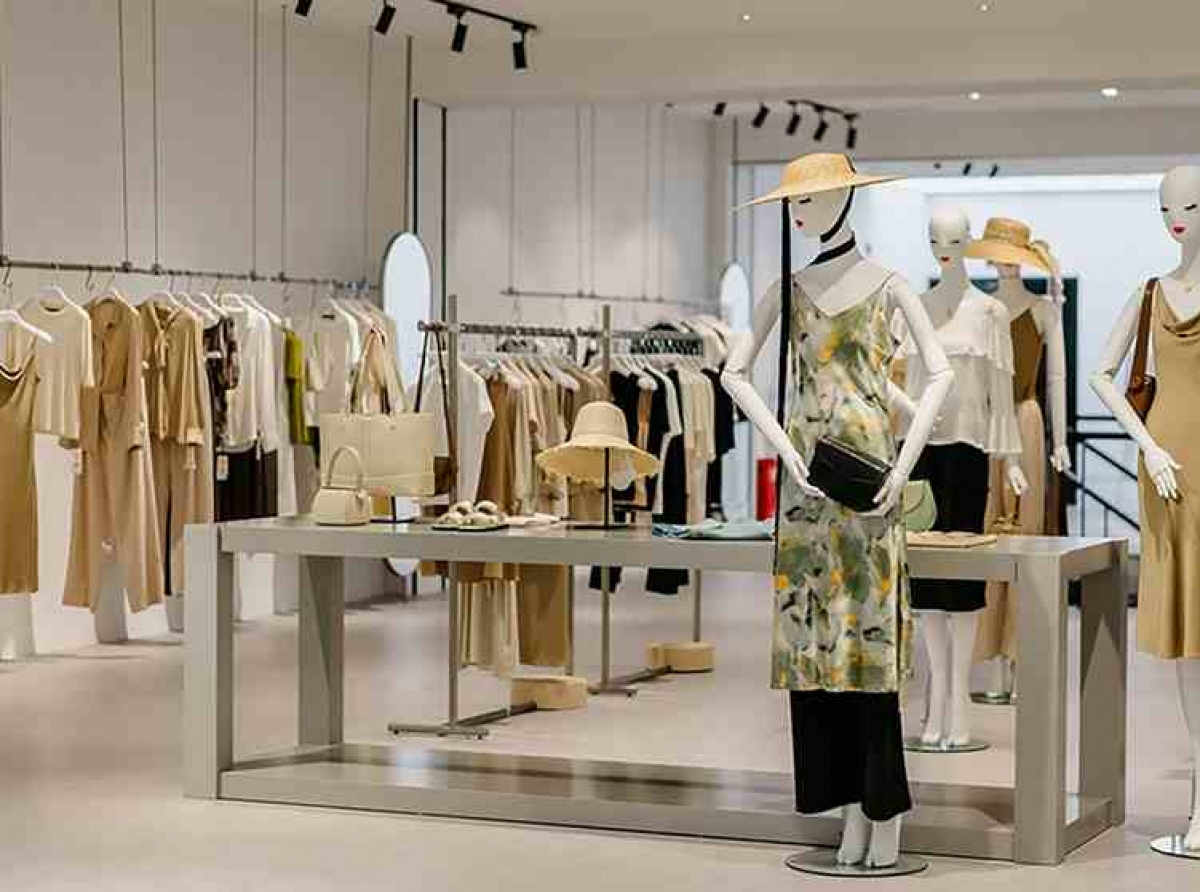
India’s retail is passing through a geographical shift as premium fashion and lifestyle brands look beyond metros to unlock growth. Among the emerging destinations, Visakhapatnam has established itself as one of the most attractive Tier-II cities for organized retail expansion. Traditionally known for its port operations, heavy industries, and public-sector enterprises, the city is now gaining prominence as a high-potential consumer market supported by rising incomes, expanding white-collar employment, and modern retail infrastructure.
The transition comes at a time when India’s fashion retail market, valued at approximately $60.12 billion, continues to grow at a CAGR of 12.87 per cent, encouraging brands to diversify beyond saturated tier-1 markets and build stronger regional footprints.
Changing economics lead to consumer demand
Visakhapatnam’s retail rise is closely linked to its evolving economic structure. With a population of nearly 2.6 million and an estimated GDP of $48.5 billion, the city ranks among India’s wealthiest urban economies. More importantly, the composition of that economy has changed considerably over the past decade.
Table:
|
Economics |
Status & contribution |
Industry impact |
|
City Gross Domestic Product |
Estimated $48.5 bn |
Enters Top 10 Indian municipal economies |
|
Service Sector Contribution |
55% of regional GDP |
Expands white-collar, corporate buying power |
|
Industrial / Logistics Base |
35% share of regional GDP |
Sustains high baseline household incomes |
|
Tech & Infrastructure Influx |
Adani Data Center, IT/ITeS parks |
Attracts corporate professionals and young families |
Large-scale investments in technology parks at Madhurawada and Kapulappada, coupled with infrastructure projects such as the Bhogapuram International Airport, have boosted the growth of a young professional workforce. The service sector now contributes 55 per cent of regional economic output, creating a sizeable demography with discretionary spending power. This shift has directly benefited categories such as premium apparel, athleisure, footwear, beauty, and lifestyle products.
Modern retail reshapes market
The development of large-format retail destinations has played an important role in transforming consumer behavior. The launch of Inorbit Mall at Salagramapuram has significantly strengthened Visakhapatnam’s ability to attract premium and international brands. Developed through a public-private partnership involving K Raheja Corp and the Visakhapatnam Port Authority, the project has an investment of approximately Rs 600 crore and spans 1.4 million square feet, making it the largest integrated retail development in Andhra Pradesh.
The arrival of more than 350 domestic and international brands has addressed a long-standing gap in the local retail ecosystem. Previously, premium brands relied heavily on traditional high streets and multi-brand retail networks concentrated around established commercial districts. Today, organized retail environments provide the scale, store formats, visual merchandising standards, and customer experience required by global fashion operators.
The presence of brands such as H&M, GANT, Birkenstock, and American Eagle has further reinforced the city's position as a premium consumption destination, reducing the need for consumers to travel to larger markets such as Hyderabad or Chennai for branded shopping experiences.
Dual retail takes shape
Unlike many emerging cities where malls rapidly replace traditional retail, Visakhapatnam has developed a hybrid retail model. Established shopping destinations such as CMR Central Mall and Vizag Central continue to attract strong footfall through a mix of fashion, lifestyle, and department-store offerings. At the same time, major commercial corridors including Waltair Main Road and VIP Road have become preferred locations for stand-alone flagship stores and exclusive brand outlets.
Traditional shopping districts remain equally relevant. Jagadamba Junction continues to serve as one of the region’s busiest fashion markets, drawing consumers from across coastal Andhra Pradesh. Long-established retailers such as CMR Shopping Mall and Kalanikethan maintain strong demand, particularly in ethnic wear and occasion-based apparel.
This coexistence of organized malls and traditional retail corridors has created a diversified shopping ecosystem capable of serving both aspirational consumers and value-conscious shoppers.
Organized retail gains market share
The most visible outcome of the city’s retail transformation is the growing shift from unorganized commerce to structured retail formats. As consumers seek branded merchandise, enhanced shopping experiences, and product authenticity, organized retail operators are steadily capturing market share.
|
Retail format |
Local market share (2020) |
Local market share (2026) |
Projected share (2030) |
|
Unorganized Retail (Traditional High Streets, Standalones) |
88% |
72% |
58% |
|
Organized Brick-and-Mortar (Grade-A Malls, EBOs, Chains) |
4% |
14% |
24% |
|
Digital Commerce (Fashion Marketplaces, D2C Apps) |
8% |
14% |
18% |
The data highlights a clear shift. While traditional retail continues to dominate, organized formats are expanding rapidly. Exclusive brand outlets, department stores, and mall-based retail are benefiting from growing consumer preference for curated shopping experiences and international product assortments.
Digital commerce has also become a significant contributor, accounting for 14 percent of the local fashion market. However, online channels are also working as discovery platforms rather than direct substitutes for physical stores. Consumers often research products online before completing purchases at physical outlets where they can verify fit, quality, and authenticity.
Brands follow the new consumer
For decades, Visakhapatnam’s fashion spending was concentrated within multi-brand retail environments that catered to a broad customer base. The city’s changing demographic profile is now driving demand for more specialized retail formats. Professionals employed in technology, logistics, and service industries are seeking differentiated product offerings and globally recognized brands.
As a result, retailers are prioritizing exclusive brand outlets and experiential store concepts over traditional multi-brand formats. This mirrors a broader national trend where consumers place greater emphasis on brand identity, product specialization, and shopping experiences.
The city’s retail prospects are further strengthened by Andhra Pradesh’s industrial and textile ambitions. The state’s Textile and Apparel Policy aims to attract Rs 10,000 crore in fresh investments and create approximately 200,000 direct jobs. Combined with Andhra Pradesh’s position among India’s leading cotton-producing states and the logistical advantages offered by the Visakhapatnam Port, the region is developing a more integrated textile and apparel value chain.
For fashion and lifestyle brands, this creates a compelling combination of supply-side efficiency and demand-side growth. Rising consumer spending, growing organized retail infrastructure, and supportive government policies are positioning Visakhapatnam as one of India’s most important Tier-II retail markets.
As retailers look beyond metros for the next wave of growth, Visakhapatnam is emerging as a city where industrial development, infrastructure investment, and aspirational consumption are coming together to create a powerful new retail engine.








 Get in Touch!
