
Uniqlo accelerates India expansion with high-performance localization
18 March 2026, Mumbai
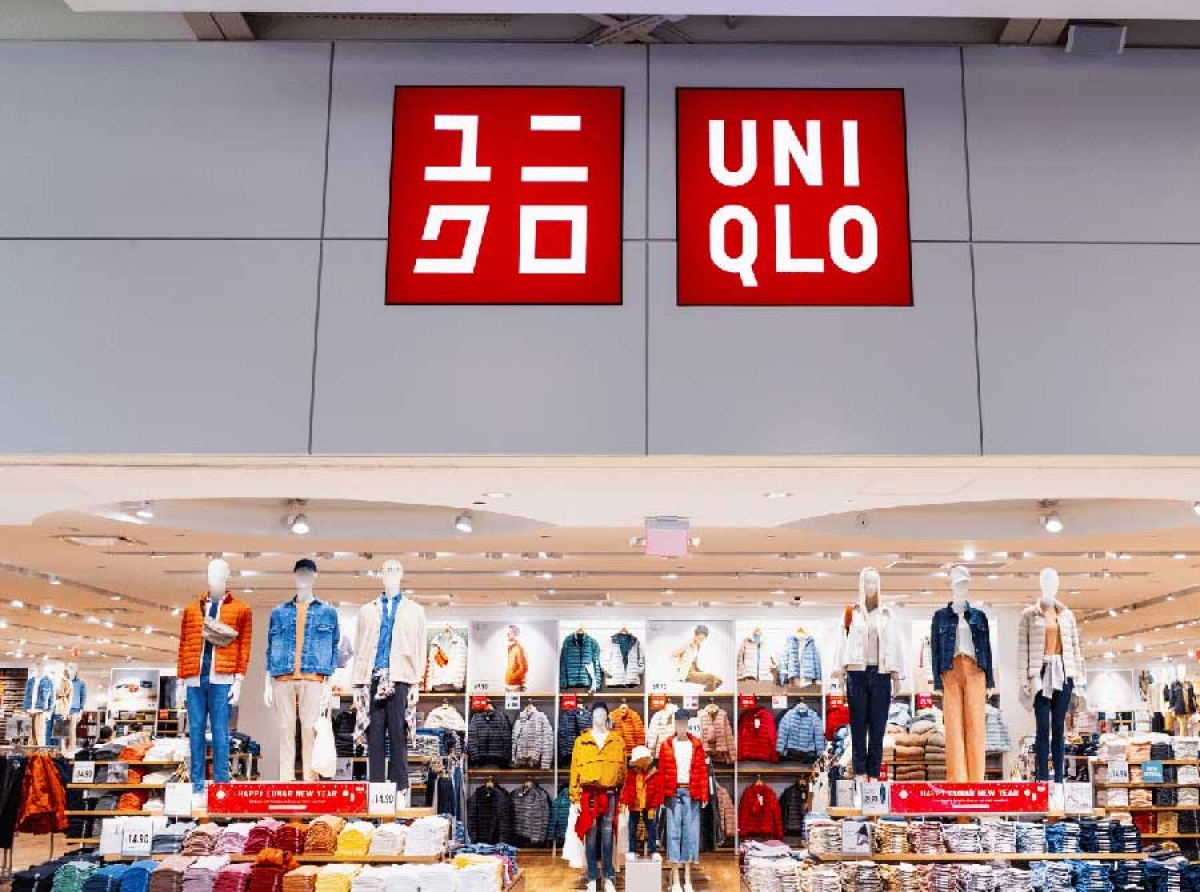
Uniqlo is restructuring its operational footprint in India to transition from a niche international label to a ubiquitous household name. A critical pillar of this transformation is the aggressive localization of its supply chain, with the company aiming to increase domestic sourcing to 30 per cent by FY26-end. This shift is designed to mitigate the risks associated with global trade volatility while improving speed-to-market for its specialized technical lines. By establishing India as a top-ten global production hub, the retailer is insulating its pricing architecture from currency fluctuations and import tariffs, ensuring that its core value proposition remains competitive against both domestic incumbents and global fast-fashion rivals.
High-visibility ambassadorship and Southern market penetration
The March 2026 appointment of Jasprit Bumrah as the face of ‘LifeWear’ serves as a sophisticated marketing pivot, moving away from generic global imagery to achieve deep cultural resonance. This partnership coincides with a decisive ‘Southern Pivot,’ as Uniqlo expands its physical retail presence into high-growth tech hubs such as Bengaluru and Hyderabad. Unlike the North Indian market, which is driven by seasonal winterwear sales, these warmer regions provide a year-round revenue stream for Uniqlo’s proprietary AIRism and linen collections. With a 44 per cent rise in recent annual revenue reaching Rs 1,176 crore, the brand is leveraging its 40 per cent digital growth to test demand in Tier-II ‘shadow markets’ before committing to its goal of 30 operational outlets by 2027.
A Fast Retailing subsidiary, Uniqlo specializes in functional, high-quality apparel known as LifeWear. Since its 2019 Indian debut, the brand has shifted focus from North Indian flagships to a nationwide multi-channel strategy. Currently reporting a net profit of Rs 178 crore, Uniqlo plans to double its store count while scaling local production to 30 per cent to secure long-term fiscal stability.











 Get in Touch!
