
Fashion’s New Geography: How pin codes are shaping retail expansion
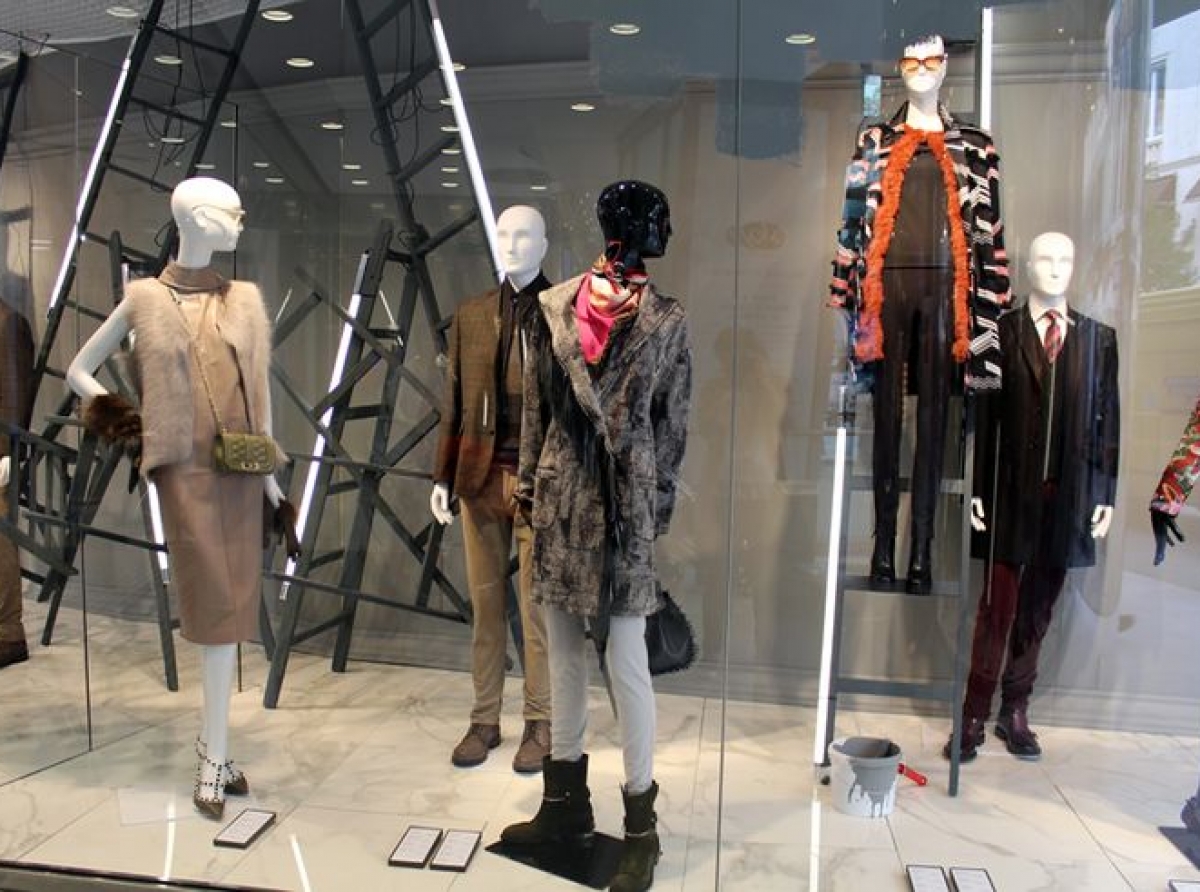
For years, India's fashion and apparel retailers followed a familiar expansion formula, secure a prominent location in a premium mall, invest heavily in store aesthetics, launch with celebrity-driven campaigns, and expect footfalls to follow. That model is now losing relevance as consumer behaviour becomes more fragmented and location-specific.
A shift is underway across India's retail as the market moves toward an estimated Rs 95 lakh crore opportunity growing at nearly 9 per cent annually. Brands are discovering that success is no longer determined by city-level presence but by neighbourhood-level relevance. The real battleground is no longer Mumbai vs Delhi or Bengaluru vs Hyderabad. Instead, it is about understanding the purchasing behaviour of individual catchments, often separated by only a few kilometres. Experts say fashion retail has become a hyperlocal game where operational precision matters more than scale or spectacle.
Beyond store glamour
Many apparel brands continue to prioritise high-visibility investments such as elaborate store interiors, grand launch events and broad-based branding campaigns. However, retailers that outperform are often those that focus on less glamorous but more critical factors including product assortment, local spending patterns, seasonal preferences and conversion behaviour.
|
Factor |
Focus category |
What it measures/impacts |
|
National Branding |
Strategic / Macro |
Overall market perception, trust, and consistency across all locations. |
|
Brand Focus |
Strategic / Macro |
Core identity, value proposition, and the primary message to the consumer. |
|
Product Mix & Ticket Size |
Strategic / Macro |
Merchandising strategy combined with the average amount a customer spends per transaction. |
|
Local Buying Behaviour |
Tactical / Micro |
Regional preferences, cultural nuances, and specific purchasing habits of the immediate community. |
|
Seasonal Demand & Conversion Psychology |
Tactical / Micro |
Timing-based shifts in consumer needs and the emotional/mental triggers that drive a browser to become a buyer. |
|
Store Interiors |
Tactical / Micro |
The physical layout, lighting, ambiance, and sensory experience of the brick-and-mortar space. |
|
Launch Events |
Tactical / Micro |
Experiential marketing tactics used to build immediate hype, awareness, and foot traffic. |
|
Often Overlooked Factors |
Tactical / Micro |
Hidden operational variables, subtle friction points, or niche details that brands frequently miss but shouldn't. |
The consequences of ignoring these factors can be significant. Estimates reval location-demand mismatches contributed to store closure rates of 10-15 per cent among several pan-India apparel retailers during FY25. At the same time, despite premium mall supply expected to expand by nearly 20 per cent across major cities by 2026, additional retail space is not necessarily translating into stronger sales productivity.
Retail executives note that inventory mistakes remain among the most expensive errors in fashion. Stocking the wrong merchandise for a catchment whether premium western wear in a value-conscious market; heavy winter collections in regions with limited seasonal demand, can lock up working capital for months and impact profit. The lesson is becoming clear: retail success is driven less by aesthetics and more by alignment with local demand.
Scale meets localisation
The growing importance of neighbourhood-level retail dynamics is also forcing large national an d international brands to rethink traditional expansion strategies. So far, apparel companies relied on economies of scale, standardised store formats and uniform merchandise planning across regions. However, rapidly diverging consumer preferences are making that model harder to sustain.
What works in an affluent South Mumbai neighbourhood may fail in a suburban Delhi catchment. Similarly, purchasing behaviour in Bengaluru's technology corridors differs significantly from that of emerging residential clusters in Tier-II cities. This shift has created opportunities for agile domestic brands, regional retailers and direct-to-consumer players that can respond more quickly to local demand signals. Larger retailers are adopting hybrid models that combine centralised supply chains with decentralised merchandising, pricing and marketing decisions.
The micro-market reality
Retail data increasingly highlights the contrast between India's macro growth story and the realities of localised demand.
Table: Macro opportunity vs micro-market dynamics
|
Market indicator |
National/macro scale |
Hyperlocal/micro reality |
Retail imperative |
|
Market Size & Growth |
Rs 95 lakh cr market, growing at 9% annually. |
Nearly 100 pocket hotspots (just 10% of metro PIN codes) remain completely underserved. |
Shift capital from saturated high-streets to high-potential neighborhoods. |
|
Real Estate Supply |
Gross leasing volume hit an all-time high of 12.5 million sq. ft. |
High streets command a dominant 48% share over traditional shopping malls (45%). |
Build leaner, highly optimized physical storefronts functioning as "local billboards". |
|
Inventory Risk |
One wrong inventory cycle can tie up millions in capital. |
Catchments block working capital for months if product mix ignores regional preferences. |
Curate assortment by neighborhood rather than using a corporate template. |
|
Consumer Demographics |
Broad push toward premiumization across urban centers. |
Rapid rise of value fashion and organized retail in Tier-II/III cities. |
Calibrate ticket sizes to local conversion psychology. |
The data underscores a reality: retail strategies that succeed at a national level must increasingly be customised at a local level.
Lessons from the market
Several leading retailers have already adapted their operating models to reflect this shift.
Reliance Trends' local discovery play: With a network of over 2,400 stores, Reliance Trends has increasingly focused on localised digital visibility rather than relying solely on national campaigns. By using region-specific keywords, location-based marketing and customised store landing pages, the retailer has strengthened local customer discovery.
The approach reportedly generated a 20 per cent increase in direction requests, a 120 per cent rise in customer calls and a 110 per cent increase in map impressions, indicating that consumers are increasingly searching and shopping within their immediate vicinity.
Zudio's value-fashion formula: Among the most cited examples of hyperlocal retail success is Trent's Zudio. Rather than chasing premium mall locations, the value-fashion chain has built its expansion strategy around neighbourhood high streets and Tier-II and III markets. The retailer's merchandise strategy is tightly aligned with local affordability thresholds, with most products priced below ₹999. Combined with rapid inventory turnover and modest store investments, the model has enabled Zudio to scale while maintaining strong productivity levels. Its success demonstrates that understanding local purchasing power can often be more valuable than securing a prestigious retail address.
The cost of format mismatch
The risks of ignoring local nuances are equally evident. Experts say, instances where ethnic wear retailers entered Tier-II markets using the same luxury formats deployed in metros. In several cases, premium bridal assortments and expensive store designs failed to resonate with local demand patterns. However, when retailers reworked their product mix toward festive fusion wear, casual ethnic apparel and more accessible price points, store performance improved significantly, with some locations reportedly achieving profitability within two quarters.
As India's fashion retail sector continues to grow, the era of expansion driven primarily by brand visibility and scale appears to be giving way to a more disciplined approach centred on neighbourhood economics. Retailers are recognising that a successful expansion strategy depends not just on entering the right city but on understanding the right street, the right catchment and the right customer within that city.
For apparel brands facing a highly competitive market, the future may belong less to those with the largest stores and more to those with the deepest local insights. In India's next phase of retail growth, the winning strategy could be as simple and as complex as mastering the dynamics of a single neighbourhood.











 Get in Touch!
