
Festive sales grows, but high returns and delivery costs hit fashion profits
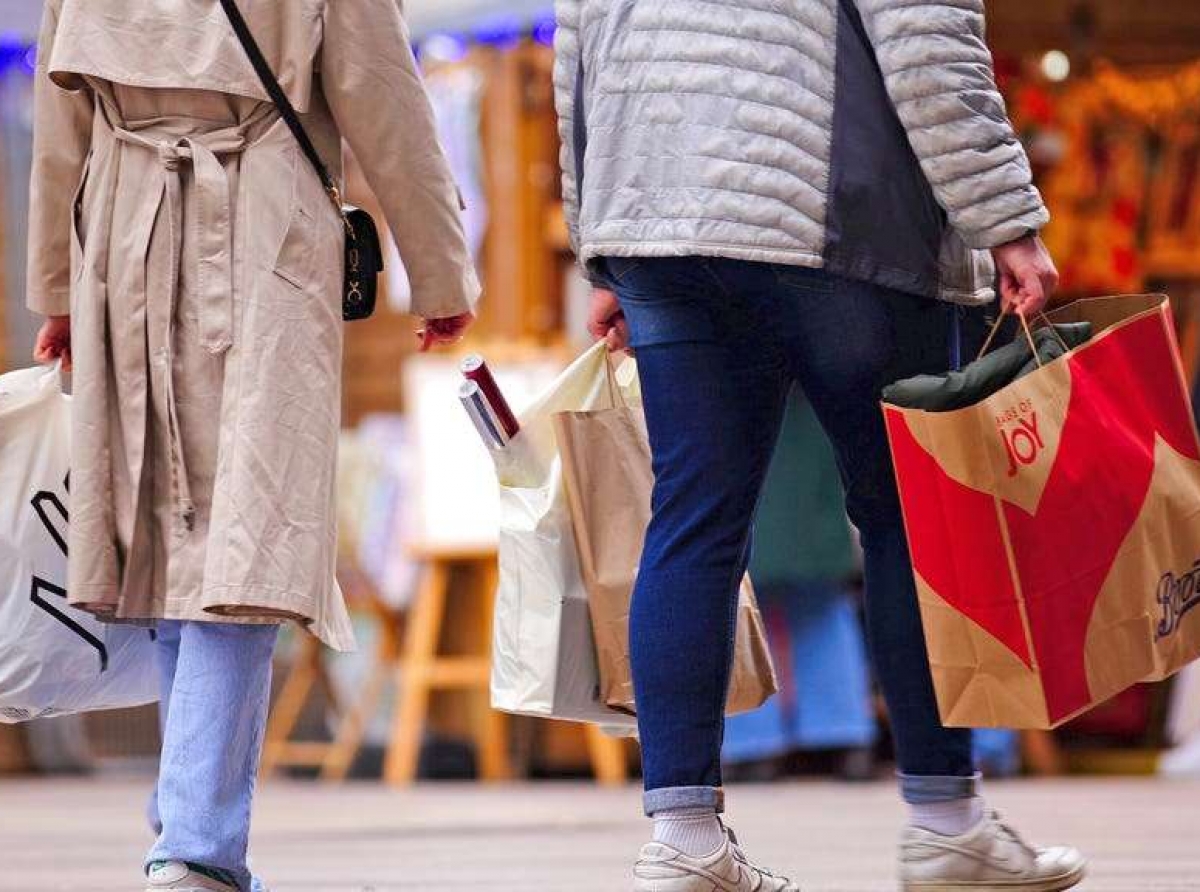
India’s apparel retail market is gaining momentum as festive spending brings new consumers online, smaller cities trade up to branded fashion and value retailers expand their physical footprint. Yet rising fulfilment costs, heavy discounting and expensive returns are challenging profitability, exposing the gap between sales growth and sustainable earnings.
The industry’s challenge is no longer simply to acquire customers. It is to serve them profitably amid intensifying competition from e-commerce marketplaces, value-focused stores and quick-commerce platforms.
Festive demand grows
According to Redseer Strategy Consultants, e-commerce gross merchandise value (GMV) across platforms exceeded Rs 1.15 lakh crore during the primary festive season, registering annual growth of 20-25 per cent. Fashion and accessories recorded more than three times their normalised baseline-quarter volumes.
Maximum demand is coming from smaller cities. Tier II, III and IV markets accounted for over 55 per cent of first-day order flows across major marketplaces, highlighting the growing importance of non-metropolitan consumers. For online fashion retailers, the opportunity extends beyond seasonal sales. Wider assortments, personalised recommendations and faster delivery are helping platforms acquire customers and address regional preferences.
“Fashion demand remains strong, and customer growth is the highest since the pandemic,” Sharon Pais, head of Myntra and business head of Flipkart Fashion, told Moneycontrol. However, a growing customer base does not automatically translate into higher profits. The cost of attracting shoppers, fulfilling orders and processing returns can significantly reduce the contribution from additional sales.
Returns eat margins
As per Research and Markets India’s apparel industry, valued at more than $60 billion, is projected to grow at a compound annual growth rate of 12.8 per cent to $124 billion by 2030. But high customer acquisition costs, discounting and reverse logistics continue to challenge its economics.
As per logistics platform Fynd Indian apparel return rates at 25-35 per cent, sometimes approaching 40 per cent during heavily discounted festive periods. Every returned order adds transportation, inspection, repackaging and restocking expenses. Delayed resale can also leave retailers with ageing inventory that must be discounted further. Consequently, higher GMV may deliver a much smaller contribution to operating profit.
The problem is particularly acute when customers order multiple sizes or styles before deciding what to retain. Cash-on-delivery orders and exchanges add further complications, particularly in smaller markets.
Financial performance underlines the pressure. Myntra reported
FY26 operating revenue of Rs 5,243 crore alongside a net loss of Rs 579 crore, according to the figures cited in its financial reporting. The contrast highlights the difficulty of converting scale into profitability while investing in infrastructure, technology and customer acquisition.
Value retail gains
Online marketplaces face growing competition from physical retailers expanding into urban and semi-urban markets. Tata Trent’s Zudio, Reliance Retail’s Yousta and Aditya Birla Fashion and Retail’s Style Up are targeting price-conscious consumers with trend-led merchandise, much of it priced below Rs 999.
Stores offer shoppers the opportunity to assess fit and quality before purchasing, reducing the uncertainty associated with online orders. For retailers, physical outlets also provide local brand visibility and potential fulfilment points within an integrated retail network.
The appeal of value retail reflects a broader shift in consumer behaviour. Shoppers want branded products and current designs without significantly increasing their spending. As a result, competition is moving beyond price alone to encompass product availability, convenience and the overall shopping experience.
Quick commerce grows
Quick-commerce operators are extending their assortments beyond groceries into fashion basics, innerwear and beauty products. Blinkit, Zepto and Swiggy Instamart are targeting immediate-need purchases, while established fashion marketplaces are experimenting with faster fulfilment.
Myntra M-Now and AJIO Rush are examples of initiatives designed to deliver selected products within shorter time windows, including sub-hour delivery in eligible locations.
Inc42 Datalabs has projected quick-commerce GMV at $8.3 billion, with fashion sub-segments expected to expand at a 20 per cent compound annual growth rate, according to the estimates cited in the industry analysis. However, rapid delivery requires localised inventory, reliable size availability and sufficient order density to justify fulfilment expenses. Speed alone cannot resolve sizing uncertainty or prevent returns.
For fashion platforms, the commercial test will be whether faster delivery generates incremental demand without disproportionately increasing last-mile costs and inventory requirements.
Smaller cities trade up
Consumer behaviour in cities such as Indore, Lucknow and Kanpur reveal the changing dynamics of India’s apparel market. Regional sales tracking cited in the industry analysis indicates that average order values in these markets have increased by 18-22 per cent over the past two festive cycles. Consumers are using marketplace promotions to purchase branded apparel, formalwear and ethnic occasion wear priced between Rs 1,500 and Rs 3,500, rather than simply buying larger quantities of inexpensive garments. This shift creates opportunities for brands to improve revenue per transaction and deepen their presence beyond metropolitan markets.
Yet fulfilment costs remain a concern.
Cash-on-delivery orders in interior markets reportedly record exchange rates eight to ten percentage points higher than prepaid metro orders. Such differences can erode the benefits of larger baskets, making payment preferences and regional logistics efficiency important determinants of profitability.
Profits takes priority
India’s festive sales growth confirms that apparel demand remains resilient and the consumer base is expanding. The next challenge is to convert this momentum into sustainable earnings.
Myntra, which operates across 19,000 pin codes, is among the platforms seeking to deepen its reach through broader assortments, private-label licensing and improved customer engagement. But the underlying challenge extends across the industry.
Retailers will need better size recommendations, accurate product descriptions, disciplined discounting, localised inventory and more efficient reverse logistics to protect margins. Integrating physical stores with online operations can also help reduce delivery distances and improve inventory utilisation.
India’s fashion market offers substantial growth opportunities, particularly as smaller-city consumers increasingly purchase branded and occasion-led apparel. But in a market shaped by price competition, delivery expectations and expensive customer acquisition, sales growth alone is no longer an adequate measure of success. The winners will be retailers that turn festive shoppers into repeat customers while controlling the cost of serving them.











 Get in Touch!

