
LuLu’s metro-linked mega stores put Zudio, Trends, Max in the crosshairs
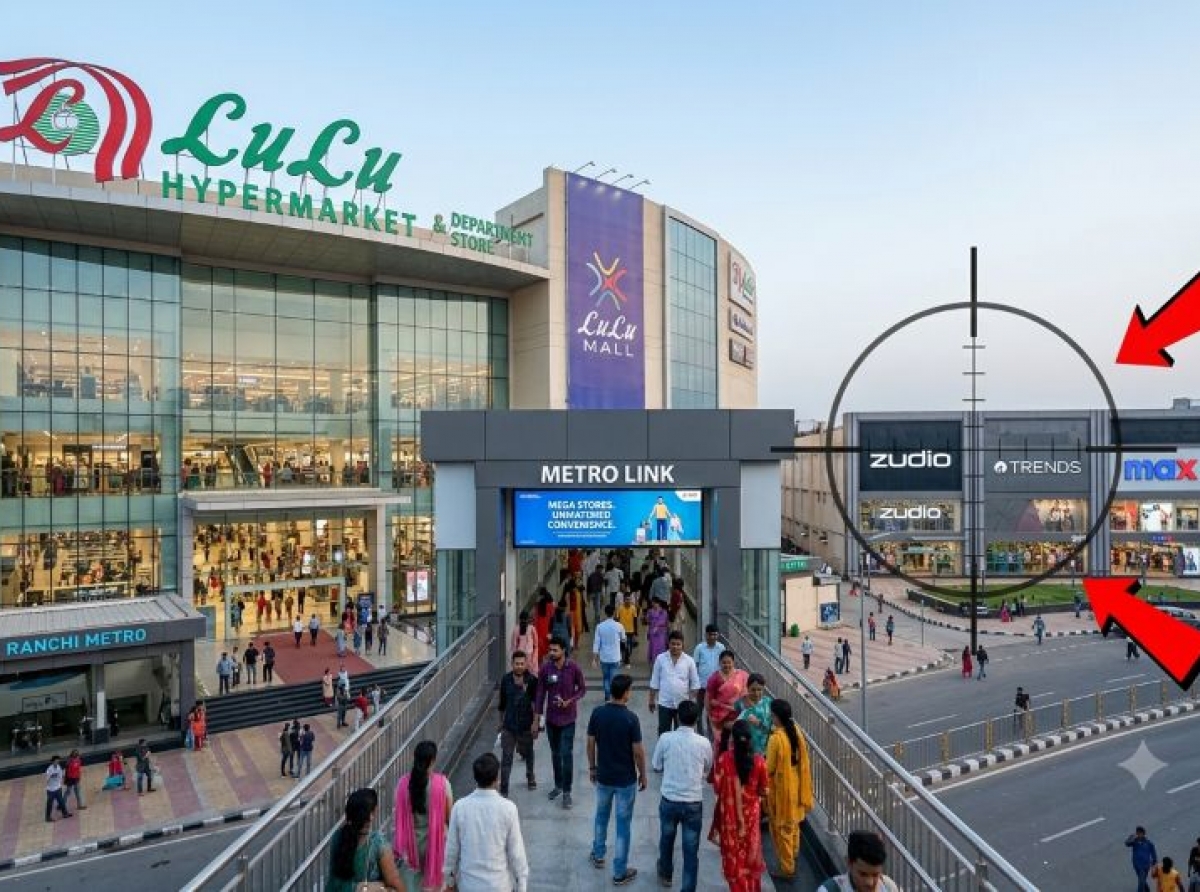
LuLu Group is expanding its retail footprint in Tamil Nadu with a transit-linked format that combines grocery, fashion, footwear and consumer electronics under one roof, bringing its large-format retail model directly into Chennai’s commuter corridors. The group’s Shenoy Nagar metro station facility spans approximately 1 lakh sq. ft, with a 50,000 sq. ft. department store housing LuLu Fashion Store and LuLu Connect, alongside a 56,000 sq. ft. supermarket and grocery operation. The store is designed to handle over 25,000 visitors daily, supported by 28 billing counters and underground parking for over 1,000 vehicles.
At Chennai Central Metro Station, LuLu has also launched a 35,000 sq. ft. LuLu Daily outlet. A further location is planned at Wimco Nagar in North Chennai, extending the group’s presence along high-density commuter routes. The strategy marks a departure from conventional destination-led retail, where shoppers make dedicated trips to malls or high-street stores. LuLu is instead positioning fashion alongside everyday purchases, using commuter traffic and grocery demand to drive customer acquisition and cross-category sales.
Value-fashion challenge
The expansion puts LuLu in direct competition with established value-fashion operators, including Tata’s Zudio, Reliance Trends and Landmark Group’s Max Fashion, as well as regional department stores.
LuLu’s stated apparel price range of Rs 399-1,499 targets middle-income households and working consumers looking for everyday shirts, ethnic wear, denim, footwear and children’s clothing. Its proposition combines private-label merchandise and volume purchasing with international apparel sourcing, while domestic procurement can connect the retailer to established manufacturing clusters in Tamil Nadu.
The distinction lies in the footfall model. Zudio relies on affordable fashion, rapid product turnover and a tightly priced assortment. Reliance Trends draws on its national store network and sourcing scale, while Max focuses on trend-led family fashion. LuLu adds a high-frequency grocery business that can bring shoppers into the store even when they have no immediate intention of buying clothes.
Table: LuLu’s competitive scenario
|
Retailer |
Core apparel price band |
Principal competitive advantage |
|
LuLu Fashion Store |
Rs 399-1,499 |
Grocery-led footfall and transit access |
|
Tata Zudio |
Rs 199-999 |
Aggressive pricing and fast product turnover |
|
Reliance Trends |
Rs 499-2,499 |
National reach and sourcing scale |
|
Max Fashion |
Rs 499-1,999 |
Family-fashion assortment and established vendor network |
Price bands and competitive characteristics are based on the supplied information.
One-stop shopping
LuLu’s model depends on converting essential purchases into incremental fashion sales. Fresh produce, bakeries, prepared food, meat and grocery departments generate recurring visits, creating opportunities to expose customers to apparel, footwear and lifestyle merchandise during the same trip.
The operational case study estimates grocery baskets at Rs 800-1,400, with apparel and lifestyle purchases adding another Rs 900-1,800. This would place combined transactions at approximately Rs 2,200-3,200, although the figures should be treated as indicative estimates rather than independently verified store performance.
The model could improve customer acquisition by allowing fashion to benefit from traffic generated by grocery. However, conversion will depend on merchandising, product availability, pricing, store circulation and how effectively apparel is integrated into the shopping journey.
For consumers, the proposition is convenience: workwear, casual clothing and children’s apparel can be purchased alongside household essentials without a separate trip to a fashion store.
Transit retail scales up
Retail space within transport infrastructure has traditionally been dominated by food kiosks, convenience counters and other compact formats. LuLu’s larger stores point to a more ambitious use of transit property, turning commuter locations into substantial shopping destinations.
The format also creates operational challenges. Large stores inside active metro stations require carefully timed replenishment, efficient inventory management and dedicated loading arrangements that do not interfere with passenger movement. High footfall alone will not guarantee profitability; sales productivity, rental costs, inventory turns and checkout efficiency will determine the economics.
The company’s 28 billing counters at Shenoy Nagar and substantial parking provision indicate that the location is intended to attract more than passing metro passengers. It could also serve nearby residents and shoppers travelling specifically for the combined grocery and department-store offer. The distinction matters because transit retail must balance two customer groups: commuters seeking quick purchases and destination shoppers expecting a broader assortment.
Gulf sourcing advantage
LuLu’s international procurement network is another pillar of the strategy. The group operates 19 sourcing offices across 85 countries, giving it access to international apparel, footwear, fabrics and consumer goods through its global purchasing infrastructure.
Large-volume procurement can support competitive pricing, while sourcing from domestic manufacturers can give access to established production clusters such as Tiruppur and Coimbatore. The balance between imported merchandise and Indian-made products will influence landed costs, replenishment times, assortment flexibility and margins.
The Chennai expansion forms part of LuLu Group’s stated Rs 3,500 crore investment programme in Tamil Nadu. Its broader presence in the state includes operations in Coimbatore, with retail expansion linked to food processing, distribution and export infrastructure. Founded by M A Yusuff Ali and headquartered in Abu Dhabi, LuLu Group operates across international markets through its hypermarkets, department stores and other retail businesses.
The next battleground
LuLu’s transit-linked format offers a different route into value fashion: combine essential shopping, high-frequency footfall and apparel under one roof rather than depend entirely on standalone fashion stores.
Its expansion could intensify competition for customers in Chennai and other urban markets as retailers reassess location strategy, assortment, sourcing and store productivity. The decisive test, however, will be whether commuter traffic translates into repeat apparel purchases and sustainable margins. For India’s fashion retailers, the challenge is no longer limited to who offers the lowest prices. It is more about who can capture the consumer’s routine spending before a dedicated shopping trip even begins.








 Get in Touch!

