All Stories

Indian Apparel Sector: Top 10 Valued Brands

03 June 2022, Mumbai:

Bird's Eyeview

To start with the various textile brands, we can list many companies as the textile industry is highly evolving in India, and there is rapid growth going on in the country; with the International market going down. India has risen as a hub for textile and apparel.

As discretionary spending continues to tick up, both local brands and multinationals operating in India are going all out to woo the consumer, according to a KPMG survey.

These are the following brands that have made a mark in the Indian textile and apparel industry.
 

ALSO READ ABFRL to invest House of Masaba Lifestyle

1. Vardhaman Textile Limited - Vardhaman Textiles is one of India's largest textile manufacturer. Vardhman is one of the country's most giant textile corporations, having been in operation for five decades. Vardhman Group, which began modestly in 1965, has grown into a modern-day textile powerhouse under the innovative leadership of its chairman, Mr. S. P. Oswal.

Vardhman Textiles Limited has grown steadily over the years and has a wealth of industry knowledge. The Group, which manufactures Yarn, Fabric, Acrylic Fibre, Garments, Sewing Threads, and Alloy Steel, has grown into a global corporate behemoth with operations in India and 75 countries across the world.

Vardhman is a renowned textile company in India with a strong market position and a long-term business plan. It is ranked second among India's top ten textile enterprises.

RELEVANT NEWS Welspun India is the winner of the National Water Award conferred by Ministry of Jal Shakti's Department of Water Resources, River Development, and Ganga Rejuvenation

2. Welspun India Ltd - In terms of revenue, Welspun India is one of the largest textile companies in India. Welspun India Ltd., part of the USD 2.7 billion Welspun Group, is a global leader in home textiles, supplying 17 of the top 30 global retailers. The production facilities of the company, which are located in India, are able to offer high-quality goods that meet worldwide requirements.

The data stands to a 6,828 crore rupees in revenue, 22,194 full-time and part-time employees, and 3.310 crore rupees in debt.

Welspun is one of India's most well-known textile brands. Exports currently account for more than 70% of advanced textiles revenue. As a result, it ranks third among India's top ten textile enterprises in terms of revenue.


RELEVANT NEWS  ASCI partners with Future Brands for a study on gender narratives in advertising 

Arvind Ltd - Arvind Ltd is one of India's leading textile manufacturers. Arvind's fabric can now be used to round the globe six times. Every second in India, an Arvind-managed brand sells two pieces of clothing. Ahmedabad, Gujarat is the company's headquarters. It is the largest among India's top ten textile enterprises.

Arvind holds 22 worldwide environmental patents and is the country's top fire-resistant fabric maker. He also oversees 15 global garment companies, including Tommy Hilfiger, US Polo, CK, GAP, Nautica, and Sephora. Arvind is one of India's top textile brands. With the statistics standing like a market capitalization of 1,353 crores, and with a dividend yield of 3.93%.

RELEVANT NEWS India’s RMG Exports: 22.08% growth during April-May’22-23

Trident Ltd - Trident Limited is the flagship firm of Trident Group, a US$ 1 billion Indian conglomerate and worldwide player based in Ludhiana.

Under its founder and Group Chairman Mr. Rajinder Gupta, Trident has grown from its beginnings in 1990 to becoming one of the world's most integrated home textile manufacturers.

The company is in the business of producing a wide range of yarns, bed and bath linens, paper, chemicals, and captive electricity. Barnala and Budni are home to Trident's cutting-edge production facilities (Madhya Pradesh). With a strong market share, the company is one of the major exporters of home textile items.


RELEVANT NEWS How Seriously Are International Brands Looking at Indian Apparel Sector

Raymond Ltd - Raymond is a diversified firm with a majority of its commercial holdings in the apparel and textile sectors, as well as a presence in national and international markets in categories such as FMCG, Engineering, and Prophylactics.

It is the fourth-largest among India's top ten textile enterprises. Raymond creates 'The best fabric in the world' as a vertically and horizontally integrated textile business.

Raymond and its brands are available in tier IV and V cities, with over 1100 exclusive stores scattered over 380+ locations and an extended network of over 20,000 points-of-sale in India.
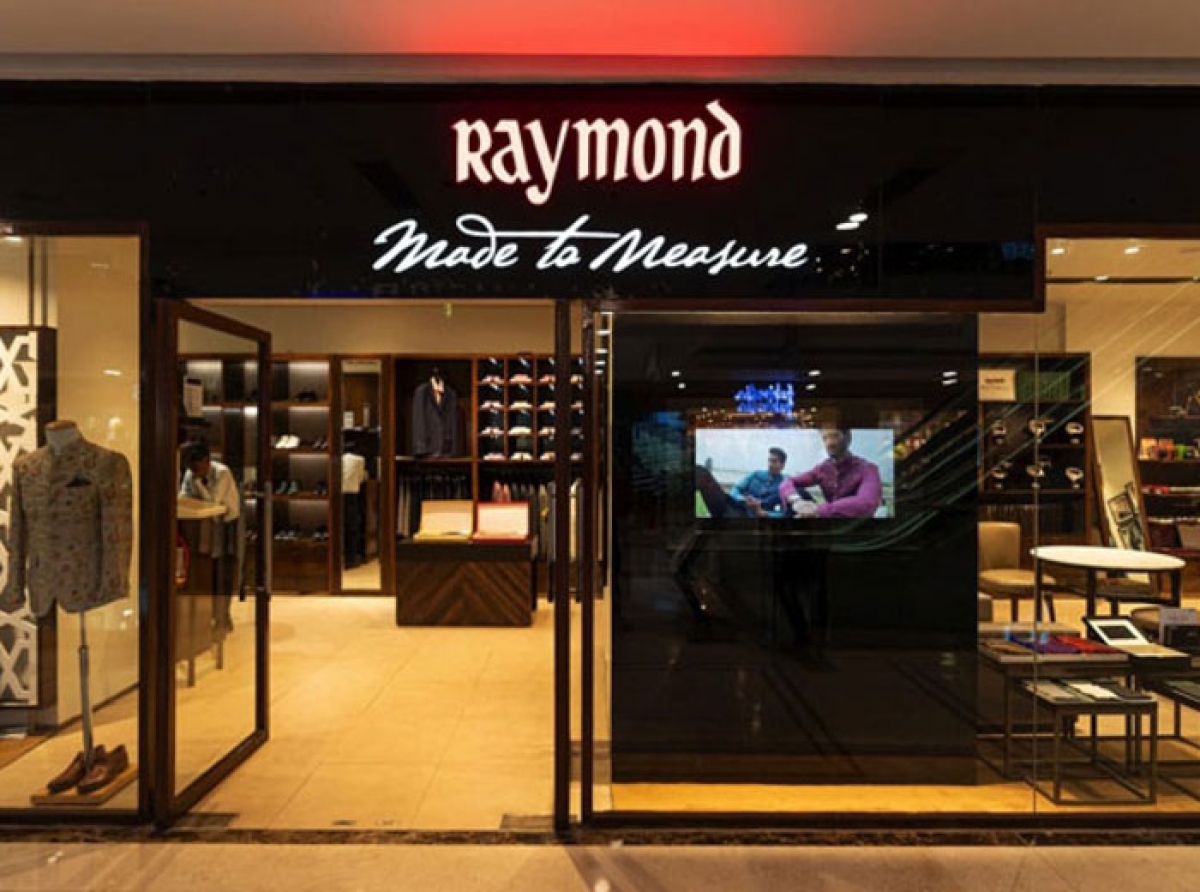
 

Raymond is the No. 1 brand in the OTC industry and a key participant in Shirting textiles. Raymond is the top manufacturer and chosen supplier of high-quality Ring Denim to the world's major Jeanswear companies, making him a strong player in the Denim industry. Through its garment division, the Raymond Group has a strong position in the B2-B market.

Raymond's state-of-the-art and wholly-owned businesses, such as Silver Spark Apparel Ltd, Celebrations Apparel Ltd, and Everblue Apparel Ltd, produce suits, trousers, shirts, and Jeans for top fashion brands throughout the world, and are India's sole manufacturer of full canvas luxury jackets.

 

1. Page Industries Ltd -

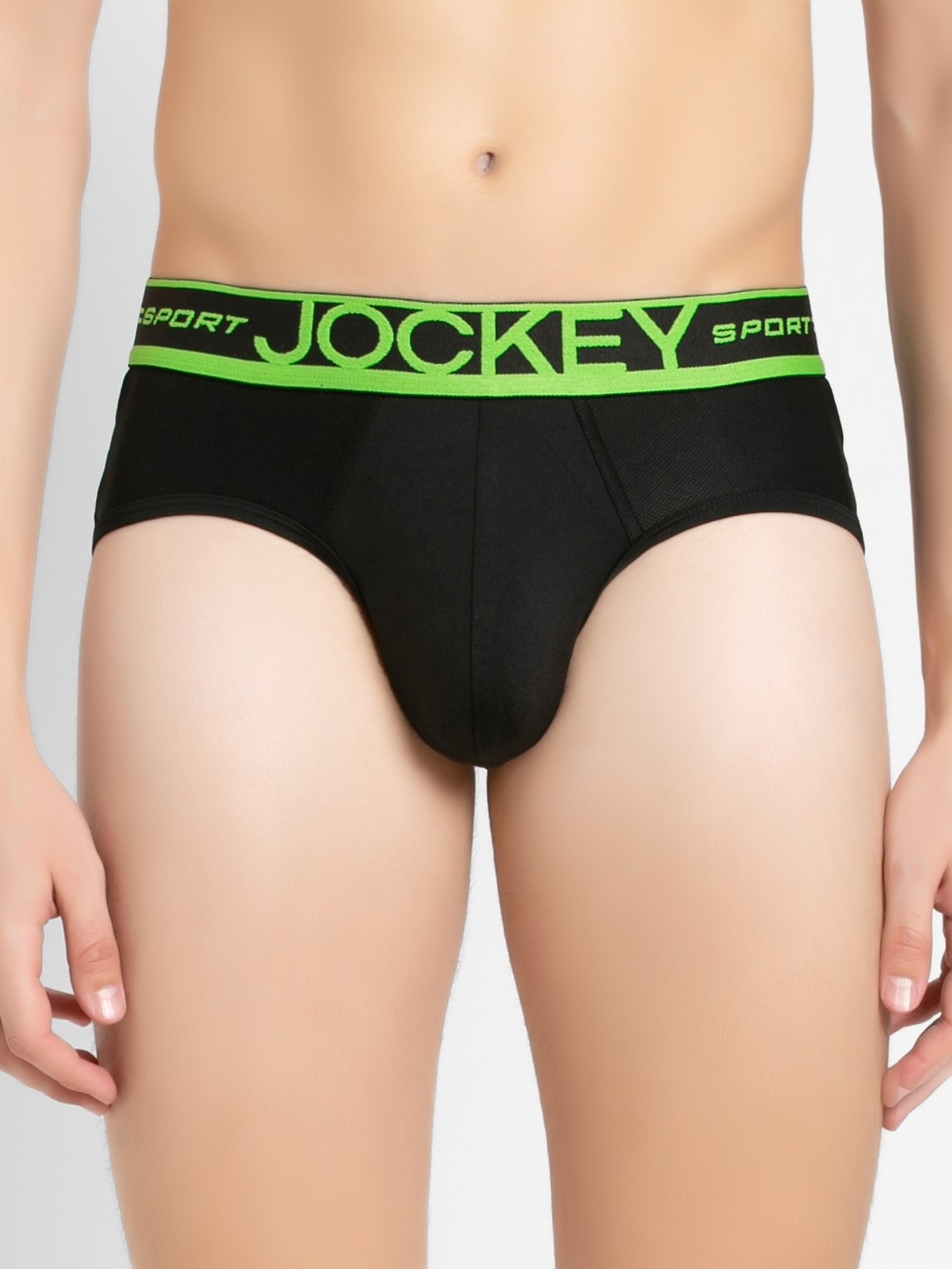
Page Industries Limited, based in Bangalore, India, is the sole licensee of Jockey International Inc. (USA) in India, Sri Lanka, Bangladesh, Nepal, and the United Arab Emirates for the production, distribution, and marketing of the Jockey brand.

Page Industries is also Speedo International Ltd.'s official licensee in India for the production, marketing, and distribution of the Speedo brand. JOCKEY is the company's main brand and the category's market leader in innerwear. On several fronts, Page Industries and Brand Jockey have pioneered the innerwear sector..
 

RELEVANT NEWS Ministry of Com & Industry: India’s kidswear exports grow by 23.20% in FY21-22

1. K P R Mill Ltd -

KPR Mill Limited is one of India's largest vertically integrated apparel manufacturers, producing yarn, knitted grey and dyed fabric, and ready-to-wear garments. It is ranked sixth among India's top ten textile enterprises. The Yarn division has 3,53,616 spindles and a 90,000 MT annual capacity (capacity doubling is ongoing). KPR produces Combed, Grey Melange, Carded, and Compact yarn for the world's leading brands using the most advanced technology of international standards.

2. Loyal Group -

The Loyal Group is one of India's major textile and garment group, offering a range of textile and clothing products and services. Three composite mills, one spinning mill, one dye house, four garment facilities, one trading firm, and a joint venture company in Italy make up the Loyal Group. It is also one of India's leading garment exporters, having received official recognition.

3. Bombay Ryon Fashions Ltd -

Bombay Rayon Fashions Ltd is a vertically integrated textile and apparel firm that produces a diverse variety of textiles and garments in state-of-the-art manufacturing facilities. Apart from being India's largest shirt maker, Bombay Rayon Fashions Ltd now employs over 38,000 people and produces over 90 million garments each year. With its high employment, it has been a continuous contributor to India's GDP.

4. Mandhana Industries Ltd - Mandhana is a multi-divisional textile and apparel producer with numerous sites in India. With state-of-the-art infrastructure, the firm specialises in bespoke clothes production. Designing, yarn dyeing, weaving, processing, printing, and garment production are all part of Mandhana's business.

In Summary

Conventionally, brands that offer a bespoke level of personalisation, brand philosophy, core DNA & ethos of dedication, and commitment to meet consumer expectations are key parameters ranking high among consumers.

Join our community on Linkedin

Apparel

Consolidation Is In The Air: How Is It Affecting Textiles & Apparel Industry

03 June 2022, Mumbai:

For the Indian textile sector, 2021 might be regarded as a year of recovery. When orders began to flow in the fourth quarter of 2020, sectors with significant exposure to international markets (such as home textiles, yarn, fabric, and so on) were among the first to begin the recovery process. Consumption in the domestic market began to build up towards the end of 2020, albeit with a minor lag.

As export demand started to wane in early 2021, owing to new waves of diseases and lockdown restrictions in many nations, the industry's development was maintained by the local market.


ALSO READ  India’s textile, apparel market on a road to recovery: NITI Aayog

Although an outbreak of diseases in the second quarter of 2021 resulted in regional lockdown restrictions, manufacturing activities were only disrupted briefly since enterprises were better prepared to handle operations.

As a result, the ensuing months saw a faster recovery in demand. Most value chain sectors have now returned to pre-Covid levels, with home textiles and cotton spinning outperforming other segments like apparel.

According to ICRA's examination of publicly traded firms, turnover for home textile and cotton spinning companies increased by roughly 27% and 21% in the first nine months of 2021, respectively, as compared to the same time in 2019.

Fabric and clothing exporters, on the other hand, saw somewhat reduced turnover in the first nine months of 2021, at roughly 1% and 7%, respectively, compared to the first nine months of 2019.


RELEVANT NEWS Textiles & Apparel Exports: April-Jan 2021-22

Amid the Covid epidemic, escalating US-China trade tensions, and significant global customers' China Plus One sourcing policies, Indian textile producers have an excellent chance to get into the global textile industry, which China presently controls.

These changes can already be spotted in the drop in China's share of US textile and apparel import volumes from 47 percent in 2019 to 42 percent in Jan-Oct 2021.


RELEVANT NEWS Textiles & Apparel (T&A) Exports: Clocks Growth in April - December 2021 YoY 

In volume terms, India's contribution has climbed to 9.6 percent in Jan-Oct 2021 from 9.1 percent in CY2020 and 8.7 percent in CY2019. Initiatives like the Production Linked Incentive plan and the Mega Integrated Textile Region & Apparel Parks could help India solidify its position in the global textiles market.

According to Wazir Advisors, by 2024-25, the Indian textile industry will have attracted over $120 billion in investment and export $300 billion worth of goods.

New projects and the construction of textile parks will grow the textile equipment sector from Rs 220 billion to Rs 450 billion in the next seven years if they are successful.

Increased expectations resulting from retail consolidation might range from establishing minimum standards for supply-chain employees to prohibiting the use of specific chemicals in the dyeing process.

These store demands have a financial and non-financial impact on the supplier chain. The capacity to cut unit pricing, on the other hand, is the true bargaining strength that bullish retailers have and the one that suppliers fear the most.

Join our community on Linkedin 

Consolidation Is In The Air: How Is It Affecting Textiles & Apparel Industry

Vietnam To India: How Can the Indian Textile Sector Benefit

29 May 2022, Mumbai:

Indian textile industry introduction

No gainsaying that the Indian textile industry is a critical contributor to the economy in terms of export earnings/FOREX & 2nd most significant employer. Albeit the nation is among the top exporters to the world, increasingly there is the unambiguous realization that the industry continues to be an underperformer to its underlying potential.

In India, textiles have a long history. India, long known as the land of exquisite fabrics, witnessed a fall in exports by 3% and 18.7% in 2020 whilst Other low-cost nations, such as Bangladesh and Vietnam, have gained market share.

Other low-cost nations, such as Bangladesh and Vietnam, have gained market share during the same period.

Indian textile industry history

Several variables have influenced India's recent trade performance. India suffers from several cost disadvantages. Exporters face pricing pressure due to a lack of free or preferential trade agreements with significant importers, such as the EU, UK, and Canada for garments and Bangladesh for textiles.

It's challenging to get the correct return on invested capital because of the high cost of capital and significant reliance on imports for practically all textile machines. India is uncompetitive in the fashion sector due to longer lead times than Chinese manufacturers. In western economies, the practice of nearshoring hasn't improved matters.

Most varieties of cotton yarns, woven cotton textiles, and cotton knit fabric might be imported duty-free from India from January 1 next year, citing the India-Asean free trade agreement.

As a result, India may become a stable supplier of cotton, yarn, and textiles to Vietnam.

How did the Indian textile industry get back its dominance

The Vietnam Cotton and Spinning Association (VCOSANguyen )'s Hong Giang said there was plenty of room for economic collaboration in yarn, cotton, and textiles between the two nations.

"Indian firms excel at producing cotton fabrics and materials. From the standpoint of the Vietnam Cotton and Spinning Association, we welcome Indian investment in the fabric industry.

Importers and buyers from Vietnam interested in sourcing from India may take advantage of a discounted accommodation and travel package by attending the expo in India, he added.

The event, organized by the Indian embassy in HCM City in collaboration with VCOSA, drew nine Indian enterprises and local firms to the 18th Vietnam International Textile and Garment Industry Exhibition in HCM City from November 21 to 24.

Cotton and man-made staple fibers are the most common textile items exported from India to Vietnam.

Indian textile industry in global market

Simultaneously, all yarns and textiles are valued at less than US $ 20 million. It demonstrates that Indian cloth makers are ignoring chances.

And this is despite numerous attempts at all levels, as many corporations have participated in sourcing events held in Ho Chi Minh City from time to time.

Trade between India and Vietnam in textiles through the years has grown significantly, but there is still huge untapped potential. China's vacating space in the global textile trade thus it has opened an opportunity window.

But the million-dollar question is, "Will Indian manufacturers eventually catch the boat".

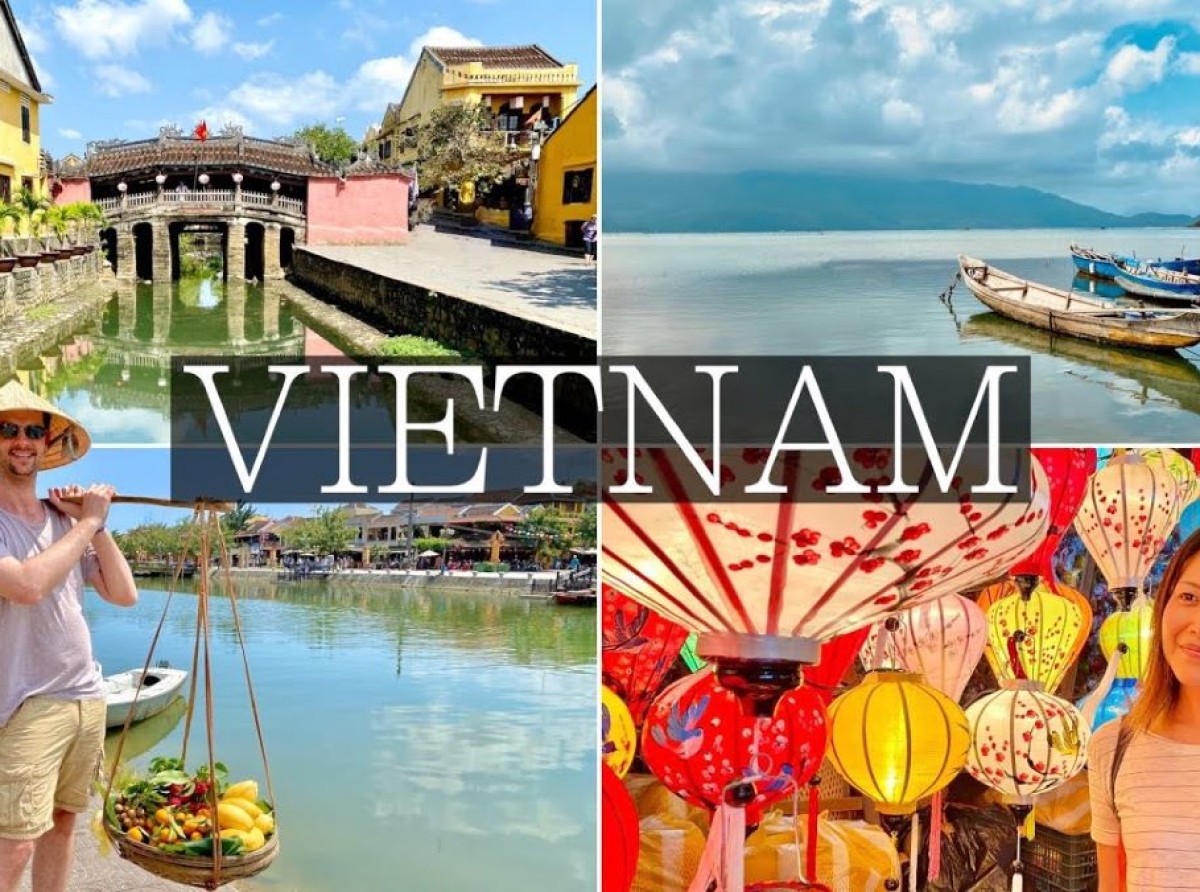
Watch on YouTube

Vietnam To India: How Can the Indian Textile Sector Benefit

Vietnam Apparel industry Contribution To Nation's GDP

27 May 2022, Mumbai:

The garment and textile sector is one of Vietnam's most important industries, with the country's second-largest export turnover. The industry's export value accounted for 16 percent of total GDP in 2019.

The textile sector has risen at an annual pace of 17 percent on average during the last five years.

Vietnam's lowdown on its foreign trade performance

According to the Vietnam General Statistics Office, Vietnam's apparel and textile sector generated US$39 billion in exports in 2019, an increase of nearly 8.3% year on year. The bulk of enterprises, 70 percent, are in the garment manufacturing industry.

Low labor costs and increasing textile exports to the EU, US, Japan, and South Korea are significant market expansion drivers. The garment and textile industry in Vietnam is divided into three sub-sectors: upstream (fibre production), midstream (fabric production and dyeing), and downstream (finishing) (garment manufacturing).

Because of the low quality, subsectors that generate fibers or fabric are mainly used for household consumption.

Apparel Sector: An Overview

Cut-Make-Trim (CMT) models are the primary operations in the downstream garment manufacturing industry, accounting for roughly 70% of Vietnam's overall clothing and textile sector.

CMT accounted for around 65 percent of overall exports in 2019, while more sophisticated business models such as OEM and ODM accounted for just 35 percent. Last year, Vietnam's economy grew by 7.02 percent, exceeding the National Assembly's aim and pushing the economy's scale to more than $262 billion, the highest level yet.

According to the Ministry of Planning and Investment, if the pandemic had just lasted for the first quarter of this year, the country's GDP growth would have been 6.25 percent (0.55 percentage points lower) in 2020, despite the National Assembly's approval of a target of 6.80 percent.


GDP Trekker

The GDP growth rate would drop to 5.96 percent if it continued in the second quarter (0.84 percentage points lower than the original target). This prediction was made before the outbreak in South Korea and Japan.

China, South Korea, and Japan accounted for 1/3 of Vietnam's export income and 2/3 of its import value in 2019, according to research by Bo Vit Securities Company (BSC).

If the outbreak had lasted only for the first quarter, BSC experts anticipated that the country's GDP growth rate would have been reduced by 1.05 percentage points from the objective of 6.80 percent.

Still, if it had lasted for six months, it would have been reduced by 1.55 percentage points.

The Secret Sauce of the Vietnam Apparel Sector

According to the General Statistics Office of Vietnam (GSO), the country's GDP declined to 3.80% in the first quarter of 2020, down from 6.80% in 2019. According to the International Monetary Fund (IMF), the economy would only grow by 2.70 percent this year.

According to Tran Thanh Hai, deputy general director of the Agency of Foreign Trade, Vietnam's exports and imports grew by double digits in the first quarter of 2022, reaching $176 billion, up 14.4% yearly.

During this time, exports increased by 12.9%. According to several analysts, overall export-import income might surpass $700 billion this year. 

Vietnam textile and apparel industry is on a continuous growth trajectory and keeps contributing over 15% of the country's total GDP & 18% of its exports.

Watch on YouTube

Vietnam Apparel industry Contribution To Nation's GDP

How Seriously Are International Brands Looking at Indian Apparel Sector

03 June 2022, Mumbai:

The first nearly universal factor for success in India is for the different headquarters to acknowledge that India should be judged on its own merits and that there are virtually no surrogates from which to learn anything from elsewhere in the globe.

While most international managers are aware that India is a tough market, just a few are aware of the degree of its complexity. This richness and variation extend beyond demographics, religion, and socioeconomic status to behavioral subtleties, existing and rising goals, and societal mores.


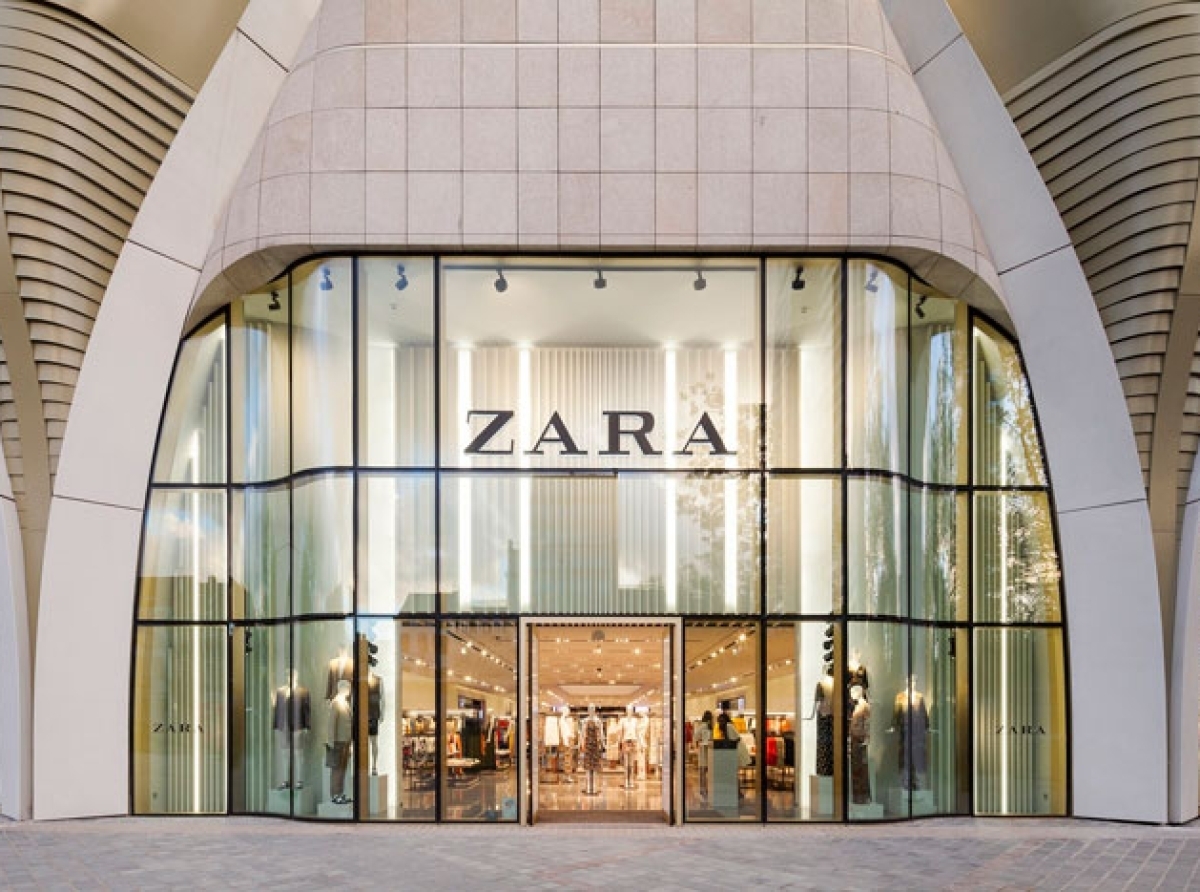
ALSO READ  Inditex Trent Retail India FY22 revenues posted

Over several years, India has become a hotbed for multinational businesses. The interest that global brands have exhibited in India in recent years demonstrates that it is now one of the rapidly growing and most competitive fashion marketplaces.

Armani Exchange, Muji, Innamorata, North Face, Massimo Dutti, Cath Kidston, and a slew of other famous international fashion labels, to mention a few, have made their debut in India this year. On the other side, many companies, including Hermes, Louis Vuitton, Gucci, Chanel, Jimmy Choo, Burberry, Dior, Bvlgari, and others, are swiftly expanding their businesses after establishing a foothold in the past. India is one of the largest marketplaces in the world in terms of sheer population, accounting for around 14.2% worldwide.

It has one of the world's most promising and rapidly rising economies and a large population with tremendous purchasing power.


RELEVANT NEWS Menswear becomes more vibrant in India with rise of homegrown labels

As a result of increased globalization and international commerce, the country has become a land of opportunity for various worldwide companies.

Although many international brands have entered the Indian market over the years, not all have been able to crack the success mantra for the mysterious, complex, and diversified market where customers' tastes and preferences change after only a few kilometers and where brands must adapt to local market conditions to attract customers to their brands.

Furthermore, a major stumbling block in India is the sizeable rural-urban divide, which presents enterprises with another hurdle in developing an effective distribution network.


RELEVANT NEWS Celio Fashion appoints Digitas India

There has also been a new tendency in the previous couple of years.

Several high-end fashion labels are entering India only over the internet, taking advantage of the lack of laws around the sale of goods through third-party portals and factors such as poor infrastructure and expensive real estate expenses. Under present legislation, global brands do not need a license to sell through internet portals in India if they do not have operations here.

Mobile advertising has altered the attention of garment retailers and manufacturers away from traditional marketing channels such as billboards, print ads, and television commercials. Smartphones are increasingly being used to make retail transactions on the fly, and marketers are taking note.


Thus, with the various episodes happening worldwide, India has grown into a massive source of trading, exports, and imports.

With this opportunity, India can make a lot of growth in the upcoming years. Companies are intensely eyeing the Indian market and are highly urged to get into the Indian market.

There is a huge scope for International companies in India to flourish and grow rapidly.

Join our community on Linkedin 

How Seriously Are International Brands Looking at Indian Apparel Sector

Vietnam v/s Bangladesh Apparel Industry: A Quick Comparison @ Global Marketplace

28 May 2022, Mumbai:

Vietnam Industry: Challenges & Opportunities

Historically Textiles and apparel (T&C) consistently rank among Vietnam's leading export industries. Due to their diverse skills and advantages, Bangladesh T&A and Vietnam Apparel will profit from most garment sourcing businesses' 'In China plus one approach.

According to WTO data, Vietnam will overtake Bangladesh as the world's second-largest garment exporter in 2020.

According to the BGMEA, the Bangladesh apparel sector recovered its position in the first half of 2021. Compared to Bangladesh, Vietnam garment exports have increased quickly in recent years. "Vietnam has had an FTA with the EU since 2019, which has aided its export growth.

Twist in the tail

Furthermore, China is significantly investing in Vietnam to diversify and increase the value of its exports. Bangladesh, on the other hand, Bangladesh is still competing with its low labor costs," Raihan Mahmud, marketing director of Bangladesh's Tex Garment Zone, mentioned in the news. "If exporters here can diversify their products and our government inks some new free trade agreements," Bangladesh has a greater chance of catching up.

Bangladesh Apparel sector and Vietnam apparel sector will benefit from most garment sourcing companies 'China plus one strategy because of their diversified capabilities and advantages. Vietnam will replace Bangladesh as the world's second-largest garment exporter in 2020, according to WTO data.

Vietnam's lowdown on its foreign trade performance

According to Tran Thanh Hai, deputy general director of the Agency of Foreign Trade, Vietnam's exports and imports grew by double digits in the first quarter of 2022, reaching $176 billion, up 14.4% yearly. During this time, exports increased by 12.9%.

According to several analysts, overall export-import income might surpass $700 billion this year. Bangladesh, according to the BGMEA, regained its position in the first half of 2021. Vietnam's garment exports have expanded rapidly in recent years compared to Bangladesh.

"Vietnam has had an FTA with the EU since 2019, which has boosted its export growth.

The increase, according to Hai, is due to the benefits of new-generation free trade agreements (FTAs) and regional trade agreements.

Below is the list of FTAs that Vietnam has concluded by now.

Vietnam - Japan Economic Partnership Agreement. ...

Vietnam - Chile Free Trade Agreement. ...

Vietnam - Korea Free Trade Agreement. ...

Vietnam - Eurasian Economic Union Free Trade Agreement. ...

ASEAN Agreements. ...

ASEAN - India FTA. ...

ASEAN - Australia - New Zealand FTA.

WTO Study

Following the publishing of a World Trade Organization (WTO) study, the competition between Vietnam and Bangladesh took on a new dimension.

As close competitors in the realm of garment manufacturing and exports, Vietnam surpassed Bangladesh in 2020 to become the second-largest readymade garment/apparel exporter after China's Textiles & Apparel Industry, shipping apparel worth the US $ 29 billion all over the world, even if Bangladesh rallied from behind to surpass Vietnam within a year of the WTO findings.

Garment exports, the lifeblood of Bangladesh's economy, and foreign earnings increased by 30.36 percent to the US $ 35.81 billion in the calendar year 2021, the highest level ever (earnings from apparel exports in 2020 were US $ 27.47 billion).

In 2021, Vietnam Textile Sector had a 9.89 percent increase, but the only US $ 32.75 billion in garment exports, compared to the US $ 35.81 billion in Bangladesh T&C. Vietnam gained $ 29.80 billion from garment exports in 2020.

"It was a temporary change in ranking in the global apparel export market because COVID-19 hit our production hard, negatively impacting exports," said Abdus Salam Murshedy, Managing Director of Envoy Textile, who added that with the outbreak of the pandemic in March 2020, the government-imposed lockdown resulted in factories' production taking a significant hit.

The Billion Dollar Question Is Bangladesh or Vietnam: Who will be the ultimate clothier in the world?

Watch on YouTube

Apparel

Vietnam's lowdown on its foreign trade performance in Q1 2022

26 May 2022, Mumbai:

Vietnam’s exports witness robust growth on the sound order pipeline

According to Tran Thanh Hai, deputy general director of the Agency of Foreign Trade, Vietnam's exports and imports grew by double digits in the first quarter of 2022, reaching $176 billion, up 14.4% yearly. Vietnam's economy continues to be optimistically expanding & witnessed in Q1 2022 that country is open for businesses and visitors.

During this time, exports increased by 12.9%. According to several analysts, overall export-import income might surpass $700 billion this year.

Thus the ministry of industry and trade (MoIT) has made extreme efforts to enhance how market information is delivered to exporters. On the other hand, foreign commerce is expected to increase by 6-8 percent this year to $363 billion, according to the Ministry of Industry and Trade.

FTAs Existing Pie 

The increase, according to Hai, is due to the benefits of new-generation free trade agreements (FTAs) and regional trade agreements.

Below is the list of FTAs that Vietnam has concluded by now.

Vietnam - Japan Economic Partnership Agreement. ...

Vietnam - Chile Free Trade Agreement. ...

Vietnam - Korea Free Trade Agreement. ...

Vietnam - Eurasian Economic Union Free Trade Agreement. ...

ASEAN Agreements. ... ASEAN - India FTA. ...

ASEAN - Australia - New Zealand FTA.

Shift Of Apparel Orders From China To Vietnam

The government has created various websites that provide domestic businesses with information updates. It recently unveiled the Vietnam National Trade Repository, which was constructed with the support of the UK government and themed websites hosted by Vietnamese trade offices throughout the world.

According to a news agency, the Ministry of Industry and Trade has also organized several virtual and in-person training courses on trade policies and FTAs, as well as given away various handbooks, publications, and materials that provide instructions on how to export to China and new markets such as the Middle East and Latin America.

Industry's Best Practices

A new manual is scheduled to be released soon, instructing businesses to transition from unofficial to legitimate quota export. Following strict epidemic restrictions, Vietnam's economy opened up last year.

The country's borders were reopened this year, and foreign flights were authorized, allowing specialists and tourists to come. Despite many instances in the past, a large vaccination deployment has kept severe sickness and deaths to a minimum, allowing industries to continue operating.


While Vietnam's economy is booming and traffic in key cities is approaching pre-pandemic levels, external concerns threaten to derail the country's progress.

Downward Growth Risks The Nation Will Have To Mitigate

1. Given the recent global IMF downward revision, global growth is now likely to stabilize into a 3.6% growth trajectory over 2022-23.

2. Given elevated persistent global inflation, the prospect of competitive exchange-rate appreciations looming larger is a real concern.

In face of the current sanctions against Russia which have upended the global economy, the foregone conclusion is that Vietnam's economy will not be spared the fallout.

Watch on YouTube

Vietnam's lowdown on its foreign trade performance in Q1 2022

How Responsible Is Advertising In Apparel Industry

03 June 2022, Mumbai:

A few decades ago, the textile and retail sectors did not market their products to the general public, which seems surprising for an industry that is fully consumer-focused now.

Exhibitors and shops designed their promotions and marketing without the assistance of specialists sometime later. If not for the fierce rivalry in the garment business, the unplanned advertising and marketing methods would have persisted.


ALSO READ  Woke advertising, Viral boycott how should brands conduct?

There are several possibilities for advertising garment manufacturers. The garment designers or producers, on the other hand, research the target market and devise a marketing strategy based on their findings.

When older clients are the target market, shops frequently use the internet or print media to spread the word about the clothing line. Youthful customers favor Internet advertising and electronic media.

The goal of advertising is to develop a specialized market for the clothing brand in addition to increasing revenue. If a company hasn't yet opened a physical location, it's critical to set up virtual stores in one or more online marketplaces.


RELEVANT NEWS  ASCI partners with Future Brands for a study on gender narratives in advertising 

Retail clothing marketers are increasingly employing strategies such as geo-targeting, which involves directing mobile advertisements to brick and mortar establishments. It's also simple to track the success of mobile advertisements and web ads.

Marketers quantify ad performance by the number of times customers click on links. Marketers and advertisers investigate what individuals do after clicking the link or visiting the sites to understand buying behavior better.


RELEVANT NEWS How Seriously Are International Brands Looking at Indian Apparel Sector

Effective advertising is seen as considerably more important than operating a physical store in today's world.

Before the debut, merchants, designers, and manufacturers raise awareness of the product and turn it into a brand so that potential consumers are aware of its presence. In the fashion business, emphasizing a product's originality and superiority has become unavoidable, as new rivals enter the market every day.

Mobile advertising has altered the attention of garment retailers and manufacturers away from traditional marketing channels such as billboards, print ads, and television commercials. Smartphones are increasingly being used to make retail transactions on the fly, and marketers are taking note.


The simple answer is that young or middle-aged customers are always keeping up with the fashion world via smartphones, and online purchasing is also gaining traction. So, whether it's seeking color options or larger sizes, mobile phones can do it all.

The concept of the clothing business has shifted in recent years since a single item now reflects the efforts of many people, from craftsmen to designers to technical staff. The term apparel industry refers to a social phenomenon.

The advertising business aids the garment industry in expanding beyond its established borders, and the journeys of numerous companies demonstrate that the apparel industry cannot function without advertising.

Join our community on Linkedin 

How Responsible Is Advertising In Apparel Industry

Vietnam's Existing FTAs & Its Impact On T&A Sector

28 May 2022, Mumbai:

Term of the trade

Free trade agreements are the ones between two or more nations on the terms of trade. They assess the value of taxes and charges imposed on imports and exports by countries.

With its admission to the World Commerce Organization (WTO) in 2007, Vietnam took a crucial step toward integrating with global trade and, as a result, entered into many free trade agreements.

Vietnam has been active in forging bilateral trade agreements with nations worldwide in recent years. "Vietnam has had an FTA with the EU since 2019, which has boosted its export growth.

The increase, according to Hai, is due to the benefits of new-generation free trade agreements (FTAs) and regional trade agreements.

Existing scenario

Below is the list of FTAs that Vietnam has concluded by now.

Vietnam - Japan Economic Partnership Agreement. ...

Vietnam - Chile Free Trade Agreement. ...

Vietnam - Korea Free Trade Agreement. ...

Vietnam - Eurasian Economic Union Free Trade Agreement. ...

ASEAN Agreements. ...

ASEAN - India FTA. ...

ASEAN - Australia - New Zealand FTA.

In addition, as a member of the Association of Southeast Asian Nations (ASEAN), Vietnam has been a signatory to numerous Free Trading Agreements (FTAs) negotiated by the regional trade bloc.

Despite applying for World Trade Organization (WTO) membership in 1995, Viet Nam did not focus on WTO membership until 2001, after successfully establishing a bilateral trade agreement (BTA) with the United States (US).

Competitive cutting-edge 

Although the BTA was viewed as a stepping stone to WTO membership, the US proved to be a problematic negotiator during bilateral discussions for PNTR status.

The coverage of Viet Nam's FTAs has expanded to include the movement of commodities and trade in services, investment, and other elements of the trade.

The agreement creating the ASEAN-Australian-New Zealand Free Trade Area (AANZFTA), is the most ambitious of the accords Vietnam has signed. This contrasts with earlier ASEAN+1 FTAs, organized around a framework and then separate agreements.

All of the elements in the AANZFTA were signed as part of a single document.

Evaluation of the Potential Impact of FTAs

Viet Nam's exporters have profited from expanded export markets and lower tariff and non-tariff obstacles as a result of FTAs.

Compared to the ASEAN-6 and its FTA partners, Viet Nam was given lengthier implementation dates for tariff reduction/elimination.

In addition, Viet Nam has been recognized as a complete market economy by India, Australia, and New Zealand as a result of FTAs between ASEAN and its partners. Viet Nam has been able to participate in deeper regional economic integration due to the development of FTAs.

Vietnam's pragmatic approach toward stitching free trade agreements is serving the nation a most valuable tappable opportunity for foreign investors that have not really exploited their potential benefits.

Join our community on Linkedin

Vietnam's Existing FTAs & Its Impact On T&A Sector

Vietnam Apparel Industry's Best Practices

24 May 2022, Mumbai:

An Overview

They have their own spinning mills but they don’t produce good quality yarn due to obsolete machinery. And they have limited processing houses to process the fabrics hence they bank on ready-to-cut fabric imports.

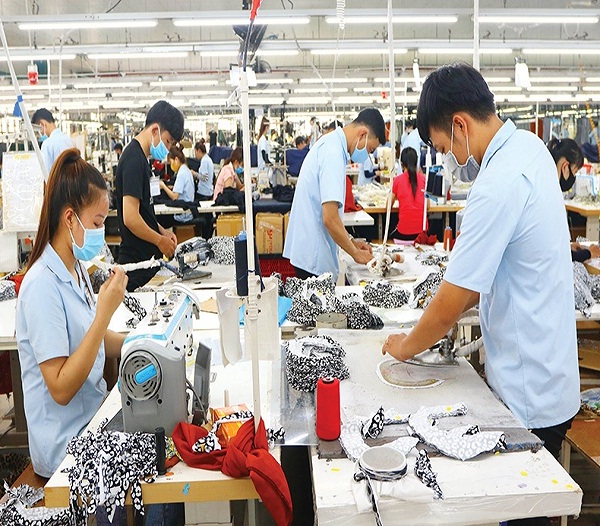
90% of the factories work on CMT (Cut, Make & Trim) base productions, the sourcing company’s source fabrics from China, Korea, India, Pakistan, Italy, and Turkey.

DFU Profile

Almost all the factories employ 70% women workers.

It's business as usual in the laser section of one of Vietnam textile sector's biggest textile mills, where Phan Chi Cao, 27, works.

He employs laser equipment to "dry process" denim clothing, which is a technique for achieving the cool, faded look that certain customers like.

Cao can dry roughly 300 jeans per day using the lasers, a significant increase in production over the labor-intensive traditional technique, which only allows for 20 to 30 per day and exposes workers to dangerous chemicals.

This laser equipment was introduced to the facility by Cao's business, Phong Phu International (PPJ), as part of a long-term strategy to assist Vietnam's textile sector to rise as a key textile sourcing hub in Asia.

Apparel 4.0 & Digitisation Adoption

The Vietnam Improvement Program, an IFC project to increase resource efficiency in the Vietnamese apparel/garment, textile, and footwear sector, aided PPJ's efforts in 2016.

IFC now works with 70 manufacturers that serve significant retailers and garment businesses, such as VF Corp., Target Corp., Puma, New Balance, and Adidas, collaborating with the Clean Technology Trust Fund and Korean Green Growth Trust Fund. IFC initially analyzed PPJ's ability to achieve optimal energy and water efficiency.

Following this study, IFC assisted the firm in adopting upcoming technology and best practices that would help it achieve its objective. In 2016, and 2017, the business adopted various resource-efficient solutions at its Thanh Chau wash facility, which employs 14,000 people and supplies denim, knit, and woven clothes to worldwide brands.

global competitiveness to take on rivals such as Bangladesh

In terms of Vietnam apparel/garment exports, it is becoming increasingly significant. The country is presently one of the top five worldwide garment exporters, with most of its wares going to the United States, the European Union, and Japan.

The textile and garment industry is one of Vietnam's largest and most important industries, contributing significantly to the country's economic growth.

Approximately 2.7 million people are directly employed by the business (75 percent of them are women), and millions more are indirectly supported by remittances given to employees' relatives across the country.

Challenges & Opportunities

The textile and garment firm in Vietnam has a long history and heritage. Women in the nation had known sericulture for hundreds of years, weaving thread into exquisite silk with simple equipment, yet their clothing was full of subtle details and great value.

Vietnam's textile sector, on the other hand, began to flourish in the Northern area in 1958 and the Southern region in 1970. The French developed various large industries in Nam Dinh, HaiPhong, and Hanoi.

To combat the high cost of raw materials, the Vietnamese government has already begun investing heavily in developing support industries, and Vietnam was the second-largest investor in shuttleless looms and the largest investor in-ring spindles and open-end rotors among ASEAN countries from 2006 to 2015.

The country's knitting industry has also grown significantly. In Vietnam's Ninh Thuan province, a cotton manufacturing factory called "Rang Dong Industrial Park" with a land area of 1,500 hectares and a capital investment of US$400 million has been created, with an annual production value of US$3 billion.

Vietnam is exporting majorly to the USA (45%), EU (17%), Japan (12%), South Korea (10%), China (3%), Hong Kong (1%), and Mexico(1%), etc.

MADE IN VIETNAM” is an envious global tag, this respect was earned on the back of their efficiency & enduring quality.

Watch on YouTube

Vietnam

Latest Publications

Image

Join Our Group

Join Our Group