All Stories

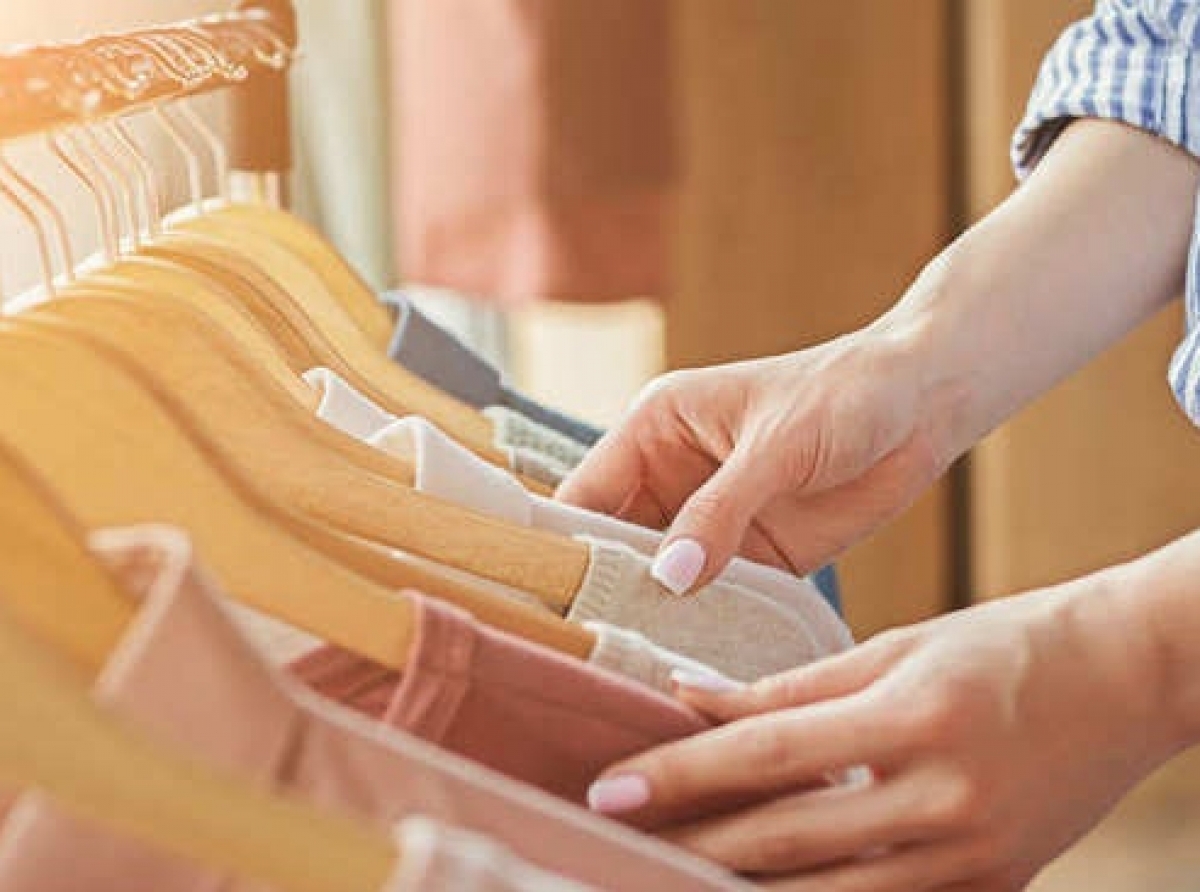
Affordable Ready To Wear Line!

16 July 2022, Mumbai:

Core Philosophy

The apparel/readymade garments trade is typically subdivided into the following categories: women's outerwear/innerwear, men's and boys' summer/winter/work/outerwear, children's ready-to-wear, swim/beachwear, and lingerie.

Utilizing recycled resources is commonplace now, albeit it is practically unheard of in any other industry to produce artificial fibers. In the modern world, recycling is crucial if we want to preserve the earth for the next generations.

Since there is the creation of new items from old, useless ones, it benefits the environment.

ALSO READ Ridhi Mehra launches affordable ready-to wear- line Wildflower

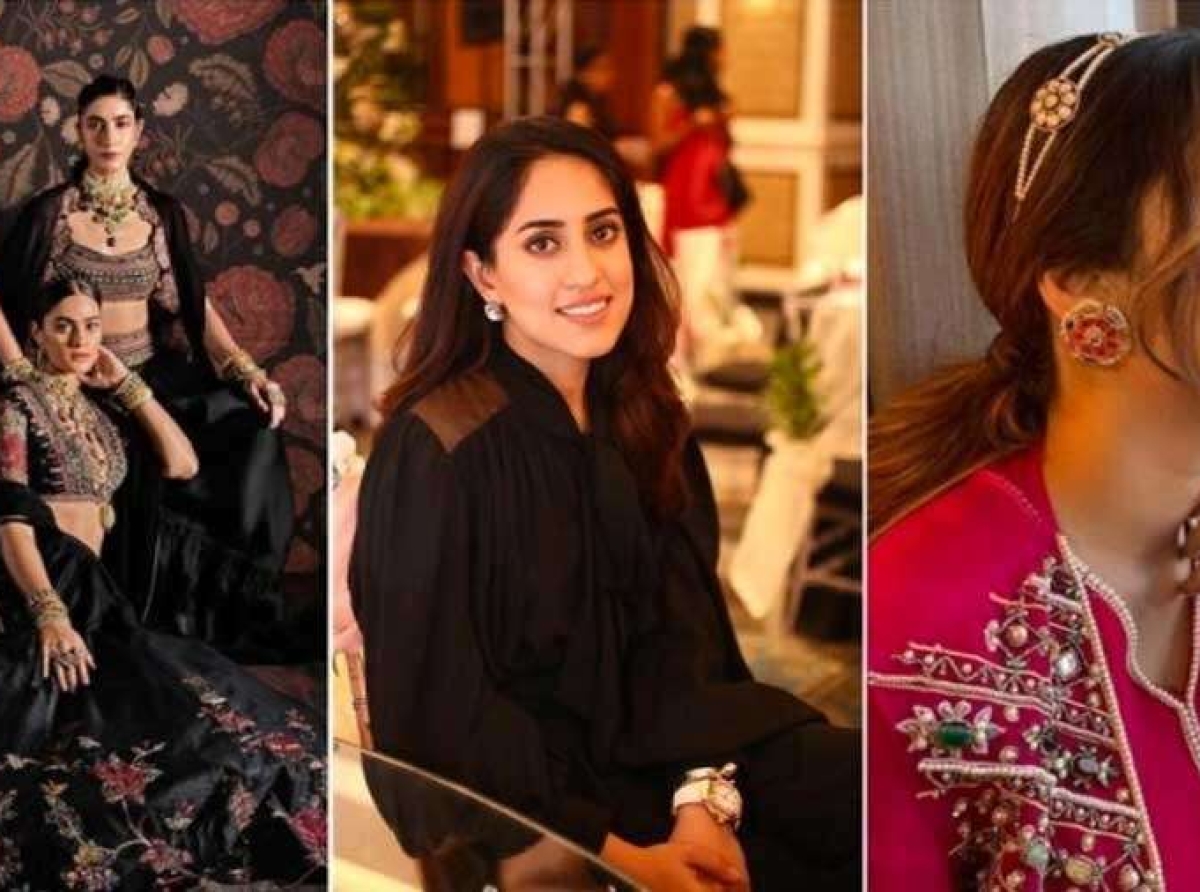
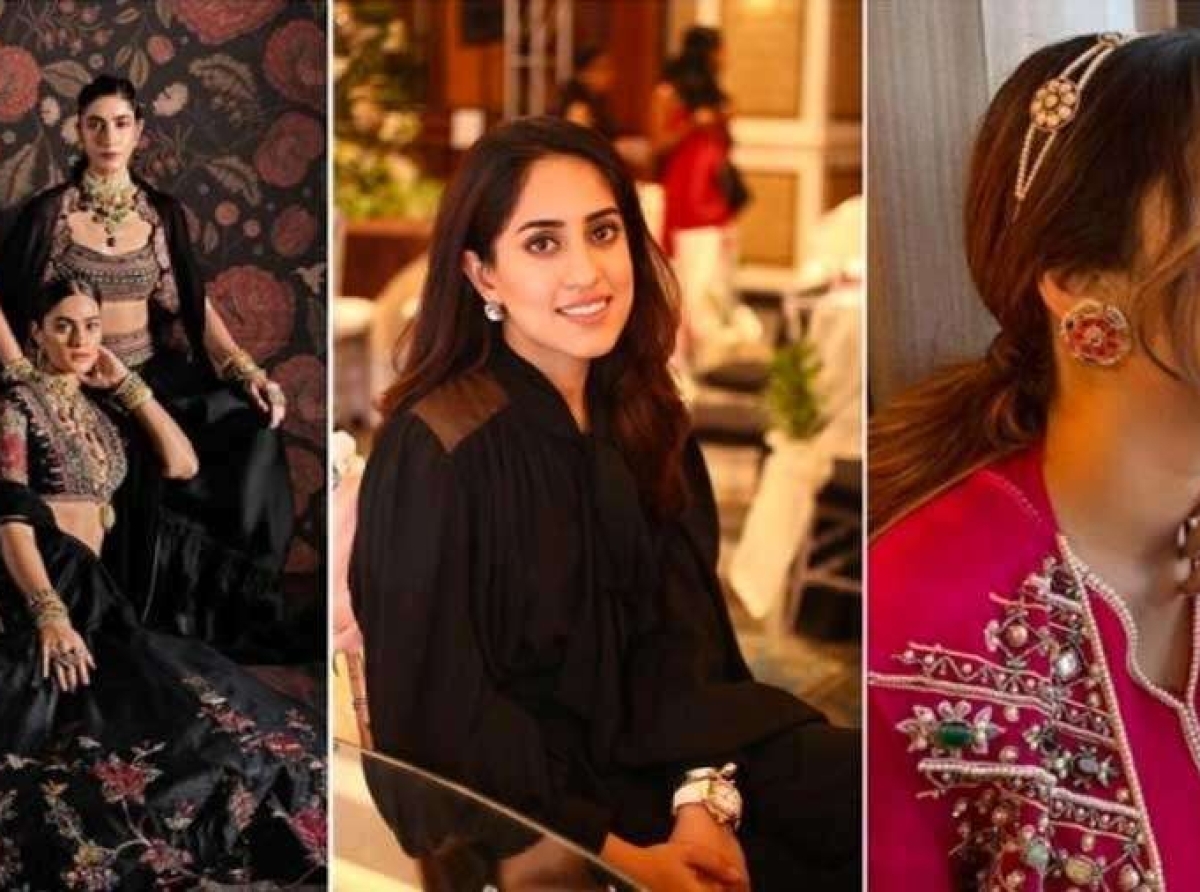
The business said in a news statement that Ridhi Mehra, known for her sumptuous traditional wear, has expanded into fusion wear with her new line Wildflower.

The line's lower price point is intended to make it more accessible to brand aficionados and increase the consumer base for the label.

Dawn of Love reflects the true spirit of love and celebrations.


ALSO READ  Reliance Brands’ consumers step up affordable luxury purchases 

She is prepared to envelop the ideal moments in fascination as the world learns about the lovely intricacies of tiny, private weddings. Dawn of Love honors the true spirit of festivals with silhouettes created for and by love.

The vibe is contemporary, despite the traditional shapes. With a blend of traditional Indian aesthetics and European inspirations, Ridhi Mehra's brand epitomizes a distinct passion for vintage. 

RELEVANT NEWS  Sustainable but affordable Fashion 

According to the firm, the collection aims to obliterate distinctions between Indian clothing and streetwear.

The brand combines its slouchy designs with a flamboyant style, including a lively color scheme, exuberant mixing of patterns, and color blocking. The collection's standout items include patterned kurtas, matching sets, flared pants, and jackets with belts in a throwback design.

Are global consumers ready to embrace sustainable fashion? 

According to a KPMG report," Net support of the sustainable fashion concept is at 49 percent in Tokyo, 55 percent in New York, 54 percent in London, and 71 percent in Hong Kong, with Shanghai in the lead at 90 percent.

RELEVANT NEWS StyleOff: Promise to bring best quality products from all styleoff categories at affordable price

Now is the moment to realign our buying habits to a more thoughtful approach since the globe is eager to assist small companies. Instagram has launched a new Support Small Business sticker in stories, just in time as businesses worldwide start to grow again.

In a simultaneous speech to the country, Prime Minister Narendra Modi urged citizens to assist local products to get recognition on a worldwide scale, saying it is time to become outspoken about our products. 

RELEVANT NEWS  Bavincis to offer 'affordable luxury'

Libas, an affordable clothing company from India that targets the mid-segment market, expanded by setting up its first physical locations in Delhi in September of last year.

By 2025, it hopes to have 200 more of these arrangements. 


RELEVANT NEWS Ikea India to make products more affordable through increased local sourcing 
Trade per se has a unique role to play in supporting a shift to affordability in global supply chains. In particular, the core commitment to aligning the consumer's interest thus providing an optimum value for money/return on investment (ROI).

In the past several years, several small and mid-segment firms that deal in ethnic and fusion clothing, western wear, and leisure wear have risen due to the pandemic's start and its impact on consumer incomes and purchasing patterns.

Both known and emerging companies, conscious of the market's untapped potential, have assembled collections of distinctive and reasonably priced apparel for Indian women to try. Thanks to the digital wave, these collections are also being purchased.

Short Message

The article is trying to articulate giving readers valuable insight into what consumers are thinking, and the belief that the market is there for affordably sustainable RTW fashion.

Both known and emerging companies, conscious of the market's untapped potential, have assembled collections of distinctive and reasonably priced apparel for Indian women to try. Thanks to the digital wave, these collections are also being purchased.

Join our community on Linkedin

ReadyToWear

Indian Textile Industry: How Much Is It Converting Pet Bottle Into Polyester Yarn!

14 July 2022, Mumbai:

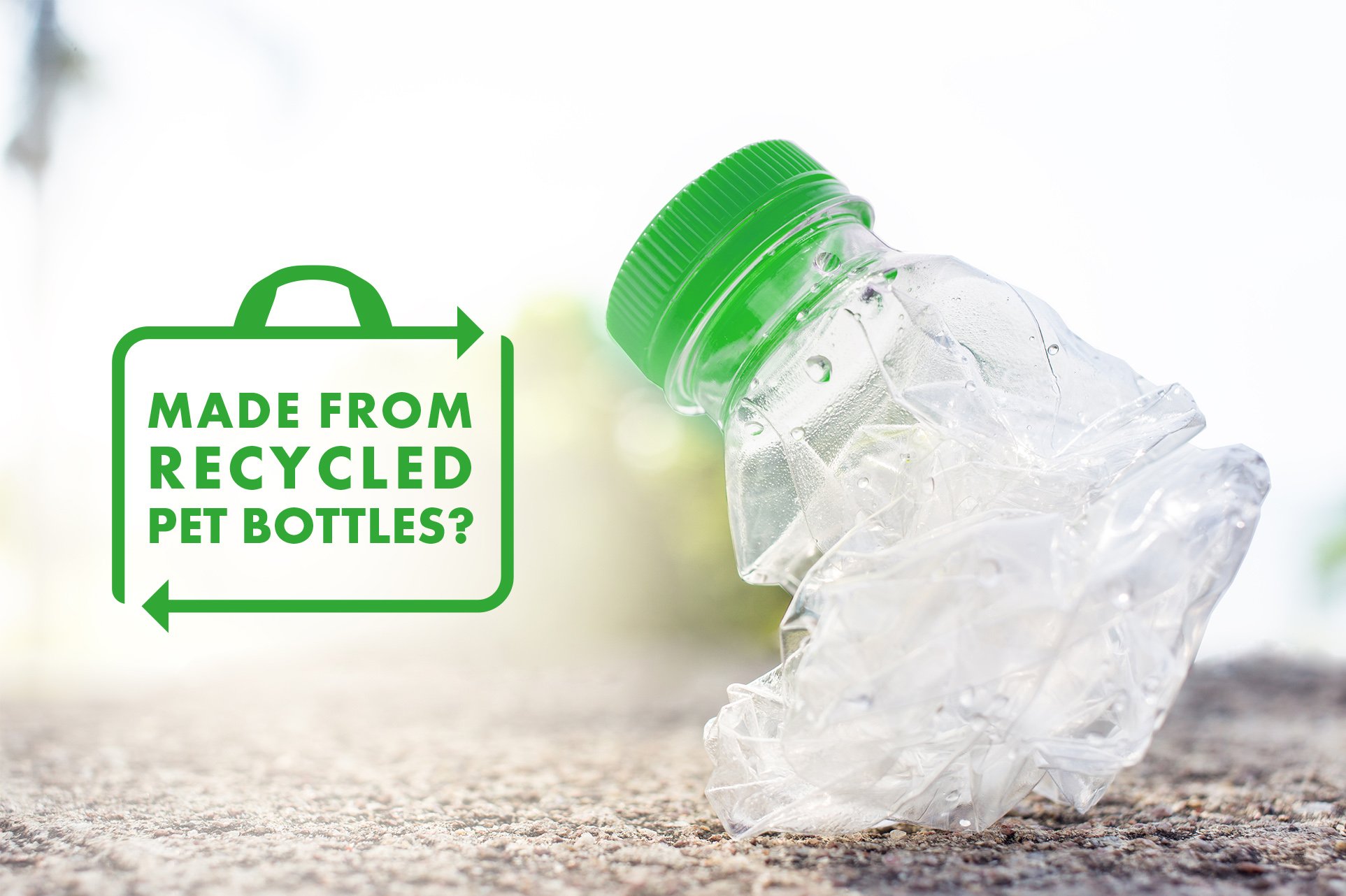
It is been proven to be more cost-efficient if polyester fabrics were manufactured by just recycling PET bottles since there'll be less heating and energy besides being best practice in the direction of a sustainable textile supply chain/circular economy besides plastic bottle waste can make synthetic fiber in a very frugal & economically viable price.

Utilizing recycled resources is commonplace now, albeit it is practically unheard of in any other industry to produce artificial fibers. In the modern world, recycling is crucial if we want to preserve the earth for the next generations.

Since there is the creation of new items from old, useless ones, it benefits the environment.

ALSO READ  UNIREC is selling environmentally friendly clothing made from recycled PET bottles  

Recycling is significant in the fashion business. The apparel business uses a lot of resources and pollutes a lot.

It is a consumer sector; therefore, it naturally encourages consumers to buy and discard items based on current trends rather than considering durability or the environmental impact. Attempts to change the status quo include organic and recycled textiles and environmentally friendly apparel.


ALSO READ Sulochana Textile Mills: Converting pet bottle into polyester yarn

"Recycled Polyester" is an environmentally friendly type of polyester fabric. PET is the starting material for recycled polyester, not polyester. The fact that this material was recycled to make fabric instead of ending up in a landfill saves it from being used to make transparent plastic water bottles.

However, recycled polyester eliminates most of the drawbacks of traditional polyester. Polyester fabric is not environmentally friendly since it requires significant amounts of water, chemicals, and fossil fuels during production.

The byproducts and raw materials are hazardous, damage the air and water, and result in several health problems. 

RELEVANT NEWS  Neeman’s launches ‘ReLive Knits’ sneakers made with recycled PET bottles

Additionally, non-biodegradable fabrics have an unnatural gloss and feel, making them unpleasant to wear and generally unpleasant to touch. Because PET doesn't breathe as well as cotton or other natural fibers, it makes wearing it heated and perspiring.

As a result, recycled polyester is both skin-friendly and environmentally sustainable.

A second chance has been granted to five million plastic bottles that may have suffocated marine life or piled up in landfills. Billabong expands its commitment to sustainability by introducing Eco Supreme Suede, a brand-new material composed of recycled fabrics and plastic soda bottles.


RELEVANT NEWS JJ Valaya launches new luxury brand with sustainable collection 

Bikinis and sleek surf shorts are made from this premium cloth. A single pair of boardshorts are made from about ten plastic drink bottles.

Polyethylene, a kind of polyester typically associated with a fabric used in garments and interiors, is the main component of plastic bottles. But in reality, both are polymers derived from fossil fuels.

The PET fabric, essentially polypropylene, is ten times stronger than a piece of typical polyester fabric. Recycled materials are in great demand worldwide, notably in Europe, because of their eco-friendly and skin-friendly qualities. 

RELEVANT NEWS The LYCRA Company has launched a fiber composed entirely of textile waste for use in insulation applications

Esprit, Ecoalf, and Printa are a few European manufacturers that employ recycled textiles in clothing. 


RELEVANT NEWS  YKK Announces New Collection of Recycled Zippers

Some businesses have installed PET phase capacity in India as well.

According to estimates, India generates 500,000 tonnes of pet trash annually, and the amount of waste will only increase owing to the rising usage of pet bottles in everyday use.

It all starts when you toss a PET bottle into a dust bin bag & as a start point the very same can turn plastic bottles into polyester & performance apparel doing the greatest good to our mother planet & posterity.

Join our community on Linkedin

PetBottle

What Is Driving Consumerism In Apparel Industry

12 July 2022, Mumbai:

An Overview

Post-Covid optically the consumer buying attitude towards apparel buying as a societal behavioral change is promising a huge potential & has bearing on the impending shift in the way the fashion industry used to work, quite optimistically which would cascade through the supply chain and drive a sea perceptional change towards putting the circular economy at the center stage of the fashion industry’s approach.

One of the growth pillars in recent years has been 'Fast fashion' construed to be a linear business model with the caveat of faster fashion turnaround clearly on the back of a rapid supply chain, all along the line.

The great majority of consumer fashion is caught in a linear paradigm, with most old clothing being discarded at an ever-increasing rate since it is believed to have little value.

A significant shift in the fashion business, which would ripple back through the supply chain and propel a step toward placing the circular economy at the core of the fashion industry's strategy, might result if customer attitudes regarding purchasing clothing significantly shift.

ALSO READ  Urban consumers cut back on apparel spending amid rising inflation: Survey
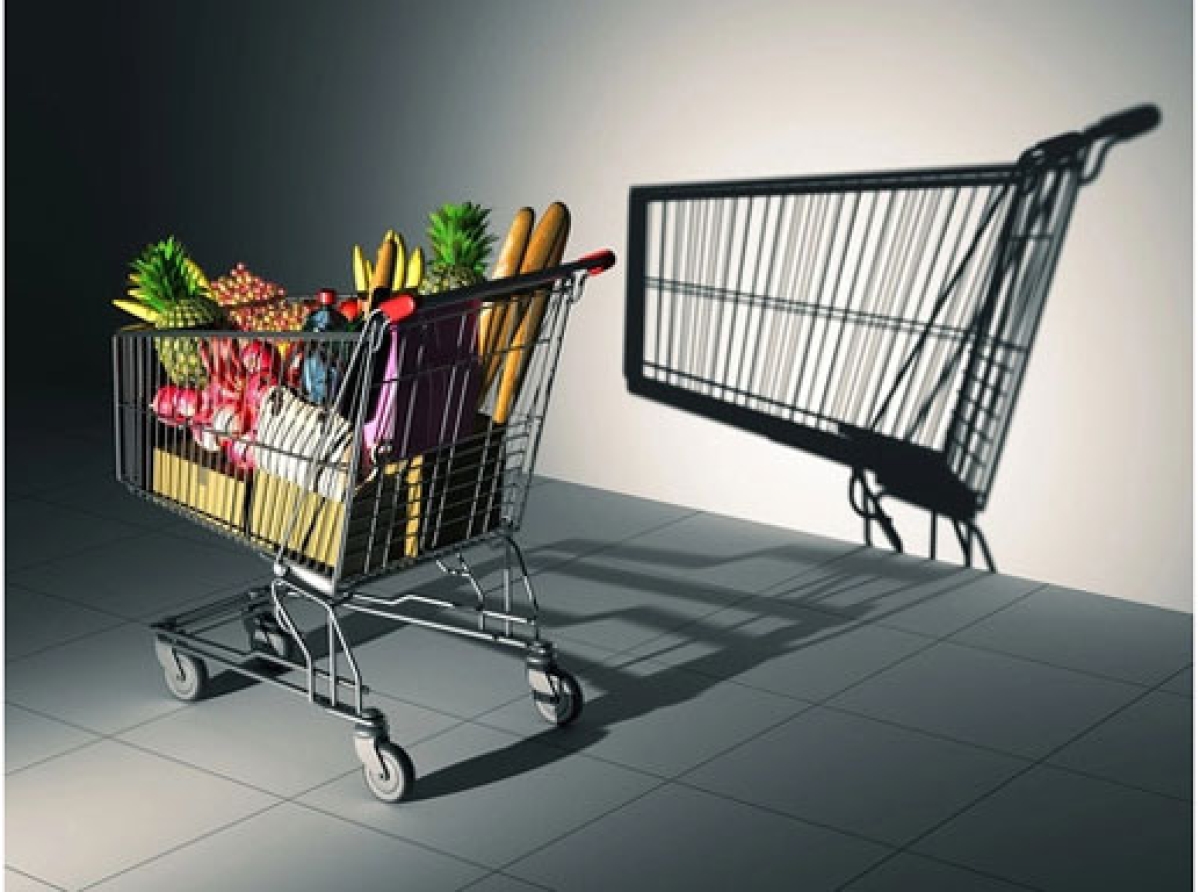
Consumers may promote better knowledge, comprehension, and transparency by using their purchasing power to demand progressive change and circular models that aim to boost quality, reusability, recyclability, and recycled content.

To tackle the difficult problems posed by this complex business and advance toward a more socioeconomically and ecologically conscientious fashion industry, building trust and collaboration along the supply chain will be vital.


ALSO READ  CMAI: Covid19 made apparel brands & consumers price conscious 

Around 150 billion pieces of clothing are produced annually worldwide, and their average price is steadily declining.

Customers wear products fewer times before deciding to throw them away as a result, which lowers the quality and value attached to that item. Clothing manufacturing increased twofold between 2000 and 2014, whereas wear rates fell by almost 40% between 2012 and 2016.

RELEVANT NEWS  Consumers look to buy cheap garments from Bangladesh

Planned obsolescence and overproduction have recently increased as a result of modern civilization. Fast fashion is a linear business strategy that prioritizes a short supply chain and works to create, produce, and distribute new clothing products quickly.

This strategy succeeds because of the low cost of labor, the constancy of fashion trends, and, most crucially, the rise in consumer demand and spending power. People are assessed by the brands and fashions they wear, which has been a long-standing and underlying theme.

As a result, vast sums of money are spent on marketing the newest, ever-evolving trends.


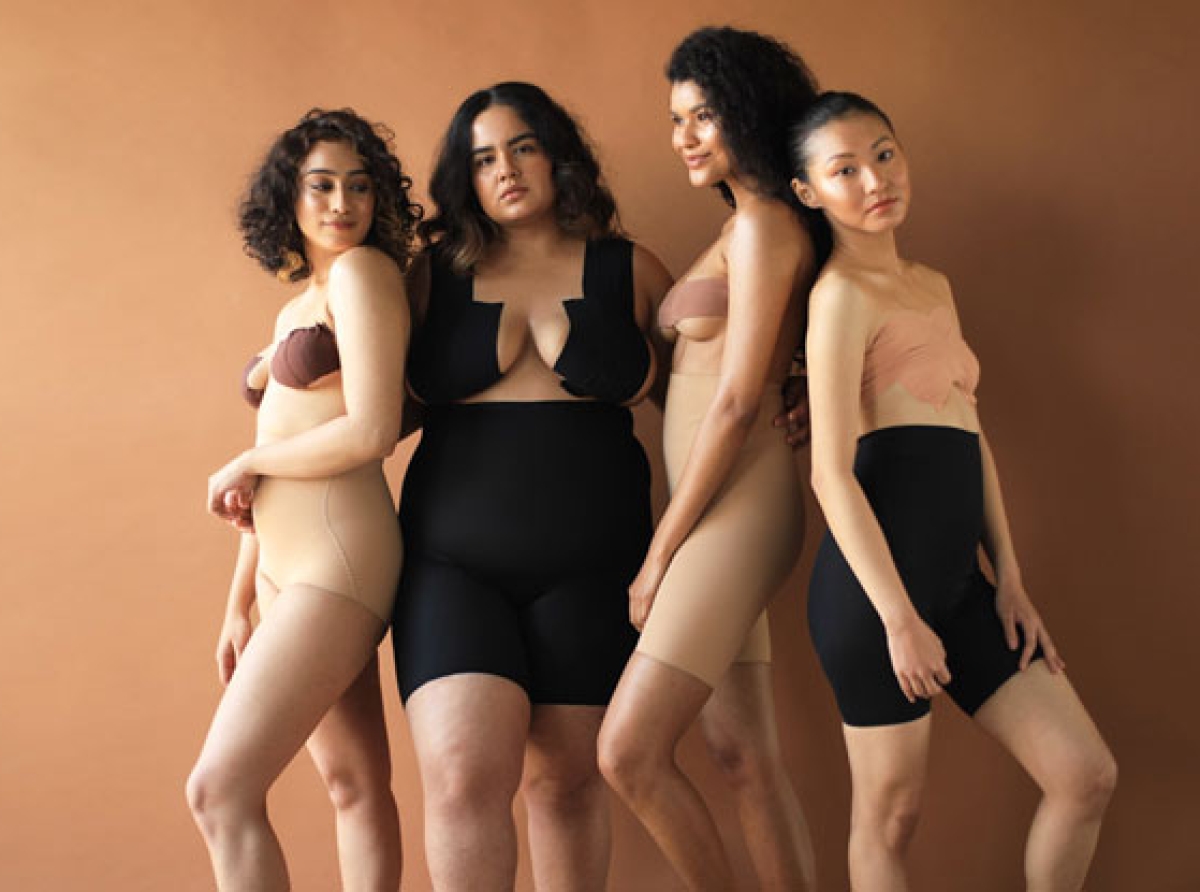
RELEVANT NEWS  Shapewears popularity decline in India as consumers adopt body-inclusivity

Recently, though, there has been a growing trend toward wanting to consume more responsibly, which we can only hope will eventually become more relaxed than wearing the newest quick fashion fads, as seen in stores like PrettyLittleThing or BooHoo. Businesses are making significant progress toward a more circular business model, and Defra's Waste Prevention Programme encourages this. 

RELEVANT NEWS  GST MAY DRIVE CONSUMERS AWAY FROM VALUE BRANDS FEAR APPAREL RETAILERS

For instance, Arket promotes considering the long-term when shopping, and clothes should only be reused if they maintain a certain quality over time, and borrowing from others to decrease waste. 


RELEVANT NEWS  Fashion rental booms in India as consumers become more brand conscious and internet savvy

Pulse Check

To promote sustainable apparel purchasing, this study suggests style consumption. We achieve this by identifying style consumption's explanatory and outcome factors and looking at how these variables fluctuate according to gender.

We discovered that thrifty apparel consumption, fashion consciousness, and ecologically conscientious consumption increase the chance of style consumption based on an online survey with 586 consumers.

According to Oxfam, there are approximately 11 million items of apparel sent to landfill per week in the UK, and only 12% of the material used for garments is from recycled sources.

Join our community on Linkedin
Consumerism

How Much Is Indian Apparel Self-reliant When Needle To Sewing/Stitching Machines All Been Imported

05 July 2022, Mumbai:

The Ministry of Skill Development and Entrepreneurship's Apparel, Made-ups, and Home Furnishing Sector Skill Council has been vital in the sector's skill-transfer process. After agriculture, this industry employs the most people.

A sewing machine operator is one of the job roles/qualification packets in the AMHSSC that is mainly common in the manufacturing units across many sectors in the garment industry. He is also known as a Stitcher or Machinist, and his primary duty was to sew or stitch cloth composed of many kinds of natural and synthetic fibers.

ALSO READ Piyush Goyal: Invites Australian businesses to Make in India 

Since its foundation, the Council has rigorously taught almost 5 lakh employees and students in this job function under various programs. When the training is complete, it places about 2.5 lakh individuals in the sector.

The job function covers about 70% of the sector's total personnel. He is in charge of delivering the designer's vision of an aesthetic yet comfortable outfit for its diverse consumers' shapes, whether in the export or retail industries.

The instruction for operating a sewing machine is provided in various NOS conversions modules (National Occupational Standards).


ALSO READ Reliance Retail boosts its “Handmade in India” program

The training material familiarises the candidate with various raw materials, tools, and equipment, including different sewing machines, sewing supplies, fabrics, trimmings, and accessories. The candidate is familiar with the steps involved in sewing clothing, accessories, and home furnishings.

Qualified trainers deliver the training of the Apparel, Made-ups, and Home Furnishing Sector Skill Council who work or are hired at approved training facilities across India.

He has received training in soft skills, computer basics, customer service, and other business abilities that will be useful for opening a small shop.

RELEVANT NEWS Ministry of Textile: Gets many applications for PLI in Man-Made Fibres, Techtex

Following completion of the training, certified assessors from the Council-accredited assessment organizations perform the assessment.

The exam has three parts: practical, theory, and oral. It provides a chance for someone with schooling up to the fifth grade to receive training in this employment capacity and develop independence. It enables them to overcome the obstacles they confront in pursuing formal education on a personal and economic level.


RELEVANT NEWS Ethnic Wear: Truly Fledgling Make In India Story

The textile sector has dramatically influenced the Indian economy. Currently, the organized manufacturing sector in India employs over 28 percent of its workforce in the textile industry alone. This industry employs around 93 million people both directly and indirectly.

The fact that the Indian textile industry is nearly self-sufficient, from producing raw materials to delivering completed goods—from cotton farming, ginning, spinning, and weaving to the creation of clothing—gives it an inherent comparative advantage

RELEVANT NEWS Ikea India to make products more affordable through increased local sourcing

The traditional method of producing apparel from ready-dyed pieces is interestingly supplemented by dyeing prefabricated clothing components. 


RELEVANT NEWS The CII makes suggestions to improve textile and clothing exports 

This is particularly true because conventional production entails significant risks regarding the accuracy of the color shade and usually results in a wide range of colors with higher storage costs.

When dyeing garments after manufacturing, there is a more significant potential for harm if there are issues with the dyeing process. In the worst-case circumstances, irreversible error-related value losses are made worse by failing to fulfill a delivery pledge.

Join our community on Linkedin
How Much Is Indian Apparel Self-reliant When Needle To Sewing/Stitching Machines All Been Imported

Tirupur Asia's One Of The Biggest Knitwear Hub

13 July 2022, Mumbai:

An Overview

Over the past 20 years, Tirupur, Known as ‘T-shirt City,’ or “Banian City” has established itself as a significant knitwear export hub, with operations in the US, Europe, and the Pacific. The Tirupur cluster has developed into a well-connected unit cluster that works together to turn cotton into knitwear items.

Specific units highly specialize in textiles production, dyeing, processing, stitching, and export marketing.

This town started making inexpensive cotton hoses in the 1930s, primarily for undergarments. Knitting was introduced to this region in 1937 by Gulam Kadar, who established Baby Knitting Industries in the Kaderpet neighborhood of Tirupur.

ALSO READ  TEA, Tirupur: Knitwear exports contributed 1% of India's exports in FY22 

The eco-system here is favorably supported here by the textiles Committee under the Ministry of Textiles, Apparel Export Promotion Council (AEPC); South Indian Hosiery Manufacturers’ Association (SIHMA), more active, Tirupur Exporters Association (TEA) representing the knitwear exporters in the city; and Knit Cloth Manufacturer’s Association (KNITMA), Tirupur Dyers Association and Tirupur Export Knit Printers Association (UNIDO, 2005).

Knitwear has historically been made in Tirupur, which has earned a reputation in India by producing cotton underwear in particular. Additionally, Tiruppur focuses on the low-volume mid-fashion sector, notably in the clothing and supplies of women and children to some of the biggest shops in the world, including Marks and Spencers.

From producing essential knitwear for the lower end of the local market, the Tirupur knitting cluster has expanded its product line to include t-shirts, polo shirts, sportswear, sweatshirts, ladies' outfits, children's clothing, nightwear, etc.


ALSO READ  TEA, Tirupur urges FM to help MSMEs with liquidity

The cluster necessitates a high level of specialization in most fields, including the provision of machinery and all facets of the manufacturing process.

More than 3.5 lakh people from nearby districts and states work in the knitting industry in Tirupur, including both local and migrant labor. Due to the agricultural background of the labor force accessible to businesses in and around Tirupur, the producers have long been concerned about the degree of expertise.

However, even without formal training provided by businesses, it takes an agricultural laborer three weeks on average to absorb the industrial process. 

RELEVANT NEWS Tirupur exporters expect a decline in FY23 garment exports

The Tirupur Tamilnadu center is crucial in this regard, generating up to 80% of the knitted apparel exports, or around 4% of India's entire export commerce, which accounts for about 45 percent of the country's clothes.

From a pitiful Rs. 10 crores in 1984, exports surpassed Rs. 11,000 crores in 2006–07. rupee-to-dollar export appreciation fell by 10% in 2007-2008, totaling Rs. 9,950 crores.


RELEVANT NEWS  Tea, Tiruppur: To eye $1 Tn Knitwear Exports During 3 Years 

The cluster's expansion has undoubtedly been made possible by the exporters' association, Tirupur Exporters Group (TEA). Along with holding international trade fairs in Tirupur, it collaborates with the National Institute of Fashion Technology (NIFT) to establish a fashion and training center.

In collaboration with a governmental agency and an extensive international private company, this has started an ambitious effort to rebuild Tirupur's urban infrastructure. 

RELEVANT NEWS  Russia at War: Impact on Tirupur Exports Sector

The Tirupur knitwear cluster annually expands by 15% to 20%. An essential hub, the hosiery town now generates annual revenue of Rs 27,000 crore from local and overseas markets, up from a few crores of garments produced three decades ago. 


RELEVANT NEWS TEA, Tiruppur's new machine fosters hope for khadi fabric weavers

Bird's Eyeview

Tirupur boasts 1,200 merchant exporters in addition to 800 garment manufacturing and exporting businesses, according to recent research by the Sripuram Trust.

Three hundred of them are clothing manufacturers that cater to the local market. Tirupur knitwear sector comprises 95% of MSME exporters.

Export of knitwear from Tirupur, near here, clocked the US $ 4 billion this financial year, Tirupur Exporters Association (TEA) has said. With this, the exports from Tirupur have contributed one percent to the total exports worth $ 400 billion from the country, the TEA said in a press release.

Join our community on Linkedin
TeaTirupur

Ludhiana, A Hosiery Town: Challenges & Opportunities

12 July 2022, Mumbai:

An Overview

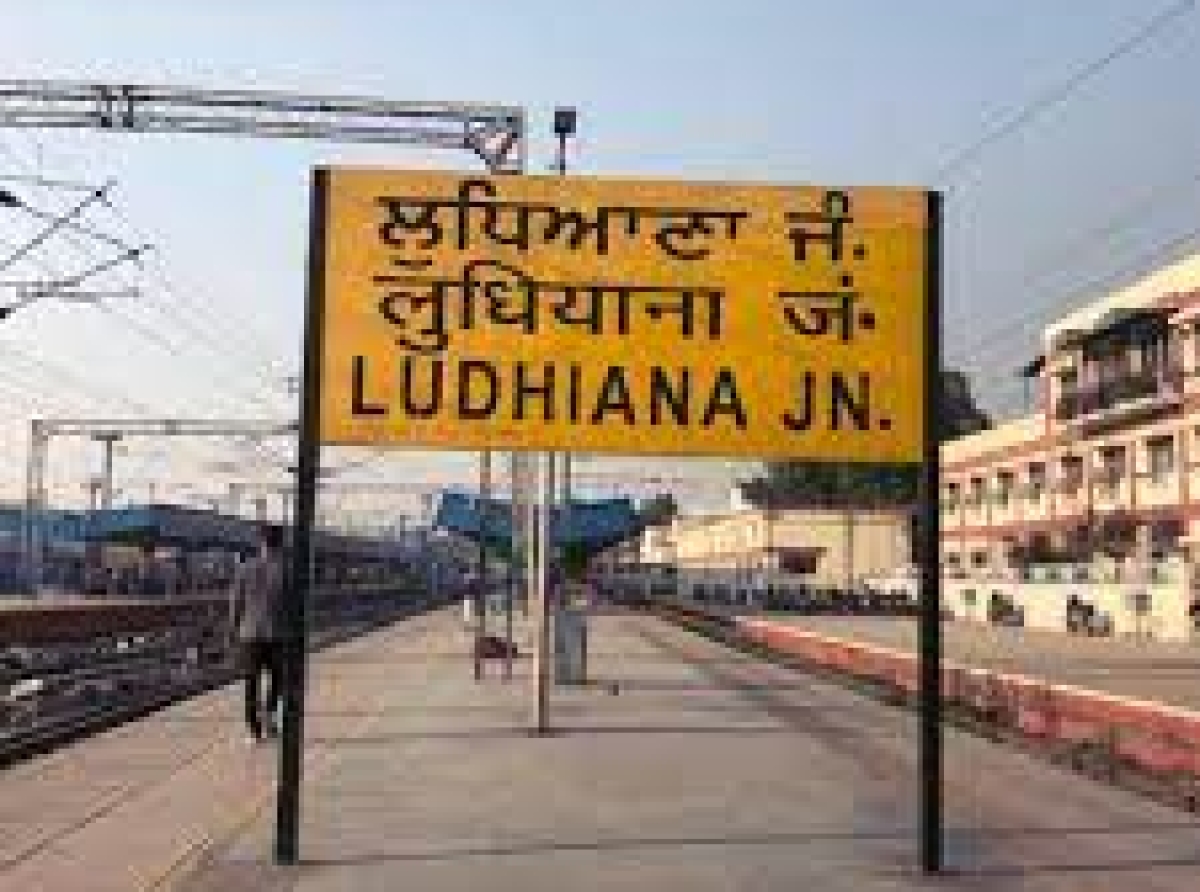
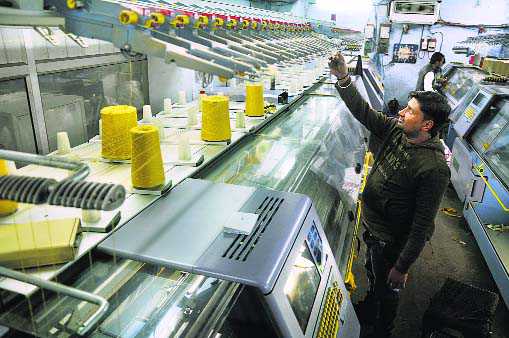
Ludhiana is one stop destination for woolen sweaters and cotton apparel. The hosiery industry here is since donkey years now. The city boasts of a rich history of Winter Hosiery Products Pan-India. According to a Business Standard report," The relevance of hosiery industry in Ludhiana could be gauged from the fact that 90% demand of the woolen market in India is fed by Ludhiana industry".

Ludhiana which is situated in the North Indian state of Punjab is an important industrial town noted for its textile and related businesses. 

LUDHIANA OFFERS, HOSIERY, WOOLEN GARMENTS, WOOLEN KIDS SUITS, QUALITY PRODUCTS, FIXED PRICE, FACTORY MANUFACTURER UNIT, AND WARM SUITS.


The COVID-19 pandemic and continuous farmers' protests are making it difficult for Ludhiana's hosiery sector to satisfy demand this winter, which prevents traders from Delhi, Haryana, and Uttar Pradesh from traveling here to purchase the material.

A glimmer of optimism was provided by the early beginning of winter for the producers of woolen clothing. Still, they cannot meet demand due to the epidemic and the current farmer demonstrations at Delhi's borders.

ALSO READ Ludhiana MSME Association: Apparel Sector seeks tech upgrade from the next Punjab government

Anuj Bahal, a store owner at a wholesale market, told ANI, The traders from neighboring states could not come here and acquire the material because of the ongoing farmers' protest.

He added that the wedding season is a little off because of the outbreak. Sales this year are down. The current environment has altered traders' perspectives. He added that sales have decreased by 30 to 35 percent compared to last year, as he said.


ALSO READ Prime Minister, Narendra Modi: Ludhiana (Punjab) would emerge as a textile center

According to Akhil Sachdeva of Pinnacle Fashion and Retail in Ludhiana, despite good demand brought on by the early start of the winter season, sales have been impacted by farmer protests.

However, sales started declining in December due to the continued farmers' protest. The peak season for the woolen business is in November and December since this is when demand peaks typically. However, the city's recent curfew has negatively impacted production and the industry severely.

RELEVANT NEWS Garden of Eden by Inayat-Spring to be held in Ludhiana, Punjab 

The previous several days have been a nightmare for units supplying the local demand, according to Charanjit Singh, Secretary of the Knitwear Club. He said that customers from other locations usually travel to Ludhiana on weekends, or Saturday and Sunday, to acquire the stock of woolen.

Still, the unstable situation in the city caused enormous losses for the hosiery companies. He also said that because woolen hosiery was a seasonal product, incidences like these would not bode well for the sector.

Ludhiana apparel industry growth story/history has been on the back of attaining attractiveness to entrepreneurs of diverse backgrounds in search of a job and economic/business opportunities.


RELEVANT NEWS  The dyers' union of Ludhiana has joined forces with CICU

The lockdowns most negatively impacted smaller firms since the bulk of Ludhiana's garment manufacturing facilities are in the unorganized, cash- and credit-based sector.

This, combined with the recent labor shortage caused by migrants returning home in significant numbers, gave the industry a severe hit. 

RELEVANT NEWS  GMMSA Expo India to happen on 23 - 26 Jan 2022, Ludhiana (India)

Owner of the city's Silver Arc Mall, Ajay Nayyar, predicted that as more people enter the clothing stores now that the hours have been extended to 8 p.m. More than 80% of people who visit malls nowadays want to make a purchase.

This proportion was lower before the Covid era as more people engaged in window shopping. He added that we request permission from the government to be open on Sundays as well. 


RELEVANT NEWS Ludhiana hosiery industry hopes business will revive with unlocking

Bird's Eyeview

According to Amit Thapar, president of Ganga Acrowools and vice chairman of the Punjab branch of the Confederation of Indian Industry (CII), the shutdown caused losses in the industry of almost 30%.

But now, he said, "we are on the road to recovery." Casual clothing continued to be in demand even if total sales were down since most people stayed home.

Vinod Thapar, chairman of Knitwear Club, claimed that pajamas were sold in significant quantities during the shutdown.

Historically USSR was the epicenter of Ludhiana Hosiery Exports in the 1980s & 1990s. However, with the fall of the USSR, the Russian market for Ludhiana is almost closed as of now. Therefore the hosiery units over here are constantly looking for ways to inroad into other markets to get a toehold.

Join our community on Linkedin

Ludhiana

Can Indian Apparel Sector Become The Design House Of The World!

01 July 2022, Mumbai:

The Indian fashion scene wasn't entirely colorless throughout the 1950s, 1960s, and 1970s. It was thrilling, chic, and quite elegant. The nation could not showcase any designers, stars, models, or fashion design labels.

A garment's worth was determined by its design and materials, not by the maker. Approaching any unknown tailor who could manufacture apparel for a few rupees and provide the ideal fit, quality, and design was viewed as ever so fashionable.

The high-class woman who wore it was pleased with herself for finding a good deal and lending her name to the finished product.

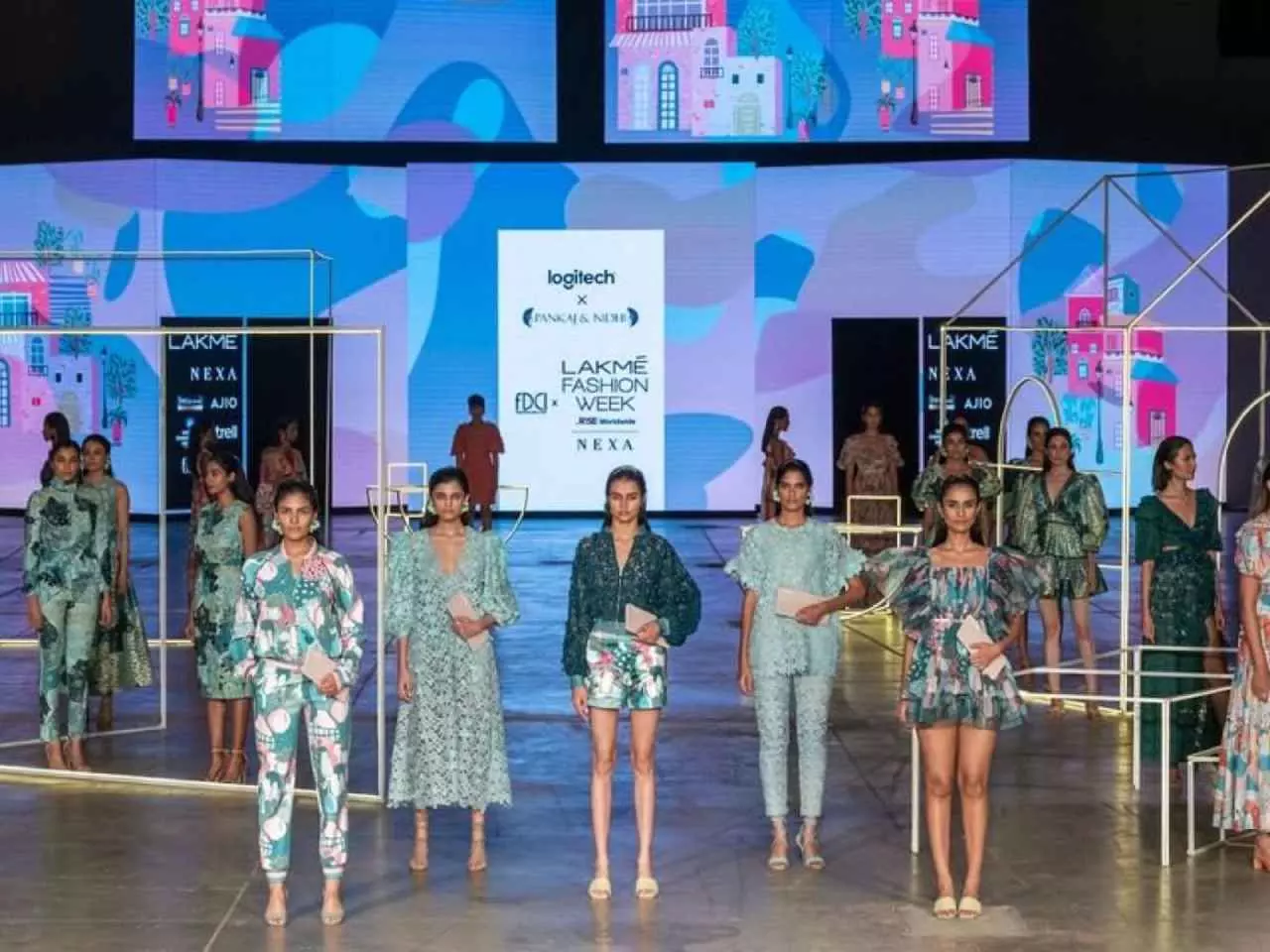
ALSO READ  At the FDCI X Lakmé Fashion Week, Satya Paul by Rajesh Pratap Singh introduces carbon-free TENCEL fibres

In the 1960s, women wore tight kurtas, churidars, and high coiffures. As a result of the removal of restrictions and the acceptance of novel materials like plastic film and coated polyester fabric, it was a time of mischief and celebration in the arts, music, and movies. Traditional materials were increasingly exported both domestically and abroad throughout the 1970s.

As a result, foreign fashion, with its bright colors, floral designs, and bell-bottoms, reached India far earlier than the MTV culture. Disco culture and the use of synthetics both had an impact on the fashion scene.


ALSO READ Designers support 'FDCI X Lakme Fashion Week' new format

During the 1990s, the final decade of the millennium, a trend toward radical matching down with ethnic clothes was seen. Today, the ethnic wear market in India is accounted for Rs. 9000 crores.

As a result, there was a downturn and a desire to sell at any cost to maintain the spotlight. The inevitable happened due to fierce rivalry and careful client awareness.

The price tags started their descent after once reaching their apex.

RELEVANT NEWS  Happy conscious dressing @ FDCI X Lakmé Fashion Week

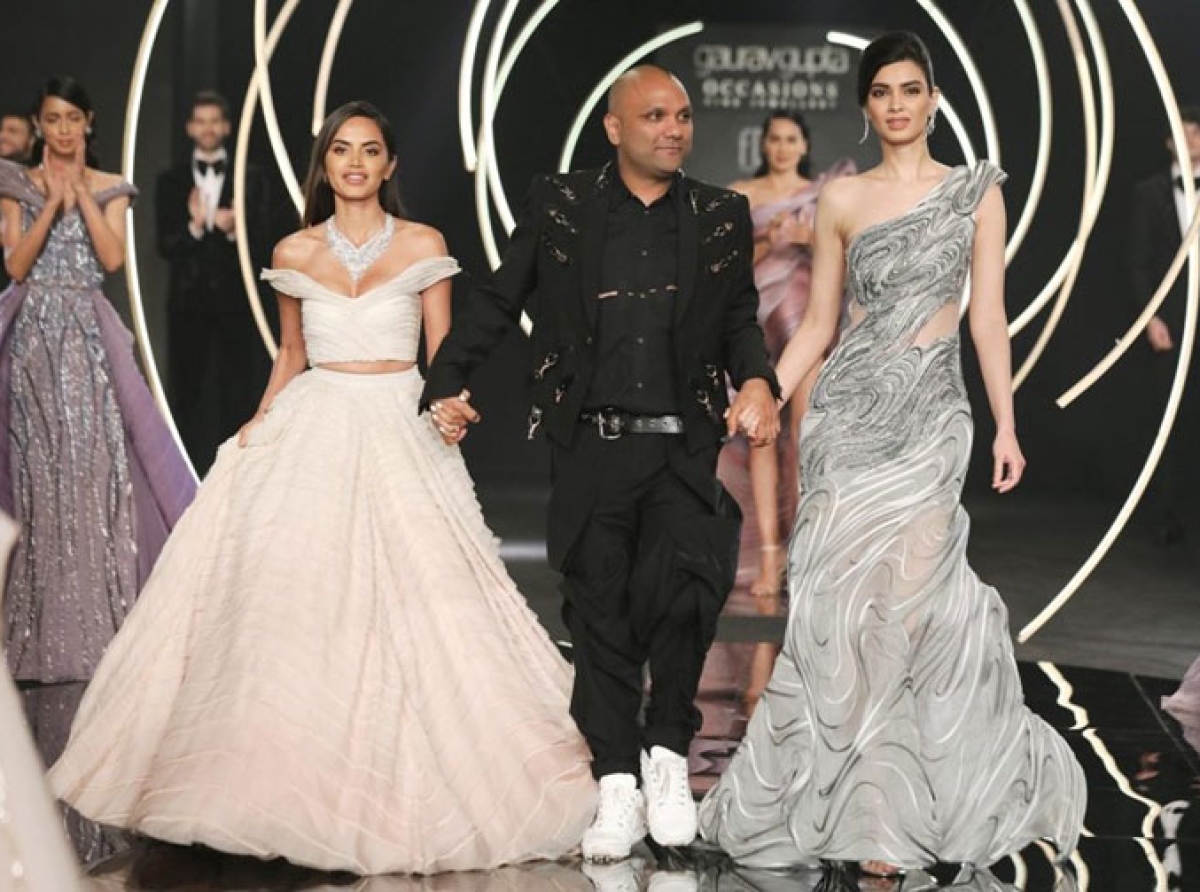
The Indian garment and fabric industries are competitive on the global market in many fundamental ways, including the cost-effectiveness of production, availability of raw materials, quick turnaround for sales, and a wide variety of preferred designs for clothing, including those with sequins, beadwork, aari or chikkon embroidery, etc., as well as a more affordable skilled labor force.

India offers these fashion items to foreign fashion companies with fast lead times, reasonable pricing, and a design monopoly that includes intricate hand embroidery that is well recognized.


RELEVANT NEWS  Manish Malhotra's another 1st as he joins forces with Wazir X NFT Marketplace and FDCI x Lakme Fashion Week to foray into the untapped NFT universe

The variety of textiles available in India may entice and perplex buyers in terms of the market for fabrics. The current trend in the global market is a fundamental expectation of judgment in fabric selection.

Most of the production work is done in Chapa, a little town in the eastern state of Bihar that most people have never heard of. 

RELEVANT NEWS Lakme Fashion Week & PETA India, Indian fashion designers pledge to go leather-free on the World Fashion Day 

The variety and caliber of raw silks, including tussars, matka silks, and phaswas, all belie the primitive production techniques and machinery employed. Fabric manufacturing is a family business here.


RELEVANT NEWS Dolly J presents ethnic wear collection at India Couture Week

Between April 2000 and December 2021, the textiles sector (including dyed and printed textiles) attracted foreign direct investment (FDI) of $3.93 billion. Federico Salas, the Mexican ambassador to India, visited the India International Trade Fair 2021's Khadi India Pavilion in November 2021 and recommended that India and Mexico work together to promote Khadi internationally.

Home textile companies are using technology to optimize the value chain.

To track textile raw materials throughout the supply chain, Welspun India, for instance, developed Wel-Trak 2.0 in October 2021.

This updated version of the patented end-to-end traceability system is used.

Join our community on Linkedin

Can Indian Apparel Sector Become The Design House Of The World!

Odds Are Stacked Against Indian Apparel Sector

13 July 2022, Mumbai:

Decode: Indian T&A impact on the global supply chain

Post-MFA global sourcing status

As per India Brand Equity Foundation (IBEF) report," India is the sixth largest exporter of textiles and apparel products in the world with a massive raw material and manufacturing base".

The Indian apparel sector is preparing for tough times in the international markets, where it will lose customers to competitors and see reduced unit value realization.

India's apparel exports registered more than 30% growth during April-March 2021-22 to $16.02 billion compared to the same period last year, official data showed & industry faces a severe danger from failing to prepare for global competitiveness in the post-MFA age.

The Indian garment sector lacks internationally competitive capabilities, international quality, healthy FDI (foreign direct investment) flows, and progressive government policies even though MFA got abolished in January 2005 & notwithstanding 100% FDI is allowed in the textile sector under the automatic route.

ALSO READ  Urban consumers cut back on apparel spending amid rising inflation: Survey

Analyzing the impact on the global supply chain​​

According to a report by Icra, while China has maintained its dominance in the global markets, other competitors like Mexico and Bangladesh have made quick progress.

Exports of only $5.2 billion in 2000, compared to $36 billion for China and $8.7 billion for Mexico, place India in a precarious situation. Smaller competitors are vying to surpass Indian exports, including South Korea ($5 billion), Indonesia, Thailand ($3.9 billion), Bangladesh ($3.8 billion), and Sri Lanka ($2.3 billion).


ALSO READ  CMAI: Covid19 made apparel brands & consumers price conscious 

Changing global trade dynamics

On the back of quota policy concessions from the European Union and the US, the two biggest markets for this sector, even Pakistan has raised its exports to $2.1 billion and is striving hard for faster growth.

The South American nation of Mexico had exports of only $0.6 billion ten years ago, and it has experienced phenomenal development. Icra estimates that Mexico's market share in the US increased from less than 1% a decade earlier to approximately 15% in 2001.

Mexico's fortunes have improved recently thanks to the North American Unrestricted Trade Agreement (Nafta), which grants free access to the US market. Similar to this, Bangladesh has made significant progress as a result of quota concessions. 

RELEVANT NEWS  Consumers look to buy cheap garments from Bangladesh

In Brief

The size of a manufacturing facility that can create a product is critical in determining its success.

The main elements that affect every industry's production scale are labor, land, and machinery. India is fortunate to have inexpensive, plentiful work because of its large population and high unemployment rate.

What plagues the trade is that we are in an inflationary environment posing multiple challenges viz cost of raw materials which have increased unfundamentally due to unpredictable market conditions, weather, policies, and other factors.


RELEVANT NEWS Persistent Inflationary Forces Playing Out & Its Impact On T&A

State of Affairs

The Majority Of Apparel Firms Plan To Increase Supply Chain Transparency By 2027 But Obstacles Remain, A Global Survey By KPMG & SERAI Finds.

As per India Brand Equity Foundation (IBEF) report," Textile trade is the second largest employer after agriculture, providing direct employment to 45 million people and 100 million people in the allied sector".

India has a significant edge over wealthy nations because of its lower pay rates.

RELEVANT NEWS  GST MAY DRIVE CONSUMERS AWAY FROM VALUE BRANDS FEAR APPAREL RETAILERS

Missed boat in perpetuity

India's textile and apparel sector may be compared to a rocket that took off towards the stars but lost its thrust somewhere along the way.

India ranks as the second-largest exporter of textiles and accounts for 5% of the world's textile and apparel market, but smaller nations like Vietnam and Bangladesh have a good chance of unseating it.

As per India Brand Equity Foundation (IBEF) report," India’s textile and apparel market size is expected to grow at a CAGR of 10% from 2019-20 to reach US$ 190 billion by 2025-26". 


RELEVANT NEWS E-tailer Sales: Going Strong Despite Inflation & Low Consumer Sentiment

Moving the needle

Besides, assessing the coronavirus impact on the country's micro, small and medium enterprises, one of the KPMG studies noted that contractual, wage labour will get impacted more leading to layoffs, unrest, and lowering of purchasing power.

India is now only second to China in manufacturing, although it is highly uncertain whether this ranking will remain the same or change.

The Cushman and Wakefield 2021 Global Manufacturing Risk Index stated that India could benefit from relocations from China to other parts of Asia.

Join our community on Linkedin

Apparel

The Role Of Visual Merchandising In the Apparel Industry

06 July 2022, Mumbai:

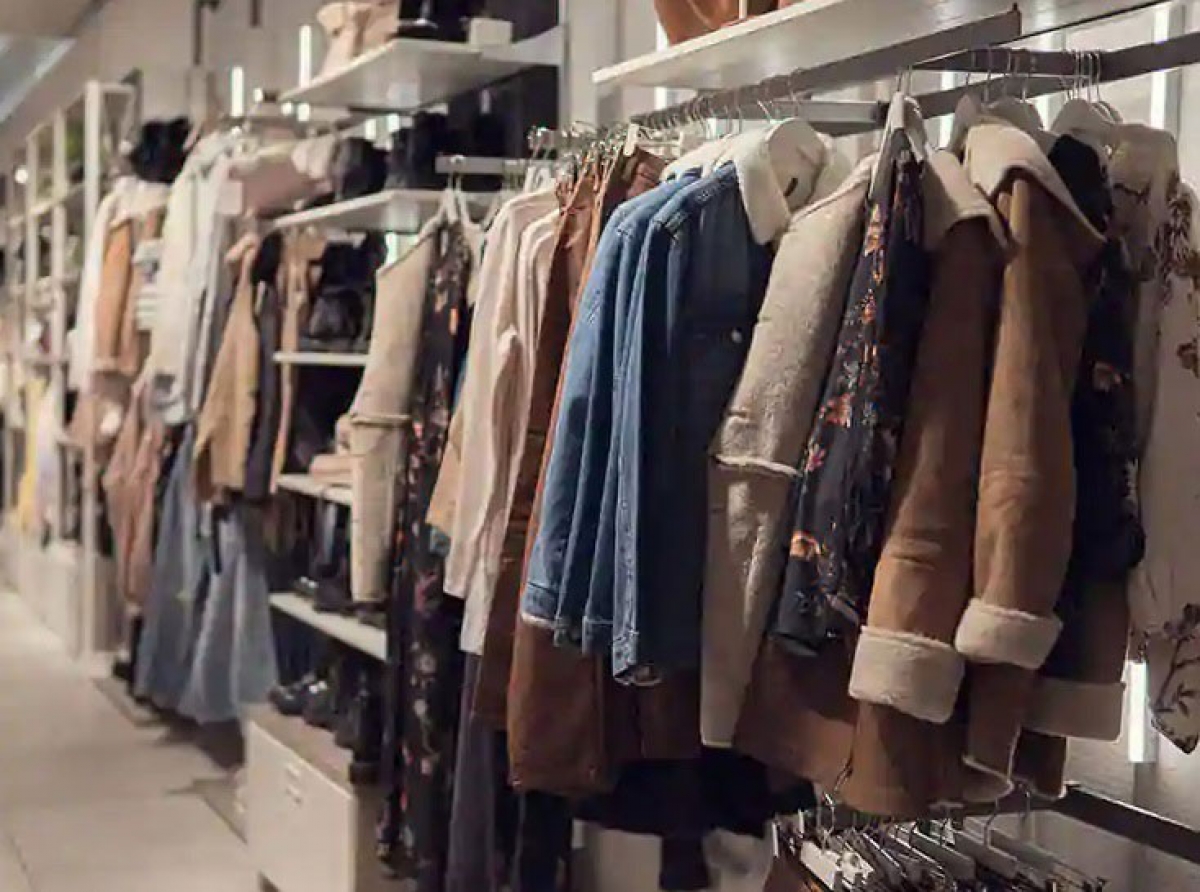
Visual merchandisers present, arrange, and display goods in shops and storefront windows, which are essential locations where buyers may view, choose, and purchase goods. The position was created in the 19th century, but it has only lately expanded and become crucial in the fashion sector.

Maintaining a store's image requires understanding how to give clothing and other items a neat, organized finish while respecting the brand's identity through a careful balancing of elements, including visual communication, aesthetics, sales analysis, and the planning of sales and promotional activities.

ALSO READ  Walmart: Kicks In Virtual Fitting Room Tool

With the growth of department shops in significant American cities in the latter half of the 19th century, window dressers became visible.

Organizing clothing and other things in the household or cultural contexts would inspire department stores to develop the first visual display strategies and the first actual window displays.

Large storefronts transformed into inspirational city screens in the 1930s, making passing allusions to the movie industry and the star system.


ALSO READ Fashion continues to dominate India’s e-commerce space with new inventions

Over the years, practical abilities and academic understanding were improved, and the conventional window dresser eventually evolved into a contemporary visual merchandiser.

It is no accident that some of the most well-known fashion designers in the world began their careers as visual merchandisers because the position calls for a variety of talents.

While working as a window dresser at Milanese department store La Rinascente, a young Giorgio Armani had his first exposure to the fashion world.

At Brooks Brothers in New York City during those same years, Ralph Lauren worked as a sales assistant, organizing merchandise with the same meticulous attention to detail that he subsequently used to layout his own stores across the world.

RELEVANT NEWS The Mills Fabrica Debuts New Visual Identity To Mark Global Expansion

A visual merchandiser requires a solid technical foundation, visual culture, creative flair, and some understanding of marketing and psychology.

A successful business display should appeal to more senses than just sight. Direct touch with clothing and textiles, smells and odors, and music selections should all be in keeping with the brand, store type, and target demographic.

The ability to analyze client behavior, however, is a crucial talent. Every Visual Merchandiser keeps track of and watches consumers using specific performance indicators and behaviors.


RELEVANT NEWS  Amazon launches virtual try-on for Shoes

Given its recent and dynamic history, visual merchandising is typically studied at specialized institutions and creative academies, which can foresee the future of a field that is turning storefront windows into soundstages for installations and performances.

The Istituto Marangoni Milano's fashion styling curriculum includes a three-year course in visual merchandise.

It begins with thoroughly examining the fashion retail industry and all factors affecting a brand's placement on sales and marketing channels. 

RELEVANT NEWS  Bespoke clothing market grows with personalized apparel production

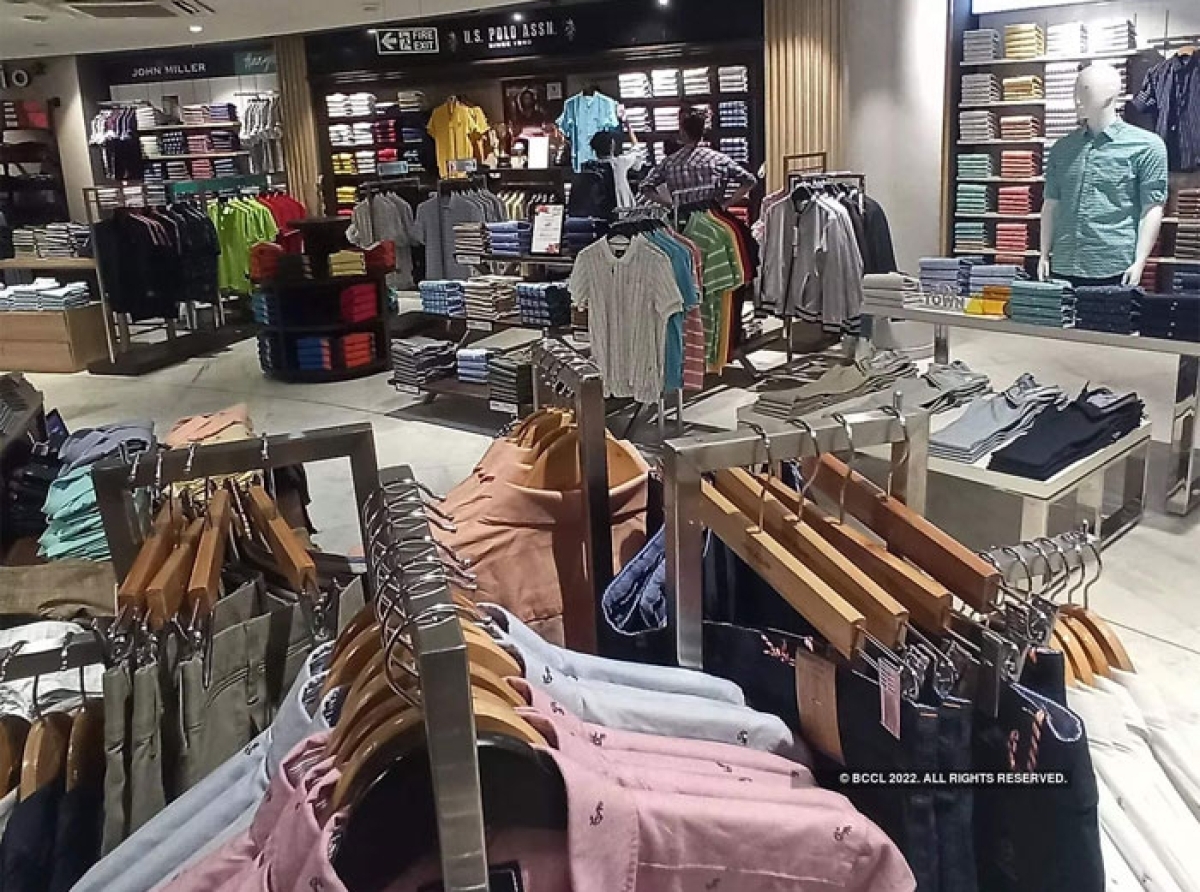
The visual merchandiser gives each product ample shelf space. 


RELEVANT NEWS  SPRING FAIR: INSPIRING RETAIL STAGE PROGRAMME FOR FEBRUARY 2022 SHOW ANNOUNCED

The items are arranged so that they are easily accessible. Signage and fixtures are to make it simple to find the products. The product is adequately stocked on display, thanks to the visual merchandiser.

Join our community on Linkedin

The Role Of Visual Merchandising In the Apparel Industry

Textile Industry & Sustainability

02 July 2022, Mumbai:

India is one of the biggest manufacturers and exporters of textiles worldwide. India's domestic textile market was worth $100 billion in 2019–20, while its growing exports were worth about $50 billion.

The Indian government gives the textile sector the tools to compete internationally, draw sizable investments, and create jobs.

In addition to being a person's basic needs, textiles have evolved into a fashion statement that generates enormous revenues for businesses in India and worldwide. The quest for sustainability and continuous strides in pursuing excellence thus unlocking value in this sector drives sustainable business models.

ALSO READ  Bridal fashion embraces sustainability with local materials and designs 

These colorful, unusual clothes do, however, have a terrible side since their hues hurt the surrounding environment. Processing textiles produces a sizable amount of wastewater, which exerts significant environmental pressure. It presents a significant chemical challenge to handle fabrics. It makes use of several ecologically scarce, non-biodegradable substances.

When handling materials, the textile industry uses a variety of colors, synthetic mixes, and helper synthetics. Around 17 to 20 percent of all current water contamination, according to World Bank assessments, is purely due to coloring and finishing patterns. 


ALSO READ  As Sustainability Concerns Increase: Organic Apparels Acceptance Grows

It is said that about 72 different hazardous synthetics are exclusively found in water to color patterns.

The industry is like a two-edged sword, requiring intense monitoring and adherence to regulations to lessen its adverse environmental effects.

The goal of incorporating sustainability into the textile business is to establish thriving ecosystems and alliances through initiatives like raising the value of local goods and produce, cutting waste, and lessening the damage that production and consumption do to the environment.

RELEVANT NEWS  BGMEA President mentions the impressive progress of RMG industry in terms of sustainability 

Leading Indian firms have made significant progress in integrating sustainability into the value chain of the textile manufacturing industry. Many have focused on input management rather than only tailpipe management as a preferred approach to sustainability. The business regards cotton as a crucial ally.


RELEVANT NEWS  The Woolmark Company: New online course on sustainability & wool 

By implementing the Regenerative Organic Farming technique to expand their sustainable cotton portfolio, they are creating a sustainable ecosystem from farm to fabric.

As steadfast friends, they ensure sustainable manufacturing energy, its suppliers, and regulators. They are combining biomass supplies with solar roofing to make their energy mix more environmentally friendly.

RELEVANT NEWS Forever New unveils new sustainability campaign

Some businesses are incorporating sustainability and circularity into every aspect of their supply chain, including trash recycling and the procurement of raw materials.

They focus on pre-and post-consumer waste as they transition from linear to circular operations.

By using recycled LDPE in place of virgin polyester for packaging, they are committed to plastic recycling. By recycling industry waste and using textile scrap, they also consume less plastic.


RELEVANT NEWS  HKRITA Webinar – Hong Kong’s Innovative Solutions to Sustainability Challenges in Fashion Industry

The Indian government is undertaking various programs and measures to advance the textile sector. One of the Ministry of Textiles' main plans is to create Mega Investment Textile Parks.

This plan will provide a top-notch infrastructure with plug-and-play capabilities to enable international exporting champions. This project would make India a popular destination for domestic and foreign divers looking to enter the textile and apparel industries.

Over three years, the government plans to build seven textile parks. Increased production and export of Indian technical textiles are the goals of the recently introduced Production Linked Incentive plan.

Join our community on Linkedin

Textile Industry & Sustainability

Latest Publications

Image

Join Our Group

Join Our Group