All Stories

D2C brands: Transforming Retail Scenario

26 July 2022, Mumbai:

Emerging retail paradigm driving retailers to reimagine 

Consumers across the globe adapted online shopping during the COVID period. They began trusting the e-commerce market that exploded with delivery platforms and marketplaces witnessing new-user growth of 50%.
Today's millennial consumer is informed, picky & needs research underpinning, and is outcome-driven with macro-economic factors undergoing a sea change in recent years.

The dynamic consumers in the face of continuous disruption are the key drivers transforming the trade landscape presenting a new paradigm of, opportunities & challenges as the new norm.

D2C Brands In India

Studies indicate that the decade 2021-2030 will see D2C brands like Clovia, Atomberg, Furlenc attract significant attention and investments as they keep growing. The market thrives with the launch of super apps Driven by Gen Next entrepreneurs, the current D2C market in India is thriving with the launch of super apps by big companies like the Tata group and Reliance Group.

In fact, big players are in the frays, for example, the Aditya Birla Group is looking to set up a new subsidiary for building a portfolio of New Age, digital brands (D2C brands) across fashion, beauty, apparel, and allied lifestyle segments.

d2c brands news:

Studies indicate that the decade 2021-2030 will see D2C brands like Clovia, Atomberg, Furlenc attract significant attention and investments as they keep growing.

KPMG India reports that there are more than 800 D2C brands in the country today. The D2C sector is worth $44.6 billion currently, projected to touch $302 billion by FY 2030. Further to one of the Financial Express reports," The latest report reveals that D2C brands are estimated to be $60 billion industry by FY27, registering a CAGR of about 40%.".

Driven by Gen Next entrepreneurs, the current D2C market in India is thriving with the launch of super apps by big companies like the Tata group and Reliance Group. In fact, big players are in the frays, for example, the Aditya Birla Group is looking to set up a new subsidiary for building a portfolio of New Age, digital brands (D2C) across fashion, beauty, and allied lifestyle segments.

TATA Group forays into Super App

It has launched the ‘House of Brands’ business, TMRW to roll out and back digital businesses. TMRW is looking to create a portfolio of fashion and lifestyle brands by acquiring and incubating over 30 brands in the next three years.

The format also enables multiple founders to operate within its ‘house of brands’ platform that shares a common vision and capabilities, as shared by the company. Meanwhile, startups like Globalbees, Mensa Brands, Thrasio, Good Glamm Grup, and GOAT Brand Labs will join ABRFL to build a new brand portfolio, says Ashish Dikshit, Managing Director.


Boosting brand-customer relationships

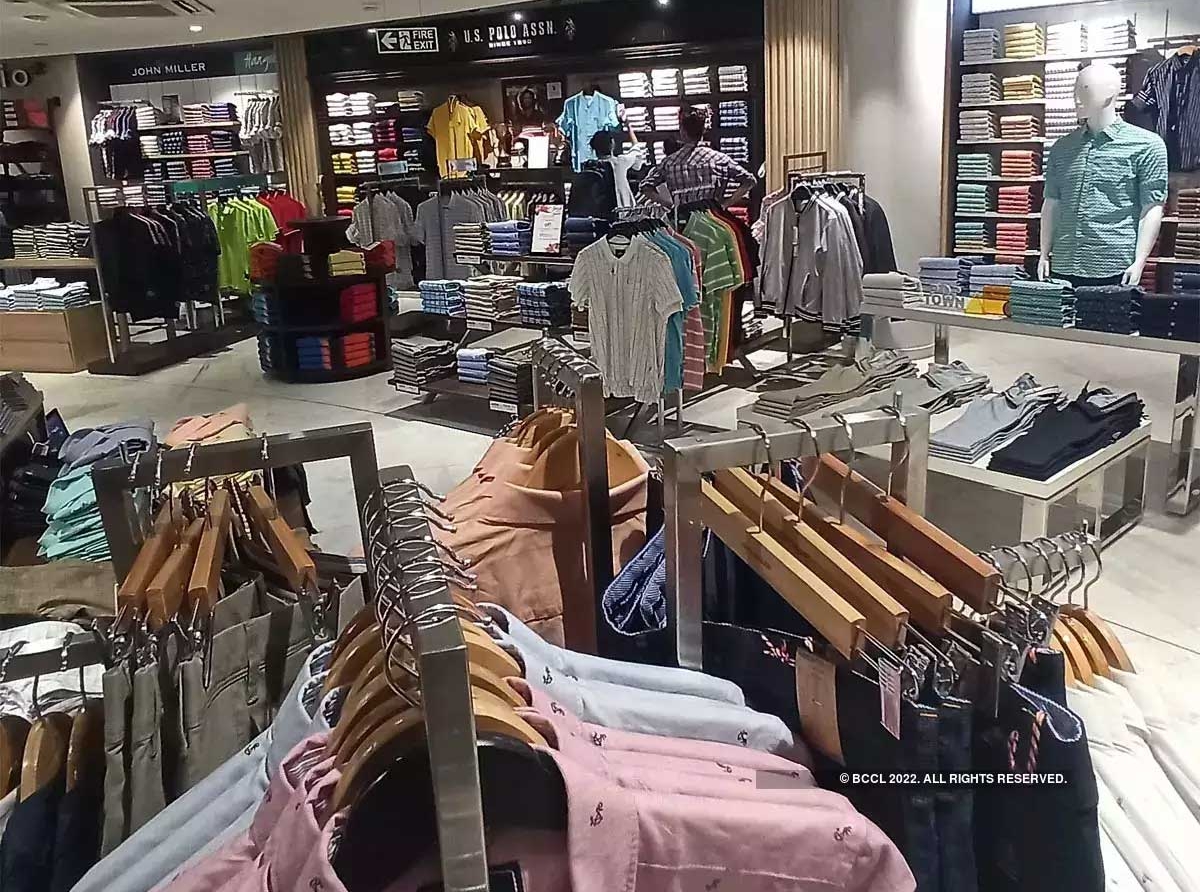
D2C fashion brands serve customers across all marketing channels. This model does away with any middleman barriers such as wholesalers, retailers, or distributors and offers better prices and faster delivery times with higher profits. D2C also enables fashion brands to utilize new technologies to boost brand-customer relationships and bridge the supply-demand gap.

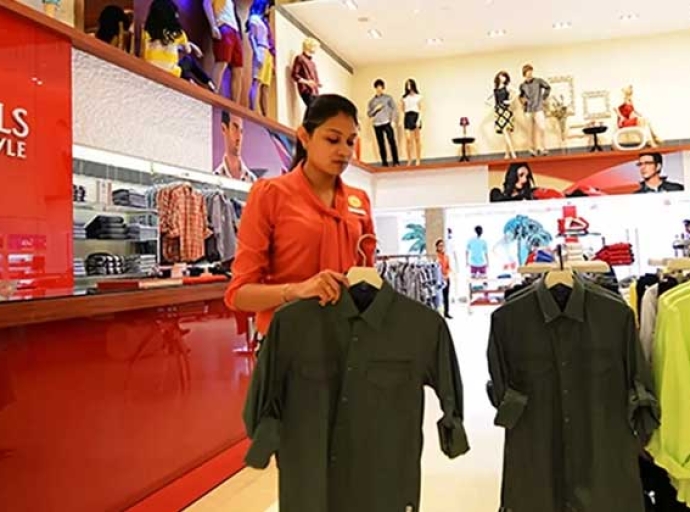
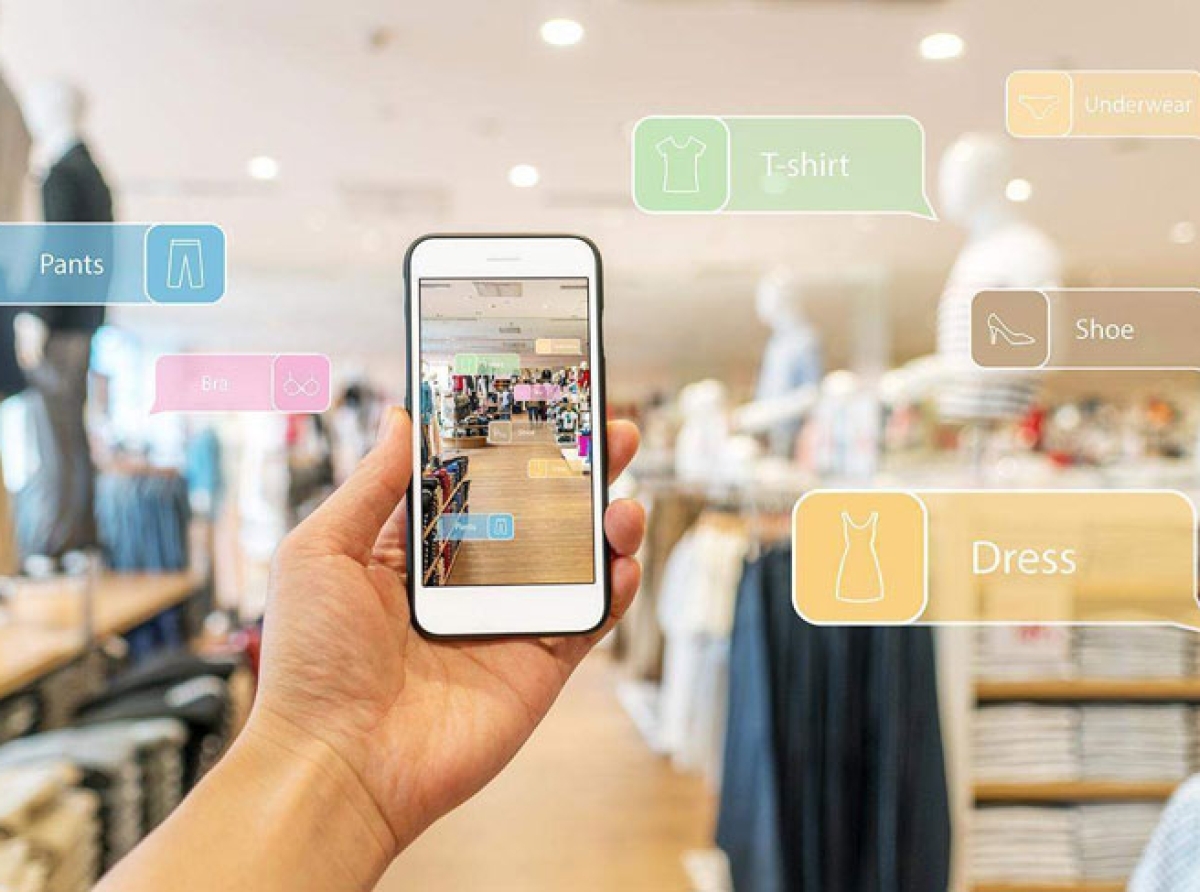
For example, the digitally immersive store introduced by premium lifestyle brand Van Heusen helps enhance the fit and fashion experience of shoppers. 

RELEVANT NEWS D2C player Cloudtailor goes offline

Adopting omnichannel strategies to boost engagement

To reach their target consumers, D2C brands are leveraging the services of social media influencers. They are also adopting the omnichannel model to boost brand engagement and encourage repeat purchases with long-term loyalty. Many new small and medium-size D2C players are entering the apparel retail segment. However, only a few have the resources, and detailed know-how to invest in design development, team building, raw material sourcing, and manufacturing. 

Eastman Brands, the division of Eastman Exports Global Clothing, Tirupur has introduced the ‘White Label’ concept for the apparel segment, D2D (Design-to-Delivery) and D2C (Direct-to-Consumer).

The concept allows a product or a service produced by one company to be rebranded by the other companies to make it appear as if they have made it.


RELEVANT NEWS  India’s retail scenario transforms with the arrival of D2C brands


Helps brands launch new products

Stakeholders believe the D2C brands segment enables new retailers or brands and labels to launch their products as no big product development, lead times, and investment is required. S Kannan, the CEO, of Eastman, explains, that the ‘small order quantity concept is going to be a massive business in the next few years and the company is trying to cater to this segment as soon as possible

Ensuring small orders remains a problem for nearly all brands and start-ups and for that they keep searching for manufacturers/vendors who can support them, and work with small factories which are ready to take small quantities.

Product category also matters in the case of smaller orders like Bewakoof.com which focuses on T-shirts since it is comparatively easy to source and has fewer issues like fit. The brand works with a few vendors having 50 stitching machines.

Market to reach $100 billion by 2026
D2C brands in India sector are expected to be the biggest drivers of the retail market in India with their size expected to reach $100 million by 2026. In 2021, these brands clinched around 174 deals to raise $1.81 billion in capital.

This not only resulted in the creation of thousands of new brands but also gave enablers and digital sellers new growth opportunities by launching disruptive models such as e-commerce roll-ups, houses of brands, etc.

Join our community on Linkedin

D2C

USFIA: Speaks Out in Favor of Removing 301 Tariffs

22 July 2022, Mumbai:

USFIA Speaks Out in Favor of Removing 301 Tariffs on Apparel, Home Textiles, and Footwear.

Today the U.S. Fashion Industry Association joins other retail and fashion industry groups who are speaking out about the pernicious impact of the Section 301 tariffs on both the American fashion industry and American consumers.

Our message is clear -- Americans, not China, are the losers here. American businesses and consumers have paid more than $145 billion in extra tariffs that have not discouraged the behavior that triggered the original 301 investigation.

ALSO READ  China loses 2nd biggest export market tag for "Indian Cotton Yarn"


Tariffs are a direct, regressive tax on the American consumer—it affects consumers at all income levels, from the single parent struggling to make ends meet as they purchase back-to-school necessities for their kids, to the consumer of high-end fashion manufacturing in the United States, and every American family in between.

However, the average low-income U.S. household spends a higher portion of its income on apparel and footwear than wealthier Americans, meaning that tariffs on apparel and footwear have hit struggling families more than anyone else. For example, the tariff on a cashmere sweater is 4%, while the tariff on a lower-cost acrylic sweater is 32%.


ALSO READ China Penalty Tariffs on Finished Textiles & Apparel 

In USFIA’s statement, we highlight the fact that these tariffs have negatively impacted the American jobs created by American brands and retailers. Trade supports high-quality, high-paying jobs, but these tariffs have discouraged America’s most innovative and iconic brands from hiring due to the increased sourcing and production costs.

These tariffs have also not encouraged a large-scale shift out of China as companies diversify their sourcing base. China is the leading textile supplier of fabrics and accessories in the world and there are currently no realistic options for sourcing destinations that can viably replace China entirely.

RELEVANT NEWS  Anti-China Sentiments: Indian Textile Sector Is In A Sweat-spot 

We also rebut the claims that removing these tariffs will hurt U.S. workers and do nothing to fight inflation. This is the predictable response of protectionists and ignores the reality of the situation.

Rather, we agree with U.S. Treasury Secretary Janet Yellen that tariffs increase domestic prices and raise costs to consumers and businesses due to higher cost inputs and that lowering U.S. and Chinese tariffs could help ease inflation.


RELEVANT NEWS How Real Is the Shift Of Apparel Orders From China To Vietnam

Secretary’s Yellen’s observations are supported by the U.S. Congressional Budget Office, which estimated that the tariffs would cost the average American household nearly $1,300 in 2020 alone, and by a recent study from the Peterson Institute for International Economics, which found that cutting the Section 301 tariffs would directly correspond to a reduction in the consumer price index. 

RELEVANT NEWS Covid Induced Supply Chain Constraints Of China And Its Impact On the Textile Sector

According to the 2022 USFIA Benchmarking Survey, which was released earlier this week, increasing production or sourcing costs are the #1 business challenge facing the U.S. fashion industry in 2022. Removing these tariffs would help both American consumers and businesses at a time of extreme inflation.


RELEVANT NEWS  (China + 1) Strategy: Driving Global T&A Supply Chains

These tariffs have done nothing to solve China’s Intellectual Property (IP) policies and practices.

From the experience of USFIA member companies (who source and sell products around the world, including and especially in China) the best way to address these concerns is action at the multilateral level that includes other global trading partners – and USFIA’s member companies are no stranger to IP violations.

Let’s find a solution that does not use American companies and American families as hostages to outmoded protectionist ideas.

Join our community on Linkedin
USFIA: Speaks Out in Favor of Removing 301 Tariffs

China Penalty Tariffs on Finished Textiles & Apparel

22 July 2022, Mumbai:

China Penalty Tariffs on Finished Textiles & Apparel Give U.S. Companies a Chance to Compete and are a Powerful Trade-Negotiation Tool, NCTO Tells U.S. International Trade Commission.
Section 301 penalty tariffs on finished Chinese textile and apparel imports give American manufacturers a chance to compete and provide trade officials with an essential trade negotiation tool, the National Council of Textile Organizations (NCTO) told a key government panel today in a formal written submission.

Removing them, the association said, would reward China, put U.S. manufacturers at a competitive disadvantage and do nothing to reduce inflation.

ALSO READ  China loses 2nd biggest export market tag for "Indian Cotton Yarn"

Those were among the key points outlined by NCTO President and CEO Kim Glas in a written testimony submitted to the U.S. International Trade Commission during three days of hearings on the economic impact of Section 301 China tariffs and Section 232 steel tariffs on U.S. industries.


ALSO READ Russia: As western fashion businesses pull out it looks to China & India

The 301 penalty tariffs should be maintained “absent substantive improvements in China’s pervasive, predatory trade practices,” Glas said in her testimony.  China’s illegal actions “have put U.S. companies at a serious disadvantage, and tariffs give American manufacturers a chance to compete.”

Glas noted that U.S. trade officials have “stressed that the penalty tariffs also create leverage and are a ‘significant tool’ in ongoing negotiations with China.”

RELEVANT NEWS  Anti-China Sentiments: Indian Textile Sector Is In A Sweat-spot 

While some advocates for lifting the tariffs point to concerns about inflation, Glas said, “canceling these penalty duties would do little to ease Americans’ inflationary pains.” She also noted that “apparel prices out of China continue to hit rock bottom even with the Section 301 tariffs in place.

As detailed in an economic study recently released by Werner International, U.S. import prices for apparel from China have dropped 25 percent since 2019 and 50 percent since 2011.”


RELEVANT NEWS How Real Is the Shift Of Apparel Orders From China To Vietnam

Glas also warned that lifting the tariffs would have “a substantial negative ripple effect” on U.S. free-trade agreements, including undermining those with Western Hemisphere partners that have established shorter coproduction supply chains and serve other U.S. and regional interests.

The Section 301 tariffs were first imposed in 2018 in response to China’s persistent violations of intellectual property rules. By law, they are now under review. 

RELEVANT NEWS Covid Induced Supply Chain Constraints Of China And Its Impact On the Textile Sector

NCTO represents the full spectrum of the U.S. textile industry, from fibers to finished sewn products.

NCTO is a Washington, DC-based trade association that represents domestic textile manufacturers.


RELEVANT NEWS  (China + 1) Strategy: Driving Global T&A Supply Chains

U.S. employment in the textile supply chain was 534,000 in 2021.
The value of shipments for U.S. textiles and apparel was $65.2 billion in 2021.
U.S. exports of fiber, textiles, and apparel were $28.4 billion in 2021.
Capital expenditures for textiles and apparel production totaled $1.85 billion in 2020, the last year for which data is available.

Join our community on Linkedin
ncto

Indian Textile Industry: Will India Miss The Boat Again

21 July 2022, Mumbai:

“Way forward for Indian textile sector is companies are required to go vertical augmenting scope & scale by foraying into apparel manufacturing plants/value addition if Indian textile sector were to raise its market share in the global textile trade deeply integrating into supply chains”, Mr Sanjay Lalbhai, doyen of the Indian textile industry and CMD of Arvind Ltd informed delegates at one of the conferences.

From fibre, yarn, and fabric to garments, India's textile and apparel industry has strengths along the whole value chain. The traditional handloom, handicrafts, wool, and silk items, as well as the organised textile industry in India, constitute a large portion of the widely diversified Indian textile and apparel market.

The organised textile sector in India, which encompasses spinning, weaving, processing, and garment production, is characterised by the employment of capital-intensive equipment for the mass production of textile items.

ALSO READ  Indian Textile Industry: Challenges & Opportunities

From April 2016 to March 2021, Italy, Japan, Mauritius, and Belgium will have contributed the most foreign direct investment (FDI) to India's textile industry (including dyed and printed textiles).

India's textile and apparel (T&A) exports, which include handicrafts, reached a record high of $44.4 billion in FY 2021–22, a significant rise of 41% and 26% over the corresponding amounts in FY 2020–21 and FY 2019–20, respectively. 40–50 million workers in related industries as well as 5.8 million farmers depend on cotton cultivation.

Additionally, the $75 billion in domestic consumption was broken down into $55 billion for garments, $15 billion for technical textiles, and $5 billion for home goods. 


ALSO READ  Anti-China Sentiments: Indian Textile Sector Is In A Sweat-spot 

While exports included $12 billion in garment exports, $4.8 billion in home textile exports, $4 billion in fabric exports, $3.8 billion in yarn exports, $1.8 billion in fibre exports, and $2 billion in other exports. 

RELEVANT NEWS  How Much Is Depreciated Currency Supporting the Indian Textiles Sector

The Production-Linked Incentive (PLI) Scheme in Textile Products for Improving India's Manufacturing Capabilities and Improving Exports - Atmanirbhar Bharat - has received approval from the Union Cabinet, which is presided over by Prime Minister Shri Narendra Modi.

1. Out of 67 applications filed, 61 applicants have been granted approval under the Production Linked Incentive (PLI) Scheme for Textiles.

2. The government eliminates the import tax on cotton.

3. The programme consists of two parts. Part 1 requires a minimum investment of INR 300 crore and a minimum turnover of INR 600 crore to qualify for an incentive. Part 2 requires a minimum investment of INR 100 crore and a minimum turnover of INR 200 crore to qualify for an incentive.


RELEVANT NEWS Vietnam To India: How Can the Indian Textile Sector Benefit 

It makes sense that Vietnam and Bangladesh, which export more textiles than China alone, are third and fifth, respectively, in the current World Trade Organization data assessment. India's exports have decreased 20% from 2016–17, reaching $29 billion in 2020–21, according to the Ministry of Commerce.

According to Wazir Advisors, the domestic market has decreased 30% in the last year, to $75 billion in 2020–2021; the firm predicts that the market will increase to $190 billion in 2025–2026. 

RELEVANT NEWS  Srilanka Economic Crisis & Its Favourable Impact On the Indian Textile Sector 

Growth is essential since the textile industry employs about 45 million people and provides between 2 and 3 percent of India's GDP, 7 percent of industrial output, and 12 percent of export revenues.


RELEVANT NEWS 6. How Favourable Is Rupee's Precipitous Fall For Indian Textile Sector 

In order to support its growth, the government unveiled a Rs 10,683 crore production-linked incentive scheme in September. Its goal is to boost the production of technical textiles, which are used to create items like sportswear, fishing nets, and disposable medical equipment.

Manufacturers have the option of investing either at least Rs 100 crore or at least Rs 300 crore and achieving a turnover that is at least twice as large comparisons.

A quick comparison with competing global apparel manufacturers in the developing world mirrors that the problem is quintessential to our internal conditions and then external factors.

This “shrinking global trade” argument has been made many times before too as an excuse for justifying India’s Textile trade & commerce below par performance in the exports.

Join our community on Linkedin

Textile

Rupee@80: The Tale Of the Indian Textile Sector

23 July 2022, Mumbai:

As the rupee plummeted to a new low of breaching 80 per dollar last week, exporters expected the weakening domestic currency to help a wide range of industries, particularly labor-intensive ones like textiles and apparel, agriculture, footwear, and handicrafts — where margins are typically tight and services industries like IT.

According to a Business Standard report, Textile industry players are buoyant that the weak rupee will help the trade & commerce, which is a net exporter, to the extent of a 5-10% likely rise in profit margins albeit in the same breath trade pundits opine that for some the joy may be short-lived gains may not be lasting & enduring. 

Since over 44% of the foreign loans obtained by Indian enterprises were unhedged, some smaller and mid-sized companies are anticipated to experience tough times as the Indian rupee remains around its lowest level relative to the US dollar.

The Reserve Bank of India's statistics indicates that Indian businesses raised about $38.2 billion during the fiscal year that ended in March. Only 56% of these loans are hedged, and the remaining foreign loans are left unprotected, exposing the companies to the risk of currency volatility.

The general trade belief in the textile sector is that the falling rupee will help enhance India’s competitiveness @ the global marketplace leading to increasing the export of textiles.

Albeit there is a greater need to pay the attention to the context against the movement in the currency of the country we are competing with for a realistic understanding.

ALSO READ How Favourable Is Rupee's Precipitous Fall For Indian Textile Sector

There may be natural cover in foreign exchange revenues for some of the unhedged loans. According to experts, the rupee is predicted to weaken much more this year due to the massive maturity of foreign debts. Therefore, Indian enterprises will have to take cover immediately or book losses.

"While the exporting businesses, particularly those that export software, will benefit from the weakening rupee, the importing companies—if they maintained their unhedged positions—may suffer substantial financial consequences.

However, no significant corporation will permit them to retain their foreign exchange liabilities unhedged, especially given the unstable geopolitical environment brought on by the Russia-Ukraine war, according to Prabal Banerjee, an international finance specialist.


ALSO READ  Falling Rupee: Increasing Exports 

According to him, smaller and mid-sized businesses that wish to save costs take out unhedged loans. Foreign loans, also known as external commercial borrowings (ECBs), have become a significant source of funding for the Indian corporate sector.


In addition to providing a relative cost advantage due to persistently low global interest rates, it supports both the country's demand for credit and its economic expansion. As per surveys by the Bank of Baroda, ECBs currently make up a sizable portion of India's external debt, accounting for 36.8% as of December last year. 

RELEVANT NEWS  Indian Apparel Exports: An Overview

The majority of the rated corporations, according to rating agency Moody's, have safeguards in place to reduce the impact of currency changes.

These include natural hedges in revenue and costs with US dollar denominators or links, certain US dollar financial hedges, or a combination of these elements. These assist limit the adverse effects on cash flow and leverage, even in the case of a more severe depreciation scenario.


RELEVANT NEWS How Much Is Depreciated Currency Supporting Indian Apparel Exports

According to Moody, over half of the 23 India-based companies it rates have natural hedges that lessen their exposure to rupee weakness.

Corporate executives claimed that a weak rupee increases the landing cost of imported goods, allowing domestic producers to hike prices. Despite the recent decline in metal and oil prices due to recessionary concerns, these benefits will be negated by increased currency volatility due to rising interest rates. 

RELEVANT NEWS Covid Induced Supply Chain Constraints Of China And Its Impact On the Textile Sector

"To control inflation, the central bank had to increase repo rates several times. The cost of interest for businesses has gone up as a result.

"Additionally, companies like ours have payments and receivables in dollars. "This is because 50% of our revenue comes from foreign markets.


RELEVANT NEWS   Indian Textile Industry: Will India Miss The Boat Again

The engineering major is not the only business considering these tactics to reduce the risks associated with commodities and currencies.

Firms in the infrastructure, capital goods, and cement sectors must use outward and inward covers to safeguard margins from currency fluctuation.

Analysts claim that smaller players have challenging hurdles as costs rise, increasing the amount of working capital they need.

However, for the gains to materialize, the rupee must stabilize at a depreciated level in the international market. 

However, the genuine concern is that country could lose the currency edge as the peer currencies are also under constant pressure i.e. currencies of its competitors devaluate proportionately.

By economists' estimates In the last 10 months, the rupee's exchange rate with the dollar has fallen 8.7%, from 73.6 to 80, and sectors like textiles as per insiders operate at a wafer-thin ballpark margin of 2-3%, therefore depreciation in the rupee makes a real difference.

Join our community on Linkedin

RBI

Apparel 4.0: Crush or Myth

21 July 2022, Mumbai:

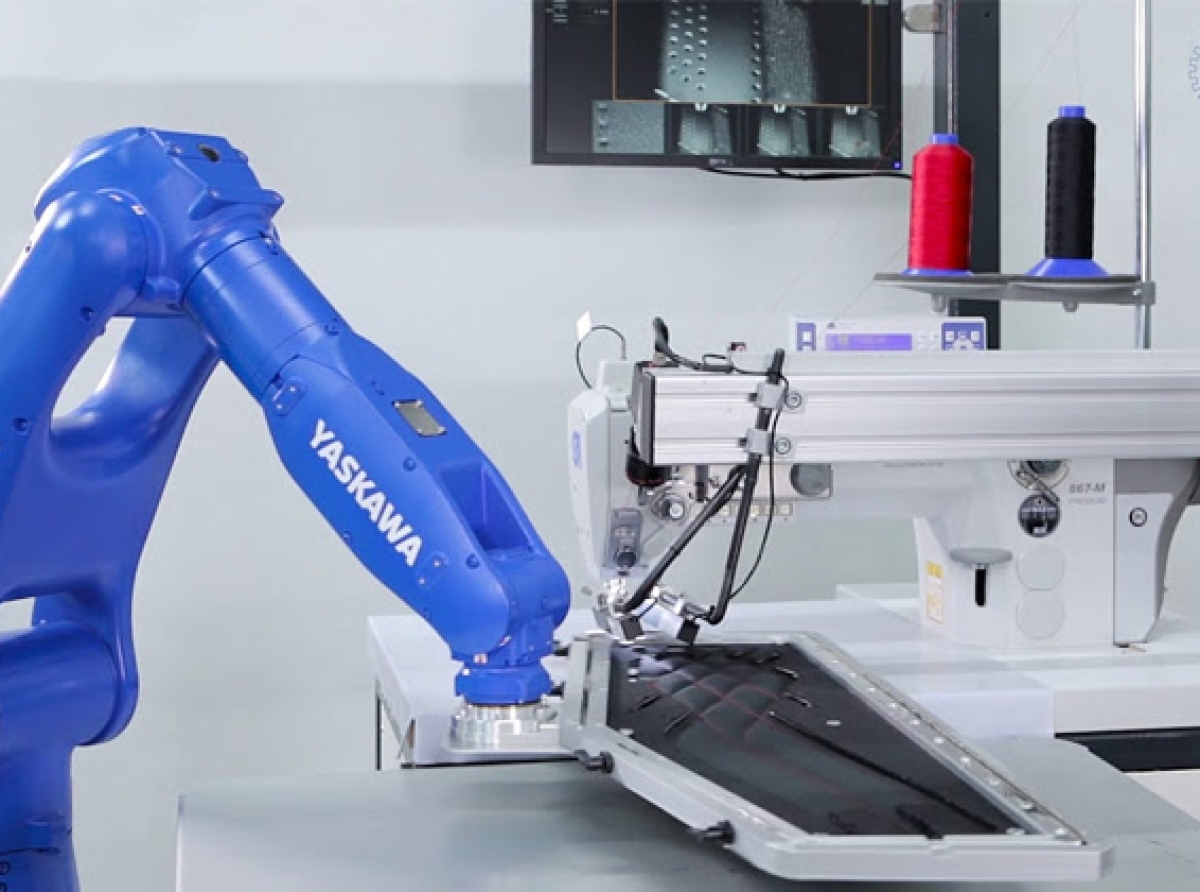
Apparel 4.0 involves many new technologies like the internet of things (IoT), cloud computing, Big Data, etc.

Where apparel 1.0 starts with a mechanical weaving loom industrialization, apparel 2.0 marked its significant presence when Isaac Singer patented the first sewing machine in 1851.

ALSO READ The emergence of industry 4.0 technologies in 'Textiles & Apparels'  

The effect of this stage in the apparel and clothing division is that the sewing machine began to be formed successively. The cloth production and its consumption increased impetus by this stage. Far along, sewing machines started to be cast- off in further production areas, such as shoes. After a very long interval of time in 2002, Apparel 3.0 came into the picture, once ICT progressed in the industry.

The evolution from analog to digital technology was accomplished using integrated systems found in the developments in fiber optics cables, microprocessors, telecommunication domains, and software domains.


ALSO READ Best 10 Apparel Factories In India 

Now in the 2020 era, Apparel 4.0 technologies tangled the internet of things (IoT), cloud computing, Big Data, autonomous robots, three-dimensional (3D) printing, augmented reality, virtual prototyping, horizontal and vertical system integration, and cyber-security.

Apparel 4.0 is perceived by people with its implementation, such as a reduction in energy consumption of around 15%, an increase of up to 25% in work efficiency, more assertive decision-making, improvement of processes, and balance between life and work.

Within the context of this revolution, cyber-physical systems and the Internet of Things (IoT) can interconnect with everyone and persons in real-time. 

RELEVANT NEWS How Will The Future Smart Apparel Factories Look! 

It is high time Government looks into these 'Apparel 4.0 as Industry' technologies as high-priority sectors and creates world-class technology companies that will make India truly "Atmanirbhar" and bring foreign currency on export.

Some strategic actions taking place in some countries and in Brazil, the adoption rate is 29% for this sector.

At the same time, India is the fifth largest textiles and Apparel exporter globally. Influential supplier firms may be well-positioned to invest in and benefit from automation through more than ten consistent quality, improved efficiency, and environmental sustainability.

In addition, automation might aid in satisfying consumer demand for customized goods. However, several obstacles to automation are also there.

The first relates to remaining technical bottlenecks that prevent the automation of apparel and footwear assembly. Economic impediments are also associated with high technology costs in an industry with tight margins and, sometimes, fleeting supplier-brand relationships. 


RELEVANT NEWS Vietnam Apparel Industry's Best Practices

The first relates to remaining technical bottlenecks that prevent the automation of apparel and footwear assembly. Economic impediments are also associated with high technology costs in an industry with tight margins and, sometimes, fleeting supplier-brand relationships.

Another obstacle concerns the workforce and shifting skills needs. Also, the future skills in the opportunity of Apparel 4.0 are comparatively new. Hence, the scarcity of experienced workforces in these technologies is an unadorned limitation.

RELEVANT NEWS  FICCI Industry 4.0 awards & national conference on 5th May

The end is to get the product in the hands of the customer as quickly as possible at a reasonable cost.

I believe the environmental aspect will be the biggest driver for new technologies and automation in our industry.

I would say that automation is at a very beginning stage in apparel due to the fabric's nature, which is flimsy and not so rigid; it is very hard. The most significant disadvantage of automation today in our setup is that there is a borderline to how flexible it is. 


RELEVANT NEWS Bangladesh is back to being the world’s second-largest apparel exporter: Export Promotion Bureau (EPB) report

You will meet automation challenges requiring a different workforce to help you on the software and maintenance sides of these automated lines.

There are many opportunities to look at small, low-cost devices that assist the worker in doing part of the job.

I do not think it is about reducing the workforce.

It is about increasing the output with the workforce that you have.

CREDITS: Mr. Sumit Kumar and Dr Deepak Mehra, Assistant Professor (NIFT, Bhubaneswar)

Join our community on Linkedin

Apparel4.0

The Market Size Of Celebration Wear In Indian Apparel Space

17 July 2022, Mumbai:

During festivals, one of the ideal times for fashion designers to exhibit their artistic and creative notions via the most recent fashion trends and consumer purchasing behavior in India. Festivals are built on culture and provide a venue for honoring diverse facets of existence. They provide passion, joy, and sparkle to our lives.

Now is the time to enjoy special moments with loved ones and friends while embracing current fashions. Festivals do affect our wardrobe preferences and shopping behaviors in India. The celebrations are all religious.

ALSO READ  First week online festival sales in India rise by 23%: RedSeer Consulting 

Each tradition's beauty and importance come to life in its celebrations. There are many possibilities to participate in celebrations when one is a member of the Indian culture. Due to cultural variety, each event may be grandly and magnificently observed.

Festivals affect fashion since they offer the best opportunity to try out novel ideas and trends. What about Indian celebrations inspires individuals to dress traditionally? Indians hold their culture and traditions in the highest regard and deeply respect them.


ALSO READ Reliance Trends to launch shopping festival offering heavy discounts

Festival dress is an expression of love, respect, and appreciation for one another and a nod to the long-standing customs that have been passed down through the generations since the beginning of time.

Such attire gives off a distinct historical and cultural atmosphere that makes each wearer proud while making them appear lovely and fashionable.

In India, we embrace traditional or ethnic clothes, which influences our clothing choices and, by extension, our shopping habits. Near holiday seasons, the newest men's and women's fashion is best displayed. 

RELEVANT NEWS Flirtatious, swimwear brand celebrates launches new logo 

Since fashion firms announce their newest collections around holidays, celebrations play a significant role in forming fashion trends. Festivals are a component of fashion, and they influence upcoming trends.

These are the kinds of events that everyone wants to mark elegantly and attractively. In celebrations all around India, people dress up in modern clothing with ethnic overtones. Several events offer chances to test out fresh looks and fashions. Festivities like Baisakhi, Durga Puja, Diwali, Pongal, Eid, and several others are celebrated while dressed traditionally.

It permits experimentation and imagination while coming up with outfit ideas.


RELEVANT NEWS StyleOff: Promise to bring best quality products from all styleoff categories at affordable price

Whether purchased online or at a store, festive clothing is highly fashionable and attracts attention. It changes Indian customers' buying patterns. As celebrations get closer, demand for clothes drastically changes as festivals take over as the primary driver of garment purchases. Since everyone is experimenting with various colors, jewelry, and ethnic possibilities at this time, the fashion sector is particularly active.

However, as fashion tastes shift, casual ethnic dress has become the favored choice as time passes. Ethnic clothing, including salwar-kameez, kurtas, palazzos, dhoti pants, and sharara suits, became trendy during these periods. 

RELEVANT NEWS PUMA: Celebrates This Women’s Day In A Style 

The ethnic wear industry in India was worth over Rs. 925 billion in 2018, and it is projected to grow to a staggering Rs. 1.7 trillion by the year 2023, according to Statista.

The main drivers are the recession-proof Indian wedding industry, special events, traditional festivals, and business casual/workwear. The home market, which sells ethnic wear for men, women, and children, is controlled by companies like Manyavar-Mohey, Meena Bazaar, and Neeru's. W, Fabindia, and Biba closely follow. 


RELEVANT NEWS  DLF Mall of India launches two-week 'Wedding Shopping Festival'

Additionally, these fashion companies lead the way with solid communication, intriguing fashion partnerships, and trendy clothing offered at affordable prices. Over many years, the sector has seen a change due to the explosion of ethnic wear-related online retailers and technological advancements in product development.

The trend today has changed from buying prepared clothing to buying bespoke clothing when ladies used to purchase fabric and then have their ensembles fashioned by the neighborhood tailor.

Join our community on Linkedin

The Market Size Of Celebration Wear In Indian Apparel Space

Globally China Plus One Policy, Is Indian Textile Anecdotally Gained!

22 July 2022, Mumbai:

Looking at reports from the Confederation of Indian Industry and international consulting firm Kearney, India's textile exports are predicted to increase by 81 percent to $65 billion by 2026 from the pre-Covid level of roughly $36 billion in 2019.

This growth will be supported by the global "China Plus One" sentiment. This increase will probably result in 7.5–10 million new jobs. Due to India's more deep strategic bench compared to Vietnam or Bangladesh, the paper stated that a sizable portion of this targeted growth, or roughly $16 billion, may come from the China Plus One sentiment.

"We estimate India can reach $65 billion in exports by 2020 (implying a 9-10% compound annual growth rate) with the correct measures by industry majors and vigorous execution of government programs.

ALSO READ  China loses 2nd biggest export market tag for "Indian Cotton Yarn"

The general trade belief in the textile sector is that the falling rupee will help enhance India’s competitiveness @ the global marketplace leading to increasing the export of textiles.

The aim is a $4 billion increase in fabrics by placing India as a regional fabric hub, starting with cotton wovens and extending to other subcategories. Fabrics are another critical area where growth is anticipated. The goal is to grow the global consumer base for home textiles by $4 billion using current advantages.

A $2.5 billion to $3 billion increase in sales of artificial yarn and fiber is anticipated, emphasizing expanding market share for MMF (artificial fiber) goods. On the other hand, a $2 billion increase is aimed at technical textiles through developing skills in a few key sub-segments, riding the wave of potential domestic demand growth.


ALSO READ China Penalty Tariffs on Finished Textiles & Apparel 

Covid-19 has sparked a redistribution of global trade shares and a recalibrating of sourcing patterns, China plus one sourcing, creating a golden chance for Indian textiles to perform a turnaround and recover a leadership post as a top exporting economy according to the report.

According to Neelesh Hundekari, partner and APAC Head of Lifestyle Practice at Kearney, We estimate India's textile sector should achieve an 8–9% CAGR between 2019–2026, led by domestic demand growth and a substantial rise in annual exports.

RELEVANT NEWS  Anti-China Sentiments: Indian Textile Sector Is In A Sweat-spot 

Nearly 45 million people are employed in the farming and manufacturing sectors of the textile industry.

However, the nation's recent success in international trade has fallen short of its potential. Exports decreased by 3% from 2015 to 2019 and by 18.7% in 2020.


RELEVANT NEWS How Real Is the Shift Of Apparel Orders From China To Vietnam

Glas also warned that lifting the tariffs would have “a substantial negative ripple effect” on U.S. free-trade agreements, including undermining those with Western Hemisphere partners that have established shorter coproduction supply chains and serve other U.S. and regional interests.

The Section 301 tariffs were first imposed in 2018 in response to China’s persistent violations of intellectual property rules. By law, they are now under review. 

RELEVANT NEWS Covid Induced Supply Chain Constraints Of China And Its Impact On the Textile Sector

However, other low-cost nations like Bangladesh and Vietnam have increased their market share during the same time period. The performance of India's commerce in recent times has been influenced by a number of variables.

India suffers from cost-related issues. absence of any free or preferential trade agreements with significant importers, like Bangladesh for fabrics and the European Union, United Kingdom, and Canada for garments, puts pressure on exporters' prices.


RELEVANT NEWS  (China + 1) Strategy: Driving Global T&A Supply Chains

Earning the proper return on investment is challenging because to the high cost of capital and heavy reliance on imports for virtually all textile machinery, especially given India's minor cost disadvantage.

India is less competitive than Chinese manufacturers due to longer lead times, particularly in the fashion industry.

VOCAL For LOCAL In the private talks, many industry players optimistically indicate that following the China Plus One/alternate strategy, it is highly likely at least a 20% shift of exports from that country to India, albeit the question staring at us is our internal preparedness to handle that kind of load.

Join our community on Linkedin

MadeInIndia

Impact Of Sudden Fall In Cotton Prices On Textile Sector

21 July 2022, Mumbai:

Manufacturing textiles rely heavily on cotton. As a result of declining cotton prices, which also impact yarn costs, and weakening demand from fabric producers, the textile sector is currently in a slump.

Cotton prices, which had been rising over the past six months, have suddenly reversed course and are now down 20%. Cotton's price fall has had a similar impact on yarn costs. The textile industry has reacted to this in a variety of ways.

While some industry players feel the heat, others believe their businesses will profit. They think that cotton price declines would increase profit margins for firms involved in the whole value chain.  

According to S P Oswal, Chairman of the Oswal Group, in Business Standard: "The Union Government's two and a half month ban on yarn exports had a disastrous effect on the industry. The spinning industry was forced to deal with the stock made from cotton purchased at a significantly higher price ".

Prices have been impacted by market rumors regarding the arrival of massive amounts of cotton. The prices are also being affected by the conclusion of the cotton season and the introduction of low-quality cotton to the market.

Join our community on Linkedin

CAI

Decode In Fashion Space: Disposal Income v/s Non-Discreet Spend!

16 July 2022, Mumbai:

Individuals and corporations generate income via the sale of products and services and through the investment of cash in assets like IRAs (IRAs). Pensions or Social Security are examples of additional income streams.

This money might be spent on items individuals want rather than need, or it can be utilized to pay for daily expenses and requirements. However, there are minute distinctions between discretionary and disposable income.

ALSO READ Urban consumers cut back on apparel spending amid rising inflation: Survey

This post will cover these distinctions, along with instructions on determining your discretionary income.

Knowing your discretionary income will enable you to determine your loan payback under an income-based repayment plan if you have student loans.


ALSO READ  Apparel Sector - How much is cost inflation posing a threat to volume and demand Pressure

One of the economic indicators used to assess the status of the economy is disposable income. the amount of net income that a household or person has left over after income taxes that they can use to invest, save, or spend.

The net amount you receive in your check when you get a paycheck is your disposable income. All required payments less discretionary income equals discretionary income. 

RELEVANT NEWS  Sustainable but affordable Fashion 

In the United States, a significant rise in disposable income translates into an increase in the stock market's value since stock valuation happens when there is plenty of employment and more spending.

A surge in consumer demand for products and services translates into higher production and output in the manufacturing and service sectors.


RELEVANT NEWS  E-tailer Sales: Going Strong Despite Inflation & Low Consumer Sentiment

The health  GDP of the United States depends heavily on consumer spending; when disposable income increases, households may choose to save and invest or to make purchases. 

RELEVANT NEWS  Bavincis to offer 'affordable luxury'

The average Indian consumer is currently in their mid-20s, which will impact sales, new product development, and product marketing within the fashion business. The number of working women in Indian society is also increasing due to shifting social standards.

This customer base, which enjoys financial freedom and the ability to make judgments, will be essential to the expansion of the fashion sector in India. 


RELEVANT NEWS Persistent Inflationary Forces Playing Out & Its Impact On T&A 

A further impetus for developing value-added items in the fashion industry will be rising family disposable income. The ambitions of Indian consumers will make it possible for them to go from "need" to "desire," and the rise in discretionary spending in their budgets would enable them to spend more on clothing.

Join our community on Linkedin

Decode In Fashion Space: Disposal Income v/s Non-Discreet Spend!

Latest Publications

Image

Join Our Group

Join Our Group