All Stories

Pratibha Syntex accomplishes foundational level of Supplier to Zero headed by ZDHC foundation

16th September 2021, Mumbai:

Pratibha Syntex (India), one of vertically integrated Indian Textile Units committed to a sustainable garment manufacturing/ knitted textile products ecosystem, has indicated that it has successfully accomplished the foundational level of Supplier to Zero headed by ZDHC (Zero Discharge of Hazardous Chemicals) foundation.

In a media release, it stressed unequivocally its focus on creating traceability, relationships across the entire value chain to bring cohesively together over 35,000 farmers, 10,000 employees, and celebrated global apparel brands/importers from over 20 countries. It claims to have a robust capacity to produce over 22,000 tons of lint, 28,000 tons of yarn, 10,000-ton fabric, and more than 6 million garment pieces annually.

The company is known to be a compliant organization having an array of certifications required for sustainable business practices, which include Zero Liquid Discharge, ISO 14001, SA 8000, Fair Trade, WRAP, OCS, GOTS, C2C- Gold Certification, Global recycled Standards, BCI and Bluesign and distinctively stands out in the Indian Textile sector to be of the few most sustainably progressive global units.

Sustainable development - Wikipedia


Watch YouTube: https://www.youtube.com/channel/UCnQ6v9wBHyOlRPSDgJMsJaA

Pratibha Syntex accomplishes foundational level of Supplier to Zero headed by ZDHC foundation

(NIFT) mandated by MoT undertakes: “IndiaSize - National Sizing Survey of India”

14th September 2021, Mumbai:

National Institute of Fashion Technology (NIFT) mandated by Ministry of Textiles undertakes: “IndiaSize - National Sizing Survey of India”

                                                                                                 National Institute of Fashion Technology - Wikipedia

Global brands are missing out because of this oversight

It is hard to believe but is the truth of the day is that a country as big as India with a population of almost 1.4 billion people was totally ignored when it comes to sizing as little seriousness was attached to this initiative.

General delectable consumers perception goes like this," western fashion brands available in malls and shops may not necessarily be best fit to our users. Often they are too tight in some areas and too loose in others. It is where local brands are preferred in many cases as apparently they have struggled to have successfully cracked the sizing code.

India to have body size chart by 2021, survey to measure 25K Indians in 6  cities | Fashion Trends - Hindustan Times

“IndiaSize - National Sizing Survey of India”, the Indian government’s ministry of textiles is taking up an extensive anthropometric research study well intended to develop a holistic body size chart for the Indian population.

The ministry’s National Institute of Fashion Technology (NIFT) based in New Delhi has already been mandated with the project that will involve gathering anthropometric comprehensive data from more than 25,000 gents and ladies between 15 and 65 years of age Pan-India using 3D whole body scanning technology approach & methodology.


Watch YouTube: https://www.youtube.com/channel/UCnQ6v9wBHyOlRPSDgJMsJaA

(NIFT) mandated by MoT undertakes: “IndiaSize - National Sizing Survey of India”

FabIndia re-opens its first store In New Delhi

15th September 2021, Mumbai:

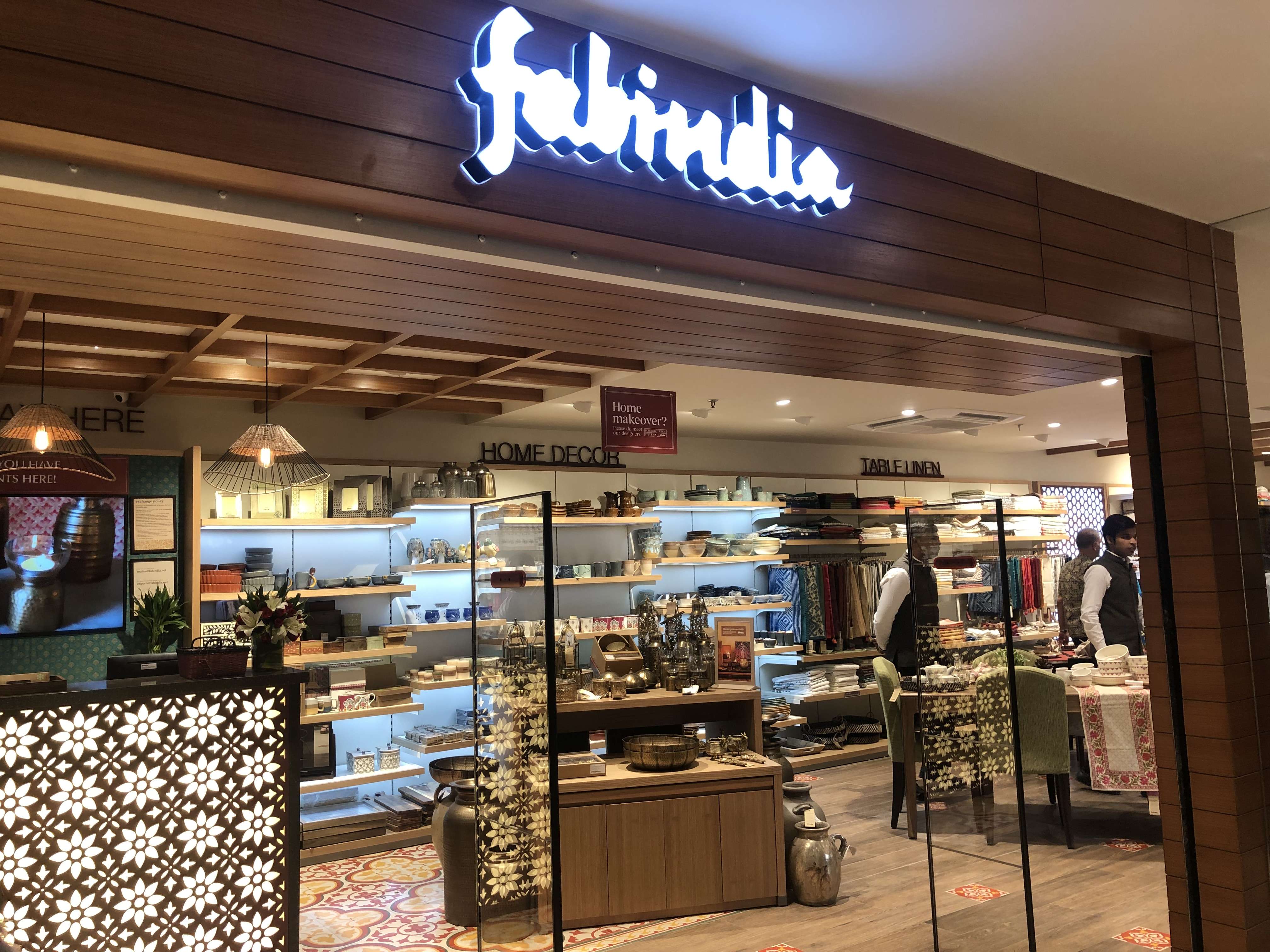
After having to close its doors in 2019 owing to construction rules, ethnic apparel, and lifestyle business FabIndia has reopened its first-ever store in GK-1, Additional Delhi, with a slew of new features. The first FabIndia store opened in GK-1 in 1976, but it had to close two years ago due to local construction rules, according to the brand's Facebook page.

The shop, which has been revamped with new interactive features and items, will reopen in September. According to The Prevalent India, Dipali Patwa, group leader for brand, community, and marketing at FabIndia Group Of Companies, said, "My first design studio was on top of the GK-1 FabIndia Store." “This one was noteworthy since it was the first FabIndia store in GK-1. 

Fast forward to 2021, and while the previous 18 months have been difficult for everyone, FabIndia's perseverance once again guides the way ahead.” FabIndia's latest offering, FabNu, a collection of women's lounge and casual clothing, will be featured on an entire floor at the store's relaunch. The new sub-brand reimagines FabIndia's trademark Indian printed textiles as comfortable western and fusion clothing, perfect for work-from-home and two-mile trends. There's also a café and an alteration station in the store. “We are delighted to relaunch at the GK-1 market, dubbed the ‘FabIndia Market,' and cater to our loyalists as well as fab millennials and Gen Z who may have heard stories about this particular store that was the birth of FabIndia retail,” Patwa added.

Fabindia: Fabindia bets big on Experience stores; witnesses better sales  from the format, Retail News, ET Retail


Watch YouTube: https://www.youtube.com/channel/UCnQ6v9wBHyOlRPSDgJMsJaA

FabIndia re-opens its first store In New Delhi

States will compete for a place in the MITRA textiles initiative

13th September 2021, Mumbai:

Due to a high level of interest in the program, the Ministry of Textiles wants to use a "challenge method" to choose states that will be authorized as venues for its Mega Investment Textiles Parks scheme.

“We are anticipating [cabinet] clearance on the MITRA plan in the next 15 days,” textiles secretary UP Singh told the Press Trust of India. Due to significant levels of demand from various states, some of which desire multiple parks in their state, the ministry would “follow a challenging technique to choose states,” according to Singh.

The MITRA project, which aims to improve India's textile sector, would see six or seven textile parks built around the country. These parks will serve as industrial hubs, generating jobs and providing access to cutting-edge textile technologies. Following the submission of expressions of interest, the ministry will request papers from interested states and undertake an examination to determine which states are the greatest fit for the program.

Raw resources and adequate land availability will be deciding considerations. 

The plan was included in the government's Union Budget for the fiscal year 2022, and it is presently awaiting approval. “To exploit commercial possibilities, we need rivalry among states, and we will see such competitiveness under the MITRA scheme,” said Textiles Minister Piyush Goyal. “We need to finish six to seven textile parks,” says the executive.

States will have to make appealing commitments for land, labor laws, infrastructure, and power.”

Working at Ministry of Textiles | Glassdoor


Watch YouTube: https://www.youtube.com/channel/UCnQ6v9wBHyOlRPSDgJMsJaA

States will compete for a place in the MITRA textiles initiative

Latest Publications

Image

Join Our Group

Join Our Group